You’ve washed the tiny socks and sorted the nursery, and now you are staring at an empty suitcase wondering how on earth to pack for this. Packing for the hospital is its own challenge — a pivotal life event combined with a medical stay, done in the dead of winter, so you are planning for both the hot, climate-controlled hospital and the freezing world you will bring your baby home to. This is your no-overthinking guide to a winter hospital bag, built around C-section recovery and comfort. It pairs well with your wider pre-baby checklist.
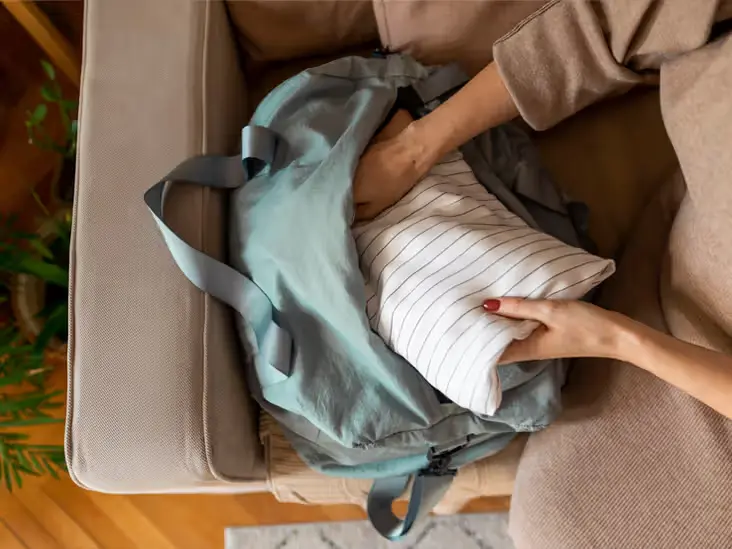
The “Three Bag” System
Skip the single overstuffed suitcase — it just means digging through onesies when a nurse asks for your lip balm. Split it into three:
- The labor and delivery bag: a small tote or backpack that stays with you from triage through delivery and immediate recovery, holding just your essentials for the big event.
- The postpartum recovery bag: a larger duffel your partner brings up once you are settled, with everything for your 2–4 day stay.
- The going-home bag: a separate bag (or a set-aside section of the recovery bag) with the specific outfits for you and baby to leave in.
Have all bags packed by 36 weeks, and keep the labor and delivery bag by the door.
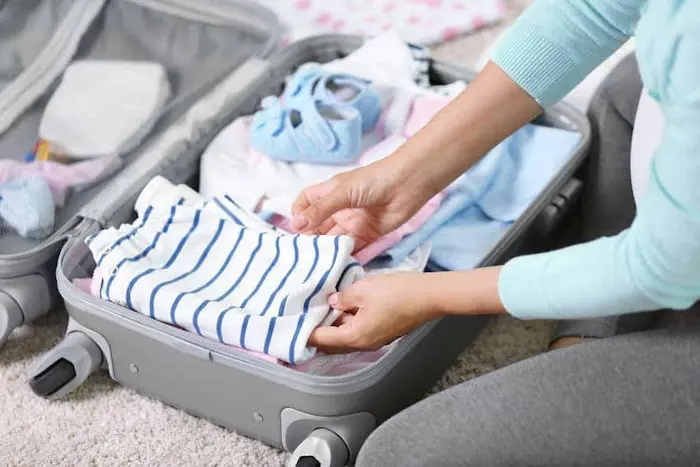
The Labor and Delivery Bag
Keep this one lean — it is for you and the work of delivery:
- Your birth plan and ID/insurance cards, easy to grab.
- Phone and an extra-long charger (10 ft) — outlets are never close.
- Lip balm and a facial mist — hospital air is brutally dry.
- Hair ties and a headband.
- A small battery-operated fan — even in winter, labor is hot work.
- Earbuds and a playlist to block out hospital noise.
- Toothbrush and travel toothpaste.
- A soft, wire-free nursing bra or bralette.
- Grippy socks or warm, non-slip slippers — floors are cold and slick.
- Glasses, if you usually wear contacts.
Give your support person their own pouch here with snacks, a phone charger, a refillable water bottle, and some cash for vending machines.
The Postpartum Recovery Bag
For your physical recovery:
- High-waisted, soft postpartum underwear (3–4 pairs): disposable mesh or dark cotton briefs that sit above a C-section incision. Size up for comfort. Our guide to postpartum bleeding explains what to expect here.
- Nursing pajamas (2–3): button-down tops make skin-to-skin and nursing easy; soft, dark fabrics hide leaks.
- A cozy, open-front robe or cardigan for warmth and modesty during hallway walks.
- Easy slip-on slippers with a sturdy sole — you will be walking to the bathroom often.
- A toiletries bag: dry shampoo, your own shampoo and conditioner (hospital stuff is harsh), face wipes, lotion, and deodorant. That first shower is a milestone.
- Nipple cream and nursing pads, even if you are unsure about breastfeeding.
- Your own large water bottle with a straw — hydration matters for recovery and milk supply, and a straw lets you drink while holding the baby.
For comfort and practicality: your own pillow with a dark or colorful case (so it does not get mixed up with hospital ones), low-focus entertainment (tablet, book), and snacks like granola bars and trail mix, since hospital meal timing is erratic.
Winter-specific additions
The aim is cozy without overheating in the hot hospital. Pack layers, not bulk — a lightweight cardigan or zip-up over a nursing tank is easy to adjust. Add thicker warm, non-slip socks (postpartum circulation can leave your feet cold), a soft beanie or headband if you feel the cold, especially with night sweats, and extra lip balm and hand cream — dry winter air plus hospital heating is punishing.
C-section recovery additions
These focus on protecting your incision and easing movement:
- High-waisted, loose pants or nightgowns — nothing with a waistband that sits on or near your incision.
- An abdominal binder or support band — ask your OB first. Many hospitals provide a basic one; support can help when you cough, laugh, or first stand.
- Your preferred gas relief and stool softeners — check with your care team, but post-op gas and constipation are real, and having your usual brand helps.
- A small pillow for the ride home, to cushion between the seatbelt and your incision.
For the bigger picture of healing after birth, our guide to the first six weeks postpartum is a helpful read.

The Going-Home Bag
For baby — and a crucial car-seat safety note
A good rule of thumb is to dress your baby in one more layer than you are comfortably wearing, in easy layers:
- Base layer: a soft, long-sleeved footed sleeper or a onesie with pants and socks — cotton is ideal.
- Middle layer: a warm fleece or knit pullover.
- Outer layer: a warm hat that covers the ears and mittens, plus a car-seat-safe cover for warmth.
Car-seat safety is the key point here: never put your baby in a bulky coat or snowsuit under the car seat harness — thick padding compresses in a crash and leaves the straps too loose to protect them. Instead, buckle your baby snugly in their regular clothes, then add warmth over the fastened harness with a blanket or a car-seat cover that does not go behind or under the baby. A properly installed seat matters most of all.
For you
Comfort and easy access win: loose, high-waisted pants (maternity leggings, joggers, or soft sweatpants with a forgiving waistband that clears your incision), a nursing-friendly button-down or loose sweater, a warm zip-up coat that won’t rub the incision, and slip-on shoes — bending to tie laces will not be happening.
What to Leave Home, and Handy Extras
You can skip: valuables and jewelry; a big stack of newborn clothes (the hospital provides onesies and swaddles for the stay); usually diapers and wipes (call to confirm, but most hospitals supply them); and your whole makeup bag — maybe just a little for photos if it lifts your mood.
Small things with big impact: a power strip (one outlet never covers everyone’s devices), a night light or small lamp for checks without the harsh overheads, a white-noise app or small machine, and a notebook or notes app for pediatrician questions and feeding times.
For your partner: their own bag with a change of clothes, toiletries, pajamas, their own pillow, snacks, caffeine, entertainment, and a list of people to text updates to. A comfortable partner is a more helpful one.

Before You Go: A Final Prep Checklist
Packing the bags is step one. Also make sure you have installed and (if possible) had the infant car seat inspected and practiced buckling it; pre-registered at the hospital to cut down front-desk paperwork; arranged pet and house care; charged all devices and power banks; cooked and frozen a few meals; saved your pediatrician’s contact info in your phone; and filled the car’s gas tank.
The Bottom Line
By planning for the practicalities of winter and surgery, you have cleared space to simply be present for the moment that matters. When the day comes, grab your three bags, take that last photo of your bump in the hallway, and go meet your baby — you have thought it through, and you are ready.
References
- American Academy of Pediatrics (HealthyChildren.org). Winter Car Seat Safety Tips.
- American College of Obstetricians and Gynecologists (ACOG). Cesarean Birth.
- Mayo Clinic. C-section: What you can expect.