That little plus sign on the pregnancy test sets off a chain reaction of preparations — researching cribs, choosing a pediatrician, maybe starting a registry. But amid the tangible to-dos is one crucial item that’s less about things and more about transformation: preparing for birth itself. If the thought of childbirth brings up more questions than confidence, you’re not alone — and you don’t have to face it unprepared. A quality class can be the difference between feeling like a passive passenger on a medical journey and an informed, active participant. The catch? Not all childbirth classes are alike. This guide maps the real differences between methods so you can find the one that fits your personality, values, and vision for birth.
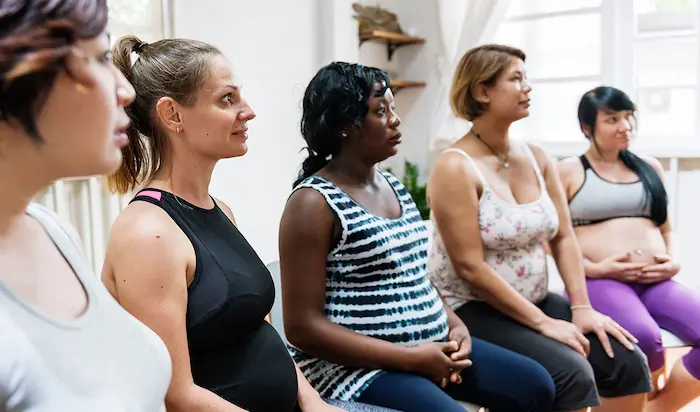
Why Take a Class at All?
A modern childbirth class is far more than a graphic 1980s video or a single breathing pattern. Its real value:
- It demystifies the process. Knowledge is the antidote to fear — understanding the stages of labor, the purpose of contractions, and how your body is built for this can replace anxiety with capability.
- It builds a decision-making toolkit. A good class won’t hand you a rigid script; it equips you to understand common interventions — their pros, cons, and alternatives — so you can have informed conversations with your care team however birth unfolds.
- It prepares your partner. Support people want to help but often don’t know how. Classes teach practical skills — massage, positioning, advocacy — turning a worried observer into an essential part of your team.
- It creates community. Sharing the experience with other local expecting parents builds a network, and those “me too” moments often become postpartum lifelines.
- It covers the fourth trimester. The best classes dedicate real time to postpartum recovery, newborn care, and feeding, so you’re ready for life after birth day.
The Major Philosophies
Think of these as different “lenses” for viewing birth. Understanding each one’s core principle is the key to finding your fit.
Hospital-based classes
The most accessible and commonly taken option, with a practical, medical-model focus geared to that specific hospital’s protocols. You’ll get a thorough overview of the birth process, pain-relief options (especially epidurals), cesarean sections, and a ward tour. Best for parents planning a medicated hospital birth who want to learn the logistical ropes of their facility. Consider that the information can lean toward the hospital’s common practices and may spend less time on non-medical coping techniques.
Lamaze
The most famous name, though modern Lamaze has evolved well beyond “hee-hee-hoo” breathing. Its philosophy — “birth is normal, natural, and healthy” — is evidence-based, promoting movement, continuous support, and avoiding unnecessary interventions. You’ll learn the six Lamaze Healthy Birth Practices, comfort measures (breathing, movement, massage), informed decision-making, and advocacy, with breathing taught as one of many tools. Best for parents seeking a natural birth in any setting who want a science-backed, practical approach.
The Bradley Method (partner-coached childbirth)
A comprehensive, intensive system advocating unmedicated birth with the partner as an integral coach, built on nutrition, exercise, and deep relaxation. The 12-week series covers in-depth physiology, extensive relaxation practice, and detailed partner-coaching techniques. Best for couples deeply committed to an unmedicated birth who’ll invest significant time together. Consider that its intensity and strong natural-birth stance isn’t for everyone, and some find its framing of medical interventions overly negative.
HypnoBirthing (the Mongan Method)
A program using self-hypnosis and deep relaxation, built on the idea that birth can be calm when fear is removed. You’ll learn relaxation, meditation, and self-hypnosis, breath work, and positive affirmations (the language shifts too — “contractions” become “surges”). Best for those drawn to mindfulness and meditation, or with high birth anxiety. Our hypnobirthing basics guide goes deeper.
Birthing From Within
A holistic, creative approach focused on the emotional, spiritual, and psychological journey of becoming a parent, embracing birth as a “rite of passage.” It uses art, storytelling, and ritual to explore fears and hopes while still teaching practical pain-coping skills. Best for parents who want to explore the emotional transformation of birth and appreciate creative, non-linear learning. Consider that it may feel less concrete if you want a highly structured, medical-information-focused class.
New & Niche Formats
- Online classes: ultimate flexibility — look for comprehensive, interactive programs with live Q&A, not just pre-recorded videos. Ideal for busy schedules, rural families, or a specific method not taught locally.
- Crash courses / one-day intensives: condensed essentials, good for late planners or a refresher.
- Classes for specific paths: cesarean birth prep, VBAC (vaginal birth after cesarean) confidence courses, or classes tailored for single parents or LGBTQ+ families.
Seven Questions to Ask Yourself
- What’s our birth vision? An unmedicated birth, a planned epidural, or understanding all options? Be honest — our guide to epidural vs. natural birth can help clarify.
- What’s our learning style? Scientific and evidence-based (Lamaze, Bradley), spiritual and introspective (Birthing From Within), or fear-release and relaxation (HypnoBirthing)?
- How much time can we invest? A Bradley series is a major commitment; a hospital class might be one or two weekends.
- Who’s the instructor? The teacher can matter as much as the method — look for certified, experienced instructors whose philosophy resonates, and read reviews.
- What’s included? Does it cover postpartum and newborn care, breastfeeding basics, and a hospital tour?
- What’s the environment? Lecture-based or interactive? Does it encourage partner participation?
- Does it fit our budget? Costs vary widely — check whether your health insurance reimburses childbirth education (many do).
Green Flags and Red Flags
Green flags: the instructor emphasizes informed choice and your autonomy rather than one “right” way to give birth; the curriculum is current and evidence-based; both medical pain relief and non-medical coping are covered respectfully; and it feels like a safe space to ask anything without judgment.
Red flags: fear-based language or shaming of certain choices (“real mothers don’t get epidurals”); outdated information that contradicts medical guidelines; only one type of birth presented as “successful”; or your questions dismissed or minimized.
You can also mix and match — a hospital tour for logistics plus a Lamaze series for coping tools, or a pain management overview alongside a method that fits your temperament. Recording what you learn in a birth plan and practicing breathing for labor ties it all together.
Frequently Asked Questions
Most experts suggest completing your class by around 36–37 weeks. Sign up during your second trimester to secure a spot in a popular series, especially for longer method-based courses.
Absolutely. Look for a “cesarean birth preparation” class, or make sure your chosen class dedicates time to it. You’ll learn about the procedure, recovery, bonding, and even “gentle” or family-centered cesarean options.
Yes — high-quality online classes can be excellent. The key is interactivity: choose one with downloadable materials, practice assignments, and access to the instructor (live or via a message board) rather than only pre-recorded videos.
Go anyway. You can bring a different support person — a parent, doula, or friend — or go solo. The knowledge and confidence are invaluable, and many instructors can suggest ways to share what you learn with your partner afterward.
The Bottom Line
Choosing a childbirth class is itself a powerful act of preparation — a signal of your intention to be informed, present, and ready to meet this transition with strength. Don’t get lost hunting for the “perfect” method; look for the one that makes you feel stronger, more knowledgeable, and more connected to your partner and your own intuition. That’s the right one. Your birth will be its own unique story, and your class can be the chapter where you equipped yourself to help write it.
This article is for general information and is not a substitute for personalized medical advice.
References
- Lamaze International. Childbirth education and healthy birth practices.
- NHS. Antenatal classes.
- March of Dimes. Preparing for labor and birth.