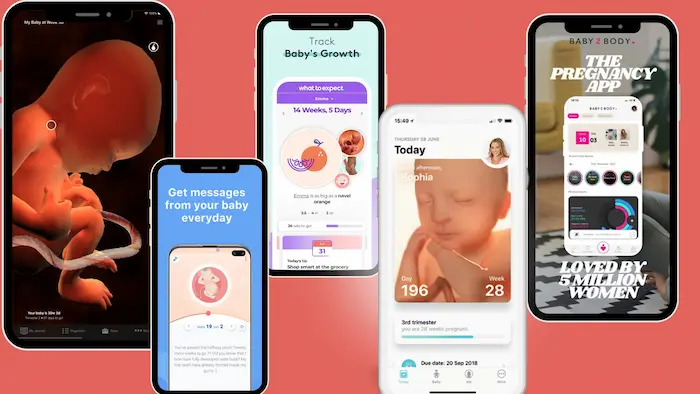
Your phone can be a genuinely useful companion through pregnancy — a pocket-sized hub for tracking, information, and connection across the 40-week journey. But the app store has hundreds of options, each claiming to be the best, and the right one depends on what you actually need. Rather than just listing apps, this guide walks through the main categories of pregnancy apps, breaks down a few of the most popular picks, and covers the privacy and practical questions to weigh before you download — so you can build a small toolkit that informs without overwhelming.
One note before we start: the app world changes fast — features, pricing, and even availability shift, and apps occasionally merge or shut down. Treat the specifics below as a starting point, and check current ratings, reviews, and the privacy policy in your app store before committing.
The Main Categories of Pregnancy Apps
Most apps blend several of these, but each usually has a primary focus:
- Comprehensive trackers / week-by-week guides — the all-in-one hubs: fetal development updates (often with fruit/veg size comparisons), weekly articles, a countdown, a kick counter, a contraction timer, and symptom logging. Best for: first-time parents who want one educational overview.
- Health & wellness integrators — focused on maternal health data, sometimes syncing with wearables or meant to share with your provider: logs for weight, blood pressure, blood sugar (for gestational diabetes), medication, nutrition, and water. Best for: those monitoring a specific condition, or data-driven people.
- Community & social hubs — due-date-based forums, anonymous Q&A, bump-photo sharing, peer messaging. Best for: parents wanting reassurance and a sense of belonging.
- Mindfulness & preparation specialists — guided meditations, sleep stories, hypnobirthing tracks, prenatal workouts, and birth-prep courses. Best for: those focusing on mental well-being and birth preparation.
Popular All-in-One Trackers
A look at some of the most widely used apps and what tends to set each apart. The “best” one is simply the one you’ll actually open.
- Ovia Pregnancy — smart and highly customizable, with detailed symptom/weight/appointment tracking and a “health assistant” that offers insights from your logs, plus playful alternatives to the usual fruit size comparisons. Good for the data-lover who wants a clean, lighter-on-ads interface.
- The Bump — magazine-style and visually rich, known for interactive 3D weekly development models and baby-registry integration. Good for the visual learner who enjoys the planning side.
- What to Expect — authoritative and community-driven, based on the bestselling book, with very active due-date “Birth Clubs” and a huge content library. Good for those who want a book-backed resource and a large peer community.
- BabyCenter — warm and long-term focused, transitioning smoothly into a baby/parenting app after birth, with daily articles, videos, and a big international community. Good for planners already thinking beyond the newborn stage.
- Flo — grew from a popular period tracker, so it frames pregnancy within overall reproductive health and emphasizes privacy (including an anonymous mode). Good for the privacy-conscious who want a holistic health view.
Apps That Do One Thing Well
Sometimes a focused tool beats an all-rounder:
- Contraction timing — a dedicated contraction timer (such as Full Term) is simple and easy to use during labor, and lets you share timing logs with a partner or doula. See our guide to tracking contractions.
- Kick counting — Count the Kicks (from a nonprofit stillbirth-prevention campaign) is built specifically for tracking fetal movement, helping you learn your baby’s normal pattern and notice changes.
- Mindfulness & birth prep — apps focused on guided meditation, hypnobirthing, and birth-preparation courses can help with anxiety and sleep, complementing our guide to mindfulness in pregnancy.
What to Check Before You Download
Privacy and data security
You’ll be logging sensitive health information, so before you install, check the privacy policy (who owns your data, and can it be sold or used for advertising?), whether data is encrypted in transit and at rest, and whether there’s an anonymous mode that avoids tying data to your identity. This matters more for reproductive-health data than almost anything else on your phone.
The cost of “free”
Most apps are free but supported by ads or in-app purchases. Ask whether the ads are intrusive, which features sit behind a paywall (and whether you actually need them), and whether a one-time purchase or subscription buys an ad-free experience.
Does it fit your care philosophy?
Some apps lean more medicalized, others more holistic-wellness. Pick one whose tone and advice align with your own approach to birth, so it feels supportive rather than at odds with your plans.
Building Your Own Small Toolkit
You don’t have to choose just one — many parents mix and match:
- The classic combo: a comprehensive tracker for daily updates and logging, paired with a mindfulness app for emotional support.
- The community kit: a big-community app for the forums, plus a dedicated kick-counter and a contraction timer for labor.
- The minimalist approach: one app that does the basics well, then lean on your provider and trusted books for the rest. Sometimes less screen time is the healthier choice.
Frequently Asked Questions
It varies by app. Reputable ones from established health brands generally use encryption and have clear privacy policies, but always read the policy before entering data, and assume free apps may use data for advertising insights. For more privacy, choose apps with an anonymous mode and avoid linking social accounts.
Most major apps use similar, medically-reviewed fetal-growth data, so their accuracy is broadly comparable. The real differences are in presentation, depth of detail, and the extra features each one offers.
Yes, but these are usually provided or recommended by your provider’s office rather than downloaded from the public app store — for example, a patient portal like MyChart. They can allow direct messaging, viewing test results, and sometimes sharing logged data with your care team.
You can, but only as a supplement, never a substitute for medical care. A high-risk pregnancy needs close communication with your maternal-fetal medicine specialist — use apps for general education and logging, and rely on your specialist for advice about your specific situation.
Most comprehensive free apps include a kick counter. For a dedicated one, Count the Kicks is widely recommended for its simplicity and focus on fetal-movement awareness — but always report any decrease in movement to your provider directly rather than relying on an app.
It’s a lovely idea. Many apps offer a partner mode or linked accounts, letting your partner follow the weekly development, understand the symptoms you’re feeling, and feel more involved — a nice way to share the experience.
The Bottom Line
The best pregnancy app is the one that feels like a helpful friend rather than a source of stress or comparison — it should answer your questions, calm your worries, and help you feel organized. Use these tools to enhance your experience, not to diagnose or replace your doctor or midwife: if an app’s community makes you anxious, log off, and if tracking every symptom starts feeling obsessive, stop. Download a couple that appeal to you, try them for a week, and keep the one you naturally reach for. Our first-trimester survival guide is a good companion to whatever you choose.
This article is for general information and is not a substitute for personalized advice from your healthcare provider. App features, pricing, and availability change over time — verify current details in your app store.
References
- Count the Kicks. Tracking Your Baby’s Movements.
- Federal Trade Commission. Health Apps and Your Privacy.
- American College of Obstetricians and Gynecologists. Pregnancy Resources.