That positive test has likely sent a whirlwind of emotions through you — excitement, disbelief, maybe a touch of anxiety. Welcome to the first trimester: twelve weeks of profound, rapid change for both you and your growing baby. If you are feeling overwhelmed by symptoms and a barrage of online information, take a breath. This week-by-week guide covers what is happening inside your body, tackles the common symptoms with practical strategies, and answers the questions that keep you up at night — so you can not just endure these weeks but move through them with confidence.

More Than Just Symptoms
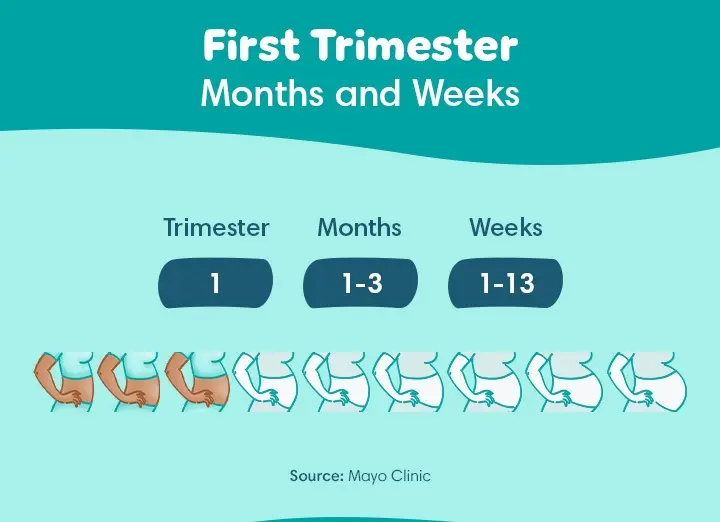
The first trimester spans weeks 1 through 12 (counted from the first day of your last period — a confusing but important detail). It is the most critical stretch of fetal development: your body is building a placenta and laying the foundation of every one of your baby’s organ systems. The hormonal surge powering that work — mainly hCG and progesterone — is largely what drives your symptoms. That reframes things: the profound fatigue of early pregnancy is not just “being tired,” it is your body redirecting energy to an enormous task, and many symptoms are signs of a process unfolding exactly as it should, even when it feels rough. Some of the stranger sensations are covered in our guide to weird early pregnancy symptoms.
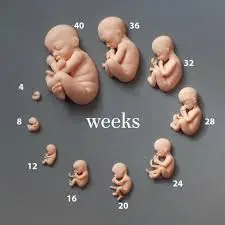
Week by Week: From Poppy Seed to Lime
Weeks 5–8: The foundation forms
- Week 5: your baby is about the size of a sesame seed, and the neural tube (the future brain and spinal cord) is forming. You might notice tender breasts, mild fatigue, or a new aversion to certain smells.
- Week 6: the tiny heart begins to beat and may be visible on an early ultrasound, and limb buds appear. Symptoms often ramp up — nausea (which can strike any time of day) may begin, along with bloating or mild cramping as your uterus expands. If all you can manage for a few days is crackers and lemon water, that is okay.
- Week 7: facial features start to take shape and limb buds lengthen. Your sense of smell may feel superhuman, and early-pregnancy anxiety can feel more pressing as symptoms intensify.
- Week 8: your baby graduates from embryo to fetus, and webbed fingers and toes are forming. Fatigue can be profound this week — needing a nap after simple tasks is normal, and a clear cue to rest.
Weeks 9–12: The transition
- Weeks 9 & 10: the fetus is about grape-sized, and organs like the kidneys and intestines begin to function. Nausea often peaks around week 9, and your waistline may start to soften as your uterus grows.
- Week 11: bones and tiny tooth buds are developing, and increased blood flow and hormones may make your hair and nails grow faster. Some people notice nausea easing.
- Week 12: a major milestone — your baby’s reflexes are developing (they squirm, though you cannot feel it yet), and your uterus rises above the pelvic bone, often meaning fewer nighttime bathroom trips and, for many, the beginning of the end of constant nausea. The risk of miscarriage drops significantly, which brings many parents-to-be real relief.
Your Survival Toolkit
Taming the nausea
“Morning sickness” is a misnomer — it can hit any time, so aim for prevention and gentle management. Keep a small “survival kit” by your bed and at work, and at the first wave try the three S’s: suck on a frozen lemon wedge or sour candy, sniff a drop of peppermint or lemon oil, and sip small, cold sips of ginger ale or plain fizzy water. At work, keep bland snacks (pretzels, almonds, crackers) at your desk and nibble every hour, use a small fan for food odors, hydrate with ice-cold water, and have a discreet word with your manager if you need to — most are understanding. If nausea and vomiting become severe or you cannot keep fluids down, talk to your provider about hyperemesis gravidarum, which needs medical care.
Navigating deep fatigue
This is bone-weary exhaustion, not ordinary tiredness. If your body says nap, nap — even 20 minutes helps. Support your energy with enough iron and protein (pair iron-rich foods with vitamin C for better absorption) and small, frequent meals to keep blood sugar steady. And delegate ruthlessly: order groceries online, let the laundry sit, and hand off dinner. Conserve your energy for the work your body is doing.
Nutrition and lifestyle
- Your prenatal vitamin is non-negotiable. The key pieces are at least 400 mcg of folic acid (to help prevent neural tube defects) and iron, with DHA a bonus for brain development. If pills worsen nausea, try taking them at night or ask about chewable or gummy options — more in our prenatal vitamin guide.
- Foods to avoid: steer clear of unpasteurized dairy and cheeses, raw or undercooked meat, seafood, and eggs, deli meats unless heated steaming hot, high-mercury fish (shark, swordfish), and unpasteurized juices. Our guide to which foods are safe in pregnancy has the full picture.
- Exercise: unless your provider advises otherwise, continuing your pre-pregnancy routine is generally safe — walking, swimming, prenatal yoga, and stationary cycling are all great. Aim for maintenance, not personal bests, stay hydrated, and avoid activities with a high risk of falling or abdominal impact. See our guide to staying active in pregnancy.
Your First Prenatal Visit
Most providers see you between 8 and 10 weeks, timing that lets them confirm a viable pregnancy with a heartbeat on ultrasound. Expect a thorough visit: a full medical history, a physical and pelvic exam, a panel of blood tests (blood type, iron, immunity to certain infections), and possibly that first ultrasound. Come with a list of questions — none is too small — and use the time to discuss your symptoms, any medications, and any anxiety you are feeling. Our full walkthrough of the first prenatal appointment covers what to bring and ask.
Bringing Your Partner Along
This journey happens in your body but affects your partner too, and communication is everything. Share this guide so they understand why you are wiped out by 7 p.m. or suddenly repulsed by a food you loved last week. Assign concrete tasks rather than a vague “help more” — “could you keep us stocked in saltines and ginger ale?” or “please take over the cat litter for a few months.” And connect beyond symptoms with a weekly non-pregnancy check-in — a gentle walk or a funny movie. Our relationship tips for pregnancy have more.
Frequently Asked Questions
Yes — mild, period-like cramps are very common as your uterus stretches and grows. But severe, sharp, or persistent cramping, especially with bleeding, should prompt a call to your provider.
Not at all. An estimated 20–30% of people have little to no nausea. Consider yourself fortunate and try not to add worry to your plate.
Most experts consider up to 200 mg of caffeine a day — about one 12-oz cup of coffee — safe in pregnancy. It is about moderation, and remember tea, cola, and chocolate add up too.
Don’t fight them. Focus on what you can tolerate, even if it is simple carbs for a while — your prenatal vitamin covers the nutritional bases. As aversions ease, often in the second trimester, you can gradually reintroduce more variety. Our guide to food aversions has more.
Most first-time parents notice a small bump between 12 and 16 weeks, with bloating often coming before that. Everyone’s body is different.
The Bottom Line
As you approach week 12, know that you are doing something extraordinary — every wave of nausea, every nap, and every healthy choice is part of laying a loving foundation for your baby. The second trimester often brings renewed energy and, before long, those first flutters of movement. Trust your body, partner with your care provider, and be gentle with yourself.
References
- American College of Obstetricians and Gynecologists (ACOG). Morning Sickness: Nausea and Vomiting of Pregnancy.
- Mayo Clinic. First trimester pregnancy: What to expect.
- Centers for Disease Control and Prevention (CDC). About Folic Acid.