A cesarean section — a C-section or cesarean birth — is the delivery of a baby through surgical incisions in the abdomen and the uterus. It’s major surgery, and it’s recommended when a doctor believes it’s the safest way to deliver for the parent, the baby, or both. Some C-sections are planned ahead of time; many others are unplanned decisions made during labor. Either way, it’s one of the most common surgeries in the world, and knowing what’s involved can make it far less daunting. Here’s a clear guide to why it’s done, what happens, and how recovery works.
The Two Main Types of Incision
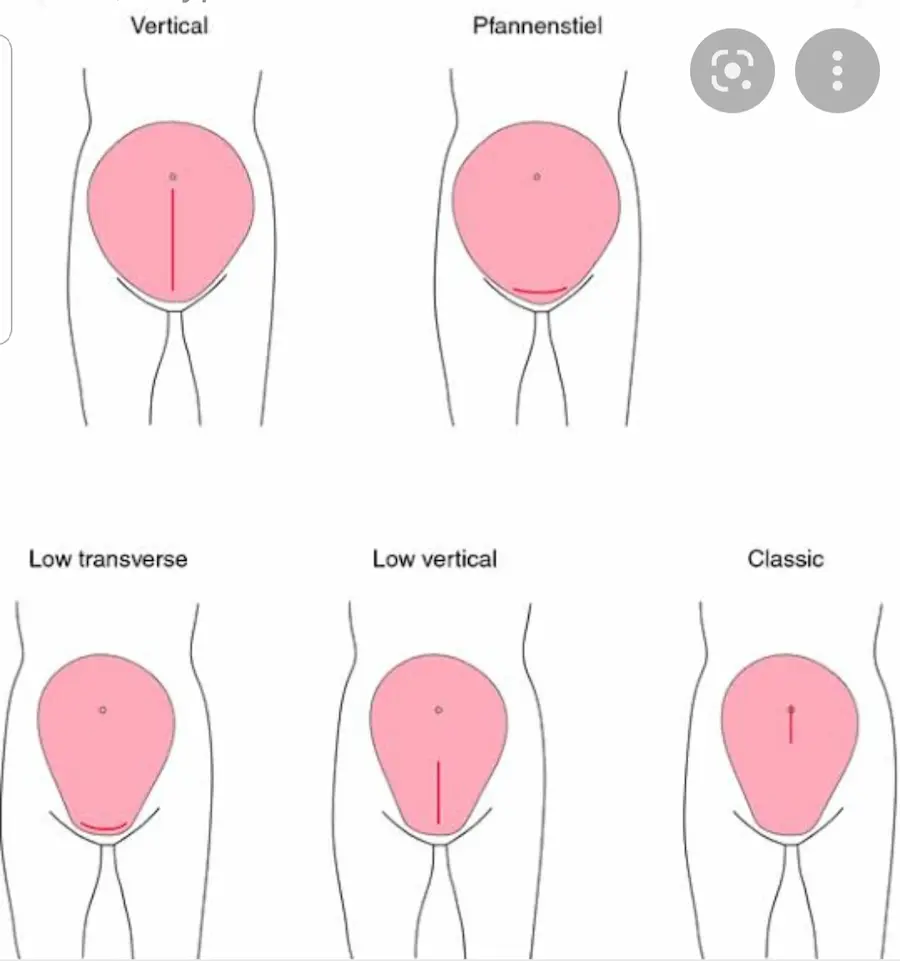
There are two separate incisions in a C-section — one through the skin and abdominal wall, and one in the uterus itself. They don’t have to match, and the uterine one matters most for future births.
- Low transverse (“bikini cut”): a horizontal incision low across the abdomen, along the bikini line. This is by far the most common approach — it heals well, tends to bleed less, follows the natural skin lines for a thinner, well-hidden scar, and, when used on the uterus too, usually keeps the option of a vaginal birth open in future pregnancies.
- Vertical (midline): an up-and-down incision from near the navel to the bikini line. It’s used less often — mainly in emergencies when speed matters, or in certain situations that call for more room. A vertical incision on the uterus (a “classical” incision) raises the risk of the scar opening in a future labor, so it usually means later births are by C-section too.
Why a C-Section Might Be Needed
A C-section may be planned in advance when a vaginal birth is likely to be risky, or decided during labor if problems come up. Common reasons include:
- The baby’s position — breech (bottom or feet first) or another position that makes a vaginal birth unsafe.
- Certain multiples — some twin and most higher-order multiple pregnancies. Our twin pregnancy guide has more.
- Placenta problems — such as placenta previa, where the placenta covers the cervix.
- Labor that isn’t progressing — the cervix stops opening or the baby isn’t moving down despite strong contractions.
- Concerns about the baby — an abnormal heart rate or other signs of distress. (The team first tries measures like changing your position, oxygen, or IV fluids; if those don’t help, a C-section may be needed.)
- Certain maternal conditions or infections — for example, an active genital herpes outbreak at delivery, or specific health issues your provider is managing. Some are more likely in a high-risk pregnancy.
- A previous classical (vertical) uterine incision or certain prior surgeries.
What Happens During the Procedure
Beforehand, you’ll change into a gown, have an IV placed, and usually have a thin catheter put in your bladder. The surgical area is cleaned and any hair trimmed. In most cases you’ll have regional anesthesia — a spinal or epidural that numbs you from the waist down but keeps you awake, so you can be present as your baby is born. General anesthesia (fully asleep) is reserved for certain emergencies.
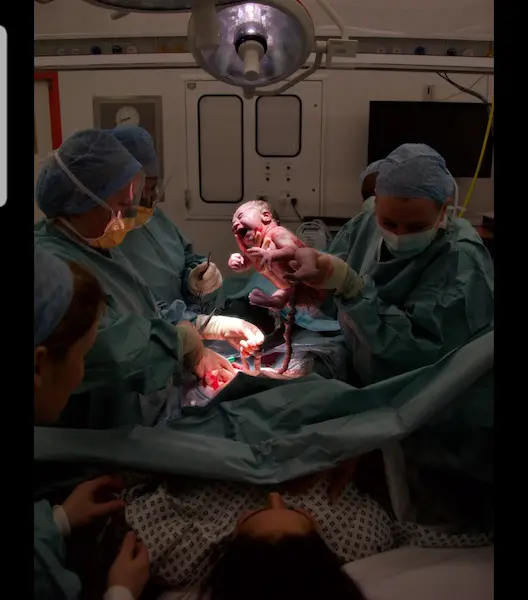
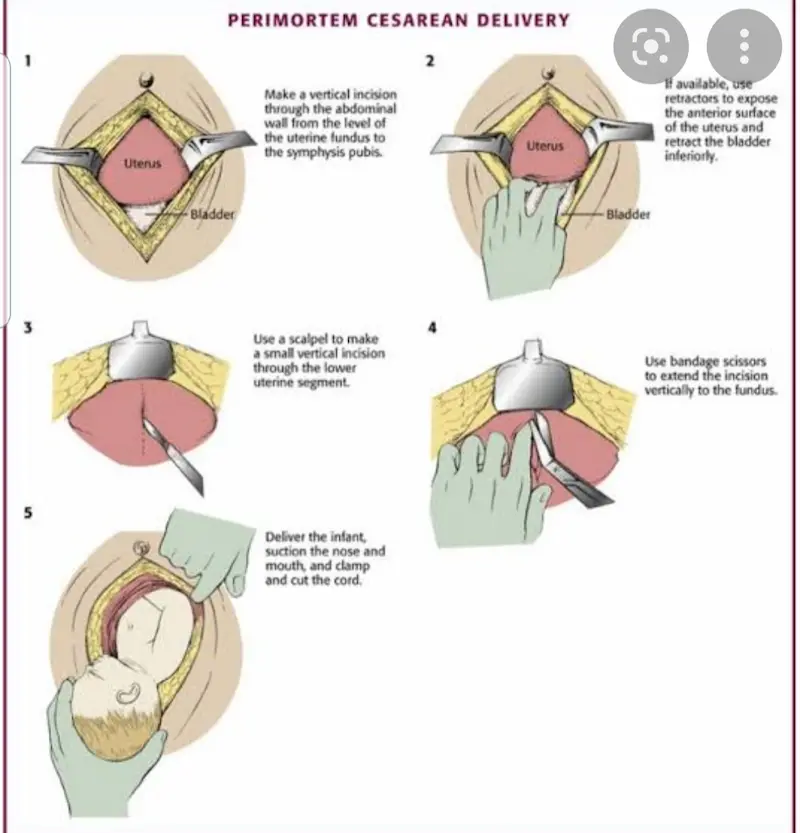
Once you’re numb, the surgeon makes the abdominal incision, works down through the layers of tissue, and then opens the uterus to deliver your baby — often within the first 10 to 15 minutes. You may feel pressure or a tugging sensation, but not pain. The cord is clamped and cut, the placenta is removed, and the incisions are closed with sutures, layer by layer. Start to finish, a C-section usually takes about 30 to 45 minutes. A support person can often be with you for a planned or non-emergency birth. Our guide to what to expect during a C-section walks through the experience in more detail.
Recovery
In the hospital
Most people stay in the hospital for two to four days. A nurse monitors your heart rate, blood pressure, bleeding, and the firmness of your uterus. Pain relief is given through your IV, an epidural catheter, or oral medication as the anesthesia wears off. The bladder catheter usually comes out within about a day, and you’ll be encouraged to get up and walk fairly soon — gentle movement eases trapped gas and lowers the risk of blood clots. You can usually start breastfeeding right away, and bleeding afterward (called lochia) is normal — our guide to postpartum bleeding explains what to expect.
At home
Full recovery takes around six weeks, though it varies from person to person. Rest as much as a newborn allows, take pain relief as directed, and avoid heavy lifting (anything heavier than your baby), driving, and strenuous activity until your provider clears you. Keep the incision clean and dry, use pads for the bleeding, and expect some cramping as the uterus shrinks back. A good diet supports healing — lean on protein, iron-rich foods, fiber and plenty of fluids (to ease post-surgery constipation), and calcium. Our guide to the postpartum body in the first six weeks covers this stretch. Keep your follow-up appointment, and call your provider promptly if you notice:
- A fever, or redness, swelling, or foul-smelling discharge at the incision.
- Pain that worsens instead of easing, or heavy vaginal bleeding.
- Leg pain or swelling, chest pain, or trouble breathing (possible signs of a blood clot — seek urgent care).
Risks to Know About
A C-section is very safe, but like any major surgery it carries some risks. For the birthing parent these can include infection (of the incision or uterus), heavier bleeding, blood clots, injury to the bladder or bowel, and reactions to anesthesia, along with a longer recovery than a vaginal birth. For the baby, there’s a chance of temporary breathing difficulty — more likely before 39 weeks — and, rarely, a minor surgical nick that heals on its own. Future pregnancies carry a slightly higher chance of placenta problems and, with repeated C-sections, of the uterine scar being an issue, which is why the number of C-sections is something to discuss with your provider.
Birth After a C-Section (VBAC)
Having a C-section once doesn’t necessarily mean every future birth must be surgical. Many people are candidates for a vaginal birth after cesarean (VBAC), depending mainly on the type of uterine incision they had and their individual circumstances. Others will need a repeat C-section. It’s a decision to make with your provider, weighing your history and this pregnancy.
C-Section or Vaginal Birth?
There’s no universal “better” option. A vaginal birth generally means a shorter recovery and fewer surgical risks, while a C-section can be the safest — sometimes the only safe — route in specific situations. When a C-section is medically recommended, it’s because that’s what protects you and your baby. When birth can safely go either way, it’s a conversation to have with your provider about your circumstances and preferences, not a verdict on doing it “right.”
Frequently Asked Questions
Usually about 30 to 45 minutes from start to finish, though your baby is often delivered within the first 10 to 15 minutes. The rest of the time is spent delivering the placenta and carefully closing the incisions.
In most cases, yes. A spinal or epidural numbs you from the waist down while you stay awake and alert, so you can see your baby being born. General anesthesia, where you’re fully asleep, is reserved for certain emergencies.
Most people stay in the hospital two to four days, with fuller recovery taking around six weeks. It varies a lot — healing goes faster without complications and with rest, good nutrition, and support at home.
Often, yes — it’s called a VBAC. Whether it’s an option depends mainly on the type of uterine incision you had and your individual situation, so it’s a decision to make together with your provider.
It’s major surgery, so it carries somewhat higher risks like infection, blood clots, and a longer recovery. That said, it’s very safe and is sometimes the safest or only option. The right choice depends entirely on the situation.
Typically around 39 weeks, so the baby is fully developed, unless there’s a medical reason to deliver earlier. Waiting until 39 weeks lowers the chance of temporary breathing difficulties for the baby.
The Bottom Line
A C-section is a safe, common, and sometimes life-saving way to bring a baby into the world. If you know one is coming, learning the steps ahead of time can ease a lot of anxiety; if it happens unexpectedly, trust that your team is recommending it to keep you and your baby safe. However your baby arrives, a healthy birth is the goal — and give yourself the rest, support, and recovery time that major surgery deserves.
This article is for general information and is not a substitute for personalized medical advice from your healthcare provider.
References
- American College of Obstetricians and Gynecologists. Cesarean Birth.
- Mayo Clinic. C-section.
- NHS. Caesarean Section.
- MedlinePlus (U.S. National Library of Medicine). Cesarean Delivery.