Everyone warned you about the sleepless nights. You nodded, said you understood, maybe even laughed a little. What nobody actually communicated, what words do not quite capture, is what it feels like to be on the other side of months of fragmented sleep: the way your brain stops finishing sentences, the way you cry at things that would not normally touch you, the way you look at the clock at 3 a.m. and do math that no longer makes sense.
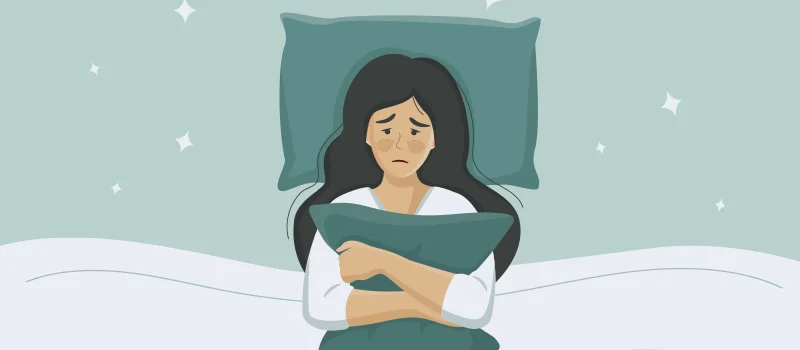
Sleep deprivation in new parents is not just tiredness. It is a physiological state that reshapes how you think, feel, parent, and recover, and it has real effects on your baby too. This guide looks at what actually happens when sleep becomes scarce, why it matters differently at each stage, and what you can realistically do about it.
Part One: Sleep Deprivation During Pregnancy
Why Pregnancy Disrupts Sleep at Every Stage
Pregnancy does not just make you tired; it actively works against sleep in ways that shift by trimester. In the first trimester, progesterone surges through your system. This hormone is essential for maintaining the pregnancy, but it is also a powerful sedative that leaves you falling asleep at your desk while also making nighttime sleep restless and fragmented, and frequent bathroom trips, driven by increased blood volume and a uterus already pressing on your bladder, pull you out of sleep multiple times a night before you have even started showing. The second trimester is often the easiest stretch for sleep, since hormones have stabilized somewhat, the baby is not large enough yet to cause physical discomfort, and many women feel more like themselves. Enjoy it, because the third trimester has other plans. By week 28 or so, sleep becomes a genuine physical challenge: ACOG notes that heartburn, leg cramps, restless legs, and the basic logistics of accommodating a growing belly make uninterrupted sleep increasingly rare, and fetal movement tends to peak in the evening and overnight, which means just as you are trying to settle, your baby is doing their most enthusiastic kicking.
What Sleep Deprivation Actually Does During Pregnancy
The consequences go beyond feeling tired, because sleep during pregnancy is doing active physiological work, and when it is disrupted, that work does not happen. Blood pressure normally dips during sleep, a protective phenomenon called nocturnal dipping, and research cited by the CDC links short sleep duration during pregnancy with higher risk of gestational hypertension and preeclampsia. When sleep is fragmented, that blood pressure dip does not occur, leaving your cardiovascular system under sustained strain, so understanding preeclampsia warning signs becomes especially important when sleep is consistently poor in the third trimester.
Sleep also regulates glucose metabolism. The Mayo Clinic explains that sleep deprivation decreases insulin sensitivity, so your body becomes less efficient at processing sugar, which can contribute to gestational diabetes risk. Immune function is another casualty, since your immune system does critical maintenance work during sleep, and during pregnancy it is already managing the delicate task of tolerating the presence of a foreign body while still protecting you from infection; disrupting that process regularly creates vulnerabilities. On the mental health side, anxiety during pregnancy is extremely common, and sleep deprivation amplifies it. The feedback loop is particularly vicious, because anxiety keeps you awake, sleeplessness makes the anxiety worse, and both feel increasingly unmanageable, and the CDC reports that depression during pregnancy affects roughly 1 in 10 women, with sleep disturbance functioning as both a symptom and a contributing factor.
What Actually Helps With Pregnancy Insomnia
You cannot eliminate all sleep disruption during pregnancy, but there is meaningful room for improvement. Position matters more than most people realize: ACOG recommends sleeping on your left side in the third trimester to optimize blood flow to the fetus, specifically because it keeps your uterus from pressing on the vena cava (the large vein that returns blood to your heart), and a full-body pregnancy pillow that supports your belly, hips, and back simultaneously makes staying in that position actually possible throughout the night. Timing fluids strategically, drinking more earlier in the day and tapering off in the hours before bed, reduces nighttime bathroom trips without compromising hydration, while managing heartburn by avoiding acidic or spicy foods close to bedtime and sleeping with your upper body slightly elevated takes another sleep disruptor off the table. Gentle movement during the day, whether prenatal yoga, walking, or swimming, promotes deeper sleep at night, and a consistent wind-down routine before bed, even just 20 minutes of something that signals rest is coming, helps your nervous system shift gears. If anxiety is the main driver of sleeplessness, cognitive behavioral therapy for insomnia (CBT-I) is worth asking your provider about, since it addresses the thought patterns that keep sleep at bay without medication and has solid evidence behind it.

Part Two: How Sleep Deprivation Affects Your Baby
Infant Sleep Is Different by Design
Newborns do not sleep like adults, and they are not supposed to. Their brains are still actively under construction, and sleep is one of the primary tools used for that construction. Adults cycle through non-REM and REM sleep in roughly 90-minute blocks, but newborns spend about half their sleep time in REM, the active, dreaming stage where neural connections are being built; researchers sometimes call it “wiring sleep” because it is when the brain lays down its fundamental architecture. Infant sleep cycles are also much shorter, around 50 to 60 minutes according to the AAP, which is why babies partially wake so frequently, and why those waking moments can either settle back to sleep or escalate into full crying depending on dozens of variables.
Signs Your Baby Is Overtired
The tricky thing about infant overtiredness is that it looks a lot like other problems, whether hunger, discomfort, or overstimulation, but there are patterns: rubbing eyes, pulling ears, yawning frequently, zoning out or staring blankly, fussiness that escalates fast, and, the one that really throws parents, fighting sleep despite being clearly exhausted. That last one happens because when babies stay awake past their window, cortisol and adrenaline surge to keep them going, so now you have a baby who is genuinely exhausted but whose stressed nervous system physically cannot power down, and the more tired they are, the harder they fight sleep. Getting ahead of that window, putting the baby down before they hit that point, is one of the most useful shifts a new parent can make, and understanding newborn wake windows by age makes this much easier to time.
Effects of Sleep Deprivation on Babies
When babies consistently do not get adequate sleep, the effects are real and show up in predictable ways. Behavioral dysregulation is the most visible, since an overtired baby cries more, settles less easily, and has genuine difficulty engaging positively; this is not behavior, it is a stressed nervous system with no other communication tools. Feeding efficiency also takes a hit, because sleepy babies nurse or take bottles poorly, do not consume enough, and then wake sooner from hunger, creating a cycle where poor sleep leads to poor feeding and back again. Developmentally, sleep is when babies consolidate new skills, so a baby who has just discovered how to roll needs sleep to cement that learning, and chronic disruption can temporarily slow the rate at which new abilities stick. Longer term, NIH research suggests that consistent sleep disruption in early childhood can affect attention, memory, and executive function, particularly in the prefrontal cortex; growth hormone is primarily secreted during deep sleep, and obesity risk also increases with insufficient sleep in children, likely due to effects on hunger-regulating hormones. These are not reasons to panic about every wakeful night. They are reasons to take infant sleep seriously as a health priority over time.
Safe Sleep While You’re Exhausted
One of the real dangers of severe sleep deprivation in new parents is the risk of unsafe sleep situations. When you are exhausted enough, falling asleep in a chair with a baby or bringing them into an adult bed happens, even when you know the risks, and the AAP safe sleep guidelines exist precisely because these situations are common, not because parents are careless. The core guidance remains that the baby sleeps on their back, alone, on a firm flat surface free of soft objects and loose bedding, and room-sharing without bed-sharing for at least the first six months lets you respond quickly without the risks of bed-sharing. If you are breastfeeding in bed and worried about falling asleep, having a safe sleep space already prepared beside you, so you can transfer the baby quickly when done, is a practical harm-reduction approach. The full picture of SIDS prevention and safe sleep is worth reviewing, especially in those first few months when exhaustion is at its peak.
Part Three: The Breastfeeding and Sleep Connection
Breastfeeding and sleep are deeply intertwined, and understanding their relationship makes the nighttime feeding situation easier to make sense of. Prolactin, the hormone that drives milk production, is highest during sleep and particularly during overnight feeding, which is a big part of why skipping night feeds or sleeping through them early on can affect supply: the body reads reduced overnight demand as a signal to produce less. It is also why mothers who are severely sleep-deprived sometimes notice supply fluctuations that are not explained by feeding frequency alone. Breastfed babies typically wake more frequently than formula-fed babies because breast milk digests faster; this is biology, not a failure of sleep training or feeding technique. The AAP notes that breastfed infants have lower SIDS risk, and that frequent night waking itself may be protective, since babies who sleep less deeply are more responsive to breathing disruptions, and understanding the connection between milk supply and overnight nursing helps make sense of why those 2 a.m. feeds matter more than they might seem to.
Some mothers and babies who breastfeed naturally begin to synchronize sleep cycles, where the mother lightens before the baby fully wakes, feeding happens, and both return to sleep faster than if the full waking cycle had played out. Keeping the baby close, in a bassinet or bedside sleeper, is what makes this possible, and learning a side-lying nursing position that lets you rest during the feed, rather than sitting upright fully awake each time, is one of the most practical adjustments nursing mothers can make in the early months.
Part Four: What Chronic Sleep Deprivation Does to New Parents
Postpartum sleep deprivation does not resolve at six weeks. For many parents, meaningful sleep disruption continues well into the first year, and understanding what that actually does to you matters, partly so you can take it seriously, and partly so you can stop blaming yourself for things that are straightforwardly physiological.
What It Does to Your Brain
“Mom brain” is a real neurological phenomenon. Sleep deprivation impairs attention, working memory, and executive function, the same cognitive systems you rely on to track feeding schedules, remember appointments, make decisions, and function in conversation, so you lose things, forget words mid-sentence, and start tasks you do not finish. These effects are temporary and do resolve when sleep improves, but they are not minor in the meantime, and driving while severely sleep-deprived carries accident risks comparable to driving impaired, something worth taking seriously especially in the early weeks.
What It Does to Your Mood
The link between sleep deprivation and postpartum mood disorders is well-established. The CDC identifies sleep deprivation as both a risk factor for and a symptom of perinatal depression and anxiety; they are bidirectionally connected, each making the other worse, and research has found that mothers sleeping less than five hours nightly at three months postpartum have significantly higher depression scores than those getting more. If the emotional weight of new parenthood feels disproportionate to what you think you should be able to handle, sleep is almost certainly part of that equation, and knowing the difference between normal exhaustion and something requiring support is covered in detail in postpartum depression signs.
What It Does to Your Relationship
Exhausted partners argue more, connect less, and find it genuinely harder to support each other. Sleep deprivation lowers empathy and raises irritability, a particularly damaging combination for two people navigating one of the biggest transitions of their lives with no margin for error, and conflicts that would be resolvable with adequate rest become entrenched. Understanding that a significant portion of relationship strain in the newborn period is physiologically driven, not a sign of fundamental incompatibility, matters for not making permanent decisions based on temporary states.
What It Does to Your Body
Chronic sleep deprivation is associated with increased cardiovascular risk, metabolic dysfunction, immune suppression, and elevated inflammatory markers. These are not abstractions; months of seriously inadequate sleep create real cumulative health consequences. Your body is trying to recover from pregnancy and birth while also running on insufficient sleep to do that recovery properly, so taking this seriously enough to actually prioritize rest, when help is available and when naps are possible, is not laziness. It is medical care.

Part Five: Coping With No Sleep as a New Parent, What Actually Helps
Learn Wake Windows
One of the most practical things you can do is understand how long your baby can realistically stay awake before overtiredness sets in. Newborns need sleep after only 45 to 60 minutes of wakefulness, at three months that extends to about 75 to 90 minutes, and by six months babies can handle 2 to 3 hours between sleeps. Watching the clock and catching the early sleepy cues, before cortisol kicks in, is one of the highest-leverage adjustments new parents can make.
Create Consistency in the Routine
A predictable pre-sleep sequence, feeding, book, song, sleep space, starts signaling to a baby’s developing brain that rest is coming. The specific activities matter less than the consistency; this is not about strict scheduling but about giving your baby’s nervous system reliable cues, and it takes a few weeks to take effect, but it does take effect. Reading more about building a baby bedtime routine that works can help you figure out what sequence makes sense for your family.
Divide Night Duties Strategically
If you have a partner, the approach that tends to work best is not trading off individual wake-ups but assigning blocks: one person handles everything before 2 a.m., the other handles everything after. Each person gets a protected chunk of deeper, more continuous sleep rather than both being disrupted throughout the whole night, and even two or three hours of uninterrupted sleep is physiologically different from the same number of hours in fragments, because your brain needs full sleep cycles to do its restoration work.
Nap Without Guilt
When the baby sleeps and you have the choice between sleep and tasks, sleep. A 20-minute nap provides measurable cognitive recovery, and the laundry does not have a cortisol level. This is not a productivity question; it is a health question. Treating rest as optional when you are operating on severely inadequate sleep is the equivalent of treating any other medical need as optional. It is not.
Accept Help When It’s Offered
When someone offers to hold the baby, take the offer. When someone asks what they can do, have a real answer ready, since “watch the baby for two hours so I can sleep” is a complete and reasonable answer. Social support is not a luxury; the CDC identifies it as a protective factor for postpartum mental health, and asking for and receiving help is part of how humans have always survived the newborn period. The idea that you should manage alone is culturally recent and physiologically unsound.
Consider a Sleep Consultation
If your baby is past four months and sleep remains severely disrupted for everyone, a certified pediatric sleep consultant can offer strategies tailored to your specific situation and temperament. This is not giving up or abandoning your baby; it is getting professional support for a real problem. There is a range of approaches from very gradual to more structured, and a good consultant will find one that fits what you are actually comfortable with.
The Honest Truth
Some nights, nothing works. The baby wakes every 45 minutes. You cry in the bathroom at 4 a.m. You genuinely cannot understand how people have been doing this for centuries. Those nights are real, and they are hard, and they will end, even when it is impossible to believe that from inside them. Infant sleep is developmental: some babies consolidate sleep early, others take months or even longer. This is not a referendum on your parenting. It is biology, and it changes.
Frequently Asked Questions
Research suggests new parents lose an average of 1 to 2 hours of sleep per night in the first year, with the most severe disruption in the first three months. But the total hours matter less than the fragmentation, since most parents get 5 to 6 hours in pieces rather than blocks, which is physiologically very different from 5 to 6 hours of continuous sleep. Your body needs full sleep cycles to do restoration work, and those cycles get repeatedly interrupted before completion in the newborn period.
Yes, significantly so. The AAA Foundation for Traffic Safety has found that sleeping 6 hours or fewer per night doubles crash risk, and reaction time, attention, and decision-making are all meaningfully impaired after even one night of severely inadequate sleep. If you have been up most of the night, this is worth taking seriously before getting behind the wheel, especially with your baby in the car. Nap before driving if at all possible, or ask someone else to drive when you are at your worst.
For most families, meaningful improvement happens somewhere between 3 and 6 months, as babies develop more capacity for longer stretches, though for some it takes longer. There is a wide normal range here, and very little of it is within your control in the early weeks. At around 4 months there is often a regression that disrupts sleep that had been improving, which is developmental rather than a sign you did something wrong. Most babies are sleeping in longer stretches by 6 months, though “sleeping through the night” is rarer and later than popular culture suggests.
It can, yes. Prolactin, the hormone that drives milk production, peaks during sleep and especially during nighttime feeding, and severe, chronic sleep deprivation can affect hormonal regulation in ways that impact supply for some mothers. This does not mean every bad night will affect your milk, since the relationship is not that direct or immediate, but if supply has dropped and sleep has been consistently very poor, that is worth mentioning to a lactation consultant as part of the picture.
Sleep is the only real recovery from sleep deprivation; there is no substitute. But quality matters as much as quantity, so protecting a block of 3 to 4 uninterrupted hours lets your brain complete full sleep cycles, which is more restorative than the same hours in fragments. If you can arrange for a partner, family member, or trusted friend to take a full overnight shift while you sleep in a different room, that single night of better sleep can make a meaningful difference in how you function the next day. Short naps help in the interim, even 20 minutes improves alertness and mood, but they are maintenance, not recovery.
One Last Thing
Sleep deprivation is not a badge of honor. It is not proof that you love your baby enough, or that you are taking parenthood seriously. It is a medical state with documented consequences, for your brain, your mood, your body, your relationship, and your baby’s development, and taking it seriously enough to ask for help, to sleep when you can, to prioritize rest as you would any other health need, is not weakness. It is the only sustainable path through this season. The nights are long right now. They will get shorter. Protect your sleep where you can, forgive yourself completely where you cannot, and know that getting through this, even imperfectly, even exhausted, is enough.
References
- American Academy of Pediatrics. (2022). Safe sleep and infant sleep guidance. aap.org/en/patient-care/safe-sleep
- American College of Obstetricians and Gynecologists. (2023). Problems sleeping during pregnancy. acog.org/womens-health
- Centers for Disease Control and Prevention. (2024). Sleep and chronic disease. cdc.gov/sleep
- Mayo Clinic Staff. (2023). Sleep deprivation: What you need to know. mayoclinic.org
- Eunice Kennedy Shriver National Institute of Child Health and Human Development. (2023). Sleep and child development. nichd.nih.gov
- AAA Foundation for Traffic Safety. (2016). Acute sleep deprivation and crash risk. aaafoundation.org