Preeclampsia is one of the pregnancy complications where knowing your body and speaking up genuinely matters. You may have heard the word at a prenatal visit or from a friend, but what does it actually mean for you and your baby — and, more importantly, what should you watch for?
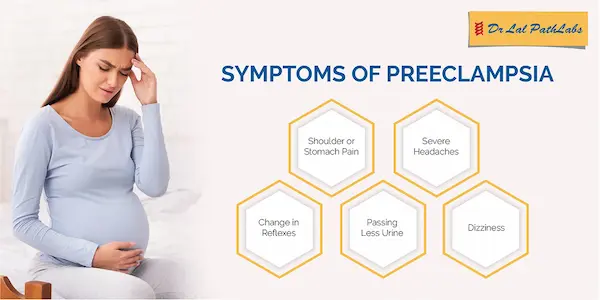
In short, preeclampsia is a pregnancy complication marked by high blood pressure together with signs that another organ system — most often the kidneys or liver — is under strain. It usually appears after 20 weeks and can affect even healthy pregnancies. Knowing the warning signs is what turns a vague “is this headache normal?” into recognizing when something needs urgent attention. This guide is a resource to support — never replace — the guidance of your care team.
What Preeclampsia Actually Is
Medically, preeclampsia is new high blood pressure after 20 weeks of pregnancy, along with protein in the urine or other signs of organ involvement. Underneath, it is thought to begin with problems in how the placenta’s blood vessels develop. When those vessels do not form or work properly, they can set off reduced blood flow, inflammation, and the raised blood pressure that defines the condition.
So it is not just a number on a cuff. That high pressure is a sign of a wider, whole-body problem that can affect your kidneys, liver, blood, and brain. Understanding that helps the specific warning signs below make sense.
Why Catching It Early Matters
Timely action is everything. Left untreated, preeclampsia can progress to eclampsia (seizures), a life-threatening emergency, or to HELLP syndrome — a severe form involving the breakdown of red blood cells, raised liver enzymes, and low platelets. Other risks to the mother include stroke, placental abruption (the placenta separating from the uterine wall), and organ damage.
For the baby, a struggling placenta may not deliver enough oxygen and nutrients, which can slow growth and sometimes means an early delivery is needed to protect the mother’s health. That dual impact is exactly why your awareness is such a useful protective tool.
The Warning Signs to Know
1. High blood pressure — the silent signal
A reading of 140/90 mm Hg or higher, on two occasions at least four hours apart, meets the threshold for high blood pressure in pregnancy; 160/110 or higher is considered the severe range and needs urgent care. A sharp rise from your own baseline matters too — if your usual reading is 100/60 and it jumps to 130/85, your provider will take note even though it is under 140/90. This is why regular checks, at appointments and sometimes at home, are so important.
2. Protein in the urine
Healthy kidneys keep useful proteins in your blood while filtering waste into urine. Preeclampsia can damage that filtering, letting protein leak through. It is often picked up by a simple dipstick test at your prenatal visit, with a urine protein-to-creatinine ratio or a 24-hour collection used for a precise measure. It is a clear lab sign that your kidneys are involved.
3. A severe, persistent headache
Headaches are common in pregnancy, so what makes one a red flag? A preeclampsia headache is often throbbing, debilitating, and unrelenting, and it does not ease with acetaminophen, rest, or fluids. It may feel like the worst headache you have ever had, and if you get migraines, this one will feel different and more intense. It is worth a call to your provider straight away — our guide to headaches in pregnancy covers how to tell ordinary headaches from the concerning kind.
4. Vision changes
Your eyes can give surprisingly clear warnings — seeing spots, flashing lights, or floaters; blurred vision or trouble focusing; brief loss of vision lasting seconds or minutes; or new sensitivity to light. These point to possible effects on the eyes’ blood vessels and are a feature of severe preeclampsia. Do not brush off “seeing stars” as just a pregnancy quirk.
5. Upper abdominal pain — not just heartburn
This one is often misread. The pain is usually under the ribs on the right side, where your liver sits, and can be sharp, stabbing, or a dull, persistent ache. It is easily mistaken for bad heartburn, gallbladder pain, or the baby kicking high. In preeclampsia, though, it can signal liver inflammation — and if the area feels tender when you press on it, that is an even stronger reason to seek care right away.
6. Sudden new nausea or vomiting
First-trimester morning sickness is expected. But nausea or vomiting that appears suddenly in the second or third trimester — especially alongside a headache or swelling — is a red flag. If you have been feeling fine and are suddenly hit with it, call rather than wait.
7. Sudden swelling of the face and hands
Some swelling in the feet and ankles is normal late in pregnancy. The concerning kind is different: it comes on abruptly, often over 24–48 hours; it involves the face (especially around the eyes) and hands (rings suddenly feel painfully tight); and it may be “pitting,” where a finger pressed into the swelling leaves a dent that lingers. This rapid swelling reflects fluid leaking from blood vessels into tissue. Our guide to swelling in late pregnancy explains what is normal and what is not.
8. Shortness of breath or chest pain
Feeling a little winded on the stairs is normal. But sudden, pronounced shortness of breath, a sense of gasping for air, or pain in the chest or shoulder can point to fluid in the lungs or strain on the heart. This is an emergency — go to the hospital immediately.
9. Rapid weight gain
A gain of more than 5 pounds in a single week is often a sign of rapid fluid retention rather than the baby or normal weight gain. It is frequently one of the earliest clues your care team spots, sometimes before you notice anything yourself.
The reality of “silent” preeclampsia
This is perhaps the biggest reason to keep every prenatal appointment. Sometimes preeclampsia has no noticeable symptoms at all — the raised blood pressure and protein are found only through routine checks. So if you feel fine, you are not “missing” anything; the condition can be stealthy, which makes consistent monitoring irreplaceable. Knowing what happens at each prenatal appointment shows why those routine checks matter so much.
Are You at Higher Risk?
Knowing your risk profile helps you and your doctor stay extra watchful. Risk factors include a first pregnancy; a previous history of preeclampsia; chronic conditions such as high blood pressure, kidney disease, or diabetes; carrying multiples; a BMI over 30; age over 35 or under 20; certain autoimmune conditions such as lupus; a family history of the condition; and pregnancies conceived through IVF. Having a risk factor does not mean you will get preeclampsia, and having none does not guarantee you won’t — it simply guides how closely you are watched. If several apply to you, our high-risk pregnancy guide may help.
What to Do If You Notice Symptoms
This is the most important part. If you notice any of these warning signs:
- Do not wait. Do not talk yourself out of it, and do not hold off for your next appointment.
- Call your provider right away and describe your symptoms clearly — for example, “I have a crushing headache that acetaminophen won’t touch,” or “I have sudden swelling in my face and hands and I’m seeing spots.”
- Follow their instructions. They may send you to the office, to labor and delivery triage, or straight to the hospital. For severe symptoms — chest pain, shortness of breath, or a severe unrelenting headache — go straight to the hospital; do not wait to call first.
Your job is to report; theirs is to diagnose and act. You are never a bother for speaking up about your health and your baby’s safety. Keep our list of third trimester warning signs handy for other symptoms worth acting on.
Diagnosis and Management
If preeclampsia is suspected, your provider confirms it by checking your blood pressure, testing your urine for protein, and running blood tests to assess liver and kidney function and platelet count. What happens next depends on how severe it is and how far along you are:
- Mild, near term (37+ weeks): delivery is often the best course.
- Mild, before term: you may be managed with close monitoring — frequent blood pressure checks, blood and urine tests, and fetal monitoring such as non-stress tests and a biophysical profile — to buy time for the baby to mature while keeping you safe.
- Severe preeclampsia: hospitalization is needed. You will likely receive intravenous magnesium sulfate to prevent seizures, along with medication to lower blood pressure. Delivery is ultimately the only cure, and its timing is a careful balance between your health and your baby’s.
Don’t Let Your Guard Down After Birth
Preeclampsia can also develop after delivery, usually within the first 48 hours but sometimes up to six weeks postpartum. The same warning signs apply — headache, vision changes, upper abdominal pain, swelling, and shortness of breath — so report them promptly even once you are home with your baby. Having had preeclampsia also raises your lifelong risk of heart disease and high blood pressure, which is worth keeping on your radar for the years ahead.
Frequently Asked Questions
There is no guaranteed prevention, but if you have high-risk factors such as a previous episode or chronic high blood pressure, your doctor may recommend low-dose aspirin (usually 81 mg), typically started between 12 and 28 weeks and ideally before 16 weeks. In communities where dietary calcium is low, adequate calcium intake may also help. Follow your provider’s personalized advice.
Gestational hypertension is high blood pressure that develops after 20 weeks without protein in the urine or other organ involvement. It is watched closely because it can progress to preeclampsia, but it is a separate diagnosis.
Having it once raises your risk but does not make it certain — the recurrence risk is often around 20%, higher or lower depending on how severe it was and other factors. A preconception visit with a maternal-fetal medicine specialist is a good idea.
The main risks to the baby relate to prematurity and slowed growth, which the neonatal team manages. Most babies born to mothers with preeclampsia do not have long-term health problems directly caused by the condition when they receive appropriate care.
No specific diet is proven to prevent preeclampsia. The measures with the best evidence are low-dose aspirin for those at high risk and adequate calcium where intake is low. Beyond that, keeping a healthy weight before pregnancy, attending all prenatal visits, and managing any chronic conditions all support your overall care.
The Bottom Line
Knowing these warning signs is not about walking through pregnancy in fear — it is about being able to act quickly if something changes. Track your symptoms, keep your appointments, and never hesitate to pick up the phone. Sharing this with your partner or support network gives you a second set of eyes. Prevention worth discussing with your provider includes low-dose aspirin if you are high-risk and adequate calcium if your intake runs low. Together with your care team, that awareness is one of the best protections you have.
References
- American College of Obstetricians and Gynecologists (ACOG). Preeclampsia and High Blood Pressure During Pregnancy.
- Mayo Clinic. Preeclampsia: Symptoms and causes.
- NHS. Pre-eclampsia.