For generations, the image of pregnancy was one of delicate rest — feet up, anything strenuous avoided. That outdated view has left behind a thicket of myths that can needlessly sideline expectant parents from the real benefits of movement. “Don’t lift your arms over your head!” “Keep your heart rate under 140!” still circulate, creating confusion and worry. The truth is that for most pregnancies, exercise isn’t just safe — it’s powerfully beneficial. This guide debunks the most persistent myths and replaces them with what the evidence actually says.
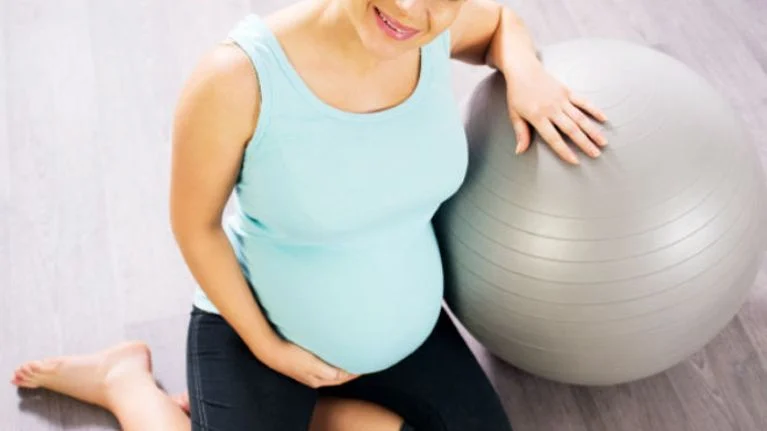
The Big Myth: “Exercise Is Dangerous for the Baby”
The overarching fear is that exertion will harm the baby — cause miscarriage, preterm labor, or injury. For healthy, low-risk pregnancies, the opposite is true: exercise is protective. ACOG recommends at least 150 minutes of moderate-intensity activity a week, because regular movement lowers the risk of gestational diabetes, preeclampsia, and excessive weight gain, builds stamina for labor and recovery, improves mood and sleep, and eases aches like back pain and swelling. Our full guide to staying active during pregnancy covers the how-to.
The one real caveat: this applies to low-risk pregnancies. Certain conditions (like placenta previa, cervical insufficiency, or severe hypertension) may require restrictions, so your personal green light must always come from your provider.
Debunking the Specific Myths
Myth 1: “Keep your heart rate under 140 bpm.”
This 1980s guideline was based on theory, not evidence, and ACOG dropped strict heart-rate limits decades ago. The modern standard is the talk test: if you can hold a conversation while exercising, your intensity is fine; if you’re too breathless to speak, ease off. It adjusts to your fitness level automatically.
Myth 2: “Avoid all core work.”
The kernel of truth: skip traditional crunches and sit-ups after the first trimester, since they can worsen diastasis recti (abdominal separation). But core strength matters more than ever — the key is training your core as a stabilizer, not a flexor. Focus on safe core exercises like pelvic tilts, bird-dogs, modified planks, and deep core breathing that engage your deep abdominal muscles and protect your back.
Myth 3: “Never lift anything or raise your arms overhead.”
The “arms overhead causes the cord to wrap around the baby’s neck” idea is simply false — that’s a random event stretching cannot cause. If you strength-trained before pregnancy, you can generally continue with modifications, focusing on good form, controlled movement, and not holding your breath while straining (the Valsalva maneuver). Lift, but don’t chase personal records, and shift to seated or supported positions as your bump grows.
Myth 4: “Running and high-impact exercise are off-limits.”
If you ran before pregnancy, you can often continue, adapting as you go. As relaxin loosens your ligaments, you may naturally shorten your stride, slow down, and eventually cross-train with swimming, the elliptical, or walking. Impact becomes a problem if it causes pelvic pain (symphysis pubis dysfunction) or round ligament pain — our guide on when to stop running helps you judge.
Myth 5: “Don’t start a new routine while pregnant.”
You shouldn’t take up marathon training or high-impact sports, but pregnancy is a great time to begin a gentle, low-impact habit. Walking, prenatal yoga, swimming, or stationary cycling are all encouraged for previously sedentary people — just start low, go slow, and build gradually with your provider’s okay.
Myth 6: “Exercise can cause miscarriage or preterm labor.”
This is the most fear-inducing myth, and in a healthy pregnancy it’s not true — moderate exercise doesn’t trigger miscarriage or preterm labor, and may actually lower the risk of preterm birth. The uterus is a strong muscle and your baby is well-cushioned. It does help to tell the normal tightening of Braxton Hicks (which eases with rest) from true preterm labor (regular, painful, intensifying contractions) — and when in doubt, call your provider.
The Real Rules Worth Following
With the myths cleared, here’s what genuinely matters:
- Avoid lying flat on your back for long after the first trimester, which can compress the vena cava — use inclined, side-lying, or all-fours positions.
- Skip high fall- or impact-risk activities (contact sports, horseback riding, downhill skiing) — the concern is a fall or abdominal trauma to you, not the impact reaching your well-protected baby.
- Stay cool and hydrated, avoiding overheating especially in the first trimester.
- Stop and call your provider for vaginal bleeding, dizziness or faintness, chest pain, headache, calf pain or swelling (a possible clot), or fluid leaking.
Building a Myth-Free Routine
The best exercise in pregnancy is the one you enjoy and will do consistently — walking, swimming, cycling, prenatal yoga, and Pilates are all excellent. Focus on function (strength for carrying your baby, lifting a car seat, and the endurance of labor) rather than appearance, and it can ease common aches like back pain. A maternity support belt can help with pelvic or back pressure, supportive shoes matter as your feet change, and a prenatal fitness specialist or physical therapist can tailor a program to your body.
Frequently Asked Questions
It’s more about discomfort and instability than direct danger. Relaxin loosens your ligaments, so high-impact jumping can aggravate pelvic girdle pain and raise sprain risk. Lower-impact swaps like marching in place are safer and more comfortable as pregnancy progresses.
Yes — it’s a first-line part of management. Activity helps your body use insulin more efficiently and lowers blood sugar, and a mix of walking and strength training is often recommended alongside your doctor’s plan. See our guide to gestational diabetes.
These are best avoided, especially in the first trimester, because raising your core temperature significantly (hot or Bikram yoga, saunas, hot tubs) can pose risks to fetal development. Choose yoga in a temperature-controlled room instead.
With good form, yes — deep squats can help open the pelvis for birth. But if you feel pain in your pubic bone (symphysis pubis pain), reduce your range of motion and avoid wide-stance moves that stress that joint. Let your pelvis guide you.
Often right up until delivery, as long as you’re comfortable and have no complications. Many people find gentle walking, swimming, and stretching in the final weeks help with discomfort and readiness. The finish line is individual — let your body and provider guide you.
The Bottom Line
The story around pregnancy and exercise has shifted from fear and restriction to strength and confidence. You’re not fragile — you’re a resilient, adaptive body growing a new life. Letting go of the old myths frees you to enjoy the real gifts of prenatal fitness: more energy, fewer aches, a calmer mind, and a stronger foundation for birth and recovery. Talk openly with your provider, use the talk test, honor your body’s signals, and move out of celebration for what your body can do.
This article is for general information and is not a substitute for personalized medical advice. Always exercise within your provider’s clearance.
References
- American College of Obstetricians and Gynecologists (ACOG). Exercise During Pregnancy.
- Centers for Disease Control and Prevention (CDC). Physical Activity for Pregnant or Postpartum People.
- Mayo Clinic. Pregnancy and exercise: Baby, let’s move!