If you’re expecting, one question seems to hover in the air at baby showers and prenatal appointments, debated in forums and parenting books: “What’s your birth plan?” And at the heart of that plan, for many, is one pivotal decision — to have an epidural or to pursue an unmedicated (“natural”) birth. It can feel heavy, layered with personal values, cultural messages, and unsolicited opinions. You might hear one narrative that frames a medicated birth as “failing to cope,” and another that dismisses unmedicated birth as a “pain contest.” This article aims to clear the fog — not to crown a winner, but to offer a clear, compassionate, evidence-based comparison so you can choose from a place of confidence, not fear or pressure. Because the right choice isn’t the one your friend made or a celebrity endorsed; it’s the one that’s right for you.
What We Really Mean by Each Term
First, a quick clarification, since these terms are often used in misleading ways:
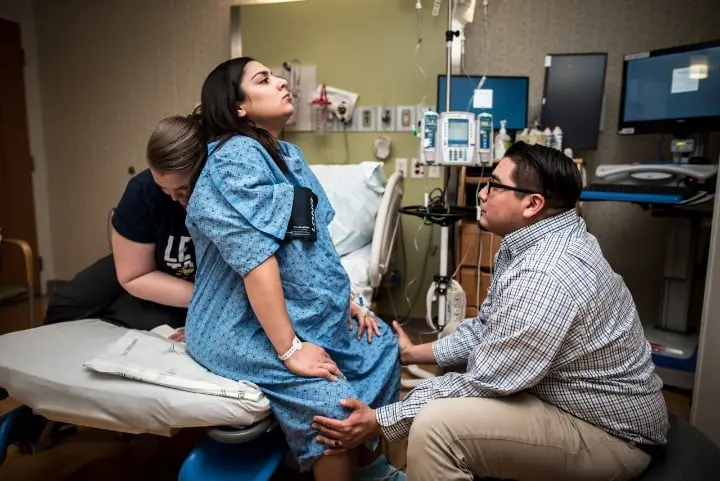
- Natural (unmedicated) birth usually means a vaginal birth without pharmacological pain relief such as an epidural, spinal block, or systemic opioids. It does not mean birth without medical care or monitoring — it leans on innate coping tools like movement, breath, water immersion, and continuous support.
- Epidural anesthesia is regional anesthesia delivered through a tiny catheter in the lower back that blocks pain signals from the birth canal. A “walking epidural” (a lighter dose) may allow some leg movement, while a standard epidural usually brings numbness from the waist down. It’s the most effective method of labor pain relief.
Both are valid approaches to the same shared goal — a healthy parent and baby. The path you take is a matter of personal philosophy and medical circumstance, not moral superiority.
The Unmedicated Path
Choosing an unmedicated birth is often about experiencing birth as a physiological, transformative event. Potential benefits many describe: a strong sense of agency and accomplishment from working with the body’s process; full mobility to walk, sway, squat, or use a birthing tub, which can help labor progress; immediate skin-to-skin and easier first latch without numbness; avoiding medication side effects (like a drop in blood pressure or fever); and a heightened, present awareness of each stage.
Realities to plan for: success is rarely accidental — it usually takes preparation through childbirth classes and coping techniques like hypnobirthing, Bradley, or Lamaze, plus a supportive team (doula, partner, midwife). The focus is managing pain — through breathwork, water, counter-pressure, and massage — rather than eliminating it, since the pain has a purpose that guides movement and signals progress. And flexibility matters: even with great preparation, exhaustion or complications may change the plan, and that shift deserves compassion, not a sense of failure.
The Epidural Path
Choosing an epidural often means prioritizing pain relief to reduce stress and conserve energy so you can be present for the birth. Potential benefits: profound pain relief that can be a tremendous help in a long or intense labor; reduced exhaustion and a lower stress response, letting you rest and save energy for pushing; a sense of control and calm during a medically induced labor (which can bring stronger contractions) or with high anxiety; and, when pain becomes all-consuming, the ability to be mentally and emotionally present to meet your baby.
Realities to weigh: it’s a medical procedure involving a needle and catheter placed by an anesthesiologist, with possible side effects like a drop in blood pressure (which can affect the baby’s heart rate and is closely monitored), temporary shivering, itching, or a headache, and occasionally patchy relief on one side. A standard epidural usually means limited mobility and continuous monitoring in bed, which can sometimes slow labor and lead to Pitocin. Reduced sensation can make pushing harder to time and may slightly raise the chance of a vacuum or forceps assisted delivery, though modern lower-dose epidurals have reduced this. The “cascade of interventions” (epidural → slower labor → Pitocin → distress → possible cesarean) is a debated concept: possible, but not inevitable, and a supportive team can help mitigate it.
Beyond the Binary
The choice is rarely a rigid vow — it’s a preference that lives inside the dynamic reality of your labor:
- Timing is flexible: you don’t have to decide at 20 weeks. You can prepare for an unmedicated birth but stay open to an epidural if you hit a wall, or plan for an epidural but find early labor manageable without one.
- The “walking epidural” (combined spinal-epidural): offers significant relief while often preserving some leg movement and pushing sensation — a middle path for some.
- Other options exist: nitrous oxide (“laughing gas”) or IV opioids can be bridges or alternatives to a full epidural.
- Setting matters: immediate epidural access is generally a hospital feature, while birth centers and home births are structured around unmedicated birth with transfer plans if needed. Our overview of pain management options in labor compares them all.
How to Make Your Decision
Instead of listening to the loudest voices, turn inward and talk these through with your partner and provider:
- What’s my primary motivation? Experiencing the full sensation, avoiding medication side effects, ensuring maximum relief, or having energy to be present?
- What’s my pain mindset? Do I see labor pain as a purposeful challenge to work through, or a sensation to relieve? There’s no right answer — only your honest one.
- How do I handle stress and the unknown? Would the “safety net” of an available epidural help me relax, or would I rather work without it?
- What’s my support system? Continuous, skilled support (doula, partner, midwife) is the single most effective factor for a positive unmedicated birth.
- What does my medical situation suggest? A complication like preeclampsia or a planned induction may make one path more advisable — part of choosing your delivery preferences. Recording your leanings in a flexible birth plan helps you communicate them.
One reassuring finding: research suggests what matters most for long-term satisfaction isn’t the amount of pain, but whether you felt informed, respected, and supported in your choices. Whichever path you take, that’s the throughline to a positive experience — informed consent, a care team whose philosophy aligns with yours, the ability to advocate for your preferences while staying flexible, and letting go of any “failure vs. victory” narrative. Birth isn’t a performance, and your worth as a parent isn’t defined by your pain-relief choices.
Frequently Asked Questions
Modern epidurals use medications considered very safe for the baby. A small amount of medication crosses the placenta, but significant negative effects are rare. The main fetal concern is a possible drop in the mother’s blood pressure, which is carefully monitored and treated.
It depends on your definition. If “natural” means a vaginal birth, then yes. If it means without any medical intervention, then no. Many people redefine it as “a birth where I made empowered choices,” which can absolutely include an epidural.
This is where preparation helps. A comprehensive childbirth class, a doula, and practiced techniques build your coping toolkit and confidence. And remember — you can always choose to get an epidural. It’s not a sign of weakness, just a tool available to you.
The link is complex. Older studies suggested a strong association, but more recent research accounting for factors like labor length and maternal age shows any increase is modest at most. Often, both the need for a C-section and the request for an epidural stem from a long or difficult labor rather than the epidural itself.
Yes — and many people do, in both directions. A birth plan is a statement of preferences, not a binding contract. Give yourself permission to adapt to how your actual labor unfolds.
The Bottom Line
The epidural-versus-unmedicated debate will likely continue, but for you — the person at the center of it — it doesn’t have to be a debate at all. It can be a thoughtful, personal exploration. Gather evidence, listen to a range of birth stories from both sides, take a class that covers all options, and have honest conversations with your provider. Then give yourself permission to choose what feels right for you, and the same permission to change your mind in the moment. Whether your story involves the quiet focus of working through each wave or the grateful relief of modern medicine, let its theme be your agency, your strength, and the moment you meet your child. That’s the only “right” choice.
This article is for general information and is not a substitute for personalized medical advice. Discuss pain-relief options and your medical circumstances with your own provider.
References
- American College of Obstetricians and Gynecologists (ACOG). Medications for Pain Relief During Labor and Delivery.
- NHS. Pain relief in labour.
- American Society of Anesthesiologists. Labor and delivery pain management.