You train for a marathon and rehearse for a performance — so it makes sense to prepare the part of your body most involved in a vaginal birth: the perineum. Perineal massage is a simple, evidence-backed, at-home practice that can lower your chance of a serious tear and help you feel less afraid of the intense stretching of crowning. This is a clear, judgment-free guide to what the research says, exactly how to do it, and the questions people are often too shy to ask.
What Perineal Massage Is (and Isn’t)
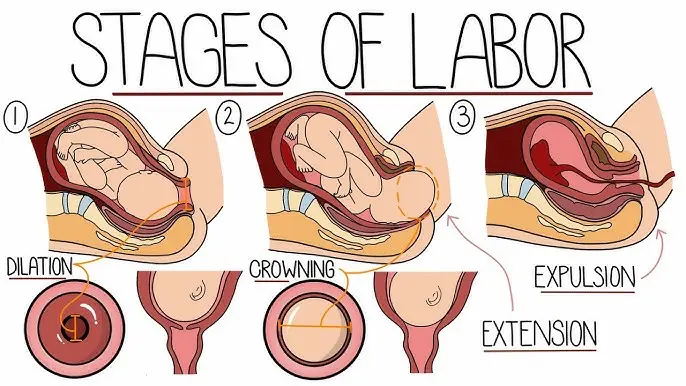
The perineum is the diamond-shaped area of tissue between your vaginal opening and your anus. During birth it stretches dramatically to let your baby emerge; for some that happens without issue, for others it means a tear or an episiotomy (a surgical cut). Perineal massage is the gentle, manual stretching of these tissues in the weeks before birth. The goal isn’t to “toughen” the skin — it’s to increase elasticity so the tissue expands more readily, desensitize the area so the crowning sensation is familiar rather than frightening (fear and tensing contribute to tearing), and improve blood flow to support tissue health.
The most-cited evidence, a Cochrane Review, concludes that perineal massage in the weeks before birth reduces the likelihood of perineal trauma requiring stitches, and is especially beneficial for first-time mothers. It found no clear benefit for those who’d previously given birth vaginally — making it a low-risk, worthwhile tool mainly for a first vaginal birth.
The Benefits
- Fewer severe tears. The biggest reduction is in third- and fourth-degree tears (those reaching the anal sphincter) — a real win for long-term pelvic-floor health.
- Lower episiotomy rates. More flexible tissue means less perceived need for a surgical cut.
- Body awareness and confidence. Getting familiar with the stretching sensation ahead of time can reduce fear during the second stage, so you can breathe open instead of clenching.
- Possibly faster healing, since well-circulated, elastic tissue tends to recover more efficiently — and it can be a way for a partner to be helpfully involved.
How to Do It: A Step-by-Step Guide
Start around week 34, for about 3–5 minutes, 3–4 times a week. You’ll need clean hands with short nails, a pure natural oil (organic vitamin E, sweet almond, coconut, or plain olive oil — avoid perfumed products), and a private, comfortable spot.
- Get into position. Sit propped against pillows, or stand with one foot raised on the tub or toilet — whatever gives you comfortable access.
- Apply oil generously, warming it between your fingers.
- Place your thumbs (or index fingers) about 1–1.5 inches inside the vagina, facing down toward the anus, pads pressing on the back wall.
- Press gently down and outward in a U-shaped motion. You should feel a distinct stretching or tingling — noticeable, but not sharp pain. If it hurts, ease off.
- Hold the gentle stretch at the peak of the “U” for about 60 seconds, breathing deeply, then slowly release.
- Massage along the lower half of the vaginal opening (roughly 3 o’clock to 9 o’clock), gently drawing the tissue outward.
- Focus on relaxation. As you exhale, consciously soften your jaw, shoulders, and pelvic floor — the same breathing you’ll use in labor.
If a partner assists, they use their index fingers (very short, clean nails) with the same U-motion — and you guide them on pressure. Communication is everything.
Beyond the Massage
Massage is one piece of preparing your perineum. It pairs well with good hydration and a nutrient-rich diet (vitamins C and E, zinc, protein) for tissue elasticity; prenatal pelvic floor physiotherapy, which teaches you to relax and lengthen those muscles (as important as strengthening); and, in labor itself, upright or side-lying pushing positions rather than flat on your back. One more strongly evidence-backed measure: ask your midwife about warm compresses on the perineum during crowning, which reduce severe tears. Our guides to labor positions and perineal recovery afterward round out the picture.
Preparation, Not Perfection
Frame this correctly: the aim isn’t a “perfect,” tear-free birth — it’s to reduce trauma, aid recovery, and walk in feeling prepared rather than fearful. Many things influence tearing that you can’t control (your baby’s size and position, how fast you deliver, your birth team). If you do tear or need an episiotomy, that’s not a failure of your preparation — modern repair is excellent and your body heals remarkably well. Perineal massage is simply one concrete, evidence-based thing you can do, and it’s entirely optional. Note your preferences (like warm compresses) in your birth plan, and do what feels right for you.
Frequently Asked Questions
You’ll feel a distinct stretching, burning, or tingling — that’s the point, since it mimics the sensation of crowning. It should be intense but manageable. Sharp pain means you’re using too much pressure, so ease off and breathe into the stretch.
Not at all. It’s an option, never an obligation, and your worth as a parent has nothing to do with it. If it causes you real stress, skip it — you can prepare in other ways, like optimal pushing positions and warm compresses during birth.
Even starting at 37 or 38 weeks can offer some benefit. Consistency matters more than an early start, so a few sessions are still worthwhile.
Yes — it’s not a guarantee. Your baby’s size and position, the speed of delivery, your pushing technique, and your birth team all matter. Think of massage as one factor you can control to stack the odds in your favor.
Yes. Don’t do perineal massage if you have a vaginal infection (such as herpes or a yeast infection), placenta previa, or a high risk of preterm labor. Always check with your midwife or OB before starting to make sure it’s safe for your pregnancy.
Begin around 34 weeks and aim for about 3–5 minutes, 3–4 times a week, using clean hands and a natural oil. Regular, gentle practice is more useful than occasional intense sessions.
The Bottom Line
In a pregnancy full of things outside your control, perineal massage is a concrete, evidence-based step you can take — most helpful for first-time vaginal births — that connects you to your body in a calm, proactive way. Make it a small ritual with a favorite oil and some quiet, or skip it entirely if it’s not for you; either is fine. Whatever you choose, check with your provider first and walk into your birth trusting your body’s capable design.
This article is for general information and is not a substitute for personalized medical advice from your healthcare provider.
References
- Cochrane Database of Systematic Reviews. Antenatal perineal massage for reducing perineal trauma.
- American College of Obstetricians and Gynecologists. Prevention and Management of Obstetric Lacerations at Vaginal Delivery.
- NHS. Labour and Birth.