You have made it to the second trimester — the fog of morning sickness is often lifting, your energy is returning, and you may be feeling those first flutters of movement. It is also a key window for nourishment: your baby is in a major growth spurt, with organs maturing, bones hardening, and the brain developing fast. This guide moves past scary “don’t” lists to the clear why behind the food-safety rules, translates the medical guidance into practical kitchen advice, and celebrates the abundance of foods you can absolutely enjoy.
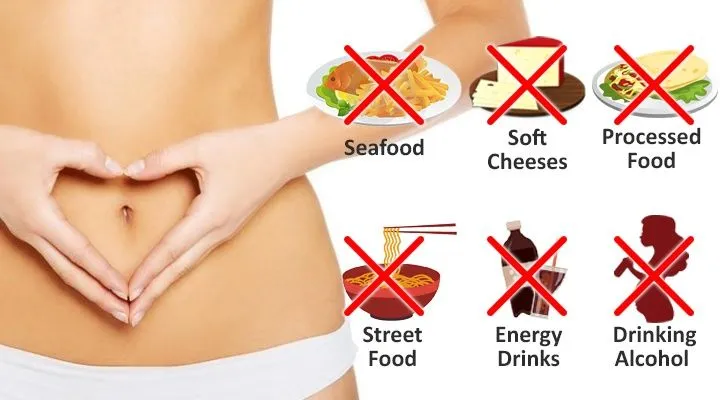
The rules are not there to punish you — they are evidence-based choices to protect your health and give your baby the best environment to grow. Our guide to which foods are actually safe in pregnancy is a good companion to this one.
Why the Rules Still Matter Now
Understanding the “why” makes the “what” much easier to follow. A few things are unique about your body in the second trimester:
- A modulated immune system: to keep your body from rejecting the pregnancy, your immune response is dialed down — still capable, but less vigilant against foodborne pathogens like Listeria that a non-pregnant person might shrug off.
- Rapid brain development: this is a peak period for your baby’s brain and nervous system, so toxins like mercury that interfere with that process matter more than ever.
- Rising blood volume: your blood volume climbs by up to 50%, demanding lots of iron and other nutrients to build red blood cells and prevent anemia.
- New physical discomforts: hormones relax the digestive tract and your growing uterus crowds your stomach, so your food choices can either soothe or aggravate heartburn and constipation.
Foods to Limit or Avoid — and Why
Listeria and toxoplasma risks
These pathogens are a concern because they can cross the placenta and cause serious infection, potentially leading to miscarriage, stillbirth, or preterm labor.
- Unpasteurized dairy and certain soft cheeses: Listeria can grow even at refrigerator temperatures. Avoid soft cheeses made from unpasteurized (raw) milk — some Brie, Camembert, feta, queso blanco, queso fresco, and blue-veined cheeses. The key word is pasteurized: any cheese labeled “made with pasteurized milk” is fine, as are cream cheese, cottage cheese, mozzarella, and most cheddar and parmesan. Craving brie? Bake it until bubbling hot throughout.
- Deli and ready-to-eat meats: cold cuts (ham, turkey, salami), hot dogs, and store-cooler rotisserie chicken can carry Listeria. The rule: heat until steaming hot (165°F), which kills the bacteria. So yes, deli meat is fine if you heat it thoroughly — think a toasted panini or hot sliced meat in a pasta dish.
- Raw sprouts and unwashed produce: sprouts (alfalfa, clover, radish, mung bean) can harbor E. coli and Salmonella, and unwashed produce can carry toxoplasma from soil. Cook sprouts thoroughly, and wash all fruits and vegetables under running water — even ones you will peel, like melon and oranges.
Mercury and alcohol
- High-mercury fish: methylmercury is a neurotoxin, and this is a peak period for brain development. Avoid the big, long-lived predators — shark, swordfish, king mackerel, tilefish, and bigeye (“ahi”) tuna. This is not an anti-fish message, though: low-mercury fish are excellent sources of brain-building omega-3 DHA. Enjoy 2–3 servings a week of salmon, shrimp, pollock, cod, canned light tuna (limit albacore/”white” tuna to 6 oz a week), catfish, and sardines.
- Alcohol: there is no known safe amount, type, or time to drink in pregnancy, because of the risk of fetal alcohol spectrum disorders. Reach for mocktails instead — sparkling water with a splash of 100% juice and mint, or a caffeine-free herbal iced tea.
Raw and undercooked animal products
Raw or undercooked eggs, meat, poultry, and seafood can carry Salmonella, E. coli, and parasites. Avoid runny or sunny-side-up eggs, rare or medium-rare meat, and raw seafood like oysters, ceviche, and raw sushi. Instead, cook eggs until firm and cook meats to safe internal temperatures — 165°F for poultry, 160°F for ground meat, 145°F for steaks and roasts with a rest. Sushi lovers can enjoy rolls made with fully cooked fish (eel, cooked shrimp), vegetables, or avocado.
Caffeine and herbal inputs
- Caffeine: the widely accepted limit is under 200 mg a day — roughly one 12-oz brewed coffee. Watch other sources too (black tea ~50 mg, green tea ~30 mg, cola ~40 mg, and dark chocolate). You do not need to cut it out; just measure and space it. Our guide on hydration can help you round out your fluids.
- Certain herbal teas: many herbs are pharmacologically active and unproven in pregnancy. Skip pennyroyal, tansy, black cohosh, blue cohosh, dong quai, and “detox” or “slimming” teas. Generally considered safe in moderation are ginger (great for nausea), peppermint, and rooibos — but when in doubt, check with your provider.
The “Yes, Please” List: Powerhouse Foods
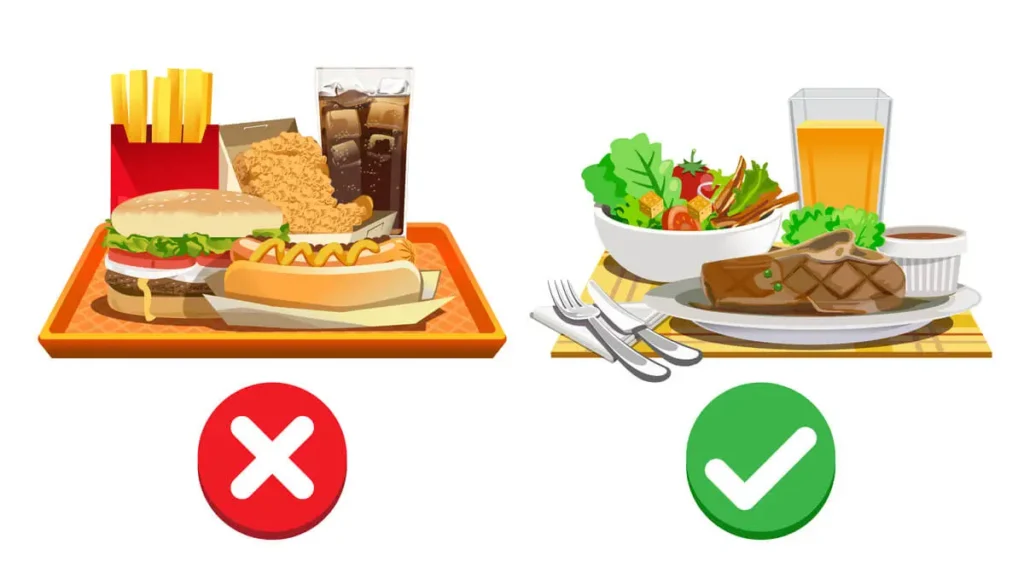
Now the best part — the foods that actively build health for you and your baby. Prioritize these:
- Iron for blood building: lean red meat, cooked spinach, lentils, chickpeas, and fortified cereals — paired with vitamin C (bell peppers, citrus) to boost absorption. More in our guide to iron-rich foods.
- Calcium and vitamin D for bones: pasteurized dairy, fortified plant milks, leafy greens, and canned salmon with bones — see our guide to calcium needs.
- Omega-3 DHA for brain and eyes: low-mercury fatty fish, chia and flax seeds, walnuts, and DHA-fortified eggs. If you eat little fish, ask about the DHA in your prenatal vitamin.
- Fiber for digestion: oats, pears, apples, beans, avocados, and whole grains to keep things moving and steady your blood sugar — which also helps with heartburn and constipation.
- Protein for growth: Greek yogurt, eggs, chicken, tofu, and legumes. Our guide to high-protein foods has more.
To pull it all together into daily meals, see our pregnancy meal plan and the wider list of best foods for a healthy pregnancy.
Real-Life Eating: Cravings, Dining Out, and Social Events
Everyday situations are easier with a plan. For cravings, find the safe version — heat the deli meat, choose a pasteurized or baked soft cheese, or order a veggie or cooked-shrimp sushi roll. When dining out, do not be shy about asking: “Is this made with pasteurized milk?” or “Can you cook my burger well-done?” — reputable places will understand. And for the well-meaning food pusher, keep a polite, firm line ready: “I’m really enjoying my mocktail and sticking to my doctor’s advice — thank you, though.”
Frequently Asked Questions
Try not to panic — the risk from a single exposure is statistically very low. Watch yourself for signs of illness like fever or flu-like or gastrointestinal symptoms, and contact your provider if you have concerns. Avoid it going forward, but do not spend the rest of your pregnancy in fear over one slip.
No specific fruit or vegetable is off-limits if properly washed. Do avoid unpasteurized juices and cider. Large amounts of unripe (green) papaya are sometimes cautioned against because of its latex content, but ripe papaya in moderation is generally fine.
Major health organizations — ACOG, CDC, and the NHS — all state there is no known safe amount of alcohol during pregnancy. The most cautious and recommended approach is to avoid it entirely.
Yes, if you tolerate it — it does not harm the baby. It can worsen heartburn, though, so listen to your body.
Break the craving down to what you actually want — the salt, the creaminess, the crunch — and find a safe food that matches. Craving ice cream? Have pasteurized frozen yogurt. Want salty and crunchy? Try salted nuts or whole-grain crackers.
The Bottom Line
Navigating second-trimester foods is about making informed choices from a place of confidence, not fear. This temporary phase of more careful eating is one of the most direct, daily ways you shape your baby’s health. It is less a long list of “no’s” and more a powerful “yes” — to good nutrition, healthy development, and the real abundance of foods you can safely enjoy. So savor that well-cooked salmon, relish your steaming panini, and dig into the rainbow of washed fruits and vegetables on your plate. You are not missing out; you are building up.
References
- U.S. FDA and EPA. Advice About Eating Fish.
- FoodSafety.gov. Food Safety for Pregnant Women.
- American College of Obstetricians and Gynecologists (ACOG). Nutrition During Pregnancy.