The first trimester was a silent, foundational miracle—a whirlwind of cellular division and blueprint drawing. But now, as you step into the second trimester, the narrative shifts. This is no longer just about building structures; it’s about bringing them to life. This is the season of animation, of refinement, of personality flickering to life in the watery dark. Your baby is transitioning from an embryo to a fetus, a word rooted in the Latin for “offspring” or “young one,” and the coming weeks will show you precisely why.
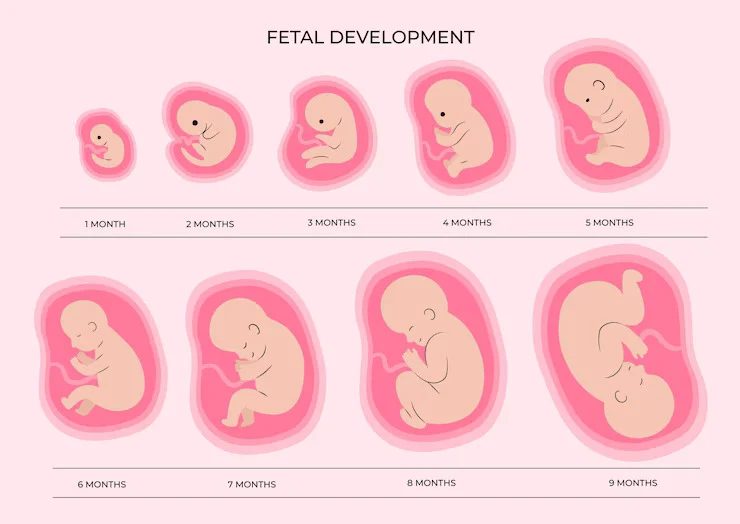
Welcome to the most detailed tour you’ll ever take—a journey through the hidden, bustling construction site that is your womb. This guide to your baby growth week by week isn’t just a list of measurements. It’s a story. A story of kidneys learning their first job, of ears tuning into the symphony of your body, of tiny fists learning to clench and legs finding their kick. We’ll move from the size of a lime to an eggplant, but more importantly, from a mostly silent tenant to an active, responsive little being. Prepare to be awestruck.
The Second Trimester: A Season of Refinement and Motion
Think of the first trimester as architecting a house. The second trimester is wiring it for electricity, plumbing it for water, painting the rooms, and, most thrillingly, turning on the lights. The major organs are all present, but now they mature and begin to function. The skeleton transforms from soft cartilage to hardening bone. The nervous system makes staggering connections. And movement—glorious, unmistakable movement—begins. This is when you transition from knowing you are pregnant to feeling it, in the most magical way possible. It’s the grand period of “becoming.”
The Weekly Chronicle: Your Baby’s Journey, Week by Week
Week 13: The Graceful Turn
- This Week’s Marvel: The neck is lengthening, lifting the head away from the chest in a graceful, more human-like pose. The intestines, which have been developing in the umbilical cord, make their grand migration into the baby’s abdomen.
- By the Numbers: About the size of a lemon or a peach pit. Roughly 3 inches (7.5 cm) crown-to-rump, weighing nearly an ounce (28 grams).
- Sensory World: The eyes are slowly moving from the sides of the head toward the front. Eyelids are fused shut, protecting the delicate optics developing beneath.
- A Glimpse on Ultrasound: You’ll see a clearly human profile. The baby may be caught in a dramatic stretch or yawn.
- Your Body’s Clue: The notorious first-trimester fatigue often begins to lift here. You’re stepping into the “honeymoon” phase.
Week 14: The First Flutters (Maybe)
- This Week’s Marvel: Baby’s facial features development in womb hits high gear. The cheeks are filling out, and the bridge of the nose is becoming defined. Lanugo—a fine, downy hair that helps regulate temperature—starts to coat the skin.
- By the Numbers: The size of a nectarine, about 3.5 inches (9 cm) long.
- Sensory World: The taste buds are forming on the tiny tongue. The kidneys are now fully functional and start producing urine, which is released into the amniotic fluid (a perfectly sterile, natural cycle).
- A Glimpse on Ultrasound: You might see the baby bringing its hands to its face, an early self-soothing behavior.
- Your Body’s Clue: Some people, especially those who have been pregnant before, might feel the first faint, fluttering sensations of movement—”quickening.” It often feels like gas bubbles or a gentle swish.
Week 15: The Gender Reveal & Practice Breathing
- This Week’s Marvel: For those wondering about fetal development week 15 what happens, a big one is skeletal development. Bones are ossifying (hardening), and if you’re having an ultrasound, external genitalia may now be visible enough to potentially guess the baby’s sex. The baby also begins primitive practice breathing motions, moving amniotic fluid in and out of the lungs.
- By the Numbers: As long as an apple, about 4 inches (10 cm). Weight is now around 2.5 ounces (70 grams).
- Sensory World: The ears are continuing to migrate to their final position on the sides of the head.
- Your Body’s Clue: You might notice a noticeable “bump.” Your appetite likely returns with vigor as nausea fades.
Week 16: The Listening Begins
- This Week’s Marvel: This is a landmark for hearing. The tiny bones in the middle ear are now in place, and the neural connections for sound are forming. When can baby hear in the womb second trimester? The capacity is starting now! They can hear the steady drum of your heartbeat, the gurgle of your digestion, and the sound of your voice.
- By the Numbers: The length of an avocado, about 4.5 inches (11.5 cm), weighing 3.5 ounces (100 grams).
- Sensory World: The eyes are making small, side-to-side movements behind closed lids, though there’s nothing to see yet.
- A Glimpse on Ultrasound: You might catch the baby sucking its thumb—a skill it’s now mastering.
- Your Body’s Clue: Those fluttery feelings become a bit more distinct. You may also feel round ligament pain as your uterus expands.

Week 17: Fat Accumulation & Stronger Movements
- This Week’s Marvel: Brown fat, a special type of heat-generating fat, begins to deposit under the skin. This is essential for temperature regulation after birth. The movements grow stronger and more coordinated.
- By the Numbers: The size of a pear, about 5 inches (13 cm) long, weighing 5 ounces (140 grams).
- Sensory World: The hearing improves further. Talking, reading, or singing to your baby now means they are truly listening to the muffled, melodic version of your voice.
- Your Body’s Clue: For most first-time parents, baby’s first movements quickening feel like distinct taps or pops by this week or the next. It’s unmistakable and magical.
Week 18: The Yawn & The Stretch
- This Week’s Marvel: The nervous system is maturing rapidly. You might see your baby yawning, hiccupping, sucking, and swallowing on an ultrasound. These are all rehearsals for life outside the womb.
- By the Numbers: As long as a bell pepper, about 5.5 inches (14 cm), weighing 7 ounces (200 grams).
- Sensory World: The retinas are becoming light-sensitive. If you shone a very bright light on your belly, the baby might turn away.
- A Glimpse on Ultrasound: The anatomy scan (often between 18-22 weeks) can show incredible detail: all four chambers of the heart, the brain’s structures, and the graceful curve of the spine.
- Your Body’s Clue: The top of your uterus (the fundus) is now around your navel. Movements become a daily occurrence.
Week 19: The Protective Coating
- This Week’s Marvel: A waxy, white substance called vernix caseosa coats the skin. This “cheesy varnish” protects the delicate skin from the amniotic fluid and will help with the journey down the birth canal.
- By the Numbers: The size of a heirloom tomato, about 6 inches (15 cm), weighing 8.5 ounces (240 grams).
- Sensory World: The brain is designating specialized areas for smell, taste, hearing, vision, and touch.
- Your Body’s Clue: You may start to feel off-balance as your center of gravity shifts. A supportive belly band can help.
Week 20: The Halfway Mark Milestone
- This Week’s Marvel: You’re halfway! The baby is now proportioned like a newborn, just in miniature. Hair and fingernails are growing. For baby’s growth week by week, this is a major visual milestone.
- By the Numbers: The length of a banana (crown-to-rump), about 6.5 inches (16.5 cm). Fetal weight gain week by week really kicks in now; weight is around 10.5 ounces (300 grams).
- Sensory World: The baby is now more responsive to external stimuli. A loud noise might prompt a jump.
- Your Body’s Clue: Your partner might be able to feel a kick from the outside by pressing a hand on your belly during an active period.
Week 21: The Taste of Tomorrow
- This Week’s Marvel: The baby is swallowing several ounces of amniotic fluid each day, which introduces them to the flavors of your diet. What you eat subtly flavors the fluid, providing the very first “taste” experiences.
- By the Numbers: The length of a carrot, about 10.5 inches (26.5 cm) from head to heel, weighing 12.5 ounces (360 grams).
- Sensory World: The sense of touch is developing. The baby may explore its own face or the umbilical cord.
- Your Body’s Clue: You might experience Braxton Hicks contractions—irregular, painless tightenings of the uterus that are like practice drills.
Week 22: The Wake/Sleep Cycle
- This Week’s Marvel: The baby establishes more distinct sleep and wake cycles, which you’ll start to recognize through patterns of movement and quiet. Eyebrows and eyelashes are now present.
- By the Numbers: The size of a spaghetti squash, about 11 inches (28 cm) head-to-heel, weighing about 1 pound (430 grams).
- Sensory World: Hearing is fully functional. The baby knows your voice, your partner’s voice, and even the theme song to your favorite show.
- A Glimpse on Ultrasound: Detailed scans can show the tiny, perfect ridges forming on the fingertips—the beginnings of fingerprints.
- Your Body’s Clue: Your growing uterus may press on nerves, causing occasional sciatica or tingling in your legs.
Week 23: The Sound of Your Heart
- This Week’s Marvel: Lung development in second trimester takes a crucial step. The cells that produce surfactant—a substance that will keep the air sacs in the lungs from sticking together after birth—begin to activate.
- By the Numbers: As long as a large mango, about 11.5 inches (29 cm), weighing 1.25 pounds (550 grams).
- Sensory World: The baby is so accustomed to the sound of your heartbeat and your voice that these sounds will be profoundly soothing after birth.
- Your Body’s Clue: Backache is common. A supportive pillow for sleep and good posture are essential.
Week 24: Viability & Responsiveness
- This Week’s Marvel: This is a major medical milestone: viability. With intense medical care, a baby born at 24 weeks has a chance of survival outside the womb, thanks largely to advancing lung development.
- By the Numbers: The length of an ear of corn, about 12 inches (30 cm), weighing about 1.3 pounds (600 grams).
- Sensory World: The baby is highly responsive. You may notice it jumps at a sudden sound or settles when you speak calmly.
- Your Body’s Clue: You may start to notice linea nigra, a dark line running down your belly, due to hormonal changes.
Week 25: The Grasp & The Wrinkle
- This Week’s Marvel: The hands are now fully developed, complete with a firm grasp reflex. The skin is becoming less translucent and is starting to smooth out as fat deposits plump it up.
- By the Numbers: The size of a rutabaga, about 13.5 inches (34.5 cm) long, weighing 1.5 pounds (660 grams).
- Sensory World: The balance-sensing apparatus in the inner ear is now complete. The baby knows if it’s upside down or right-side up.
- Your Body’s Clue: As the baby grows, you might feel pressure on your ribs or diaphragm, making deep breaths a little harder.
Week 26: The Eyes Open
- This Week’s Marvel: The eyelids, fused shut since week 10, begin to unseal. Your baby may start to open its eyes and blink in the dim, watery light of the womb. It’s the final sensory gateway to open.
- By the Numbers: The length of a scallion bunch or a small eggplant, about 14 inches (35.5 cm), weighing nearly 2 pounds (900 grams).
- Sensory World: With sight now coming online (though vision is very blurry), all major senses are present and accounted for.
- Your Body’s Clue: The baby’s first movements are now unmistakable kicks, rolls, and stretches that can sometimes be seen from the outside, rippling across your belly.
The Sum of the Parts: What Has Been Built by Week 26?
Look at the journey. In just fourteen weeks, your baby has transformed from a delicate, translucent form the size of a lime into a robust, responsive little human the size of an eggplant. Every essential system is not only present but actively practicing for its future role: breathing, swallowing, hearing, tasting, touching, and soon, seeing. The brain has wired itself for sensation and response. The heart has beat millions of times. This is nothing short of a biological masterpiece, and you have been the sole architect, builder, and life-support system.
FAQ: Your Questions on Second Trimester Growth, Answered
Q: Are the fruit and vegetable size comparisons accurate?
A: They are helpful, popular analogies, but remember: every baby grows at its own unique pace. These comparisons offer a relatable visual, but your healthcare provider’s measurements are the true guide.
Q: What does it mean if my baby is measuring ahead or behind?
A: Small variations are perfectly normal and often related to genetics or your own stature. Your provider monitors trends, not single measurements. Significant deviations may prompt additional monitoring to ensure baby is growing appropriately, but it’s often not a cause for alarm.
Q: Is it normal not to feel movement at 18 or 20 weeks?
A: Absolutely, especially for first-time pregnancies or if your placenta is positioned at the front of the uterus (anterior placenta), which can cushion the sensations. Most people feel regular movement by 24 weeks.
Q: Can my baby really get hiccups?
A: Yes! You’ll feel them as gentle, rhythmic taps or pops in one spot, occurring like clockwork for a few minutes. It’s caused by the diaphragm practicing its movements and is a very healthy sign.
Q: How does the baby breathe in there?
A: The baby’s lungs are filled with amniotic fluid, not air. They “practice breathe” by moving this fluid in and out, which helps develop the diaphragm and lung muscles. Oxygen is delivered directly through the placenta via the umbilical cord.
Conclusion: The Intimate Partnership of Growth
This baby growth week by week narrative is more than a biological timeline; it’s the story of your intimate partnership. Every nutrient you absorb, every glass of water you drink, every moment of rest you take is directly fueling this astonishing metamorphosis. You are not a passive vessel, but an active, powerful creator. As you feel those rolls and kicks, remember: you are feeling the proof of your own strength, channeled into the creation of new life. Carry that awe with you. You are building a world, one miraculous week at a time.