The postpartum period, often called the fourth trimester, is a beautiful but intense whirlwind of sleepless nights, endless diaper changes, and the physical work of recovering from childbirth. For breastfeeding mothers, it also means producing nutrient-dense milk for a growing baby. When a full, balanced meal feels impossible, the humble smoothie shines, which is why smoothies for new moms are one of the easiest ways to eat well in survival mode.
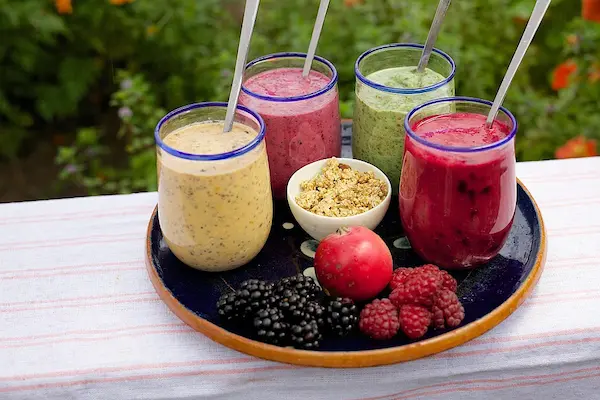
A smoothie is far more than a quick snack. Built well, a single glass can deliver protein for tissue repair, healthy fats for hormones and your baby’s brain, fiber for digestion, and the hydration milk production depends on, and you can drink it one-handed while nursing. The American College of Obstetricians and Gynecologists (ACOG) notes that your nutritional needs stay high after delivery to support healing, and smoothies pair naturally with the whole-food approach in our guide to nutrition for breastfeeding moms.
Why Smoothies Suit the Fourth Trimester
A few things make smoothies a near-perfect fit for the postnatal weeks. They give a hydration boost, which matters because breast milk is roughly 87% water and the Centers for Disease Control and Prevention (CDC) stresses increased fluids for nursing mothers; a base of milk, coconut water, or yogurt makes hitting that goal easy. Blending is also gentle on digestion, breaking down cell walls so your body absorbs nutrients with less of the bloating raw fiber can cause. You get concentrated nutrition too, since a 16-ounce glass holds far more than you might chew through when exhausted. And balanced with protein, fat, and fiber, a smoothie releases energy slowly, sparing you the crash of sugary bars.
The Postnatal Smoothie Formula
To truly support healing and lactation, a smoothie needs more than fruit and ice. This five-part blueprint, grounded in guidance from the Mayo Clinic and Johns Hopkins Medicine, keeps every blend balanced.
- Liquid base (hydration): 1 to 1.5 cups of whole milk, fortified almond or oat milk (calcium and vitamin D), coconut water (electrolytes), or kefir (probiotics).
- Leafy greens (micronutrients): a handful of baby spinach for the mildest flavor, or kale for more iron, adding folate and vitamin K.
- Fruit (carbs and flavor): lower-sugar berries for antioxidants, or banana for creaminess and potassium.
- Protein and healthy fats (satiety and milk quality): Greek yogurt, nut butters, chia seeds, flax meal, or hemp hearts.
- Lactation boosters: rolled oats, brewer’s yeast, and ground flaxseed, all nutrient-dense and safe to include.
If you want the science behind those boosters, our roundup of superfoods to boost milk supply explains why oats, flax, and greens earn their spot.
5 Targeted Smoothie Recipes for New Moms
1. The Lactation Support Booster
Best for: the first few weeks, when you are establishing a robust supply. This blend is packed with classic galactagogues and healthy fats to support your body’s shift from colostrum to mature milk.
- 1 cup unsweetened oat milk (or whole milk)
- 1/4 cup rolled oats (dry)
- 1 tbsp almond butter
- 1 tbsp flaxseed meal
- 1 small frozen banana
- 1 tsp maple syrup (optional) and a pinch of cinnamon
Why it works: oats are a traditional lactation favorite and flaxseed adds plant-based omega-3s. The American Academy of Pediatrics (AAP) emphasizes DHA and other fatty acids for a baby’s brain development, which these healthy fats support.
2. The Recovery Smoothie (Tissue Repair & Iron)
Best for: recovering from a C-section or significant tearing. Healing from surgery calls for extra protein and iron to rebuild tissue and replace lost blood; our C-section recovery timeline covers the bigger picture.
- 1 cup tart cherry juice (antioxidants and natural melatonin)
- 1 scoop unflavored or vanilla collagen peptides (or quality protein powder)
- 1 cup fresh spinach
- 1/2 cup cooked, cooled beet (iron and nitrates)
- 1/2 cup frozen pineapple (vitamin C to boost iron absorption)
Why it works: collagen supplies amino acids for skin and connective-tissue repair, while beets add iron and folate to help counter postpartum anemia, which the World Health Organization (WHO) notes is common after birth.
3. The Morning Energy Smoothie
Best for: fighting the deep fatigue of sleep deprivation. It aims for steady energy without a sugar crash, and pairs well with the practical tips in our guide to coping with sleep deprivation.
- 1 cup plain Greek yogurt
- 1/2 cup water and 1 small cored apple
- 2 tbsp hemp hearts (complete protein, rich in magnesium)
- 1 tbsp blackstrap molasses (iron and calcium)
- 1/2 tsp cinnamon
Why it works: Greek yogurt keeps you full, blackstrap molasses is a mineral powerhouse, and hemp hearts add magnesium to support muscle relaxation and better rest during short sleep windows.
4. The “Baby Brain” DHA Booster
Best for: supporting your baby’s brain and eye development through your milk. If you are not eating fatty fish a few times a week, this bridges the gap.
- 1 cup whole milk or fortified soy milk
- 1/4 cup walnuts (a top plant source of omega-3s)
- 1 cup frozen mixed berries
- 1 tbsp chia seeds and a handful of spinach
Why it works: the AAP recommends nursing mothers get enough DHA. Walnuts and chia provide ALA, which the body can convert into DHA; a supplement can help too, as our postpartum vitamins guide explains.
5. The Digestive Aid Smoothie
Best for: postpartum constipation, common with iron supplements or pain medication.
- 1 cup kefir or plain yogurt (probiotics)
- 1 cored pear (high fiber, natural laxative)
- 1 tbsp ground flaxseed (soluble fiber)
- 1/2 cup frozen papaya or mango (digestive enzymes)
- A 1-inch piece of peeled ginger
Why it works: it combines probiotics, soluble fiber, and natural enzymes to get things moving comfortably again.
Prep Tips for Busy Moms
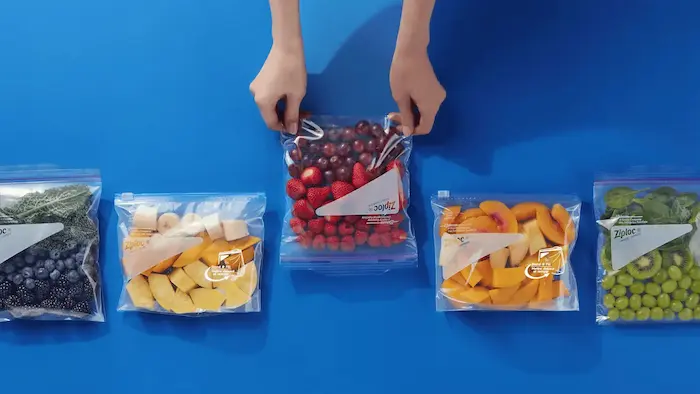
The hardest part of eating well as a new mom is the prep, so make it effortless with freezer smoothie packs. Set aside twenty minutes, or ask a partner or friend, and portion your fruit, greens, and dry ingredients like oats and flax into individual zip-top bags. Label each with the date and any liquid instructions, then when you are ready, tip a bag into the blender, add your liquid, and blend.
A well-stocked pantry helps too: keep frozen bananas, berries, mango, and pineapple on hand; a big container of spinach that you can also freeze; chia seeds, flax meal, hemp hearts, and almond butter for protein and fat; and shelf-stable cartons of oat or almond milk for the days you cannot get to the store.
Ingredients to Approach With Caution
Smoothies are generally safe and healthy, but a few things are worth keeping in mind. If you use kale or Swiss chard every single day, note they are high in oxalates; rotate them with lower-oxalate spinach if you have a history of kidney stones. Avoid leaning on fruit juices as your main base, since they spike blood sugar, and watch for pre-made yogurts loaded with fruit syrup. And while herbs like fenugreek are popular for lactation, they can interact with medication or upset your stomach; because the Food and Drug Administration (FDA) does not regulate supplements strictly, sticking with whole foods like oats and flaxseed is often safest.
Frequently Asked Questions
They can help, mainly by keeping you hydrated, since dehydration quickly lowers production. Nutrient-dense foods like oats and healthy fats also give your body good raw materials. Still, supply is driven mostly by frequent nursing or pumping, not food alone.
Yes. Spinach and kale are rich in vitamins A and C, calcium, and iron, and rotating your greens gives you a wider range of nutrients. The Mayo Clinic confirms dark leafy greens are a valuable part of a healthy postpartum diet.
Definitely. Use fortified plant milks and swap in unsweetened plant-based yogurt, leaning on hemp hearts and chia for protein and fat. Vegan mothers should watch their vitamin B12, and the AAP recommends B12 supplementation for breastfeeding vegans.
In Western medicine there are no restrictions on cold drinks after birth. If you follow traditions that advise against them, or simply find cold uncomfortable, use room-temperature liquids or add warming spices like ginger and cinnamon.
Usually yes, if you choose carefully. Pick powders with minimal ingredients and no artificial sweeteners, and avoid weight-loss or thermogenic blends with stimulants. Whey, collagen, and pea protein are typically safe, but check with your provider if unsure.
A smoothie is best as one part of a varied diet rather than a full meal replacement. One a day, alongside whole meals and snacks, is a sensible way to add nutrients without crowding out other foods.
Keep the Blender Ready
The early days of motherhood are demanding enough without the stress of meal prep. Leaning on smoothies is a simple way to make sure your body gets the nutrition it needs to heal, recover, and nourish your baby. Whether you reach for the recovery blend or a simple lactation booster, keep these recipes flexible and focused on whole foods. Stock the freezer, keep the blender handy, and remember that nourishing yourself is one of the best things you can do for your little one.
References
- American College of Obstetricians and Gynecologists. (2023). Nutrition during pregnancy and postpartum. acog.org/womens-health
- Centers for Disease Control and Prevention. (2024). Maternal diet and hydration while breastfeeding. cdc.gov/breastfeeding
- Mayo Clinic Staff. (2024). Breastfeeding nutrition: Tips for moms. mayoclinic.org
- American Academy of Pediatrics. (2022). Breastfeeding and maternal diet. healthychildren.org
- World Health Organization. (2016). Postpartum anemia and iron supplementation. who.int/publications/i/item/9789241549585