For nine months the message was impossible to miss: take your prenatal vitamin. It was the anchor of your daily routine, delivering the folic acid, iron, and DHA your growing baby needed. Then the baby arrives, attention shifts entirely to the newborn, and your own health quietly slips down the list. If you are wondering which postpartum vitamins actually matter now that you have given birth, this guide is for you.
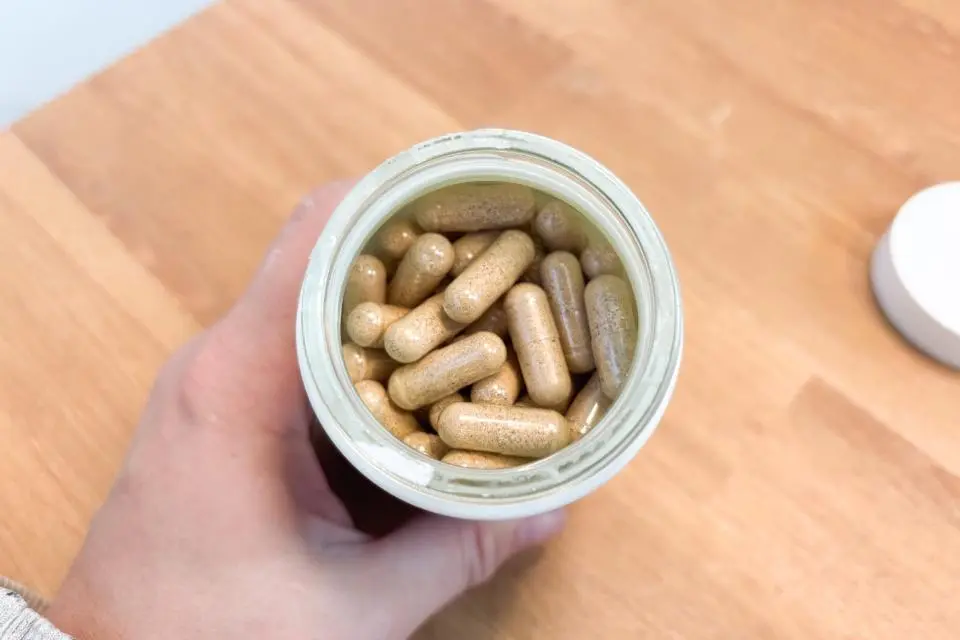
In the blur of newborn care, broken sleep, and physical recovery, many mothers either keep taking their prenatals out of habit or stop supplements altogether. What your body needs after birth rarely comes up between pediatrician visits and diaper changes, yet it deserves real attention.
The truth is that the postpartum stretch, often called the fourth trimester, places heavy nutritional demands on you. Whether you are breastfeeding or formula-feeding, your body is healing from childbirth, rebuilding nutrient stores that pregnancy drew down, and adjusting to big hormonal changes. The American College of Obstetricians and Gynecologists (ACOG) describes this phase as a key window to prioritize your own nutrition and recovery, and it pairs naturally with the wider work of healing your body in the first six weeks.
Why Your Body Still Needs Nutritional Support
To see why vitamins still matter after delivery, look at what your body has just been through. Childbirth involves blood loss that can deplete iron and lead to postpartum anemia. Your tissues are actively healing, whether from a vaginal birth or a C-section, which calls for a steady supply of specific vitamins and minerals. The sharp drop in estrogen and progesterone touches everything from your mood to your bone density. And if you are nursing, your body is continuously passing nutrients to your baby, which raises your own needs further. The Centers for Disease Control and Prevention (CDC) treats good nutrition as a cornerstone of recovery and the energy you need to care for yourself and your newborn.
Prenatal vs. Postnatal: Which Is Right for You?
A common question is whether you can simply finish your leftover prenatals. Usually you can. Prenatal vitamins are built for pregnancy, with high folic acid for neural-tube development, extra iron for expanded blood volume, and DHA for the baby’s brain in the womb. Postnatal formulas are tuned for recovery, often with steady iron, boosted B vitamins for energy, higher vitamin D for breastfeeding, and sometimes optional herbal support like fenugreek. A good prenatal is generally fine to continue, though some mothers prefer a postnatal blend tailored to lactation and energy.
Essential Vitamins and Minerals for Recovery
1. Iron: Rebuilding Your Energy
Iron is often the most important mineral to focus on right after birth. Blood loss during delivery can leave you drained, and anemia brings persistent fatigue, weakness, and brain fog. Iron drives red-blood-cell production, which carries oxygen through your body and helps you feel like yourself again. It matters most for anyone who had heavier blood loss or prolonged postpartum bleeding, and for vegetarians and vegans, since plant-based (non-heme) iron absorbs less easily.
- Food sources: lean red meat, lentils, spinach, beans, and fortified cereals.
- Supplements: ferrous sulfate, or ferrous bisglycinate, which is often gentler on the stomach.
The World Health Organization (WHO) recommends iron supplementation for postpartum women, especially where anemia is common. To absorb more, take iron with a source of vitamin C such as orange juice, and keep it separate from calcium, which blocks absorption.
2. Vitamin D: For Bone and Mood
The “sunshine vitamin” supports both you and your baby. It helps you absorb calcium to protect bone density and it supports a healthy immune system. Because breast milk is naturally low in vitamin D, the American Academy of Pediatrics (AAP) recommends breastfed infants receive a daily 400 IU supplement soon after birth. Mothers most likely to fall short include those who are breastfeeding, spend most of their time indoors or live in less sunny climates, or have darker skin tones, since more melanin reduces vitamin D made from sunlight.
Food sources include fatty fish like salmon, egg yolks, and fortified milk, while vitamin D3 (cholecalciferol) is usually the most effective supplement form. Some clinicians suggest breastfeeding mothers take a higher daily dose so both mom and baby stay in range, but the right amount varies, so confirm your dose with your own provider rather than guessing.
3. B Vitamins: Energy and Mood
The B-complex family, especially B6, B9 (folate), and B12, helps restore your energy. B6 supports the neurotransmitters that regulate mood, folate keeps cell growth healthy while you nurse, and B12 supports both your baby’s brain development and your own stamina. Every postpartum mother benefits, but vegans should pay particular attention since B12 comes mainly from animal products, as should anyone recovering from complications or feeling deeply exhausted. You will find B vitamins in leafy greens, meat, eggs, dairy, and whole grains, and in most standard prenatal and postnatal multivitamins.
4. Calcium: Protecting Your Bones
During pregnancy and nursing, your body can borrow calcium from your own bones to supply your baby. Replenishing those stores helps protect you against osteoporosis later and supports healthy nerve and muscle function now. Calcium needs run higher for breastfeeding mothers, those who avoid dairy or eat vegan, and younger mothers under 25 whose bones are still reaching peak density. Good sources include yogurt, cheese, fortified plant milks, kale, and sardines; as supplements, calcium carbonate is best taken with food while calcium citrate is easier on an empty stomach.
5. Omega-3 Fatty Acids (DHA/EPA)
These healthy fats are especially valuable for your mind and your baby’s development. DHA is a major building block for an infant’s brain and retinas, and while nursing, the amount your baby receives depends on what you eat. Research also suggests omega-3s may lower the risk of postpartum depression, and their anti-inflammatory effect supports healing. They matter most for breastfeeding mothers and anyone with a history of depression or anxiety. Reach for salmon, walnuts, chia seeds, and flaxseed, or a high-quality fish oil or algae-based oil for a vegan option. The AAP encourages nursing mothers to get enough DHA through diet or supplementation. If low mood lingers, our guide on recognizing the signs of postpartum depression can help you decide when to reach out.
6. Iodine: Thyroid Support
Iodine keeps your thyroid working properly, which regulates metabolism and energy. Postpartum thyroid issues are relatively common, and iodine helps keep things balanced; it also passes to your baby through breast milk and supports their brain development. Iodized salt, seafood, dairy, and eggs are good sources, and iodine appears in many comprehensive postnatal multivitamins. The CDC flags it as a key nutrient during lactation that can be hard to get from food alone. If you notice fatigue, mood changes, or unexpected weight shifts, our overview of postpartum thyroid issues is worth a look.
7. Zinc: Healing From the Inside Out
Zinc helps your body repair itself after the physical stress of birth. It plays a major role in healing tears or surgical incisions and helps protect you and your baby from common infections. You will find it in shellfish, meat, legumes, pumpkin seeds, and dairy.

Breastfeeding vs. Formula-Feeding: What Changes?
If you are breastfeeding, your body is still a primary source of nutrition for another person, so your needs stay high. Prioritize higher-dose vitamin D, DHA and omega-3s, iodine and choline for your baby’s brain, and vitamin B12, especially if you do not eat meat. The Mayo Clinic notes that nursing mothers need extra calories and nutrients to sustain a healthy milk supply without draining their own health. Eating well while nursing goes hand in hand with this; our guide to nutrition for breastfeeding moms covers it in depth.
If you are formula-feeding, your needs may drift back toward your pre-pregnancy baseline, but your body still needs focused support to heal and handle newborn care. Prioritize iron to rebuild blood stores, calcium for bone health, and B-complex vitamins for steady energy. Your baby gets complete nutrition from formula, so this is squarely about your own recovery.
Warning Signs of a Possible Deficiency
A daily vitamin is a helpful safety net, but sometimes your body signals it needs more targeted help. If any of these show up, check in with your doctor.
- Iron deficiency (anemia): extreme fatigue, unusual paleness, breathlessness on light activity, dizziness, or persistently cold hands and feet.
- Vitamin B12 or D deficiency: numbness or tingling in the hands and feet, mood swings or low mood, muscle weakness or bone aches, and trouble concentrating.
How to Choose a Postpartum Vitamin
The supplement aisle can overwhelm anyone on little sleep. A short checklist keeps it simple. Because the FDA does not tightly regulate supplements before they reach shelves, look for third-party seals from USP, NSF International, or ConsumerLab, which verify the bottle contains what the label claims. Favor well-absorbed forms too: iron as bisglycinate, folate as methylfolate, and magnesium as glycinate, which tends to be gentle on the stomach. Finally, match the product to your diet; a very balanced eater may only need a light multivitamin, while vegans and vegetarians usually need more B12, iron, and algae-based DHA.
When to Take What
Most doctors suggest continuing your prenatal vitamin straight after delivery, with no reason to pause. In the first week, stay consistent, lean on iron-rich foods, and keep hydrated. At your six-week checkup, ask about your nutritional status; this is the moment to discuss switching to a postnatal formula or requesting blood work if you feel unusually tired. Always tell your provider about every supplement, especially alongside other medication, since vitamin K and fish oil can interact with blood thinners, St. John’s Wort can interfere with antidepressants, and iron or calcium taken too close to thyroid medication can block its absorption.
Frequently Asked Questions
A good diet is the foundation, but even a healthy one can fall short during the demanding postpartum period. Iron, vitamin D, and DHA are especially hard to get in sufficient amounts from food alone, so supplements help fill the gaps.
Yes. Continuing a prenatal is generally safe and often recommended while nursing, since it provides a solid nutritional base. If you have specific concerns, talk them through with your provider.
There is no single answer. Many experts suggest continuing through the first year and for as long as you breastfeed. After weaning, you can usually switch to a standard multivitamin.
Postpartum hair shedding is a normal hormonal shift, not usually a deficiency, and often peaks three to six months after birth as estrogen drops. Good nutrition supports hair health, but no vitamin fully prevents this natural process.
Gummies help if you struggle to swallow pills, but they often add sugar and may leave out nutrients like iron, which is hard to formulate in gummy form. Read labels carefully before choosing them.
Yes. Fat-soluble vitamins A, D, E, and K can build up and cause toxicity. Stick to recommended doses and check with your provider before adding individual supplements on top of a multivitamin.
Herbs such as fenugreek, blessed thistle, and moringa are popular for lactation, but the evidence is mixed and they can have side effects. Discuss any herbal supplement with your provider or a lactation consultant first.
Nourishing the Mother Who Nourishes Others
The postpartum period is a season of constant giving: your body nourishes, your hours fill with care, and your heart centers on your new arrival. To give your best to your baby, though, you have to give something back to yourself. The right vitamins after birth are not about “getting your body back.” They fuel your recovery, steady your mood, and help you find the energy this chapter asks for. Whether you stick with a trusted prenatal or switch to a postnatal blend, caring for yourself is one of the best things you can do for your baby. Speak with your doctor before starting or changing supplements, then take a moment to look after the person who made it all possible: you.
References
- American College of Obstetricians and Gynecologists. (2023). Optimizing postpartum care. ACOG Committee Opinion No. 736. acog.org/clinical/guidance
- Centers for Disease Control and Prevention. (2024). Maternal diet and nutrition during breastfeeding. cdc.gov/breastfeeding
- American Academy of Pediatrics. (2022). Vitamin D and iron supplements for babies. healthychildren.org
- World Health Organization. (2016). Guideline: Iron supplementation in postpartum women. who.int/publications/i/item/9789241549585
- Mayo Clinic Staff. (2024). Breastfeeding nutrition: Tips for moms. mayoclinic.org
- National Institutes of Health, Office of Dietary Supplements. (2023). Dietary supplement fact sheets: Iron, vitamin D, and omega-3s. ods.od.nih.gov/factsheets
- U.S. Food and Drug Administration. (2024). Dietary supplements. fda.gov/food/dietary-supplements