Slipping back into your favorite pre-pregnancy yoga pants a few weeks after birth can feel less like getting dressed and more like a wrestling match with a body you do not quite recognize yet. Bringing a new life into the world is an incredible feat, and the fourth trimester is a physically demanding stretch of healing and rediscovery. Easing back into movement can feel like a lot when you are exhausted, but the right postpartum workout clothes make the shift from survival mode back to activity far smoother. If you are weighing when and how to move again, our guide on returning to exercise after baby pairs well with everything here.
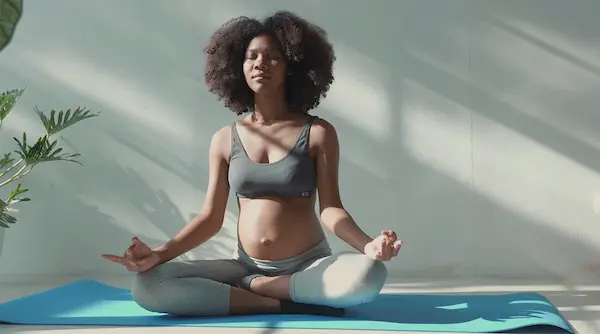
When you are ready to start moving, the clothes you pick should do more than look the part. Good postpartum workout gear is a recovery tool. It supports healing tissues, adapts to a silhouette that is still changing, and handles the practical logistics of new-mom life, like needing to nurse or pump at a moment’s notice. The American College of Obstetricians and Gynecologists (ACOG) notes that every mother’s timeline for returning to activity is different, and the right support helps you feel safer and more at home in your own skin.
Why Your Old Favorites Might Not Cut It
Before you reach for your pre-pregnancy leggings, consider how much your body has changed. Standard activewear is not built for a body that recently birthed a baby. Supporting your healing pelvic floor matters as you rebuild strength, and ordinary waistbands tend to hit at exactly the wrong spot.
The Physical Reality of the Postpartum Body
- Abdominal support: Your core has been through a lot. Many women have some abdominal separation, and working on safe diastasis recti recovery calls for support that low-rise leggings simply cannot give.
- Pelvic floor stability: Pregnancy weakens the pelvic floor, which can bring an unstable feeling or light leaking when you move. Compression wear helps you feel more held together as you heal.
- Breast changes: Between shifting sizes and the constant risk of leaking, your sports bras need to be far more versatile and accessible than a standard racerback.
- Joint sensitivity: The pregnancy hormone relaxin lingers for months, leaving joints feeling loose or achy.
- C-section care: If you had a C-section, the incision is tender, so waistbands need to sit high enough to avoid rubbing or pressure on the scar.
The Mayo Clinic stresses that returning to movement should be gradual. Your clothes can be your ally in that, helping you feel confident rather than self-conscious.
Must-Have Features for Postpartum Activewear
1. High-Waisted Bottoms
A high-rise cut is non-negotiable for recovery. Whether leggings or bike shorts, a high waistband gives your core a gentle hug, protects a C-section incision from irritation, and stays put instead of rolling down every time you bend over.
2. Performance Fabrics
Postpartum night sweats and hot flashes are real. Moisture-wicking fabrics like nylon-spandex blends or breathable bamboo help you regulate temperature while your hormones settle, unlike cotton, which turns heavy and damp.
3. Real Nursing Accessibility
Few things are more frustrating than being mid-workout when your baby decides they are starving, then peeling off a sweaty high-impact bra in a gym bathroom. Clip-down sports bras or wrap-style tops make those mid-session nursing breaks far easier to manage.
4. Skin-Friendly Seams
Your skin can be extra sensitive right now. Seamless designs or flat-lock seams help prevent chafing in high-friction spots like the inner thighs or under the arms.
The Best Bottoms for Recovery
High-waisted compression leggings are the workhorses of a postpartum wardrobe. Look for squat-proof fabric (do the mirror test) and four-way stretch so you can move from a yoga flow to chasing a toddler without a second thought; they suit strength training, Pilates, or errands. For hot-weather workouts, bike shorts with a five-to-seven-inch inseam prevent thigh chafing while keeping that essential high-waisted support. And on days when compression feels like too much, a pair of joggers with an adjustable drawstring lets you customize the fit as your body changes, perfect for stroller walks or gentle floor stretching.
The Best Postpartum Tops
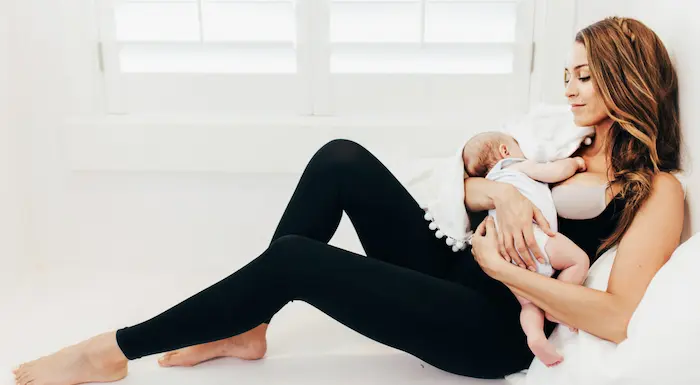
Do not skimp on a nursing sports bra. A good one uses encapsulation to support each breast individually rather than flattening them, which helps prevent painful clogged ducts; look for one-handed clips and adjustable straps to fit your changing size. The CDC emphasizes breast health during lactation, and a supportive, non-restrictive bra is central to that. Wrap and cross-front tops are another functional favorite: the crossover design pulls aside easily for feeding, and soft modal-blend fabrics feel gentle against sensitive skin.
Don’t Forget Your Feet
Your shoes may feel snug. Relaxin can loosen the ligaments in your feet, sometimes causing a lasting change in shoe size. It is worth getting measured again; you might need a half size larger with extra arch support to protect your joints as you get back into a routine.
What to Avoid
Compression helps, but steer clear of waist trainers and extreme shapewear. They can put too much pressure on your pelvic floor and worsen issues like diastasis recti. Avoid anything that restricts your breathing or feels painfully tight around the chest, since that can raise your risk of mastitis.
When Is It Safe to Start?
Every recovery is different. After a vaginal delivery, short walks may feel fine within a few days, but most doctors suggest waiting until your six-week checkup for anything more intense. A C-section is major surgery, so you will likely need six to eight weeks of healing before getting the green light. Always listen to your body, stop if you feel pain, and if you want a clearer roadmap, our safe timeline for returning to exercise lays it out step by step.
Frequently Asked Questions
You can try, but they may not offer the support you need. Maternity leggings are built to expand with a growing bump, while postpartum leggings provide gentle compression to support a healing core.
With abdominal separation, avoid clothing that presses hard on your midline. Choose gear that feels supportive but not restrictive. A pelvic-health physical therapist can give you personalized guidance if you are unsure.
If you exercise a few times a week, two to three is usually the sweet spot. Rotating them means you always have a clean, dry bra, which helps prevent issues like thrush.
Leaking is very common. Choose bras with removable pads, add nursing pads for extra protection, and pick darker colors or patterns to hide any unexpected spots.
There is no set timeline, since every body heals at its own pace. The goal is not to fit into old jeans by a certain date, but to wear clothes that feel comfortable and capable today.
It is best to avoid them. Waist trainers and extreme shapewear can strain the pelvic floor and worsen abdominal separation. Gentle, high-waisted compression wear is a safer way to feel supported.
Honor the Body You Have Today
The best postpartum workout clothes are the ones that honor the body you have right now. Your body has done something remarkable, and it deserves kindness. Investing in a few high-quality pieces that support your core and simplify mom life sets you up for a healthier, happier recovery. Whether it is a quiet stroller walk or a return to your favorite fitness class, moving your body is a gift for both your physical and mental well-being.
References
- American College of Obstetricians and Gynecologists. (2023). Exercise after pregnancy. acog.org/womens-health/faqs/exercise-after-pregnancy
- Mayo Clinic Staff. (2023). Exercise after pregnancy: How to get started. mayoclinic.org/healthy-lifestyle/labor-and-delivery/in-depth/exercise-after-pregnancy/art-20044596
- Centers for Disease Control and Prevention. (2024). Breastfeeding: Frequently asked questions. cdc.gov/breastfeeding/about/index.html
- American College of Obstetricians and Gynecologists. (2023). Diastasis recti and core recovery. acog.org/womens-health