You have seen the hospital bags: beautifully packed, cute pajamas, a soft baby blanket, and then, tucked in a corner, a small pouch with travel shampoo and a toothbrush. The toiletries are almost always an afterthought.
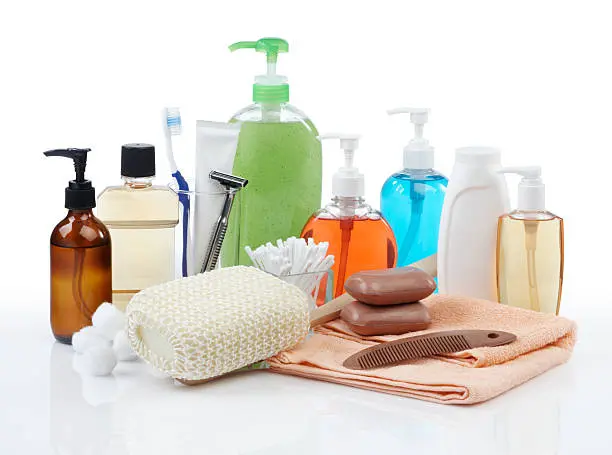
They should not be. The first 24 to 72 hours postpartum are a physically intense transition: your body is recovering from birth, managing a sudden hormonal shift, and meeting the constant demands of a newborn, all in a clinical room that tends to be dry and impersonal. In that context, the right hygiene items stop being cosmetic and become genuinely practical tools for comfort, dignity, and healing.
This guide goes beyond a generic packing list to explain the reasoning behind each item, so you can build a kit that actually supports your recovery and your baby’s first days.
The Guiding Principle: Gentleness
Before packing anything, reset the standard. Postpartum tissue is genuinely sensitive: you may have stitches from a vaginal delivery or a C-section, hormonal shifts make skin more reactive, and night sweats are common in the first weeks. Your baby’s skin is a brand-new barrier, thinner and more absorbent than an adult’s.
So the rule for choosing anything in this category is simplicity. This is not the moment for heavily perfumed products, active acids, or long ingredient lists. Gentle, fragrance-free, and hypoallergenic is what serves both of you. The Mayo Clinic and AAP both recommend keeping newborn skin care minimal for exactly this reason.
Your Kit: Perineal Care
If you deliver vaginally, this is the core comfort system and the part most worth upgrading.
A good peri bottle. The hospital provides one, but it is usually a basic squeeze bottle. A version with an angled neck lets you direct warm water exactly where it needs to go without contorting, which matters enormously when you are sore. Use it during and after every bathroom visit; it dilutes urine and significantly reduces stinging against stitches. Fill it with warm water before you sit down rather than after.
Cooling relief. Witch hazel pads or a perineal spray with witch hazel and aloe provide immediate soothing when applied to a pad. These are inexpensive and make a real difference in the first few days.
Soft cloths for patting. Do not wipe; pat. Pack a stack of your softest washcloths for gently drying after using the peri bottle, since regular toilet paper against fresh stitches is unpleasant and can leave lint behind.
Our full guide to healing vaginal tears and episiotomy recovery covers the technique in more detail, including when ice versus warmth helps.
Your Kit: The First Shower
That first shower after birth is genuinely restorative, so it is worth preparing for. Bring your own fragrance-free body wash and shampoo, since hospital soap tends to be harsh and the familiar formula and scent do something for morale that is hard to overstate. Pack non-slip shower shoes, both for hygiene and because hospital shower floors are slippery and you may still be unsteady.
Bring one large, soft towel, ideally dark-colored, since hospital towels are small and thin and you may still be bleeding. And have something easy to put on afterward: a front-opening robe or a loose nightgown is far simpler than pajamas when you are sore and moving slowly.
If you had a C-section, check with your nurse before your first shower, since incision care instructions vary depending on whether surgical glue, steri-strips, or a dressing was used. Our C-section recovery timeline covers what to expect in those first days.
Your Kit: Comfort and Feeling Human
Hospital air is dry and you will be using hand sanitizer constantly, so a rich lip balm and a good hand cream earn their place. Lip balm in particular gets used every hour, since breathing techniques during labor leave your lips parched.
Dry shampoo and a detangling spray are worth packing for the days when a full hair wash is not happening, and they meaningfully improve how you feel in photos you will keep forever. Add your own toothbrush and toothpaste, deodorant, a simple face wash and moisturizer, and hair ties or a headband to keep hair off your face during feeding and skin-to-skin.
If you plan to breastfeed, pack a lanolin or hydrogel nipple cream that does not need to be washed off before feeding, since early latching can be tender even when everything is going well. Hydrogel pads chilled in a fridge provide real relief between sessions. If pain is sharp rather than tender, that is worth flagging to the lactation consultant while you still have easy access to one, and our guide to painful breastfeeding causes explains what to look for.
Pads, Underwear, and What Actually Works
Hospitals provide large maternity pads and mesh underwear, and many women find the mesh underwear surprisingly comfortable and take extras home. Others prefer high-absorbency disposable postpartum underwear, which is less bulky and contains leaks more reliably. Either works; it is worth packing a few of your preferred option so you are not stuck with only one choice.
Also pack high-waisted cotton underwear in a dark color for once bleeding lightens, and if you had a C-section, high-waisted is essential rather than optional, since anything sitting on the incision line is genuinely painful. Our guide to postpartum bleeding and lochia explains what volume to expect and for how long.
Your Baby’s Kit: Less Than You Think
The hospital provides the basics, and honestly your newborn needs very little. But a few thoughtful items help.
A gentle cleanser, if you want one. Many hospitals now delay the first bath to preserve vernix, the protective coating on newborn skin, which is a change supported by current guidance. If a bath does happen and you prefer your own product, a tear-free, fragrance-free, pH-balanced wash is the right choice, and plain water is entirely sufficient for a newborn.
Soft cloths and plain water. Meconium, the sticky black first stool, comes off far more easily with a warm wet cloth than with dry wipes. Cooled boiled water on soft muslin cloths is gentle and effective; there is no need to add salt or anything else to the water, and plain is genuinely better for newborn skin.
A small tube of barrier cream. A simple zinc-oxide cream applied thinly at the first sign of redness prevents most diaper rash from developing further.
Cord care. Current guidance for the umbilical stump is dry care, meaning keep it clean and dry and exposed to air, folding the diaper down below it. Alcohol swabs are no longer routinely recommended, so do not pack them unless your provider specifically instructs otherwise.
Skip the lotion. Most newborns do not need moisturizer at all, and peeling skin in the first weeks is normal rather than a sign of dryness needing treatment. If skin is genuinely dry, ask your pediatrician what they recommend rather than applying oils, since some commonly suggested kitchen oils can actually affect the developing skin barrier.
Round it out with a soft baby brush and an emery board, since newborn nails are sharp and a file is safer than clippers in the first days. Our guide to the first 24 hours with your newborn covers what else happens in that window.
Don’t Forget the Support Person
Your partner or support person is running on the same hospital schedule with none of the medical attention. Pack them a small kit: travel toiletries, a change of clothes, snacks, comfortable shoes for long hours on hard floors, and their own pillow. A rested, comfortable support person is a more useful one, and our guide on being an effective birth support person covers the rest of the role.
What to Leave at Home
Anything heavily perfumed, since strong scents can irritate sensitive skin, interfere with your baby’s developing sense of smell, and trigger nausea when you are already fragile.
Tampons, menstrual cups, or anything internal. Your body needs to expel lochia freely, and inserting anything into a healing space carries a real infection risk. Pads only until your provider clears you, typically at six weeks.
Exfoliants and acne treatments, since your skin is in flux and this is not the moment for actives.
Valuable jewelry, which can get lost, and rings in particular may need to come off if your hands swell.
Packing Tips That Actually Help
Use a clear hanging toiletry bag, since hospital bathroom counter space is minimal and being able to see everything without unpacking saves genuine frustration at 3 a.m. Open any new packaging at home, because wrestling with plastic clamshells with sore hands and no scissors is a small misery you can avoid entirely. Decant favorites into travel bottles rather than hauling full-size ones.
Group items into small labeled pouches for peri care, shower, face, and baby, so your partner can find things without a running commentary from you. And pack extras of the things you will not want to run out of: underwear, hair ties, and a phone charger. Our guide to what clothing to pack for the hospital covers the rest of the bag.
Frequently Asked Questions
Most hospitals provide a basic peri bottle, large maternity pads, mesh underwear, a sample pack of baby wipes, and generic soap. Quality varies considerably. Call your hospital’s labor and delivery unit before your due date and ask exactly what they supply, since that five-minute call prevents both overpacking and arriving without something you needed.
Yes, and many women prefer to. High-absorbency disposable postpartum underwear is less bulky than the mesh-and-pad combination and tends to contain leaks better. Others find the hospital mesh underwear genuinely comfortable and take spares home. Pack a few of whichever you think you will prefer and decide once you are there.
The angled peri bottle, closely followed by a good lip balm. The peri bottle transforms every bathroom visit for the first week, and the lip balm gets used every hour because of the dry air and the breathing during labor. Both are inexpensive and both get mentioned constantly by women who have been through it.
Ask first. Many hospitals have no-diffuser policies because of other patients’ respiratory sensitivities and fire regulations. A drop on a cloth you keep near you may be permitted, but never diffuse without explicit permission. Also keep strong scents away from your newborn, since their sense of smell is how they locate and orient to you in the early days.
The perineal items matter less and incision care matters more. High-waisted underwear that sits well above the incision is essential rather than a preference. Ask your nurse specifically about showering, since instructions depend on whether surgical glue, steri-strips, or a dressing was used. And a long-handled sponge helps you wash your lower legs and feet without bending, which is genuinely difficult in the first days.
Not really. Plain water and soft cloths handle almost everything a newborn needs in the first days, and many hospitals now delay the first bath to preserve vernix. A small tube of zinc barrier cream and an emery board for nails are worth having. Beyond that, the less you put on newborn skin, the better it generally does.
A Small Act of Anticipatory Care
Packing this bag thoughtfully is a practical kindness to your future self. It is a message to the person you will be in those first vulnerable days: you will be tired and sore, and someone already thought about what would help.
Using your own soft towel, your familiar body wash, or a peri bottle that actually works reclaims a small piece of normalcy in an environment where a lot is out of your hands. It is not vanity and it is not excess. It is the difference between enduring those days and being reasonably comfortable through them.
This article is for general information and is not a substitute for professional medical advice. Follow your hospital’s and provider’s specific instructions about incision care, products, and what you may bring.
References
- American Academy of Pediatrics. (2023). Baby’s first bath and newborn skin care. healthychildren.org
- American College of Obstetricians and Gynecologists. (2018). Postpartum pain management. acog.org/clinical
- Mayo Clinic Staff. (2024). Postpartum care: What to expect after vaginal birth. mayoclinic.org
- World Health Organization. (2022). Postnatal care for mothers and newborns, including cord care. who.int
- Centers for Disease Control and Prevention. (2024). Surgical site infection prevention. cdc.gov/infection-control
- Cleveland Clinic. (2023). Umbilical cord care for newborns. my.clevelandclinic.org