The scene is familiar to most parents: a well-meaning relative offers your toddler a sippy cup of apple juice, or a restaurant brings a juice box with the kids’ meal. Fruit juice has long been marketed as a healthy, natural choice for children — a convenient source of vitamins and hydration. The question of when and how to introduce sugar looms just as large, from first-birthday cake to everyday snacks. Here’s what the evidence and the major pediatric guidelines actually say, and how to put it into practice without turning food into a battleground.
Fruit Juice: Nutrition vs. Marketing
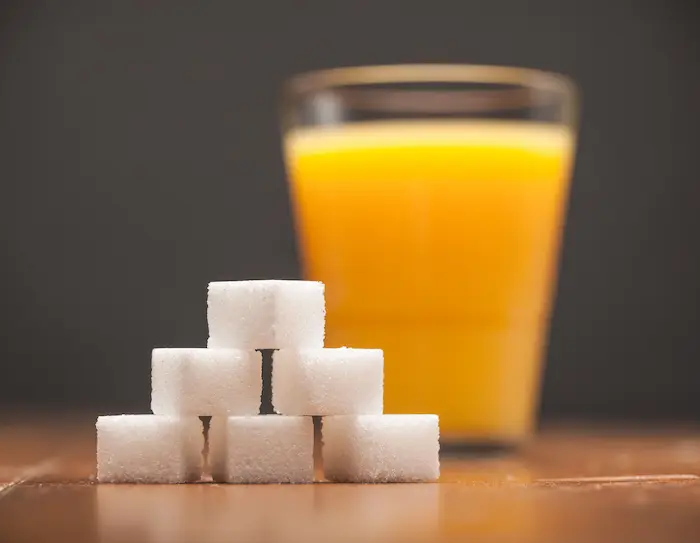
At first glance, 100% fruit juice seems like a logical health food — it comes from fruit, after all. But nutritionally, juice is a fundamentally different product from whole fruit, and that distinction is the whole point.
What’s actually in the cup?
When fruit is juiced, the liquid is extracted, concentrating the natural sugars while stripping away the most beneficial part: fiber. Fiber in whole fruit slows sugar absorption, moderates blood-sugar spikes, and helps a child feel full. A glass of orange juice can hold the sugar of several oranges, but no child would sit and eat three oranges in a minute — so juice delivers a fast hit of sugar and calories without the fullness.
- Calorie density: 4 ounces of apple juice has about 60 calories and 14 grams of sugar with no fiber. A small apple has roughly the same calories and sugar but adds about 3 grams of fiber.
- Vitamins: juice keeps some vitamins (like vitamin C in orange juice) but often lacks the fuller range of phytonutrients and minerals found in whole fruit and pulp.
For this reason, dietary guidelines treat fruit juice — even 100% juice — much like other sources of added sugars, because its sugar is so concentrated and easily overdone, and they recommend limiting it.
What the AAP recommends
The American Academy of Pediatrics’ guidance on fruit juice is clear and evidence-based:
- No juice before age 1. It offers no nutritional benefit to infants and can crowd out breast milk, formula, and nutrients from solid foods.
- Ages 1–3: no more than 4 ounces (½ cup) a day, served only in a cup (never a bottle) and only with meals.
- Ages 4–6: 4 to 6 ounces a day.
- Ages 7–18: up to 8 ounces (1 cup) a day.
- Never give unpasteurized juice to young children — it carries a risk of serious infections like E. coli and Salmonella.
The World Health Organization similarly recommends keeping free sugars (which include those in juice) under 10% of daily energy, with added benefit below 5%.
Why Limiting Juice Matters
Dental health
This is one of the most immediate risks. Juice, even diluted, bathes emerging teeth in sugar that oral bacteria turn into enamel-eroding acid. It’s worst when juice is given in a bottle or sippy cup at naptime or bedtime, letting sugar pool on the teeth — something pediatricians and pediatric dentists strongly advise against. Our guide to your baby’s first tooth covers early dental care.
Empty calories and nutrition
Juice calories can satisfy a small appetite without balanced nutrition. A toddler who drinks 8 ounces of juice may take in around 120 “empty” calories, dampening hunger for meals with protein, healthy fats, iron, and fiber. That can feed picky eating and, paradoxically, poor weight gain if it displaces more nutritious foods.
Digestive upset
The high fructose content of some juices (apple and pear especially) can overwhelm a small child’s gut, leading to diarrhea, bloating, gas, and tummy pain — a common cause of what’s sometimes called toddler’s diarrhea.
Weight and long-term habits
Regular sugary drinks, juice included, are a well-established risk factor for childhood obesity. Just as importantly, they accustom the palate to intense sweetness, which can shape a lasting preference for sugary foods and drinks.
The Bigger Picture: Added Sugars
Juice is one source, but it sits within a wider world of added sugars — those not naturally present in a food (unlike the lactose in milk or the sugar in whole fruit), but added during processing or preparation. Common hidden sources in a young child’s diet include:
- Flavored yogurts and milks — often as sweet as dessert.
- Granola bars and cereals — marketed as healthy but frequently sugar-heavy.
- Packaged snacks — fruit snacks, “fruit concentrate” pouches, cookies, crackers.
- Condiments — ketchup, barbecue sauce, salad dressings.
- “Healthy” drinks — flavored waters, pediatric electrolyte drinks, sweetened toddler milks.
The reasons to limit these mirror those for juice: they fill small stomachs with low-quality calories, train the palate toward hyper-sweetness (making plain fruit and vegetables seem bland), and shape long-term metabolic patterns. The old idea of a “sugar high” driving hyperactivity, by the way, isn’t well supported by the evidence — but that’s not a reason to make sweets an everyday staple.
Practical Strategies, Beyond Just “No”
For juice
- Hold off before age 1, and offer water or (after 12 months) milk in a cup instead.
- Dilute heavily if you do offer it to a toddler — make it a rare treat, roughly 1 ounce of juice to 3 of water.
- Cup only, with meals — never in a bottle, and served at the table to blunt blood-sugar and dental effects.
- Make water the default drink for thirst, accessible and fun in a special cup.
For reducing added sugars
- Read the label — look past “organic” and “natural” claims to the “Added Sugars” line, which the FDA now requires on the Nutrition Facts panel.
- Choose whole foods — whole fruit over juice or fruit snacks, plain yogurt with mashed berries, oatmeal instead of flavored packets.
- Smart swaps — plain Cheerios or oatmeal with fruit instead of sugary cereal; apple slices with nut butter or frozen grapes (quartered for little ones) instead of fruit snacks; plain full-fat yogurt with mashed banana instead of the flavored kind.
- Keep celebrations in perspective — birthday cake is fine; the goal is to make sweets an occasional “sometimes” food, not a daily expectation.
Much of this fits naturally with a division-of-responsibility approach to feeding, which our guide to how much your baby should eat explains, and it builds on the habits you set when starting solids.
Handling social pressure
This is often the hardest part. A few approaches help: set clear, polite boundaries (“Our pediatrician suggested we hold off on juice for now, but she’d love some water!”); bring your own approved snacks and drinks when visiting; and educate gently with a simple fact, like “We learned juice can be tough on those brand-new teeth.”
Frequently Asked Questions
These are usually worse. They can contain as little as 10% juice, with the rest being water, added sugar (often high-fructose corn syrup), and artificial flavors or colors — none of the minimal upside of 100% juice.
A small amount of prune or pear juice can be a short-term remedy your doctor may suggest, thanks to its sorbitol content, but it’s meant as an occasional fix, not a daily drink. For lasting gut health, lean on fiber-rich foods and enough water.
Nutritionally it’s similar to store-bought 100% juice — still missing the fiber. The bigger concern is that unpasteurized juice can harbor bacteria that are risky for young immune systems, which is why the CDC advises against it for young children.
Not recommended for little ones. They keep training the palate to expect intense sweetness and add non-nutritive sweeteners whose long-term effects on a developing gut and taste preferences aren’t well understood. Water or plain milk is the better move.
Keep it balanced. Let your child enjoy treats during the event without making it a big deal, then simply return to your normal routine the next day. Making sweets completely forbidden tends to raise their appeal.
Under 6 months, babies need only breast milk or formula — no water. Around 6 months, once solids begin, small sips of water from an open or straw cup are fine with meals. After age 1, water and plain milk become the two main drinks.
The Bottom Line
Navigating juice and sugar isn’t about building a sugar-free bubble or worrying over every bite — it’s about setting a default of wholesome, minimally processed food. Aim to raise a child who reaches for water first, enjoys the natural sweetness of a ripe peach, and can have a birthday cupcake without it becoming an everyday expectation. Delay juice, read labels, offer whole foods, and model those choices yourself, and you’re protecting little teeth and laying solid groundwork for lifelong health — no perfection required.
This article is for general information and is not a substitute for personalized medical advice.
References
- American Academy of Pediatrics (HealthyChildren.org). Where We Stand: Fruit Juice.
- American Academy of Pediatrics (HealthyChildren.org). Recommended Drinks for Children Age 5 and Younger.
- Centers for Disease Control and Prevention. Added Sugars for Infants and Toddlers.
- World Health Organization. Guideline: Sugars Intake for Adults and Children.
- U.S. Food and Drug Administration. Added Sugars on the Nutrition Facts Label.