If you have a baby between about 3 and 18 months, you know the waterfall of drool well. This slobbery phase is a perfectly normal sign of oral development, teething, and exploration — but it has a common, uncomfortable side effect: drool rash. Those patches of red, chapped, sometimes bumpy skin on the chin, cheeks, neck, and chest aren’t a sign of poor care; they’re just what happens when sensitive skin stays constantly wet. Also called teething rash or irritant contact dermatitis, it’s very manageable and largely preventable. This guide covers why it happens, a simple daily routine to prevent it, how to soothe a rash that’s already there, and how to tell drool rash from something that needs a doctor.

Why Drool Causes a Rash
Drool isn’t just water — it contains digestive enzymes (like amylase) that begin breaking down food in the mouth. Those enzymes are great for digestion but irritating to skin in constant contact. The mechanism is a simple formula: prolonged moisture softens and breaks down the skin’s protective outer barrier (the stratum corneum), the enzymes in saliva irritate that now-compromised skin, and friction from wet clothing, bedding, or a parent’s shoulder adds mechanical irritation. The result is inflammation — redness, chapping, and sometimes small raised bumps. In warm, moist skin folds like the neck, that environment can also invite a secondary yeast (Candida) infection. Understanding this “wetness + irritants + friction” formula is the key to both prevention and treatment.
Prevention: Keep Skin Clean and Dry
Preventing drool rash is far easier than treating it, and the core principle is to keep the skin as clean and dry as possible.
- Blot, don’t rub. Keep soft, absorbent cloths on hand and gently pat the wet areas dry through the day — think dabbing a spill, not scrubbing a stain. Rubbing only adds friction.
- Use absorbent bibs. Stock up on highly absorbent cotton or bamboo bandana bibs (far better than plastic-backed ones, which trap moisture), and change them the moment they’re soaked — sometimes hourly during peak drool.
- Apply a barrier cream. A barrier ointment acts like a waterproof shield. After gently drying the skin, apply a thin layer of a fragrance-free barrier to high-risk areas (chin, cheeks, neck creases) and reapply after feeds, naps, and drool episodes. Simple occlusives work best — petrolatum (petroleum jelly) or zinc oxide (the same ingredient in diaper cream); the AAP often recommends plain petroleum jelly for protecting sensitive skin. Our guide to baby skincare and barrier products has more.
- Don’t forget the neck creases. This is a prime trouble spot where drool pools. During changes and baths, gently separate the folds and pat them completely dry, give some supervised head-back “air time,” and work your barrier cream into the folds.
Soothing an Existing Rash
If a rash has already developed, shift from prevention to gentle healing. Cleanse the area a bit more often with lukewarm water and a soft cloth to remove saliva residue (a gentle, fragrance-free cleanser once a day is fine), and pat dry meticulously. Switch to a slightly thicker layer of your barrier ointment (zinc oxide or petrolatum) to keep the irritated skin protected while it heals itself. Maximize air exposure with more supervised, bib-free time — let your baby play on a clean mat without a collared shirt in a warm room so the skin can breathe.
A few things to avoid: harsh soaps or wipes (they strip natural oils), scrubbing the rash, heavily fragranced lotions (they can sting), and cornstarch or talcum powder, which can be inhaled and can actually promote yeast growth in moist areas.
Is It Just Drool Rash?
Sometimes a simple drool rash gets complicated. Suspect a secondary yeast (Candida) infection if the rash is a very bright, beefy red with a shiny look, has sharp, raised borders, shows “satellite” bumps just outside the main patch, sits in warm folds (neck, armpits, behind the ears), or simply doesn’t improve with barrier cream after 3–4 days. If you suspect yeast, see your pediatrician — they may recommend or prescribe an antifungal cream (like clotrimazole). Importantly, don’t use a steroid cream like hydrocortisone on a suspected fungal rash unless your doctor directs it, since it can make a yeast infection worse.
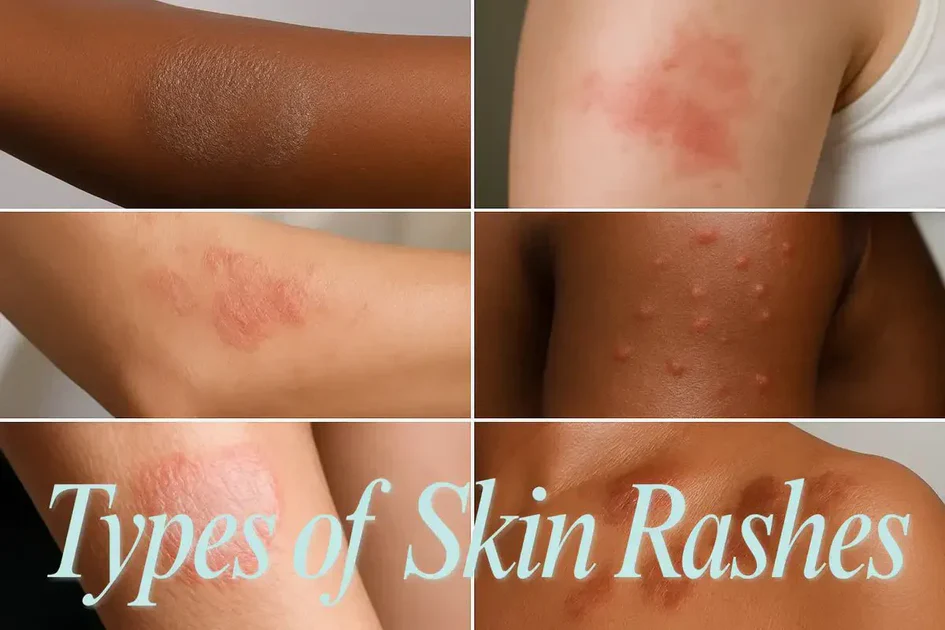
It also helps to distinguish drool rash from other rashes: eczema tends to be dry, itchy, scaly patches that appear anywhere (not just drool zones) and often runs in the family; a food-allergy reaction usually shows as sudden hives around the mouth or body shortly after a new food; and impetigo is a contagious bacterial infection with honey-colored, crusty sores. When in doubt, your pediatrician can give you an accurate diagnosis.
Teething and Pacifiers
The surge in drool is directly linked to teething — the body ramps up saliva to soothe tender gums — so be extra diligent with your prevention routine during those predictable peaks. Pacifiers and teething toys can also create a seal that traps drool against the skin around the mouth, so wipe your baby’s face after pacifier use and keep teething toys clean.
A Simple Daily Routine
Consistency beats occasional intervention. In the morning, cleanse the face with water, pat dry, apply barrier cream, and put on the first bib. Through the day, blot drool, swap soaked bibs, and reapply barrier cream after big drool episodes or feeds. Before naps and feeds, do a quick blot and barrier check. At bedtime, cleanse gently, dry thoroughly (especially the neck folds), and apply a generous layer of barrier ointment as an overnight shield — a breathable sleep sack can be gentler than a collar that rubs.
Frequently Asked Questions
Constant wetness plus the digestive enzymes in saliva break down the skin’s protective barrier, and friction from clothing or cuddling adds irritation. The result is red, chapped, sometimes bumpy skin wherever drool pools — chin, cheeks, neck, and chest. It’s very common during teething, not a sign of poor care.
Keep the skin clean and dry: gently blot (never rub) drool through the day, use absorbent cotton or bamboo bibs and change them once soaked, dry the neck folds thoroughly, and apply a thin layer of a fragrance-free barrier ointment to high-risk areas, reapplying after feeds and naps.
Simple, fragrance-free occlusives work best — plain petrolatum (petroleum jelly) or zinc oxide (the same ingredient in many diaper creams). Both are inert and highly protective, creating a waterproof shield between saliva and the skin. Avoid fragranced lotions, which can sting irritated skin.
Suspect yeast if the rash is bright, beefy red and shiny with sharp, raised borders, has small “satellite” bumps around the edges, sits in warm folds, or doesn’t improve with barrier cream after 3–4 days. See your pediatrician — they may recommend an antifungal. Don’t use a steroid cream like hydrocortisone on a suspected fungal rash unless your doctor says to, as it can worsen it.
Check in if the rash doesn’t improve with good home care, shows signs of a yeast infection, develops honey-colored crusty sores (possible impetigo), or comes with sudden widespread hives after a new food. Your pediatrician can confirm the diagnosis and recommend the right treatment.
The Bottom Line
Drool rash is a temporary, messy part of many babies’ development. You can’t stop the drool, but you can protect the skin it lands on. The mantra is simple — dry, protect, repeat — and your best tools are a soft cloth for blotting, a plain barrier ointment for protecting, and a little patience. If a rash looks severe, shows signs of infection, or doesn’t respond to your care, your pediatrician is your partner.
This article is for general information and is not a substitute for personalized medical advice.
References
- American Academy of Pediatrics (HealthyChildren.org). Baby Bathing and Skin Care.
- American Academy of Dermatology. How to Care for Your Baby’s Skin.
- Nemours KidsHealth. Teething Tips.
- Mayo Clinic. Baby Bathing and Skin Care Basics.