Imagine your baby’s brain as a house under construction. The first year of life isn’t just about adding rooms—it’s about pouring the foundation. This foundation isn’t made of concrete, but of relationship. Every loving glance, every soothing touch, every timely response to a cry literally builds the neural architecture for emotional security, resilience, and the ability to form healthy relationships. This process is the heart of social-emotional development, and your role as a caregiver is the most powerful force shaping it.
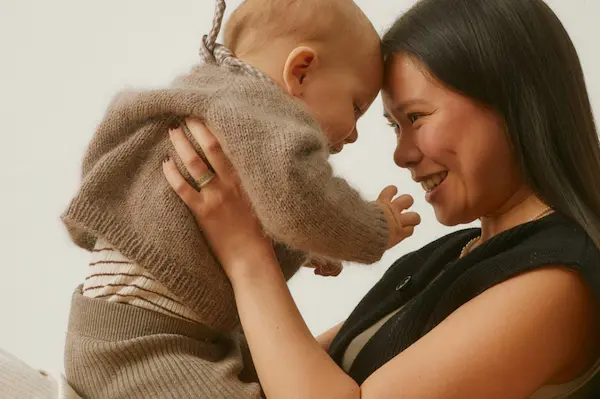
This guide is designed to demystify attachment science and translate it into the practical, daily interactions of parenting. We’ll explore what secure attachment truly means, why your responsiveness is biologically crucial, and provide a month-by-month roadmap of social-emotional development activities for infants that nurture this irreplaceable bond.
Part 1: The Science of Secure Attachment – More Than Just a “Bond”
Secure attachment is not about being physically attached at the hip. It is a baby’s deep, internalized expectation that their caregiver is a reliable source of safety, comfort, and protection. It’s the answer to the silent question every infant’s brain asks: “Are you there for me?” When the answer is consistently “yes,” the child develops a secure base from which to explore the world and a safe haven to return to when frightened or overwhelmed.
This security is forged through countless micro-interactions scientists call “serve and return.” Your baby “serves” by cooing, crying, or making eye contact. You “return” by smiling back, speaking soothingly, or picking them up. According to the Center on the Developing Child at Harvard University, these responsive exchanges are fundamental to healthy brain development. The American Academy of Pediatrics (AAP) strongly endorses this responsive caregiving model, noting it builds the neural connections that support emotional regulation and social skills.
The Neurobiology of Love and Security
When you respond consistently to your infant’s distress, you do something profound at a biological level:
- You Regulate Stress Hormones: A crying baby experiences a flood of cortisol, a stress hormone. Your calm presence and comfort help downregulate this response, teaching their nervous system how to return to calm. Over time, this builds resilience.
- You Build Brain Pathways: Each loving interaction strengthens pathways in the prefrontal cortex—the brain’s executive control center responsible for managing emotions, empathy, and problem-solving.
- You Create an “Internal Working Model”: This is the psychological blueprint your child carries forward. A secure model says, “I am worthy of love, and others can be trusted.” This shapes all future relationships.
A Crucial Note: You Cannot Spoil an Infant with Responsiveness. In the first year, a baby’s needs are their survival signals. Meeting them promptly teaches trust, not manipulation. The World Health Organization (WHO) explicitly states that responsive caregiving is a core component of nurturing care essential for survival, health, and development.
Part 2: The Pillars of Secure Attachment – A Month-by-Month Guide
Building secure attachment with your baby is a dynamic process that evolves with their development. Here is a practical guide to nurturing connection through the first year.
Months 0-3: The “Fourth Trimester” – Building Basic Trust
Social-Emotional Milestones (CDC): Begins to smile at people, tries to look at parent, coos, cries to express needs, starts to self-soothe (may bring hands to mouth).
Developmental Focus: “Can I trust my world?”
Attachment-Building Activities:
- Responsive Caregiving: Answer cries promptly. This is the most critical attachment building activity in these early months. Look for early hunger cues (rooting, hand-sucking) before full-blown crying.
- Affectionate Touch: Practice skin-to-skin contact, babywearing in a soft carrier, and gentle infant massage. Touch is a primal communicator of safety.
- Loving Communication: Use face-to-face “conversations.” Make eye contact, use “parentese” (that high-pitched, melodic voice), and imitate their coos and sounds. This is the essence of serve and return.
- Establish Predictability: While not a rigid schedule, creating gentle rhythms around feeding, sleeping, and bathing helps your baby learn to anticipate care.
Months 4-6: The Social Bloom – Engagement and Joy
Social-Emotional Milestones (CDC): Smiles spontaneously, enjoys play, copies facial expressions, responds to emotional tone, knows familiar faces.
Developmental Focus: “Is the world an interesting and joyful place?”
Attachment-Building Activities:
- Playful Interaction: Introduce simple games like peek-a-boo and gentle tickles. Laughter shared with a caregiver is a powerful attachment tool.
- Emotion Narration: Label their (and your) feelings. “You look so happy with that toy!” or “I see you’re frustrated that the block won’t fit.” This builds emotional vocabulary.
- Exploration with a Safety Net: Provide safe spaces to explore (like a blanket on the floor with toys) while staying close. Your nearby presence gives them the confidence to venture out.
- Responsive Play: Follow their lead. If they look at a rattle, pick it up, shake it, and hand it to them. This communicates, “I see your interests, and they matter to me.”
Months 7-9: Specific Attachment and Stranger Awareness
Social-Emotional Milestones (CDC): Shows clear preference for primary caregivers, may be clingy with unfamiliar adults, has favorite toys, expresses a range of emotions.
Developmental Focus: “Who is my safe person?”
Attachment-Building Activities:
- Respect Stranger Wariness: Never force your baby to go to someone they’re unsure of. Let them observe from the safety of your arms. This protects their budding sense of discrimination.
- Practice Brief Separations: Start with very short departures (“I’m just going to the kitchen”) and always say goodbye—don’t sneak out. Return promptly with a warm greeting: “I’m back!” This builds trust in your return.
- Comfort Through Challenges: Teething, learning to crawl, and new foods can cause frustration. Offer comfort and help regulate their emotions through holding and soothing words.
- Interactive Reading: Cuddle and read simple board books, pointing at pictures. This combines physical closeness, vocal warmth, and shared attention.

Months 10-12: Partnerships in Motion
Social-Emotional Milestones (CDC): Shows separation anxiety, may cry when parent leaves, has favorite things/people, hands you a book to read, repeats sounds for attention.
Developmental Focus: “Can I rely on you as I become more independent?”
Attachment-Building Activities:
- Acknowledge Separation Anxiety: Validate their feelings. “I see you’re sad I’m leaving. I will be back after your nap.” Keep goodbyes loving but confident.
- Encourage “Help”: Let them “help” with simple tasks, like putting a shirt in the laundry basket. This fosters a sense of secure partnership.
- Problem-Solve Together: If they can’t fit a shape in a sorter, offer gentle guidance, not an instant takeover. “Let’s try turning it. There!”
- Celebrate Connection: Offer specific praise for social gestures: “Thank you for giving me the ball! That was so kind.” This reinforces positive social behavior rooted in your relationship.
Part 3: Navigating Your Questions and Concerns
How can I build attachment after a C-section or birth complications?
Attachment is built over time, not in a single moment. Focus on the “firsts” you can have: first skin-to-skin when possible, first feed, first gentle touch. The responsive parenting in the first year that follows matters infinitely more than the birth event itself. The Mayo Clinic affirms that bonding can develop gradually.
What is the role of partners and other caregivers?
Babies can form multiple secure attachments. The key is consistency within each relationship. A partner, grandparent, or trusted childcare provider builds their own unique bond by being the reliable, responsive caregiver when they are in charge. This enriches the baby’s world with multiple sources of security.
Can you build secure attachment while sleep training?
Attachment is built across all waking interactions. If you choose a gentle sleep training method that involves checking in and offering verbal comfort, you maintain responsiveness while helping them develop a skill. The AAP emphasizes creating a safe sleep environment and a consistent bedtime routine—which in itself is a secure, predictable ritual. The overall pattern of daytime responsiveness is what defines the attachment.
How does secure attachment affect later behavior and learning?
Decades of research show securely attached children tend to have better emotional regulation, higher self-esteem, stronger social skills, and even enhanced cognitive abilities in school. They feel safe to explore, ask questions, and take on challenges—the very foundation of learning.
What are the signs of secure attachment in a baby?
- Seeks comfort from you when hurt or frightened.
- Uses you as a “home base,” exploring and then checking back in visually or physically.
- Shows clear preference for you but can be comforted by other familiar caregivers.
- Is generally happy and interactive in your presence.
- By toddlerhood, shows empathy and engages in pretend play.
What if I’m struggling to bond or feel overwhelmed?
Please know this is more common than discussed. Bonding can take time. Factors like birth trauma, sleep deprivation, or postpartum depression (PPD) can interfere. If you feel numb, excessively irritable, or disconnected, this is a sign to seek help, not a personal failure. Contact your obstetrician, pediatrician, or a mental health professional. The American College of Obstetricians and Gynecologists (ACOG) stresses that PPD is treatable, and getting help is an act of love for both you and your baby.
Conclusion: Your Presence is the Foundation
Building secure attachment with your infant is not a performance to be perfected. It is the accumulation of ordinary moments: the midnight feedings, the diapers changed, the tears wiped away, the games of peek-a-boo. It is found in your steady, reliable presence.
You are not just caring for a baby; you are actively constructing the neural pathways for their future happiness and resilience. When you respond with love, you are writing a deep, neural story in your child’s mind that says, “You are safe. You are loved. You matter.”
Trust the process. Trust the science. And most importantly, trust that your consistent, loving care is more than enough to build a foundation of security that will support your child for a lifetime.