The World Health Organization recommends exclusive breastfeeding for the first six months of an infant’s life, followed by continued breastfeeding alongside complementary foods for up to two years or beyond. For millions of mothers worldwide, achieving these goals requires more than just dedication—it requires the right tools. Enter the breast pump: a device that has transformed modern parenting by offering flexibility without compromising on infant nutrition.

Whether you’re a pregnant woman preparing for your baby’s arrival or a new mother navigating the beautiful chaos of early parenthood, choosing your first breast pump can feel overwhelming. With dozens of options promising different features at varying price points, how do you know which one deserves a place in your nursery?
This comprehensive guide reviews the best breast pumps on the market today, breaking down everything you need to know—from understanding pump mechanics to finding your perfect flange size. We’ve consulted recommendations from leading health organizations including the American Academy of Pediatrics (AAP) and the American College of Obstetricians and Gynecologists (ACOG) to bring you evidence-based information you can trust.
Let’s find your perfect pumping partner.
Why Pumping Matters for Mom & Baby
Before diving into specific products, it’s essential to understand why breast pumps have become indispensable tools for modern families. The decision to pump is deeply personal, but the benefits are well-documented by global health authorities.
For Baby: Building Immunity and Bonding
Breast milk is often called “liquid gold” for good reason. The Centers for Disease Control and Prevention (CDC) emphasizes that breast milk provides ideal nutrition for infants and contains antibodies that help protect against common childhood illnesses. When mothers pump, they’re able to continue providing these benefits even when direct breastfeeding isn’t possible—whether due to premature birth, maternal medications, or simply returning to work.
Research from the National Institutes of Health (NIH) shows that breastfed infants have lower risks of asthma, obesity, type 1 diabetes, and sudden infant death syndrome (SIDS). Pumping allows mothers to maintain this protective shield for their babies regardless of circumstances.
For Mom: Flexibility and Milk Supply Maintenance
Pumping serves multiple purposes beyond infant feeding. According to ACOG, regular milk removal—whether through nursing or pumping—helps establish and maintain milk supply. For mothers with oversupply issues, pumping can provide comfortable relief. For those concerned about low supply, consistent pumping can signal the body to produce more.
Perhaps most importantly, pumping offers freedom. Whether you’re returning to your career, sharing feeding duties with a partner, or simply needing a few hours to yourself, having pumped milk stored safely means your baby continues receiving the benefits of breast milk in your absence. The Mayo Clinic notes that pumped breast milk can be safely stored and used later, making it possible for mothers to maintain breastfeeding relationships while living full, balanced lives.
How to Choose the Right Breast Pump: A Buyer’s Guide
Every mother’s body, lifestyle, and breastfeeding journey is unique. The “best” pump for your best friend may be entirely wrong for you. Here’s what to consider before making your investment.
Understanding Pump Types
Hospital-Grade Pumps
These are the heavy hitters of the pumping world. Hospital-grade pumps feature powerful motors designed for frequent, heavy use by multiple users (with separate kits). They’re typically rented rather than purchased and are recommended for mothers establishing supply for premature infants or those experiencing significant latch difficulties. The multi-user design includes barriers preventing milk backup into the pump mechanism, ensuring safety for subsequent users.
Personal-Use Double Electric Pumps
Most mothers will choose a personal-use double electric pump. These pumps efficiently express milk from both breasts simultaneously, cutting pumping time in half compared to single pumping. Studies suggest double pumping may actually increase milk production due to prolactin release. Modern personal pumps range from traditional console designs to lightweight, portable options that fit in a diaper bag.
Single Electric Pumps
Compact and often more affordable, single electric pumps work well for mothers who nurse primarily and pump occasionally. They’re also useful for pumping from one side while baby nurses from the other—a technique some mothers use to build a freezer stash.
Manual Pumps
Don’t underestimate the humble manual pump. Powered by hand rather than electricity, these simple devices are quiet, portable, and require no batteries or outlets. They’re perfect for unexpected engorgement relief, occasional use, or travel. Many experienced mothers keep a manual pump in their car “just in case.”
Wearable Pumps
The newest category to hit the market, wearable pumps fit entirely inside your bra, allowing hands-free, discreet pumping. No cords, no bottles dangling from flanges, no being tethered to a wall. These have revolutionized pumping for active mothers, though they typically come with higher price tags and may have slightly less powerful suction than traditional pumps.
Key Features to Evaluate
Closed System vs. Open System
This distinction matters for hygiene and safety. Closed system pumps include a barrier between the milk collection kit and the pump mechanism, preventing milk from entering the tubing and motor. The CDC strongly recommends closed systems for multiple users and notes they’re easier to clean properly, reducing bacterial contamination risk. Open systems allow moisture into the tubing, requiring careful drying and more frequent replacement.
Flange Sizing
Perhaps the most overlooked factor in pumping success, flange size dramatically affects comfort and output. Using incorrectly sized flanges can cause pain, reduce milk transfer, and even damage nipple tissue. Most pumps include standard 24mm or 25mm flanges, but research from lactation specialists shows many women need different sizes. Measure your nipple diameter and add 2-4mm for proper fit—or consult a lactation professional for personalized sizing.
Suction Strength and Adjustability
Look for pumps offering variable suction levels and cycle patterns. Some pumps mimic a baby’s natural nursing rhythm with faster, lighter suction for letdown followed by slower, deeper suction for milk removal. Being able to customize these settings helps optimize your output and comfort.
Portability and Power Options
Consider where and when you’ll pump. Will you need battery operation for pumping in the car? Does the pump include a rechargeable battery or require disposable batteries? How much does the complete setup weigh? These practical considerations matter more than you might expect.
A Note on Insurance Coverage
Here’s something many pregnant women don’t realize: the Affordable Care Act requires most private insurance plans to cover breast pump costs, either by providing a pump directly or reimbursing you for purchase. According to ACOG guidelines, you should contact your insurance provider during pregnancy to understand your specific coverage, which brands are included, and whether you need a prescription from your healthcare provider. Medicaid coverage varies by state, so check your state’s specific benefits.
The Best Breast Pumps of 2024: In-Depth Reviews
After evaluating dozens of pumps across multiple categories, these models stand out for performance, comfort, and value.
Spectra S1 Plus
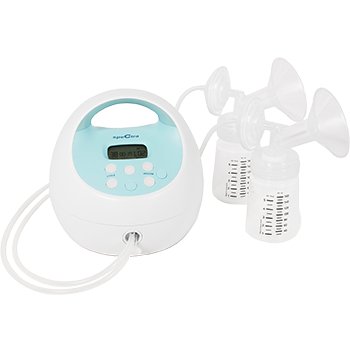
Overview: The Spectra S1 Plus has earned a passionate following among mothers and lactation consultants alike. This hospital-strength pump delivers powerful, adjustable suction with a closed system design that prioritizes hygiene. What sets the S1 apart from its S2 sibling is the built-in rechargeable battery—giving you approximately three hours of use without being plugged into a wall.
Key Features:
- Closed system with backflow protectors preventing milk contamination
- Rechargeable battery (S1) or corded-only (S2)
- 12 adjustable suction levels and 4 cycle patterns
- Built-in nightlight and timer display
- Includes two sets of 24mm and 28mm flanges
Pros:
- Hospital-grade suction without hospital-grade noise (remarkably quiet operation)
- Battery freedom allows pumping anywhere
- Customizable settings for personalized comfort
- Easy-to-read LCD screen shows pumping time and settings
Cons:
- Larger and heavier than newer portable options
- Flanges run larger than average; many mothers need to purchase smaller sizes separately
- Parts can be harder to find in local stores versus Medela compatibility
Best For: Mothers seeking hospital-grade performance with battery convenience. Perfect for exclusive pumpers, those establishing supply, or anyone wanting maximum flexibility without sacrificing power.
Medela Pump in Style with MaxFlow
Overview: Medela has been synonymous with breast pumps for decades, and the updated Pump in Style with MaxFlow technology represents their latest innovation. This closed-system pump features two-phase expression technology designed to mimic a baby’s natural sucking rhythm, potentially improving milk flow and output.
Key Features:
- MaxFlow technology with wider, more efficient tubing
- Closed system design with Overflow Protection
- 2-Phase Expression technology (stimulation and expression modes)
- Includes tote bag, cooler bag with ice pack, and bottle stand
- Rechargeable battery pack included
Pros:
- Widely available parts at major retailers and hospitals
- Proven technology trusted by millions of mothers
- Comprehensive kit includes everything needed to start pumping
- Lighter than previous models
Cons:
- Some users report suction decreases over time
- Fewer suction levels compared to Spectra
- Tote bag design prioritizes style over discreet pumping
Best For: Mothers wanting a trusted brand with readily available support. Ideal for those who prefer traditional pump design and value comprehensive starter kits.
Willow Go
Overview: The Willow Go represents the next generation of wearable pumps, offering hospital-grade suction in a completely cord-free, in-bra design. Unlike earlier wearables that required specific positioning, the Go works with a wider range of body types and activities. The closed system design ensures milk never touches the motor, meeting CDC safety recommendations.
Key Features:
- All-in-one design with no external tubes or bottles
- 3 expression modes with 9 suction levels
- Flanges available in 21mm, 24mm, and 27mm (inserts for smaller sizes)
- Rechargeable batteries provide approximately 5 sessions per charge
- App connectivity for tracking output and controlling pump
- Parts dishwasher-safe (top rack)
Pros:
- True hands-free freedom—walk, work, or relax while pumping
- Discreet under clothing; nobody knows you’re pumping
- Powerful suction comparable to traditional pumps
- Leak-proof design allows movement without spills
- Comprehensive flange sizing options
Cons:
- Premium price point
- Higher learning curve for proper placement
- Fewer cycle pattern options than Spectra
- App connectivity occasionally glitchy
Best For: Active mothers, working professionals, or anyone who resents being tethered to a machine. Worth the investment if freedom and discretion are your priorities.
Elvie Stride
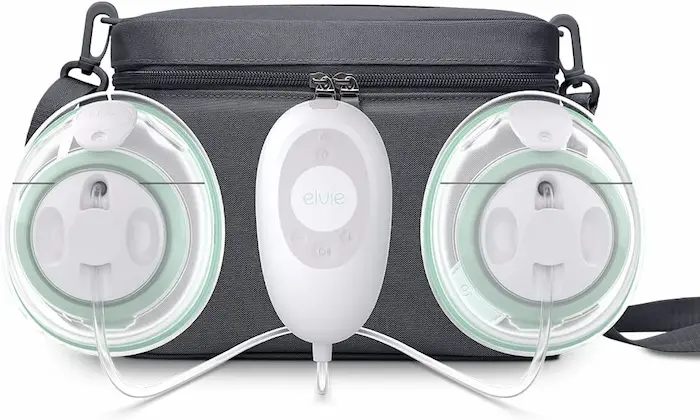
Overview: The Elvie Stride delivers wearable convenience with a slightly different approach than the Willow. The pump motor sits in a small unit that clips to your waistband or fits in a pocket, connected to lightweight in-bra cups via slim tubing. This hybrid design offers the discretion of wearables with the power of traditional pumps.
Key Features:
- Hospital-grade suction in a hybrid wearable design
- 7 suction levels with stimulation and expression modes
- Rechargeable motor provides 4+ pumping sessions
- Cups hold up to 5oz each with no dangling bottles
- App tracks output in real-time
- Closed system with easy-clean parts
Pros:
- Lighter in-bra cups than all-in-one wearables
- More powerful suction than some competitors
- Quiet operation
- Motor unit more affordable than full wearable systems
- Excellent app interface for tracking
Cons:
- Still requires some external tubing (though minimal)
- Assembly requires practice
- 5oz cup capacity may require emptying during longer sessions
- Flange sizing options more limited than Willow
Best For: Mothers wanting wearable convenience with traditional pump power, especially those who prefer tracking data and are willing to trade complete cord-free for stronger suction.
Lansinoh Discreet Duo
Overview: Lansinoh has long been trusted for lanolin cream and breastfeeding essentials, and their Discreet Duo pump delivers impressive performance at a mid-range price point. This double electric pump features Natural Wave technology with three pumping styles and eight suction levels, all in a compact, portable design.
Key Features:
- Natural Wave technology with 3 pumping styles (standard, expression, natural)
- 8 adjustable suction levels
- Closed system with Overmold Diaphragm Technology preventing milk backup
- Rechargeable battery with USB charging
- Includes 25mm and 28mm flanges with 30.5mm option available
- Custom flange fit kit available separately
Pros:
- Excellent value for performance
- Lightweight and truly portable
- Intuitive controls easy to use in middle-of-night pumping
- Quiet operation
- Parts compatible with wide-mouth Lansinoh bottles
Cons:
- Battery life shorter than premium competitors
- Fewer accessories included than Medela or Spectra
- May not maintain suction as consistently over years of use
Best For: Budget-conscious mothers who don’t want to compromise on quality. Ideal for those planning to pump for one child rather than multiple babies.
Evenflo Advanced Manual Pump
Overview: Every mother should own a manual pump, and the Evenflo Advanced represents the gold standard in this category. Its ergonomic handle design requires less hand fatigue than traditional manual pumps, while the pillow-style flange prioritizes comfort. Don’t let the simple design fool you—this pump efficiently removes milk when you need it most.
Key Features:
- Ergonomic pivoting handle reduces hand strain
- Soft silicone flange cushion for comfort
- Easy-clean design with few parts
- Compatible with standard Evenflo bottles
- Compact size fits in any diaper bag
- Affordable price point
Pros:
- No batteries, electricity, or charging required
- Quiet—perfect for pumping discreetly
- Reliable when electric pumps fail
- Excellent for occasional or emergency use
- Comfortable flange design
Cons:
- Slower than electric pumps
- One breast at a time only
- Requires manual effort
- Not suitable for exclusive pumping
Best For: Every breastfeeding mother as a backup pump. Essential for travel, car pumping, or quick relief when engorged.
Ameda Mya Joy
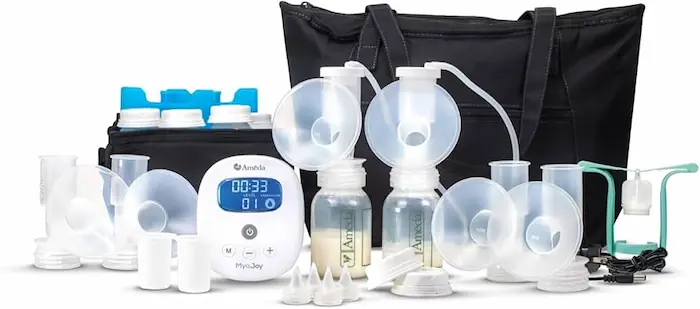
Overview: The Ameda Mya Joy proves that good things come in small packages. This ultra-compact pump weighs just 10 ounces but delivers adjustable suction with a closed system design. Its small size belies its capabilities—the Mya Joy efficiently empties breasts while fitting in your palm.
Key Features:
- Ultra-portable at 10 ounces
- Closed system with HygienePlus technology
- 2-phase expression with adjustable suction
- Rechargeable battery (approximately 2-3 sessions)
- FSA/HSA eligible
- Compatible with Ameda Flexshield flanges
Pros:
- Incredibly portable—smaller than many cell phones
- Surprisingly powerful for size
- Affordable price point
- Simple, intuitive controls
- Easy to clean
Cons:
- Battery life shorter than larger competitors
- Fewer suction levels
- Flange sizing may require aftermarket purchases
- Not as quiet as Spectra
Best For: Mothers needing a lightweight, portable primary pump or an excellent travel backup. Perfect for pumping at work when desk space is limited.
Frequently Asked Questions About Breast Pumps
How do I know if I have the right flange size?
Proper flange fit is crucial for comfortable, effective pumping. Signs you need a different size include:
- Areola tissue pulling into the tunnel during pumping
- Nipple rubbing against sides of tunnel
- Visible friction or redness after pumping
- Incomplete breast drainage
The ideal fit shows your nipple moving freely in the tunnel without rubbing sides, with minimal areola pulled in. Most mothers need flanges between 21mm and 27mm—far from the standard 24mm/25mm included with most pumps. The Mayo Clinic recommends working with a lactation consultant for precise sizing, or using measuring tools available from pump manufacturers.
How often should I replace pump parts?
Even with excellent care, pump parts wear out and lose effectiveness. The CDC provides these general guidelines:
- Valves/membranes: Replace every 4-6 weeks with regular use
- Tubing: Replace if you see moisture, mold, or damage
- Flanges: Replace if cracked, warped, or discolored
- Entire kit: Consider replacing after 6-12 months of exclusive pumping
Diminished suction, unusual noises, or decreased output signal it’s time for replacement parts regardless of timeline.
Can I share a breast pump?
This question requires nuance. The CDC strongly advises against sharing pumps between multiple users—even family members—due to infection risk. However, hospital-grade pumps with closed systems designed for multiple users (typically rented) can be safely shared when each user has their own sterile collection kit.
For personal-use pumps, each mother should have her own pump. If you’re considering buying used, understand that most personal pumps cannot be adequately sterilized between users, and motor wear affects performance.
How do I clean and sanitize my pump properly?
The CDC provides clear guidelines for pump hygiene:
- Wash hands thoroughly before pumping
- Clean pump parts after each use with hot, soapy water
- Rinse thoroughly and air dry on clean towel
- Sanitize once daily for infants under 3 months, premature babies, or sick infants
- Sanitize weekly for healthy older infants
- Never submerge pump motor in water
- Replace tubing if milk enters it
For sanitizing, you can boil parts for 5 minutes, use steam bags, or run through dishwasher sanitize cycle.
Conclusion
Choosing your breast pump ranks among the most important decisions you’ll make for your breastfeeding journey. The right pump supports your milk supply, protects your comfort, and fits seamlessly into your lifestyle. The models reviewed here represent the best options across categories—from hospital-grade powerhouses like the Spectra S1 Plus to liberating wearables like the Willow Go and reliable workhorses like the Medela Pump in Style.
Remember that pump performance varies by individual. What works perfectly for one mother may feel uncomfortable for another. Consider your priorities: Is maximum portability essential? Do you need hospital-grade suction? Will you pump primarily at home or on the go? These answers guide your choice.
Most importantly, know that you don’t have to navigate this journey alone. The American Academy of Pediatrics encourages mothers to work with lactation consultants, who provide personalized guidance on pumping technique, flange sizing, and troubleshooting. Your healthcare provider can offer referrals and additional resources.
Whether you’re a pregnant woman planning ahead or a new mother adapting to life with baby, the right breast pump supports your breastfeeding goals while honoring your need for flexibility. Here’s to finding your perfect match—and to the beautiful feeding journey ahead.