Let’s talk about something that happens to up to 90% of first-time mothers but is whispered about in postpartum circles as if it’s a secret failure. I’m a pelvic floor physical therapist, and in my clinic, I see the relief wash over new mothers when I say this plainly: Perineal tears and episiotomies are not a sign of weakness or a mistake. They are a common, physiological response of your body’s tissues doing their job under extraordinary pressure. Whether you have a small “skid mark” (first-degree tear) or a more significant injury, or a surgically guided cut (episiotomy), the path to healing is grounded in the same principles: respect, hygiene, and gentle support.
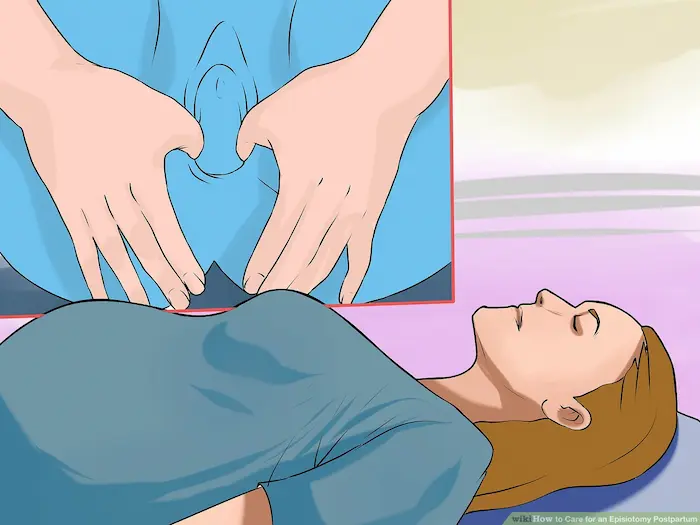
Think of it like this: your perineum—the diamond-shaped area between your vagina and anus—is the epicenter of birth. It stretches to an incredible degree to allow your baby to pass. Sometimes, like any elastic material stretched to its limit, it develops small tears. An episiotomy is a deliberate surgical incision made to widen that opening under specific circumstances. Both are injuries that require intentional care. This guide will demystify the process, moving beyond the intimidating medical jargon to offer you a practical, compassionate roadmap for recovery. Your comfort and confidence are the goals here.
Understanding What Happened: Tears vs. Episiotomy
First, let’s clarify the terms. Knowledge reduces fear.
Perineal Tears are classified by degree:
- First-Degree: A small tear affecting only the skin of the perineum. Often requires few or no stitches and heals quickly.
- Second-Degree: A deeper tear involving the skin and the muscle layer of the perineum. This is the most common type requiring stitches.
- Third & Fourth-Degree: These are deeper tears extending into the anal sphincter muscles (3rd degree) or the rectal lining (4th degree). They require meticulous surgical repair by an experienced provider and a more specialized recovery protocol.
An Episiotomy is a surgical cut made by a healthcare provider to enlarge the vaginal opening. There are two main types:
- Midline: A straight cut downward toward the anus. Heals well but carries a slightly higher risk of extending into a deeper tear.
- Mediolateral: A diagonal cut to the side. May be more painful initially and can take longer to heal, but historically had a lower risk of extension.
The crucial modern context: Routine episiotomies are no longer recommended. The current standard of care is a “restrictive use” episiotomy policy, meaning it’s only performed for specific fetal emergencies, like shoulder dystocia, or to prevent a severe, uncontrolled tear. If you had one, there was likely a clear clinical reason.
Keywords: difference between perineal tear grades and episiotomy, modern episiotomy guidelines and when it’s necessary.
The First 72 Hours: Immediate Postpartum Care in the Hospital
This initial period is about managing swelling and pain and establishing your hygiene routine. The nurses will guide you, but here’s what to expect and advocate for:
1. The Ice & Comfort Protocol
- Ice Packs are Your Best Friend: Apply ice packs to the perineum for 15-20 minutes every 2-4 hours for the first 24-48 hours. This reduces swelling (inflammation) and provides significant pain relief. Many hospitals provide giant pads that have a built-in cold pack sleeve.
- Pain Management: Don’t be a hero. Take the prescribed pain medication (usually Ibuprofen and/or Acetaminophen) on a schedule for the first few days to stay ahead of the pain. Consistent, low-level medication is more effective than chasing severe pain.
- Positioning: Avoid direct pressure. Sit on a donut cushion (though some experts now prefer a firm, flat cushion as donuts can put pressure on the wrong areas) or lie on your side. When in bed, try lying on your side with a pillow between your knees.
2. The Golden Rule of Hygiene: Pat, Don’t Wipe
- The Peri Bottle (Your New Favorite Thing): Fill a peri bottle for postpartum healing (the hospital gives one, but angled-neck ones like Fridababy’s are easier to use) with warm water. Use it to gently spray the area front-to-back while you urinate. The warm water dilutes the urine and soothes the sting. Continue spraying to clean after a bowel movement.
- Drying: Gently pat the perineum dry with a soft clean cloth or unscented pat-a-dry towel. Never wipe. Blotting is the way.
- Sitz Baths (Maybe): The hospital may offer a portable sitz bath that fits over the toilet. Filled with warm water, it can promote blood flow and comfort. Some providers now recommend waiting 24 hours, so follow their guidance.
Keywords: how to use a peri bottle correctly after stitches, immediate postpartum care for perineal swelling.
The First Two Weeks At Home: Active Healing Phase
You’re home, you’re with your baby, and the real recovery begins. Consistency is key.
1. Creating Your Healing Station
Set up your bathroom with everything within arm’s reach of the toilet:
- Peri bottle (fill before you go)
- Soft patting cloths or pre-moistened, fragrance-free wipes
- Clean pads
- Any prescribed sprays or creams
2. The Comprehensive Care Routine
- Keep it Clean & Dry: Continue the peri bottle and pat-dry routine religiously after every bathroom visit. Change pads frequently (at least every 4 hours) to keep the area dry and prevent infection.
- Soothe & Protect: After patting dry, you can apply healing aids:
- Cooling Pads: Witch hazel pads (like Tucks) can be laid on your sanitary pad for cooling relief.
- Healing Sprays: A perineal spray with lavender and witch hazel offers a soothing, antimicrobial mist.
- Barrier Creams: A thin layer of a pure lanolin cream or coconut oil on the stitches can prevent them from sticking to your pad and provide a protective barrier. Avoid complex, perfumed creams.
- Promote Circulation & Reduce Swelling:
- Sitz Baths: Now they shine. Sit in 3-4 inches of warm (not hot) water for 15-20 minutes, 2-3 times a day. You can add Epsom salts for additional soothing. This is one of the most effective home remedies for episiotomy pain relief.
- Ice Packs: Continue using ice packs after the first few days if you still feel swollen or sore, especially at the end of the day.
3. Painful Bowel Movements: How to Navigate the First Poop
This is a top concern. Fear is the biggest obstacle.
- Stool Softeners are Essential: Take a daily stool softener (like Colace/Docusate) as recommended by your provider. Drink a lot of water. Eat high-fiber foods (prunes, oats, leafy greens). The goal is soft, bulky stool that doesn’t require straining.
- The Technique: When the urge comes, don’t rush. Place a clean pad gently against your stitches for counter-support. Lean forward, feet on a small stool to mimic a squatting position. Breathe out gently as you bear down. Do not hold your breath and strain.
Keywords: safe sitz bath routine for healing stitches, managing first bowel movement after birth with tears.
Beyond Two Weeks: Long-Term Healing and Returning to Normal
Stitches typically dissolve or are removed within 1-2 weeks, but internal healing takes 6-12 weeks. Be patient with your body.
1. Scar Tissue Management & Desensitization
As healing progresses, you may feel itching, tightness, or tenderness around the scar. This is normal scar tissue formation.
- Gentle Massage: Once your provider clears you (usually around 3-4 weeks postpartum), you can begin gentle perineal scar massage. With clean hands and a natural oil (like vitamin E or coconut oil), use a fingertip to make small, gentle circles along the scar line, then side-to-side motions. This helps break up adhesions, improve flexibility, and desensitize the area. Start with just 1-2 minutes daily.
- Pelvic Floor Awareness: Avoid “Kegeling” aggressively in early weeks. Your muscles are likely in a state of tension (guarding) from the trauma. Focus on gentle, full exhalations that allow your pelvic floor to relax and lengthen.
2. Returning to Intimacy & Exercise
- Sex: Wait until you get the all-clear from your provider at your 6-week checkup. Even then, go slowly. Use lubrication generously. Communicate with your partner about comfort. Positions where you have control (like being on top) can be helpful initially.
- Exercise: Start with walking. Avoid high-impact activities (running, jumping) and heavy lifting (> your baby’s weight) for at least 8-12 weeks. When you do return, listen to your body. A feeling of heaviness, dragging, or pain is a sign to pull back. Consider seeing a pelvic floor physical therapist for postpartum recovery—they are experts in guiding this return safely.
Red Flags: When to Call Your Provider
Healing shouldn’t be a nightmare. Contact your OB or midwife immediately if you experience:
- Signs of Infection: Foul-smelling discharge, increasing redness/warmth around the stitches, or a fever over 100.4°F.
- Increasing Pain: Pain that suddenly worsens after it had been improving.
- Suture Problems: Stitches that seem to be coming apart or loosening.
- Bleeding: Soaking more than one pad per hour or passing large clots.
- Incontinence: New or worsening inability to control gas or stool. This is not normal and requires prompt evaluation, especially after a 3rd/4th degree tear.
Keywords: signs of infected perineal stitches postpartum, when to call doctor about episiotomy pain not improving.
Special Focus: Caring for Third & Fourth-Degree Tears
These “obstetric anal sphincter injuries” (OASIS) require extra vigilance but heal well with proper care.
- Strict Bowel Management: Your provider will give a detailed plan, often involving stool softeners for weeks and possibly a gentle laxative to ensure stool is always very soft to protect the anal sphincter repair.
- Diet: A balanced, high-fiber diet is non-negotiable. Consider keeping a food diary to identify any foods that cause gas or harder stools.
- Specialist Follow-Up: You will likely have a follow-up appointment with your surgeon or a specialist. A referral to a pelvic floor PT experienced in OASIS recovery is highly, highly recommended to guide scar massage, retrain the sphincter muscles, and ensure optimal long-term function.
Emotional Healing: The Mind-Body Connection
It’s normal to feel emotional about an injury to such an intimate part of your body. You may feel vulnerable, angry, or disconnected from your body. This is valid. Talk about it with your partner, a trusted friend, or a therapist. Acknowledge that your body has been through a major event, and healing is both physical and emotional.
Frequently Asked Questions (FAQ)
Q: How long will it hurt?
A: Sharp pain and significant discomfort should improve dramatically within 7-10 days. Aches, tenderness, and sensitivity can linger for 4-6 weeks. Scar tissue tightness may come and go for a few months.
Q: Will sex ever feel the same?
A: For most women, with proper healing and gradual return to intimacy, sex can be pleasurable again. The sensation may be different due to scar tissue, but not necessarily worse. Open communication and patience are key. Pelvic floor PT can be transformative for this.
Q: Are there things I can do in pregnancy to prevent a tear?
A: While not guaranteed, prenatal perineal massage in third trimester has been shown to reduce the likelihood of tears needing stitches. Staying upright and mobile in labor, avoiding directed pushing, and warm compresses during crowning can also help the tissues stretch more gradually.
Q: Is it better to tear naturally or have an episiotomy?
A: Current evidence strongly favors allowing a natural, controlled tear over a routine episiotomy. Natural tears are often smaller, heal more easily, and are less likely to extend. An episiotomy is a tool reserved for specific clinical situations where its benefits outweigh the risks.
Q: What’s the single best piece of advice for recovery?
A: Be proactive, not reactive. Take your pain meds on schedule before pain peaks. Use the peri bottle every time. Do your sitz baths. This consistent, gentle care makes a monumental difference in your comfort and healing timeline.
Conclusion: Your Body’s Remarkable Resilience
Healing from a perineal tear or episiotomy is a journey of patience and gentle self-care. It asks you to slow down and listen to the whispers of your body in a postpartum world that often shouts demands. Remember, this healing is happening alongside the breathtaking whirlwind of caring for a newborn. Be kind to yourself. Celebrate small victories—the first comfortable sit, the first pain-free walk, the first time you forget about your stitches for a whole hour.
Your body has just accomplished the extraordinary. It knows how to heal. Your job is simply to create the conditions—cleanliness, rest, hydration, and patience—to allow that innate wisdom to work. You are not broken. You are healing. And with each passing day, you are growing stronger.