Last month, a mom named Chloe brought her 14-month-old son to my clinic. She was exhausted and embarrassed. “He won’t take anything but a bottle,” she told me, her voice cracking. “He screams when I try to give him a cup. I know I should have done this months ago, but now I don’t know how to start.”
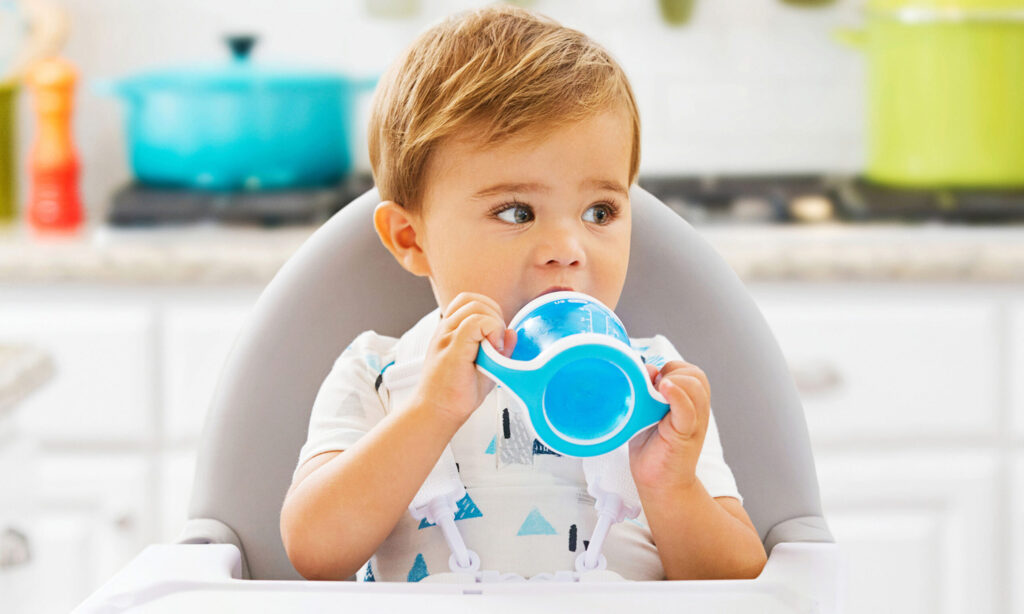
If Chloe’s story sounds familiar, please hear me when I say: you haven’t failed. You’re not late. You’re simply ready, and that’s what matters.
I’ve spent fifteen years as a pediatric speech-language pathologist, working with thousands of families on feeding challenges. The bottle-to-cup transition is one of the most emotionally charged milestones parents face. It’s messy. It’s frustrating. And it’s absolutely doable.
Let me walk you through everything you need to know about how to transition from bottle to sippy cup—the why, the when, and the how—so you can approach this transition with confidence and maybe even a little grace.
Why This Transition Matters: Beyond Just “Moving On”
Before we dive into strategies, let’s talk about why pediatricians, dentists, and feeding specialists are so insistent about saying goodbye to the bottle. This isn’t about checking a box or keeping up with other babies. It’s about your child’s development.
Dental Health: The Risk of Bottle Decay
The American Academy of Pediatric Dentistry (AAPD) is unequivocal: prolonged bottle use, especially at night, puts children at significant risk for early childhood caries—what many call “baby bottle tooth decay.”
When a child falls asleep with a bottle, milk or juice pools around their teeth for hours. The natural sugars feed bacteria, which produce acid, which attacks tooth enamel. Babies and toddlers cannot spit or rinse effectively. The result can be cavities that require dental treatment before age two.
This is why night bottle weaning for tooth decay prevention is one of the most critical steps you can take for your child’s oral health.
I’ll never forget the twins I worked with who both needed dental surgery at 18 months because of night bottles. Their mother was heartbroken, and she had no idea the risk was so real.
Speech and Oral Motor Development
Here’s something many parents don’t realize: drinking from a bottle uses a different oral motor pattern than drinking from a cup.
Bottle feeding requires a suckling motion—tongue moving forward and back, lips sealed around a nipple. Cup drinking requires a more mature pattern: lips drawing liquid in, tongue rising to the palate, swallowing with the mouth closed.
Prolonged bottle use can encourage tongue thrust, forward resting posture, and even contribute to lisps or other speech sound errors later. The American Speech-Language-Hearing Association (ASHA) supports transitioning to cup drinking around 12 months to support age-appropriate oral motor development.
Nutritional Concerns
Bottles often become a source of comfort rather than nutrition. A toddler who constantly sips milk throughout the day may not be hungry for meals. They’re grazing on calories that lack the variety and texture of solid foods.
The American Academy of Pediatrics (AAP) recommends limiting milk to 16-24 ounces per day after 12 months. When milk comes from a bottle, it’s harder to track intake and harder to break the habit of constant sipping.
When to Start: The Ideal Timeline
Parents always want to know when to start weaning from bottle. Here’s the developmental timeline I share with families:
6 Months: Introduction, Not Elimination
Around 6 months, when babies start solids, they can also start practicing with cups. At this age, you’re not replacing bottles. You’re introducing the skill.
Offer a small open cup or straw cup with tiny amounts of water or expressed milk at mealtimes. Expect spills. Expect confusion. This is practice.
12 Months: The Transition Window
The AAP recommends beginning the transition away from bottles around 12 months and aiming to complete it by 18 months. This window exists because:
- Most children have the oral motor skills for cup drinking
- They’re eating more solids and need less milk
- They’re old enough to understand some limits, but young enough that habits aren’t deeply entrenched
18 Months: Bottles Should Be Gone
By 18 months, ideally, bottles are a thing of the past. Some children transition earlier, some later. But if your child is approaching two and still reliant on bottles, it’s time for a focused effort.
The Cup Hierarchy: Not All Cups Are Created Equal
Walking down the baby aisle is overwhelming. Sippy cups, straw cups, 360 cups, open cups—what’s best? Let me clarify the question of sippy cup vs straw cup which is better based on what feeding specialists actually recommend.
Traditional Sippy Cups with Hard Spouts
Most parents reach for these first. They’re marketed as the natural next step. But here’s the truth: many hard-spouted sippy cups require the same suckling motion as a bottle. They don’t actually teach a new skill.
If you’re looking for the best sippy cup for transitioning from bottle, look for:
- A soft, short spout rather than hard plastic
- No valve (or a removable valve) so liquid flows freely and baby learns to sip rather than suck
- Handles for independent gripping
Straw Cups: The Feeding Specialist Favorite
In my clinical experience, straw cups are often the best choice for transitioning. Here’s why:
- Straw drinking requires lip rounding, tongue retraction, and cheek tension—all skills that support speech development
- It’s a natural progression from bottle sucking to more mature drinking
- Many children find straws easier to master than open cups
Look for straw cups with weighted straws so your child can drink from any angle. Some have valves to prevent spills; just be aware that valved straws still require sucking. Unvalved straws are better for skill development but messier.
360 Cups
These cups have a lid that seals when the child isn’t drinking. They drink by placing their lips on the rim and sipping, similar to an open cup. They’re excellent for teaching the open-cup motion without major spills.
The downside? Some children bite down on the rim rather than sipping. Watch your child’s technique.
Open Cups
This is the ultimate goal. Open cups require the most mature oral motor pattern. Start with small amounts—an ounce or two—and expect spills. Use tiny cups (like medicine cups or shot glasses) that little hands can grip.
I worked with a family whose 10-month-old refused every specialized cup on the market. In frustration, the dad handed her a small glass of water. She drank perfectly. Sometimes our children are ready for more than we give them credit for.

How to Transition: Practical Strategies That Work
Now for the part you’ve been waiting for: how to transition from bottle to sippy cup with a resistant toddler.
Start with One Bottle at a Time
Don’t go cold turkey. Choose the bottle that feels least important to your child and replace it with a cup.
For many families, the midday bottle is easiest. Your child is alert, distracted by activities, and more willing to try something new. Offer milk or water in a cup with lunch. If they refuse, that’s okay. Offer the bottle afterward so they still get nutrition, but keep practicing.
Once the midday bottle is consistently replaced for a week, move to the next one.
Make the Cup Exciting
Novelty matters. Let your child pick out their cup at the store. Let them hold it, explore it, even play with it (within reason). The more ownership they feel, the more interested they’ll be.
Some families have success with “big kid” language. “You’re getting so big! Big kids drink from cups like Mommy and Daddy.”
Change the Milk Temperature or Contents
If your child expects warm milk in a bottle, try serving slightly cooler milk in the cup. The change in temperature reinforces that this is a different experience.
You can also offer water in cups and reserve milk for bottles during the transition, then gradually shift milk to cups as well.
The “Bottle Fairy” or “Goodbye Bottle” Ritual
For older toddlers who are attached to bottles, a goodbye ritual can work beautifully. Some families tell their child the Bottle Fairy will come collect the bottles and leave a special gift. Others have the child help pack up bottles to “give to the babies who need them.”
This approach honors the child’s feelings while creating a positive narrative around the transition.
Drop Night Bottles First or Last?
Night bottles deserve special attention because they’re often the hardest habit to break and the most damaging for teeth. These bottle weaning tips for toddlers specifically address nighttime:
If your child uses a bottle to fall asleep, start by disrupting the association. Move the bottle earlier in the bedtime routine, then brush teeth after. Replace the bottle with a different comfort object—a lovey, a special book, extra snuggles.
Some families find success with diluting the night bottle gradually. Over a week, add more water and less milk until it’s just water, then remove it entirely. The AAPD strongly advises against putting anything other than water in a bottle at bedtime.
Handling Resistance: What to Do When Your Child Says No
Resistance is normal. It’s also temporary. Here’s how to work through it.
The Gradual Fade
For children who absolutely refuse cups, try the gradual fade:
- Week 1: Replace one bottle with cup
- Week 2: Replace two bottles
- Week 3: Replace all daytime bottles
- Week 4: Address the bedtime bottle
If your child refuses the cup entirely at first, offer the bottle afterward so they don’t go hungry, but keep offering the cup first every single time.
The Cold Turkey Approach
Some children actually do better with cold turkey. For these kids, the gradual approach drags out the struggle. If you suspect your child falls into this category, choose a weekend, gather your support, and remove all bottles at once.
Expect 24-48 hours of protest. Offer cups frequently. Offer comfort freely. Most children adjust within three days.
What About Hydration?
Worried your child won’t drink enough? Offer water frequently throughout the day. Offer milk at meals. If your child is eating solids and having wet diapers, they’re likely getting enough fluids.
If you’re concerned about dehydration, consult your pediatrician. But for most children, a few days of reduced intake during transition is not dangerous.
Common Questions Parents Ask
How do I get my toddler to give up the bottle?
Patience and consistency. Choose your approach (gradual or cold turkey), communicate with your child, and hold the boundary. Toddlers test limits. When you hold firm, they learn that you mean what you say.
Can prolonged bottle use affect teeth?
Absolutely. The American Academy of Pediatric Dentistry links prolonged bottle use, especially at night, to early childhood caries and misalignment of teeth (malocclusion).
Does bottle weaning affect speech development?
It supports speech development. Cup drinking strengthens the oral muscles needed for clear speech. Children who transition appropriately often have stronger lip closure and tongue coordination.
How do I stop night bottles?
Start by moving the bottle earlier in the bedtime routine. Brush teeth after the bottle. Offer a replacement comfort item. If your child wakes at night, offer comfort but not the bottle. It’s a tough few nights, but most children adjust quickly.
What should I put in the sippy cup?
The AAP recommends:
- Breast milk or formula for infants under 12 months
- Whole milk (or the milk your pediatrician recommends) for children over 12 months at mealtimes
- Water between meals and throughout the day
Avoid juice. If you offer juice, limit to 4 ounces daily of 100% juice, and serve it only at mealtimes, never in a bottle or sippy cup for sipping throughout the day.
The Emotional Side: Why This Feels So Hard
Let’s address the part that doesn’t show up in textbooks. Bottles are comfort. They’re connection. They’re the reliable soother when nothing else works.
When you take away the bottle, you’re asking your child to give up a relationship. And you’re asking yourself to let go of a tool that made parenting just a little bit easier.
I worked with a mother whose 18-month-old had used a bottle for every nap and bedtime since birth. She was terrified of losing the one thing that reliably got her child to sleep. “If I take the bottle,” she whispered, “I’ll never sleep again.”
We created a plan. We added extra snuggles, a new lovey, a consistent routine. The first three nights were hard. By night seven, her child was sleeping without the bottle. By week three, she couldn’t remember why she’d been so afraid.
Your child will learn to self-soothe in other ways. You will find new rhythms. The bottle feels irreplaceable until it’s gone, and then you wonder why you waited so long.
A Sample Weaning Timeline
Every child is different, but here’s a framework that works for many families:
6-9 Months:
- Introduce a small open cup or straw cup at mealtimes with tiny amounts of water
- Focus on exploration, not consumption
- Continue all bottles as usual
9-12 Months:
- Offer cup consistently at one meal daily
- Begin using “big kid” language
- Consider dropping one bottle if your child seems ready
12-15 Months:
- Replace one bottle with cup each week
- Move bottles earlier in routine, away from sleep associations
- Introduce a comfort item if not already present
15-18 Months:
- Daytime bottles should be gone
- Focus on bedtime bottle if still present
- Offer water at night wakings instead of milk
18+ Months:
- Bottles should be fully transitioned
- Celebrate with a special “big kid” experience

What If You’ve Waited Longer?
If your child is approaching two or beyond and still using bottles, please don’t panic. You haven’t ruined them. You haven’t failed.
The strategies above still work. They may require more patience and firmer boundaries, but children at any age can learn new habits.
Start today. Not tomorrow, not next week. Today. Choose one bottle to replace and begin.
The Bottom Line
Weaning from the bottle is a milestone, just like walking or talking. It’s messy and imperfect and sometimes heartbreaking. But it’s also necessary.
Your child needs to learn to drink from a cup for their teeth, their speech, their nutrition, and their independence. And you have everything you need to help them get there.
Trust yourself. Trust your child. And when you’re standing in the kitchen at midnight, holding a crying toddler and wondering if this will ever end, remember Chloe and her 14-month-old. They made it through. So will you.
The Centers for Disease Control and Prevention (CDC) reminds us that developmental milestones happen on a spectrum. Your child will get there. One sip at a time.