Leaving the house with a baby is a logistical challenge unlike anything before it. Picture a first outing to the grocery store with a two-week-old: you packed what you thought was everything, then realized halfway through the produce aisle that you had diapers but no wipes, and the bottles were still in the car. Nearly every new parent has a version of this story. The good news is that with the right system and supplies, packing a diaper bag becomes second nature. This guide walks through exactly what to pack, why, and how to adapt as your baby grows.
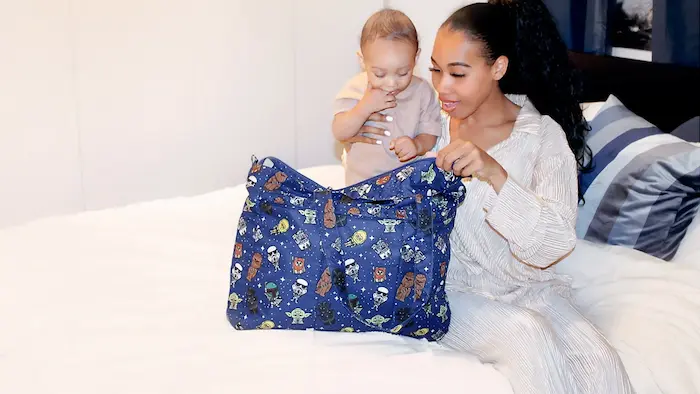
The goal isn’t to pack your entire nursery — it’s to pack smart: enough to handle the unexpected, but not so much that you can’t find anything. A well-packed bag is freedom, the difference between a spontaneous coffee date and staying home unsure you’re prepared. Here’s how to build it, zone by zone.
The Diapering Zone: The Non-Negotiables
- Diapers: a good rule is one diaper for every hour you’ll be out, plus two extra — so four for a two-hour trip, eight to ten for a full day. Newborns can go through 10–12 a day, so pack generously.
- Wipes: more than you think. Beyond diaper changes, you’ll use them for messy hands and faces, high chairs, spills, and stain emergencies. Pack a full travel container or a refillable dispenser.
- Diaper rash cream: a small tube of zinc oxide-based barrier cream, which the American Academy of Pediatrics recommends for preventing and treating diaper rash.
- Changing pad: a portable, wipeable pad creates a barrier between your baby and public changing tables.
- Disposal bags: a roll of small scented bags (dog waste bags work well) contains smell and mess when a trash can isn’t ideal.
The Feeding Zone
How you feed determines what you pack. If you’re breastfeeding, you travel light — bring a nursing cover if you use one, breast pads for leaks, and nipple cream for comfort; our breastfeeding basics guide covers feeding on the go. If you’re bottle-feeding (formula or pumped milk), logistics matter more: pre-measured formula or a dispenser, an insulated bottle bag with ice packs to keep milk cold (the CDC has clear guidance on safe formula preparation and storage), one more bottle than you think you’ll need, and a small collapsible bottle brush for longer trips.
Once your baby starts solids (around 6 months), add no-refrigeration pouches or snacks, a silicone spoon, a wipe-clean silicone bib, and a non-spill snack cup. And in every stage, pack at least two burp cloths — cloth diaper inserts are absorbent and double as emergency clean-up rags.

The Health and Safety Zone
- Thermometer: a temporal or other baby-appropriate thermometer lets you check for fever in seconds.
- Age-appropriate medication (check with your pediatrician first): infant acetaminophen for fever or pain (ibuprofen only from 6 months of age), always dosed by your baby’s weight per your pediatrician’s guidance; saline drops and a bulb syringe for stuffy noses; and any prescribed allergy medication if your child has known allergies.
- First-aid basics: a few bandages (for older babies and toddlers) and a small tube of antibiotic ointment for minor scrapes.
- Sun protection: the AAP advises keeping babies under 6 months out of direct sun. For older babies, pack a mineral (zinc oxide or titanium dioxide) sunscreen of SPF 30 or higher, a wide-brimmed hat that shades the neck and ears, and baby sunglasses for UV protection.
- Insect repellent: where mosquitoes or ticks are present, use an EPA-registered repellent as advised by the CDC. For babies under 2 months, skip repellent and use physical barriers like a mosquito net over the stroller.
The Comfort Zone
Pack at least one complete outfit change (two for longer outings) — onesie, pants, socks, and a one-piece sleeper for unexpected cold. A large muslin blanket is a multitasker: nursing cover, sun shade, clean play surface, or emergency warmth. If your baby takes a pacifier, bring at least two in a clean case, since they’ll roll under every restaurant table. For older babies, a small comfort item (“lovey”) and one or two quiet toys, a board book, or a chillable teether head off meltdowns in unfamiliar places.
The Parent Zone: Don’t Forget Yourself
New parents consistently forget to pack for themselves — but you matter too. Bring shelf-stable snacks and a water bottle (hunger and dehydration make everything harder), a phone charger and power bank, a spare t-shirt for yourself (spit-up doesn’t discriminate), hand sanitizer for after changes and before feeds, and a few bandages and a pain reliever for you. Tending to your own needs is part of the job, and it echoes the wider self-care in our guide to the first six weeks postpartum.
Seasonal Adjustments
In summer, add extra water, a clip-on stroller fan, a swim diaper if water is near, and sunscreen and a hat. In winter, add warm layers (hat, mittens, socks), a car-seat blanket (not a coat — see below), and a stroller rain cover for wind and wet snow.
A critical car-seat safety point: never strap your baby into a car seat wearing a bulky winter coat. The AAP and the National Highway Traffic Safety Administration are clear that puffy coats compress in a crash, leaving the harness dangerously loose. Instead, dress your baby in thin layers, buckle the harness snugly, and add warmth over the fastened harness with a blanket or a car-seat cover that never goes between your baby and the straps. Our winter hospital bag guide covers this in more detail.
Packing by Outing Length
- Quick errand (1–2 hours): 2–3 diapers, a small wipe pack, one bottle or nursing access, a burp cloth, a sunscreen stick if sunny, and your wallet and phone.
- Half-day outing (3–5 hours): 4–5 diapers, a full wipes container, diaper cream, changing pad, 2–3 feeds’ worth of food, two burp cloths, a full outfit change, a blanket, pacifiers, a small toy, and your own snacks and water.
- Full-day trip (6+ hours): 8–10 diapers, the complete diapering kit, food for the whole day plus extra, 2–3 outfit changes, all comfort items, the full health-and-safety kit, and your parent survival kit — essentially the half-day list, doubled.
- Daycare drop-off: follow your center’s list, but generally labeled diapers and wipes, labeled bottles with pre-measured milk or formula, several labeled outfit changes, labeled sunscreen and sun hat, a labeled nap comfort item, and any medications with signed permission forms.
Organization That Actually Works
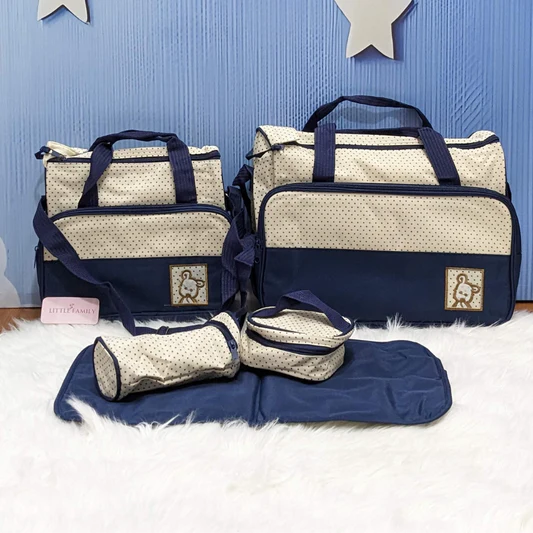
A bag full of stuff is useless if you can’t find anything. Separate your zones into clear or color-coded pouches (diapering, feeding, health, parent) so you can grab exactly what you need one-handed. Snap a photo of the fully packed bag as a reference for late-night repacking. Restock the moment you get home, so a half-empty bag never strands you next time. And rotate seasonally — swap summer hats for winter mittens and check sunscreen expiry dates.
Easily Forgotten Extras
Beyond the obvious, these small items save the day: baby nail clippers or a file, a spare pacifier clip, a few plastic bags for wet clothes or trash, nursing pads, a small flashlight for dark restaurants or nighttime buckling, and a little emergency cash. If this is your very first outing with a newborn, pack the night before, feed your baby right before you leave, bring a partner or friend for backup, choose a destination close to home, and give yourself full permission to leave the moment things go sideways. Getting ready before the baby arrives — see our minimalist baby registry — makes all of this smoother.
Frequently Asked Questions
A reliable rule is one diaper for every hour you’ll be out, plus two extra. So pack about four for a two-hour trip and eight to ten for a full day. Newborns go through diapers fast, so err on the generous side.
Wipes (people run out fast), a change of clothes for the parent, disposal bags, a fully charged power bank, and snacks and water for yourself. A small pouch of these “easy to forget” items, restocked after each trip, prevents most mid-outing scrambles.
No. Bulky coats compress in a crash and leave the harness too loose to protect your baby. Dress them in thin layers, buckle snugly, and add a blanket or car-seat cover over the fastened harness for warmth.
Any bag with enough room and some organization works — a backpack, tote, or even a large purse. Dedicated diaper bags add handy touches like insulated pockets and wipe access, but the best bag is simply the one that fits your family and that you’ll actually carry.
The Bottom Line
Packing a diaper bag is a skill, and like any skill it improves with practice. You’ll forget things, buy wipes at a drugstore someday, and occasionally pack the wrong clothes for the weather — every parent has. But each outing builds your confidence. The ultimate diaper bag isn’t the one with the fanciest organizer or the cutest pattern; it’s the one that works for your baby, your family, and your life. Start with this list, adjust as you go, and get out into the world together.
References
- American Academy of Pediatrics (HealthyChildren.org). Winter Car Seat Safety Tips.
- Centers for Disease Control and Prevention (CDC). Infant Formula Preparation and Storage.
- American Academy of Pediatrics (HealthyChildren.org). Diaper Rash.