Think of the first trimester not as a waiting period, but as a grand construction project happening at a breathtaking, microscopic scale. In just 13 weeks, a single fertilized egg transforms into a fully formed, though tiny, human being with a beating heart, a nascent brain, and the delicate scaffolding for every organ system. This whirlwind of creation—called organogenesis—isn’t fueled by magic. It’s fueled by you. Specifically, by the precise nutritional building blocks you provide at this most vulnerable and decisive time.
This is why the conversation about vitamins for early pregnancy must move beyond a simple checklist. It’s not about ticking a box; it’s about understanding the profound biochemistry of beginnings. The right nutrients in the right forms act as architects, foremen, and raw materials, guiding the miraculous yet precise blueprint of life. Getting this foundation right isn’t just beneficial; it’s foundational to health outcomes that can last a lifetime. This guide is designed to take you from passive consumer to informed participant, arming you with the knowledge to choose and use supplements with clarity and confidence.
The Critical Window: Why the First Trimester Demands Nutritional Precision
To appreciate the urgency, you need to understand the timeline. The neural tube—the structure that becomes your baby’s brain and spinal cord—forms and closes between weeks 4 and 6 of pregnancy. That’s often before many people even miss a period. The heart begins beating around week 5. By the end of the first trimester, every major organ system has been mapped out in miniature.
This furious pace of cell division and specialization has zero tolerance for missing parts. A deficiency of a key nutrient like folate during this window isn’t like missing a brick in a wall built later; it’s like missing a crucial instruction in the architectural plan. The consequences can be permanent.
This is why preconception supplementation is emphasized and why starting a prenatal vitamin the moment you decide to try is the gold standard. You are building a nutritional reservoir for a process that begins in earnest before you even get the confirming test. The goal of first trimester nutrition is precision support for a process that is already fully underway.
The Non-Negotiable Core: The Big Three for Early Development
While many nutrients play a role, these three form an indispensable core team for the earliest stages of development.
Folate (and Its Superstar Form, Methylfolate)
Folate is the undisputed champion of early pregnancy nutrition. Its most famous role is in preventing neural tube defects (NTDs) like spina bifida. But how? Folate is essential for DNA synthesis and repair. As cells divide at an astonishing rate to form the neural tube, folate provides the critical “methyl groups” needed to properly assemble the genetic code in each new cell. Without it, the process can falter.
This brings us to the best form of folate for pregnancy methylfolate vs folic acid debate.
- Folic Acid: This is the synthetic, oxidized form used in most fortified foods and cheaper supplements. Your body must convert it into the active form, L-methylfolate, through a multi-step enzymatic process.
- L-Methylfolate: This is the bioactive, ready-to-use form. The debate centers on the MTHFR gene variation. A significant portion of the population has a less efficient version of the MTHFR enzyme needed for that final conversion. For them, folic acid may not be metabolized effectively. While the science is complex, choosing a prenatal with L-methylfolate is a strategic way to ensure bioavailability for everyone, bypassing potential genetic roadblocks. It’s the most direct route to ensuring those cells get what they need.
Recommendation: Aim for at least 600 mcg (micrograms) of dietary folate equivalents (DFE) daily. A quality prenatal with L-methylfolate provides optimal assurance.
Iodine: The Unsung Hero
If folate is the architect, iodine is the project manager for brain development. Iodine is an essential component of thyroid hormones, which are the primary drivers of fetal neurodevelopment throughout pregnancy, but especially in the first trimester. Severe deficiency can lead to intellectual disabilities.
The problem? Iodine levels in our food supply are inconsistent. Many people avoid iodized salt, and soil depletion means variable levels in crops. Therefore, supplementation is no longer a maybe—it’s a must for pregnancy.
Recommendation: Look for a prenatal containing 150-220 mcg of iodine (often as potassium iodide). This fills the gap to support your thyroid’s massive increase in hormone production.
Vitamin B12: Folate’s Crucial Partner
B12 and folate work in a tightly linked biochemical dance. B12 is required to “recycle” folate in the body, activating it for continuous use. A B12 deficiency can create a functional folate deficiency, even if you’re taking enough folate. This partnership is why their roles in preventing NTDs are intertwined. This is a particular concern for vegetarians and vegans, as B12 is primarily found in animal products.
Recommendation: Ensure your prenatal contains at least 2.6 mcg of vitamin B12 (often as methylcobalamin, another bioactive form). If you follow a plant-based diet, discuss your levels with your provider.
The Essential Support Cast: Key Minerals and Vitamins
With the core team in place, these supporting players ensure the whole project runs smoothly.
Iron: Building Your Blood Supply
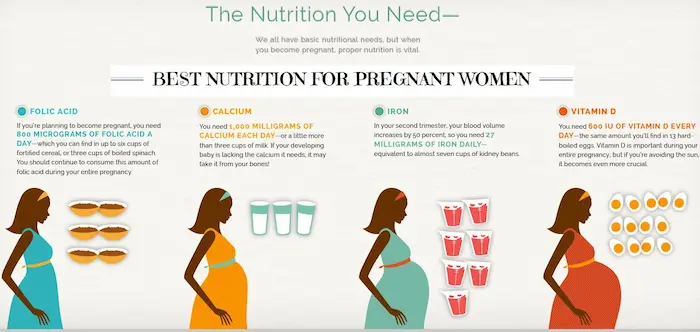
Your blood volume increases by up to 50% during pregnancy to support the placenta and fetus. Iron is the core component of hemoglobin, which carries oxygen in your red blood cells. How much iron do you need in early pregnancy? The RDA jumps from 18 mg to 27 mg daily. Deficiency (anemia) leads to profound fatigue and can impact fetal growth.
Many prenatal vitamins contain iron, but the form (often ferrous sulfate) can cause significant constipation and nausea. Some opt for an iron-free prenatal and take a separate, gentler iron supplement (like ferrous bisglycinate) if testing shows a need. This is a practical conversation to have with your provider.
Vitamin D: The Sunshine Vitamin’s Prenatal Role
Vitamin D promotes calcium absorption for fetal bone development, but its role extends far beyond. It modulates immune function and placental health, with studies suggesting adequate levels may reduce the risk of preeclampsia and preterm birth. Despite the name “sunshine vitamin,” widespread deficiency is common due to sunscreen use, indoor lifestyles, and geographic location.
Recommendation: Most experts agree the standard 400-600 IU in many prenatals is insufficient. Aim for a supplement providing 1000-2000 IU (25-50 mcg) of Vitamin D3 (cholecalciferol), the more effective form. Your provider can check your level via a simple blood test.
Choline: The Brain-Building Powerhouse
Choline is finally getting the attention it deserves. It works alongside folate to prevent NTDs, but its starring role is in building the brain’s structure and supporting memory center development. The importance of choline in first trimester development cannot be overstated—it’s critical for the rapid brain growth happening right now. Astonishingly, most standard prenatal vitamins contain little to no choline, falling far short of the recommended 450 mg daily.
Recommendation: You will likely need to supplement choline separately or seek out a specialty prenatal that includes it. Dietary sources like eggs (especially the yolks), liver, and soy are excellent, but reaching the high pregnancy target through food alone is challenging for most.

The Strategic Considerations: Nutrients for Debate & Timing
Omega-3 DHA: To Start Early or Wait?
DHA is a long-chain omega-3 fat that is a primary structural component of the fetal brain and retina. While the baby’s brain accumulates DHA most rapidly in the third trimester, the foundation is laid in the first. The debate on prenatal vitamin with DHA benefits before 12 weeks often centers on concerns about fish oil burps or nausea. However, starting early ensures you are repleting your own stores (the baby will take what it needs from you) and supporting the earliest stages of neural development. Algae-based DHA is a superb, sustainable, and nausea-friendly option for those sensitive to fish oil.
Vitamin A: Navigating the Fear
Vitamin A is essential for embryonic growth, vision, and immune function. The fear stems from high doses of preformed Vitamin A (retinol, retinyl palmitate), which can be teratogenic. However, provitamin A from beta-carotene—found in colorful vegetables like carrots and sweet potatoes—is perfectly safe. Your body only converts what it needs. A quality prenatal will provide Vitamin A primarily or exclusively as beta-carotene, eliminating this risk.
From Bottle to Plate: Synergy and Selection
How to Choose a Prenatal Vitamin: A Label-Reading Guide
Don’t just grab the prettiest bottle. Be a savvy consumer:
- Look For: L-Methylfolate (or “Metafolin”), Methylcobalamin (B12), Iodine (150-220 mcg), adequate Choline (close to 450 mg), Vitamin D3 (1000+ IU), and Iron (if recommended, in a gentle form).
- Be Wary Of: “Proprietary Blends” that hide individual ingredient doses, excessive retinol forms of Vitamin A, and mega-doses of nutrients that can be harmful (like Vitamin E or Selenium above 100% DV).
- Third-Party Testing: Opt for brands certified by NSF, USP, or ConsumerLab.com, which verify purity, potency, and the absence of contaminants.
The Food-First Foundation
Supplements are named correctly—they supplement a nutrient-dense diet. Prioritize these food sources of key pregnancy nutrients:
- Folate: Lentils, black-eyed peas, dark leafy greens (spinach, kale), asparagus, avocado.
- Choline: Eggs, beef liver, salmon, chickpeas, broccoli.
- Iodine: Seaweed, iodized salt, dairy products, cod.
- Iron: Red meat, lentils, spinach, tofu, pumpkin seeds (pair with Vitamin C for absorption).
- DHA: Fatty fish (salmon, sardines), algae, fortified eggs.
Practical Tips for Compliance
Managing nausea when taking prenatal vitamins is a real hurdle. Try taking them with your largest meal, at bedtime, or even splitting the dose (half in AM, half in PM). If the iron is the issue, ask your provider about switching to a gentler form or an iron-free prenatal until nausea subsides. Consistency matters more than perfection—if you miss a day, don’t double up; just resume your normal schedule.
FAQ: Your Prenatal Supplement Questions, Answered
Q: Do I need a prescription prenatal or is over-the-counter okay?
A: The main difference is often the form of folate and the dose of certain nutrients. Many excellent, high-quality OTC options now contain methylfolate and adequate doses. A prescription may be needed for specific medical conditions (like a history of NTDs) requiring very high-dose folic acid. Discuss options with your provider.
Q: What time of day should I take my prenatal vitamin?
A: There’s no universally perfect time. With food is best to enhance absorption and reduce nausea. If it energizes you, take it in the morning. If it makes you queasy or relaxed, take it at night. The best time is the time you’ll remember consistently.
Q: Can I get enough from food alone?
A: It’s highly unlikely. The demands for folate, iodine, and choline in particular are so high that achieving optimal levels through diet alone in the first trimester is nearly impossible for most. Food provides a crucial synergy and foundation, but a prenatal is essential insurance.
Q: What should I look for on the supplement label?
A: Beyond the nutrient list, check for third-party certification seals (USP, NSF). Look at the “Supplement Facts” panel for the specific forms of nutrients (e.g., “L-Methylfolate” not just “Folate”). Avoid products with excessive fillers, artificial colors, or “blends” with undisclosed amounts.
Q: Are ‘gummy’ prenatal vitamins effective?
A: They can be a good option for those who cannot swallow pills, but beware: they almost universally lack iron and calcium (due to texture issues), and often contain added sugars and lower doses of other nutrients. They are better than nothing, but a comprehensive pill is typically more complete.
Conclusion: An Informed Act of Care
Navigating the world of prenatal supplementation is an exercise in mindful stewardship. It’s about using modern science to honor the ancient, incredible process unfolding within you. By understanding the “why” behind each nutrient, you move from passively following a prescription to actively participating in creating the healthiest possible environment for your baby’s first, most formative days.
Remember, this isn’t about achieving a state of perfect, stress-free nutrition. It’s about making informed, consistent choices that stack the odds in your favor. You are laying a foundation—brick by biochemical brick—for a lifetime of health. That knowledge, and the deliberate actions you take because of it, is one of the most powerful forms of early maternal care there is.