The moment your baby gazes intently at your meal, their tiny mouth mimicking your chewing, a new chapter begins. Starting solids is more than just introducing new nutrients; it’s a profound sensory adventure, a lesson in autonomy, and a foundational step in building a lifelong relationship with food. For parents, it can also be a source of excitement laced with anxiety: When is the right time? What is the best first food for baby? How do I introduce allergens?
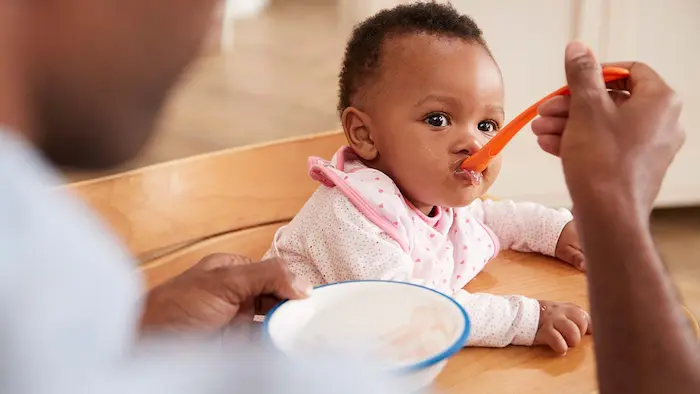
This comprehensive guide is designed to be your trusted companion through this transition. We will move beyond anecdotal advice and outdated norms, grounding every recommendation in the latest evidence from the American Academy of Pediatrics (AAP), the World Health Organization (WHO), and other leading health authorities. Our goal is not to prescribe a single rigid path, but to empower you with the knowledge to navigate the two primary approaches—traditional spoon-feeding and baby-led weaning (BLW)—and to blend them into a strategy that works for your unique child and family.
Let’s begin by shifting the paradigm: this isn’t just about “feeding.” It’s about complementary feeding—where solid foods complement continued breastfeeding or formula, not replace it. It’s about exploration, where the experience of touching, smelling, and tasting is as valuable as the calories consumed. With the right information, you can transform this milestone from a worry into a wonder.
Chapter 1: The Golden Window – Is Your Baby Ready?
Timing is everything. Starting too early can pose risks to immature digestive and immune systems, while starting too late can contribute to nutrient gaps and potential feeding aversions. The AAP and WHO align on a key recommendation: exclusive breastfeeding or formula feeding for about the first six months of life.
However, calendar age is a guidepost, not a gate. True readiness is defined by developmental signs, which typically converge around the middle of the first year. Your baby is likely ready for baby’s first foods when they demonstrate:
The 4 Key Readiness Signs:
- Sitting with Minimal Support: They can sit upright in a highchair with good head and neck control. This is critical for safe swallowing.
- Loss of the Tongue-Thrust Reflex: This innate reflex pushes foreign objects out of the mouth. When it diminishes, your baby can keep food in their mouth and move it to the back to swallow.
- Showing Keen Interest in Food: They watch you eat, reach for your food, and open their mouth when food approaches.
- Ability to Grasp and Guide Objects to Mouth: This hand-eye coordination is essential for self-feeding.
If your baby is about six months old and showing these signs, it’s time to begin. Always confirm readiness with your pediatrician at the six-month well visit.
Chapter 2: The Foundational Nutrients – What to Prioritize
A baby’s nutritional needs shift dramatically at six months. The iron stores they were born with are depleting, and their rapid growth demands new sources of key nutrients. Your initial food choices should be strategic.
Priority #1: Iron
Iron is crucial for brain development and preventing anemia. Excellent first sources include:
- Iron-fortified infant cereal (single-grain like rice or oat): Easily mixed to a thin consistency with breast milk or formula.
- Pureed meats: Beef, lamb, chicken, or turkey. These provide highly bioavailable heme iron.
- Pureed legumes: Lentils, beans, and chickpeas (paired with Vitamin C to enhance absorption).
Priority #2: Zinc
Essential for immune function and cell growth, found in meats, fortified cereals, and legumes.
A Note on Texture:
Start smooth, but progress rapidly. Within weeks, move from runny purees to thicker, mashed textures with soft lumps. This progression is vital for oral motor development, teaching the tongue lateralization and chewing motions, even before teeth erupt.
Chapter 3: Two Paths, One Destination – Purees vs. Baby-Led Weaning
You have two evidence-supported philosophies to consider. Many families find success with a blended approach.
The Traditional Path: Spoon-Fed Purees
- What it is: Parents offer smooth, thin foods from a spoon, gradually increasing texture.
- Potential Benefits: Ensures intake of key nutrients like iron from the start; may ease anxiety for parents concerned about choking; allows for early introduction of challenging textures (like meat) in pureed form.
- Considerations: Follow your baby’s cues to avoid force-feeding. Use responsive feeding: offer the spoon, let them lean in and take it. The CDC emphasizes letting the child decide how much to eat.
The Baby-Led Weaning (BLW) Path
- What it is: Skipping purees, babies feed themselves from the start with appropriately shaped, soft, graspable finger foods.
- Potential Benefits: May promote fine motor skill development, self-regulation of appetite, and acceptance of a wider variety of textures. It encourages family meals from the start.
- Crucial Safety & Practical Notes:
- Food Shape: Offer food in long, thick stick-shaped pieces (about the size of two adult fingers) that baby can palm with a fist and gnaw on, not small, round, or hard chunks.
- Food Softness: Food should be soft enough to mash between your thumb and forefinger (e.g., steamed broccoli floret, soft pear spear, avocado wedge).
- Choking vs. Gagging: Understand the difference. Gagging is a normal, protective reflex that pushes food forward; it’s loud, wet, and common. Choking is silent, with an inability to cough or breathe. All parents should be trained in infant CPR.
- Nutrition: Be intentional about offering iron-rich finger foods (e.g., soft meatball, iron-fortified pancake strip).
The Balanced, Hybrid Approach
This is often the most practical real-world method. You might:
- Offer an iron-fortified cereal or yogurt for breakfast (spoon-fed).
- Let baby self-feed steamed vegetable spears and soft fruit at lunch.
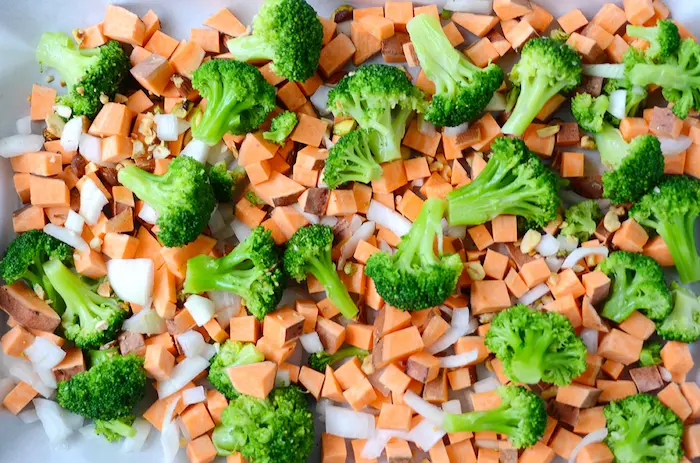
- Serve a family meal of mashed sweet potato and shredded chicken that can be eaten with hands or a pre-loaded spoon.
Chapter 4: The Allergen Introduction Revolution – No More Delaying
This is the single most significant change in pediatric nutrition guidance in the last decade. Old advice: Delay common allergens. New evidence: Early and sustained introduction may help prevent food allergies.
The Current Guidelines:
The AAP and the National Institute of Allergy and Infectious Diseases (NIAID) recommend introducing allergenic foods around 6 months of age, once a few other complementary foods have been tolerated, for infants without severe eczema or a known food allergy. For high-risk infants, consult your pediatrician for a specific plan, which may involve earlier, in-office introduction.
How to Introduce Top Allergens Safely:
- Introduce one at a time, at home, in the morning or early afternoon (not right before bedtime).
- Start with a small amount: A small smear of thinned peanut butter mixed into oatmeal, a dab of scrambled egg.
- Watch for a reaction (hives, vomiting, facial swelling) for 2-3 hours.
- If no reaction, continue serving that food regularly (2-3 times per week) as part of a varied diet. Consistency is key for maintaining tolerance.
Common allergens to introduce include: peanut, egg, dairy (yogurt, cheese), soy, wheat, tree nuts, sesame, fish, and shellfish.
Chapter 5: The Practical Toolkit – A Step-by-Step First Month Plan
Week 1-2: The Introduction
- First Food: Iron-fortified single-grain cereal (rice or oat) or a smooth, iron-rich puree like beef or lamb.
- Timing: Offer once a day, about an hour after a milk feed, when baby is alert but not starving.
- Portion: 1-2 teaspoons. It’s about taste, not fullness.
- Method: Use a soft-tipped spoon. Place a small amount on the spoon and bring it to their lips, letting them lean forward to take it.
Week 3-4: Expanding the Palette
- Add: A single-ingredient vegetable puree (sweet potato, carrot, avocado). Then a fruit (pear, banana). Follow the “3-day rule” loosely—wait a few days between new foods to monitor for reactions.
- Texture: Begin mashing instead of pureeing completely.
- If doing BLW: Start with one BLW-style meal per day. Perfect first foods: a long, soft steamed carrot stick, a thick avocado wedge with skin on for grip, or a strip of well-cooked omelet.
Beyond Month 1: Building Variety
- Combine Flavors: Mix purees (peas + pear, chicken + squash).
- Offer Finger Foods: Regardless of your primary method, introduce soft, graspable foods to practice chewing.
- Increase Frequency: Move to two, then three meals a day by 8-9 months, following baby’s hunger cues.
Chapter 6: Safety, Gear, and Building Healthy Habits
Essential Safety Rules:
- Always supervise during meals.
- Ensure proper sitting position (upright in a highchair, never reclining).
- Know infant CPR. It’s the ultimate safety net.
- Avoid honey (risk of infant botulism) and unpasteurized foods before age 1.
- Limit high-nitrate vegetables (like spinach, beets) in large quantities for very young infants; cooking reduces this risk.
Helpful Gear:
- Highchair with a footrest: Supports posture.
- Soft-tipped weaning spoons
- Splat mat for easy cleanup.
- Small, open cup or straw cup for water with meals (introduced at 6 months).
Fostering a Positive Food Relationship:
- Follow responsive feeding: Let your baby’s cues guide when they are finished.
- Embrace the mess. It’s part of sensory learning.
- Eat together as a family whenever possible.
- Stay neutral. Avoid praising for “cleaning the plate” or showing stress over rejected foods. Repeated exposure without pressure is key.
Chapter 7: Troubleshooting Common Concerns
My baby gags a lot. Is this normal?
Yes. Gagging is a natural, protective reflex. It moves food forward and teaches your baby the boundaries of their mouth. It typically becomes less frequent with experience. Stay calm; reacting loudly can frighten them.
My baby refuses food/spits it out.
This is common. It may be the new texture, taste, or simply a sign they’re not hungry. Never force-feed. Offer the food again another day. It can take 10-15 exposures for acceptance.
Is my baby getting enough?
In the early months, solids are complementary. Trust that breast milk or formula is still the primary source. Signs of adequate intake: steady growth, contentment between feeds, increasing interest in food over time, and 4-6 wet diapers daily.
When can my baby have water?
Small sips of water from an open or straw cup can be offered with meals starting at 6 months. It aids with swallowing and introduces cup skills. Limit to a few ounces to avoid displacing milk.
How do I transition from purees to textures?
Progress intentionally. Add finely mashed texture to smooth purees. Offer soft, meltable finger foods (e.g., puffs, soft cheese cubes) alongside the puree. Let them practice with a pre-loaded spoon.
Conclusion: The Journey of a Thousand Bites Begins with One
Starting solids is a process of discovery—for your baby, who is encountering a world of new flavors and sensations, and for you, as you learn to trust their capabilities and innate wisdom. There is no single “right” way that works for every family. The best approach is an informed, flexible, and responsive one.
Anchor your decisions in the evidence-based pillars outlined here: waiting for true readiness, prioritizing iron and zinc, introducing allergens early and often, and progressing textures to build oral skills. Whether you choose purees, baby-led weaning, or a blend, the ultimate goal is the same: to raise a healthy, confident eater who views food with curiosity and joy.
Let go of perfection. Celebrate the food-smeared face, the successful grasp of a green bean, the curious first lick of lemon. This is the messy, beautiful beginning of a lifelong adventure in nourishment. You and your baby are learning together. Trust the process, consult your pediatrician as your partner, and savor this delicious milestone.
Sources and Further Reading:
- American Academy of Pediatrics. (2022). Starting Solid Foods.
- World Health Organization. (2021). Guiding principles for complementary feeding of the breastfed child.
- Centers for Disease Control and Prevention. (2023). When, What, and How to Introduce Solid Foods.
- National Institutes of Health. (2017). Addendum Guidelines for the Prevention of Peanut Allergy.
- Mayo Clinic. (2022). Solid foods: How to get your baby started.
- Journal of the Academy of Nutrition and Dietetics. (2021). A Systematic Review of Baby-Led Weaning Literature.