Bringing a baby into the world is an incredible, life-changing physical feat. Whether you delivered vaginally or by C-section, your body has moved through nine months of transformation followed by a major biological event. In the weeks that follow, the fourth trimester, it enters a season of recovery, repair, and for many mothers the demanding work of lactation. A thoughtful postnatal diet plan gives that recovery the fuel it needs.
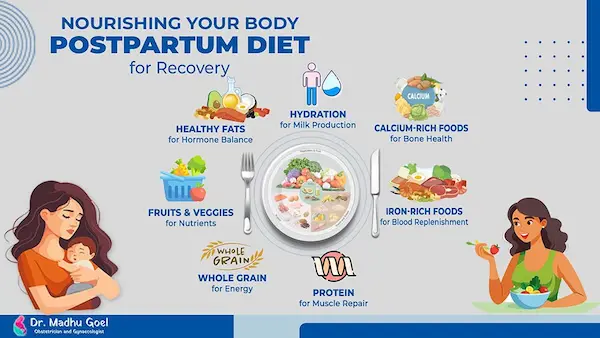
The world often shifts entirely to the newborn the moment they arrive, but your health as a mother matters just as much. A good postnatal diet is not about “bouncing back” or racing to a pre-pregnancy weight. It is about fueling tissue repair, replenishing the nutrient stores you shared with your baby, steadying your mood, and giving you the energy to make quality milk. The American College of Obstetricians and Gynecologists (ACOG) calls this a prime time to optimize your nutrition as your body returns to its non-pregnant state.
Why Postnatal Nutrition Differs From Pregnancy
During pregnancy the focus was often “eating for two,” heavy on folic acid and iron. Once the baby arrives, priorities shift toward recovery and sustainability. Your body is healing and repairing tissue, and after a C-section it is also recovering from surgery, which needs extra protein. Blood loss during delivery can lower iron and lead to postpartum anemia and exhaustion. The right nutrients help balance hormones like insulin and cortisol that shape your energy and mood. And if you are breastfeeding, your body needs roughly 450 to 500 extra calories a day to keep up, according to the Centers for Disease Control and Prevention (CDC).
The Foundations of a Healing Postnatal Diet
1. Protein for Repair
Protein is the building block for healing. As your uterus shrinks back to size and any incisions or tears close, they need quality fuel, so include a protein source at every meal: lean meats, poultry, fatty fish like salmon (which adds DHA for your baby’s brain), eggs, beans, and full-fat Greek yogurt. Protein supplies the amino acids for wound healing and helps you hold on to muscle as you slowly become more active.
2. Complex Carbohydrates for Lasting Energy
Sleep deprivation is almost a given with a newborn, and sugary snacks only bring a crash. Complex carbs release energy slowly, so lean on oatmeal, quinoa, brown rice, sweet potatoes, and whole-grain breads. Oats are a classic pick for nursing mothers because their iron and beta-glucan fiber help steady energy and support supply, which our roundup of superfoods to boost milk supply explores in detail.
3. Healthy Fats for Your Brain and Baby
Healthy fats help you absorb vitamins A, D, E, and K and support your nervous system, and while nursing they are a primary component of your milk. Reach for avocados, nuts (especially almonds), seeds like chia, flax, and hemp, and extra virgin olive oil. The omega-3 DHA in fish is critical for your baby’s brain development and may help lower your own risk of postpartum depression.
4. Hydration
Staying hydrated may be the single most important part of your plan, since water is the main ingredient in breast milk; when you are dehydrated, supply can dip and fatigue and constipation set in. The Mayo Clinic suggests breastfeeding women aim for about 13 cups (3.1 liters) of fluid daily from drinks and food. Keep a large insulated bottle at your feeding station and drink a glass every time you sit down to nurse or pump.
Vital Micronutrients for Healing
If macronutrients supply energy, micronutrients are the tools your body uses for the actual repairs. Iron is a priority, since many women are low by the third trimester and birth depletes it further, leaving you tired, dizzy, or foggy; get it from lean red meat, spinach, lentils, and fortified cereals, and pair it with vitamin C from citrus or bell peppers to absorb more. Calcium matters because nursing can pull it from your bones, so aim for around 1,000 mg a day from dairy, fortified plant milks, and dark leafy greens like kale. And choline, the often-forgotten nutrient, is vital for your infant’s brain development and passes through your milk; find it in egg yolks, lean beef, salmon, chicken, and Brussels sprouts. A prenatal or postnatal vitamin helps cover the gaps, as our postpartum vitamins guide explains.
A Simple 3-Day Sample Menu
Use this as a flexible, nutrient-rich template you can put together even with a baby in your arms. For more grab-and-go ideas, our smoothies for new moms slot neatly into any breakfast or snack.
Day 1: Fuel and Focus
- Breakfast: scrambled eggs with toast and half an avocado, plus a small bowl of mixed berries.
- Lunch: a large salad with mixed greens, grilled chicken, quinoa, and lemon-olive oil dressing.
- Snack: Greek yogurt with flaxseeds and sliced almonds.
- Dinner: baked salmon with a honey-mustard glaze, roasted sweet potatoes, and steamed broccoli.
- Hydration: water infused with cucumber and mint.
Day 2: Lactation Support
- Breakfast: warm oatmeal made with milk, topped with sliced banana and a dollop of almond butter.
- Lunch: a whole-wheat turkey wrap with hummus, spinach, and a little shredded cheese.
- Snack: a handful of trail mix with almonds, dried fruit, and a few dark chocolate chips.
- Dinner: lentil vegetable soup with a slice of whole-grain bread.
- Hydration: coconut water for electrolytes, plus plenty of plain water.
Day 3: The Healing Menu
- Breakfast: a smoothie with spinach, mango, kefir, and a scoop of collagen peptides.
- Lunch: leftover lentil soup, or a quick tuna salad sandwich on whole grain.
- Snack: apple slices with a few slices of cheddar.
- Dinner: a beef and vegetable stir-fry with brown rice, ginger, and soy.
- Hydration: herbal tea such as rooibos or chamomile.

Foods to Enjoy in Moderation
Balance is the goal, though a few things call for a little caution while you heal and your baby develops. You do not have to give up coffee, but the CDC notes caffeine passes into breast milk and can make some babies fussy, so about two cups (300 mg) a day is usually fine. With alcohol, safety comes first; if you drink, the general guidance is to wait at least two hours per drink before nursing. Avoid high-mercury fish like swordfish or king mackerel, which can affect a baby’s nervous system, and choose salmon, shrimp, or light canned tuna instead. And ultra-processed foods high in sugar and unhealthy fats can leave you sluggish exactly when you need steady energy.
Solving Common Postpartum Hurdles Through Food
Constipation is common as hormones shift and some medications slow things down; add fiber gradually through fruit and whole grains, drink plenty of water, and lean on gentle helpers like prunes and pears. For weight changes, be patient with yourself, since losing weight too fast can lower milk supply for nursing mothers. A slow, steady pace of roughly one to two pounds a week, built on nutrient-dense food and gentle walks once your doctor clears you, is far kinder to your body; our guide to realistic postpartum weight loss sets healthy expectations. For your mental health, the gut-brain link is powerful, so probiotic foods like yogurt and kefir plus prebiotic fibers like bananas and garlic support a healthy gut that can help steady your mood. If low mood lingers, our guide on the signs of postpartum depression can help you know when to reach out.
Smart Meal Prep for Tired Parents
Knowing what to eat is one thing; making it on broken sleep is another. When friends offer help, ask for easy-to-reheat meals like soups or casseroles, and treat your freezer as your best friend. Keep a one-handed snack basket of granola bars, nuts, and fruit by your nursing chair so you can eat while feeding. And prep overnight oats the night before for a ready breakfast that needs zero cooking.
Frequently Asked Questions
The Mayo Clinic notes that breastfeeding women typically need about 450 to 500 extra calories a day compared with before pregnancy. The exact number varies with your activity level and how exclusively you nurse.
Sometimes. A few babies are sensitive to proteins like cow’s milk or soy in the mother’s diet. If yours is persistently gassy, fussy, or has eczema, ask your pediatrician, who may suggest a supervised elimination diet. Cruciferous veggies can gas up the mother without transferring gas to the baby.
Many providers suggest continuing a prenatal vitamin while breastfeeding to meet higher needs for nutrients like iodine and choline. The AAP recommends 400 IU of vitamin D daily for breastfed infants, and vegan mothers may also need B12.
Crash dieting or severely cutting calories is not safe while nursing, since it can reduce your supply. Focus on nutrient density rather than restriction, and aim for gradual, gentle changes with your provider’s guidance.
It depends on your delivery and health. Doctors often suggest waiting until the six-week checkup for high-impact exercise, though gentle walking and pelvic floor work can usually begin sooner. Always get clearance from your provider first.
Lean on protein for tissue repair (eggs, chicken, fish), vitamin C for wound healing (citrus, bell peppers), and iron to replace blood loss (spinach, red meat). Limit constipating foods, since straining can irritate the incision.
Nourish Your Recovery
The postpartum weeks are a season of huge transition. When you see food as a way to heal and nourish yourself rather than one more chore, you give your body its best chance to recover strongly. Focus on whole foods, stay hydrated, and remember you are doing remarkable work. As always, check in with your doctor or a dietitian before making major changes, especially if you have specific health needs or dietary restrictions.
References
- American College of Obstetricians and Gynecologists. (2023). Nutrition during pregnancy and postpartum. acog.org/womens-health
- Centers for Disease Control and Prevention. (2024). Maternal diet while breastfeeding. cdc.gov/breastfeeding
- Mayo Clinic Staff. (2024). Breastfeeding nutrition: Tips for moms. mayoclinic.org
- World Health Organization. (2016). Iron supplementation in postpartum women. who.int/publications/i/item/9789241549585
- American Academy of Pediatrics. (2022). Vitamin D and infant nutrition. healthychildren.org