The postpartum period, often referred to as the “fourth trimester,” is a beautiful yet intense whirlwind of sleepless nights, endless diaper changes, and the incredible physical task of recovering from childbirth. For breastfeeding mothers, this journey also includes the demanding job of producing nutrient-dense milk to nourish a growing infant.
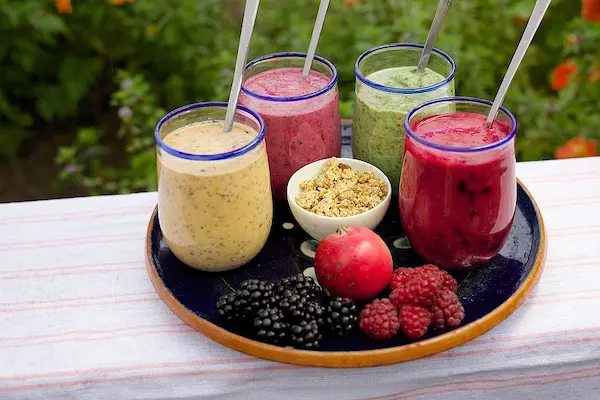
During these chaotic early weeks, sitting down to a full, balanced meal can often feel like an impossible luxury. This is where the humble smoothie truly shines as a new mother’s best friend.
Smoothies are far more than just a quick snack; they are a powerful way to pack in dense nutrition. When you build them the right way, a single smoothie can provide protein for tissue repair, healthy fats for hormone regulation and baby’s brain development, fiber for digestion, and the hydration necessary for milk production. Best of all, you can enjoy it with one hand while nursing or snuggling your little one.
According to the American College of Obstetricians and Gynecologists (ACOG), your nutritional needs remain high after delivery to support the body’s natural healing processes. This guide is designed to walk you through everything you need to know to craft the perfect smoothie for your postpartum recovery and lactation journey.
Why Smoothies Are Ideal for the Fourth Trimester
Before we jump into the recipes, it’s helpful to understand why smoothies are so perfectly suited to the postnatal phase of life.
- A Hydration Boost: Since breast milk is roughly 87% water, staying hydrated is essential. The Centers for Disease Control and Prevention (CDC) stresses the importance of increased fluid intake for breastfeeding women. By using a base of milk, coconut water, or yogurt, your smoothie becomes a delicious way to meet your daily fluid goals.
- Gentle on Digestion: Your digestive system needs time to readjust after birth. Blending your fruits and vegetables breaks down their cell walls, making it easier for your body to absorb nutrients and reducing the bloating that often comes from eating large amounts of raw fiber.
- Concentrated Nutrition: You can fit far more nutrient-dense ingredients into a 16-ounce glass than you could likely eat in a standard meal. This is a lifesaver for moms who are simply too exhausted to prep elaborate plates or spend time chewing through a large salad.
- Steady Energy Levels: Unlike sugary cereals or processed bars that lead to a crash, a smoothie balanced with protein, healthy fats, and fiber provides a slow, steady release of energy. This helps prevent the “energy dips” that make caring for a newborn even more challenging.
The Postnatal Smoothie Formula: Your 5-Part Blueprint
To make sure your smoothie truly supports healing and lactation, it needs to be more than just fruit and ice. Follow this five-part blueprint, which is based on nutritional principles supported by the Mayo Clinic and Johns Hopkins Medicine.
1. The Liquid Base (For Hydration)
Start with 1 to 1.5 cups of your preferred liquid. This will determine the creaminess and the core nutrient profile of your drink.
- Top Picks: Whole milk or unsweetened fortified almond/oat milk (great for Calcium and Vitamin D), coconut water (for natural electrolytes), or kefir (to support gut health with probiotics).
2. The Leafy Greens (For Micronutrients)
Adding a handful of greens provides folate, iron, and Vitamin K without drastically changing the flavor of your smoothie.
- Top Picks: Fresh baby spinach has the mildest flavor, while kale offers a higher iron content.
3. The Fruit (For Carbs & Flavor)
Fruit provides natural sweetness and quick energy. It’s often best to focus on low-glycemic options to keep your blood sugar stable throughout the morning.
- Top Picks: Berries like blueberries, strawberries, and raspberries are rich in antioxidants and lower in sugar. Bananas are excellent for adding creaminess and potassium.
4. Protein & Healthy Fats (For Satiety & Milk Quality)
This is arguably the most important step for a new mom. Protein is vital for tissue repair, while healthy fats are essential for hormone production and your baby’s brain development.
- Top Picks: Greek yogurt (high in protein), nut butters (almond or peanut), chia seeds, flaxseed meal (for extra fiber), or hemp hearts.
5. Lactation Boosters (Galactagogues)
These are specific foods traditionally believed to help support and maintain milk production. While scientific research is ongoing, these ingredients are incredibly nutrient-dense and safe to include.
- Top Picks: Rolled oats (rich in iron and beta-glucan), brewer’s yeast (a powerhouse of B vitamins), and ground flaxseed.
5 Targeted Smoothie Recipes for New Moms
Here are five unique smoothie recipes, each carefully designed to address a specific postpartum need.
1. The “Colostrum to Milk” Booster (Lactation Support)
Best for: Moms in the first few weeks who are looking to establish a robust milk supply.
This recipe is filled with classic galactagogues and healthy fats to support your body’s transition from colostrum to mature breast milk.
- 1 cup unsweetened oat milk (or whole milk)
- 1/4 cup rolled oats (dry)
- 1 tbsp almond butter
- 1 tbsp flaxseed meal
- 1 small frozen banana
- 1 tsp maple syrup (optional)
- Pinch of cinnamon
Why it works: Oats are a traditional favorite for lactation, and flaxseed provides essential omega-3 fatty acids. The American Academy of Pediatrics (AAP) emphasizes the importance of DHA and other fatty acids for a baby’s brain development, which these healthy fats directly support.
2. The C-Section Recovery Smoothie (Tissue Repair & Iron)
Best for: Moms recovering from Cesarean sections or significant perineal tearing.
Healing from surgery requires a high intake of protein and iron to rebuild tissue and replenish blood loss.
- 1 cup organic tart cherry juice (contains antioxidants and natural melatonin to help with sleep)
- 1 scoop unflavored or vanilla collagen peptides (or a high-quality protein powder)
- 1 cup fresh spinach
- 1/2 cup cooked and cooled beet (rich in iron and nitrates for improved blood flow)
- 1/2 cup frozen pineapple (contains Vitamin C to significantly boost iron absorption)
Why it works: Collagen provides the specific amino acids needed for skin and connective tissue repair. Beets are an excellent source of iron and folate, which are crucial for fighting postpartum anemia—a condition the World Health Organization (WHO) notes is common following childbirth.
3. The “Morning Energy” Smoothie (Iron & B Vitamins)
Best for: Combating the intense fatigue that comes with sleep deprivation.
This blend is designed to provide sustained energy without the subsequent sugar crash.
- 1 cup plain Greek yogurt (high in protein)
- 1/2 cup water
- 1 small apple, cored
- 2 tbsp hemp hearts (a complete protein that is also rich in magnesium)
- 1 tbsp blackstrap molasses (a surprising and potent source of iron and calcium)
- 1/2 tsp cinnamon
Why it works: Greek yogurt keeps you feeling full, while blackstrap molasses acts as a mineral powerhouse. Hemp hearts offer magnesium, which can assist with muscle relaxation and better sleep quality during those short rest windows.
4. The “Baby Brain” DHA Booster (Infant Development)
Best for: Supporting your baby’s brain and eye development through your breast milk.
Docosahexaenoic acid (DHA) is vital for a baby’s brain growth. If you aren’t consuming fatty fish several times a week, this smoothie is a great way to bridge the gap.
- 1 cup whole milk or fortified soy milk
- 1/4 cup walnuts (one of the best plant-based sources of omega-3s)
- 1 cup frozen mixed berries
- 1 tbsp chia seeds
- 1 handful spinach
Why it works: The AAP recommends that breastfeeding mothers maintain an adequate intake of DHA. This smoothie combines walnuts and chia seeds to provide alpha-linolenic acid (ALA), which the body can then convert into DHA.
5. The Digestive Aid Smoothie (Constipation Relief)
Best for: Moms struggling with postpartum constipation, which is common due to iron supplements or pain medications.
- 1 cup kefir or plain yogurt (for probiotics and gut health)
- 1 pear, cored (high in fiber and known for its natural laxative effect)
- 1 tbsp ground flaxseed (for soluble fiber)
- 1/2 cup frozen papaya or mango (contains natural digestive enzymes)
- Ginger (a 1-inch piece, peeled, for its anti-inflammatory properties)
Why it works: Postpartum constipation is a very common hurdle. This smoothie combines probiotics, soluble fiber, and natural enzymes to help get things moving comfortably again.
Stocking the Postpartum Pantry: Prep Tips for Busy Moms
The hardest part of eating well as a new mom is the effort required to prepare food. Here are some ways to make your smoothie routine completely effortless.
Freezer Smoothie Packs
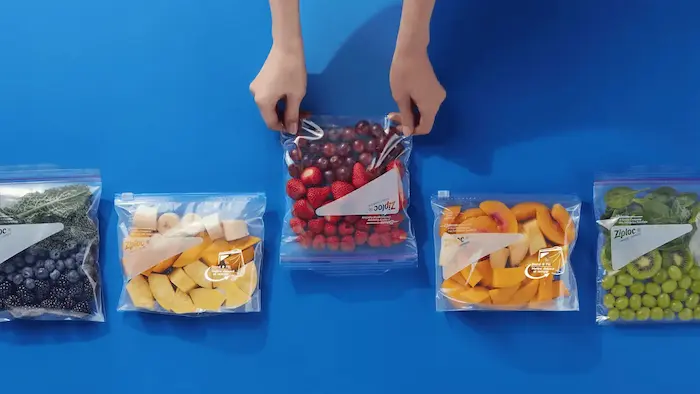
Set aside 20 minutes (or ask a partner or friend to help) to assemble a week’s worth of freezer bags.
- Portion your fruits, greens, and dry ingredients (like oats and flax) into individual zip-top bags.
- Label each bag with the date and any liquid or base instructions.
- When you’re ready, simply dump the bag into the blender, add your liquid, and blend!
Must-Have Shopping List Ingredients
- Frozen Fruits: Bananas (peel and freeze very ripe ones), berries, mango, and pineapple.
- Fresh Greens: A large container of spinach (which can also be frozen if you aren’t using it fast enough).
- Proteins & Fats: Chia seeds, flax meal, hemp hearts, and almond butter.
- Liquids: Stock up on shelf-stable cartons of oat or almond milk for those times you can’t get to the grocery store.
Ingredients to Approach with Caution
While smoothies are generally a safe and healthy option, it’s good to keep a few things in mind.
- High-Oxalate Greens: If you use kale or Swiss chard every single day, be aware that they are high in oxalates. If you have a history of kidney stones, try rotating them with lower-oxalate options like spinach.
- Added Sugars: Try to avoid using fruit juices as your main base, as they can cause blood sugar spikes. Similarly, watch out for pre-made yogurts that contain heavy fruit syrups.
- Herbal Supplements: Even though ingredients like fenugreek are popular for lactation, they can sometimes interact with medications or cause stomach upset. Since the Food and Drug Administration (FDA) does not regulate supplements strictly, it is often safest to stick with whole foods like oats and flaxseed.
Frequently Asked Questions About Smoothies and Postpartum Health
1. Can smoothies really help increase my milk supply?
They certainly can help, primarily by keeping you well-hydrated. Dehydration is one of the fastest ways to see a dip in milk production. Additionally, nutrient-dense foods like oats and healthy fats provide your body with the raw materials needed for high-quality milk. Just remember that milk supply is mostly driven by supply and demand (frequent nursing or pumping), not just the food you eat.
2. Is it safe to have a green smoothie every day?
Absolutely! Spinach and kale are fantastic sources of Vitamin A, Vitamin C, calcium, and iron. Rotating your greens is a great way to ensure you’re getting a wide variety of nutrients. The Mayo Clinic confirms that dark, leafy greens are an essential component of a healthy postpartum diet.
3. I’m vegan. Can I still make these smoothies work?
Yes, definitely. Simply use fortified plant milks (like soy, oat, or almond) and swap out the yogurt for a plant-based, unsweetened version. Hemp hearts and chia seeds will become your primary sources of protein and fat. You might also consider adding a vegan protein powder. Vegan mothers should be particularly mindful of Vitamin B12, as it is mainly found in animal products and is crucial for your baby. The AAP recommends B12 supplementation for breastfeeding mothers on a vegan diet.
4. How soon after birth can I start drinking cold smoothies?
In Western medicine, there are no medical restrictions against cold drinks after birth. However, if you follow cultural traditions that advise against them, or if you simply find cold drinks uncomfortable right now, you can use room-temperature liquids or add warming spices like ginger and cinnamon to your blend.
5. Can I use protein powder while breastfeeding?
Generally, yes, but it’s important to choose a high-quality option. Look for powders with minimal ingredients and no artificial sweeteners. Avoid any “weight loss” or “thermogenic” powders that contain stimulants. Whey, collagen, and pea protein are typically considered safe choices. When in doubt, it’s always best to check with your healthcare provider.
Conclusion
Navigating the early days of motherhood is challenging enough without the added stress of meal prep. By utilizing the simplicity of smoothies, you can ensure your body gets the vital nutrition it needs to heal, recover, and nourish your new baby.
Whether you’re using the C-section recovery blend or a simple lactation booster, these recipes are meant to be flexible and focused on the power of whole foods. Keep your blender ready, your freezer stocked, and remember that nourishing yourself is one of the most important ways you can care for your little one.