Bringing a baby into the world transforms your body in extraordinary ways. Over nine months, you grew a human being, and your body expanded and adapted to nurture that life. Now, in the postpartum period, you may be wondering when and how your body will change again.
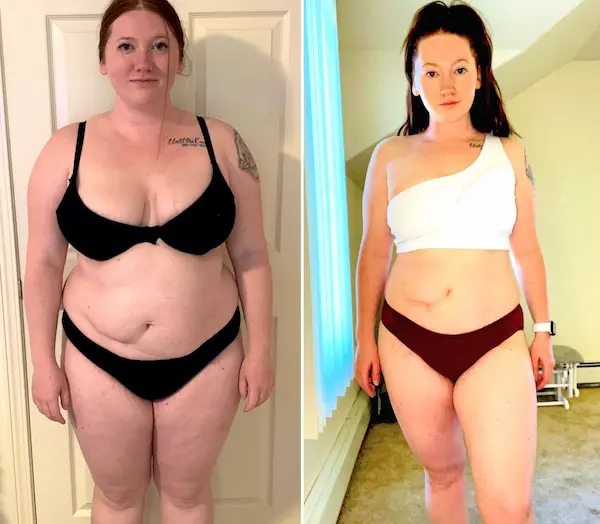
If you are a new mother navigating the complex emotions around postpartum weight loss, you are not alone. The pressure to “bounce back” is everywhere, from social media to well-meaning comments from friends and family. But the truth about postpartum weight loss is far more nuanced—and far more forgiving—than magazine covers suggest.
This comprehensive guide will walk you through the healthy timeline for postpartum weight loss, what to expect at each stage, factors that influence your journey, and how to support your body’s recovery while letting go of unrealistic expectations.
Understanding What “Postpartum Weight” Actually Includes
Before discussing weight loss, it helps to understand what contributed to your pregnancy weight gain in the first place. This knowledge frames the conversation around what is realistic and healthy.
The Components of Pregnancy Weight
According to the American College of Obstetricians and Gynecologists (ACOG) , typical pregnancy weight gain is distributed as follows:
- Baby: 7-8 pounds
- Placenta: 1.5-2 pounds
- Amniotic fluid: 2-2.5 pounds
- Increased blood volume: 3-4 pounds
- Increased fluid volume: 2-3 pounds
- Uterus growth: 2-5 pounds
- Breast tissue: 1-3 pounds
- Fat stores (for energy and breastfeeding): 5-9 pounds
This means that even after delivery, your body retains fluids, expanded blood volume, and the physical structures that supported your pregnancy. The Mayo Clinic explains that immediate postpartum weight loss typically accounts for the baby, placenta, and amniotic fluid—about 10-12 pounds [1].
The Postpartum Weight Loss Timeline: What to Expect When
Weight loss after pregnancy follows a natural progression. Understanding this timeline helps set realistic expectations and prevents discouragement.
Week 1: Immediate Postpartum Loss
What happens:
- You lose approximately 10-12 pounds immediately after delivery (baby, placenta, amniotic fluid)
- Additional fluid loss occurs as your body sheds retained pregnancy fluids
- You may notice increased urination and sweating (especially at night) as your body eliminates excess fluid
What to expect:
- Your body will still look pregnant—this is normal
- The uterus remains enlarged and will take weeks to shrink
- Swelling in hands, feet, and face gradually decreases
Weeks 2 to 6: The Early Postpartum Period
What happens:
- Continued fluid loss as blood volume decreases
- Uterus shrinks from approximately 2.5 pounds to 2 ounces by 6 weeks
- Lochia (postpartum bleeding) gradually decreases
- Weight loss averages 1-2 pounds per week for many women
What to expect:
- Weight loss may feel inconsistent—some weeks show progress, others do not
- Breastfeeding mothers may notice increased hunger and thirst
- Your body is healing—weight loss is secondary to recovery
The Centers for Disease Control and Prevention (CDC) emphasizes that gradual weight loss during this period supports healing and energy needs [2].
Months 2 to 6: The Active Weight Loss Phase
What happens:
- Most women lose additional weight during this period
- Breastfeeding mothers may experience more consistent loss
- Weight loss averages 1-1.5 pounds per week for those actively working on it
- Some women plateau or experience slower loss
What to expect:
- Weight loss naturally slows as you get closer to your baseline
- Body composition changes may not fully reflect on the scale
- You may notice clothes fitting differently even if weight hasn’t dropped significantly
Months 6 to 12: The Stabilization Phase
What happens:
- Weight loss typically plateaus
- Most women reach a stable weight by 6-12 months postpartum
- This weight may be higher or lower than pre-pregnancy weight
- Body composition continues changing even without scale movement
What to expect:
- Your “new normal” weight may be different from pre-pregnancy
- Some women return to pre-pregnancy weight; many do not—both are normal
- Focus shifts from weight loss to overall health and strength
Beyond One Year: Long-Term Body Changes
Many women find that their bodies continue evolving beyond the first year:
- Final weight stabilizes
- Body composition settles
- Shape may be permanently different (wider hips, different fat distribution)
- Acceptance of the “postpartum body” as the new normal
Factors That Influence Postpartum Weight Loss
Every woman’s journey is unique. Several factors affect how quickly and easily weight comes off.
Breastfeeding
Breastfeeding burns approximately 300-500 calories daily to produce milk [1]. The Mayo Clinic notes that breastfeeding mothers may lose weight more quickly in the first 3-6 months postpartum.
However, breastfeeding also:
- Increases appetite and thirst
- Requires adequate nutrition for milk production
- May cause some women to hold onto weight (evolutionary adaptation to ensure energy for nursing)
The reality: Some women lose weight easily while nursing; others retain weight until weaning. Both are normal variations.
Sleep
Sleep deprivation significantly impacts weight loss:
- Disrupts hunger hormones (ghrelin increases, leptin decreases)
- Increases cravings for high-carbohydrate, high-sugar foods
- Reduces motivation for physical activity
- Slows metabolism
The CDC notes that sleep and weight are closely connected, and new mothers are particularly vulnerable to sleep-related weight challenges [2].
Delivery Type
Vaginal delivery: Recovery is generally faster, allowing earlier return to physical activity. However, pelvic floor considerations may affect exercise choices.
C-section delivery: Recovery takes longer—typically 6-8 weeks before exercise clearance. Abdominal healing requires patience. Weight loss may initially be slower due to activity restrictions.
Pre-Pregnancy Weight
Women who started pregnancy at a healthy weight typically lose pregnancy weight faster than those who were underweight or overweight [1]. However, individual variation is significant.
Genetics
Genetic factors influence:
- Metabolic rate
- Where your body stores fat
- How quickly you lose weight
- Your “set point” weight
Some women naturally return to pre-pregnancy weight; others settle at a different baseline.
Age
Metabolism naturally slows with age. Older mothers may experience slower weight loss than younger mothers [3].
Parity (Number of Pregnancies)
Each pregnancy can permanently alter body composition. Many women find that after multiple pregnancies, their baseline weight shifts upward.
Healthy vs. Unhealthy Weight Loss: Finding the Balance
In the rush to “get your body back,” it is easy to fall into unhealthy patterns. Understanding the difference between healthy and harmful approaches protects your long-term wellbeing.
Healthy Weight Loss Markers
- Rate: 1-2 pounds per week (or less) after the first few weeks
- Energy: You have enough energy to care for yourself and baby
- Milk supply: Breastfeeding mothers maintain adequate milk production
- Mood: Weight loss efforts do not trigger or worsen depression/anxiety
- Sustainability: Approaches you could maintain long-term
Unhealthy Weight Loss Markers
- Rate: More than 2 pounds weekly after the first month
- Restriction: Severely limiting calories (especially below 1800 daily for breastfeeding mothers)
- Exhaustion: Fatigue that interferes with daily function
- Milk supply drop: Significant decrease in breast milk
- Obsession: Preoccupation with weight that interferes with bonding or enjoyment
- Disordered eating: Skipping meals, purging, or extreme dieting
The Postpartum Weight Loss Paradox
New mothers face a unique challenge: you need adequate nutrition to heal and (if breastfeeding) produce milk, but you may also want to lose weight. This requires a balanced approach that neither restricts nor ignores nutrition.
The Academy of Nutrition and Dietetics recommends that breastfeeding mothers consume at least 1800 calories daily and never drop below this threshold while nursing [4].
Nutrition for Healthy Postpartum Weight Loss
What you eat matters more than how much you eat when it comes to sustainable weight loss.
Prioritize Protein
Protein supports:
- Tissue repair and healing
- Muscle maintenance during weight loss
- Satiety (keeping you full longer)
- Stable blood sugar
Good sources: Lean meats, poultry, fish, eggs, dairy, legumes, nuts, seeds
Include Healthy Fats
Fats are essential for:
- Hormone production
- Nutrient absorption
- Brain health
- Satiety
Good sources: Avocado, olive oil, nuts, seeds, fatty fish
Choose Complex Carbohydrates
Complex carbs provide:
- Sustained energy
- Fiber for digestion
- Nutrients for recovery
Good sources: Whole grains, vegetables, fruits, legumes
Stay Hydrated
Water is crucial for:
- Metabolism
- Milk production
- Energy
- Preventing constipation
Aim for 8-10 glasses daily, more if breastfeeding.
Avoid “Empty” Calories
Limit foods high in sugar and low in nutrients:
- Sugary drinks
- Processed snacks
- Excessive sweets
These provide calories without supporting your body’s needs.
Consider Nutrient Timing
Eating regular meals and snacks prevents extreme hunger that leads to overeating. Many new mothers find that 3 smaller meals plus 2-3 snacks works well with breastfeeding schedules.
Exercise Throughout Postpartum Recovery
Returning to physical activity requires patience and progression.
The First Weeks: Rest and Gentle Movement
- Focus on rest and healing
- Gentle walking is encouraged
- Listen to your body—if activity increases bleeding, rest more
- Practice pelvic floor contractions (Kegels) if comfortable
- Avoid lifting anything heavier than your baby
Weeks 2-6: Gradual Increase
As you feel able:
- Increase walking duration
- Add gentle stretching
- Begin core rehabilitation exercises (not crunches)
- Practice body awareness—avoid movements that cause pain or pressure
After Provider Clearance (Usually 6 Weeks)
Once cleared:
- Gradually increase exercise intensity
- Add resistance training if desired
- Return to pre-pregnancy activities as tolerated
- Continue monitoring for diastasis recti or pelvic floor symptoms
Months 3-6: Building Consistency
- Aim for regular movement most days
- Include both cardio and strength training
- Consider working with a postpartum fitness specialist
- Listen to your body—modify as needed
Beyond 6 Months: Full Activity
Most women can resume full activity by 6-12 months. Some may need ongoing modifications based on how their bodies feel.
The Role of Sleep in Postpartum Weight Loss
Sleep deprivation is one of the biggest obstacles to postpartum weight loss. Understanding why helps you approach weight loss with compassion.
How Sleep Affects Weight
- Hormone disruption: Lack of sleep increases ghrelin (hunger hormone) and decreases leptin (satiety hormone)
- Cravings: Sleep-deprived brains crave high-carbohydrate, high-sugar foods for quick energy
- Decision-making: Fatigue impairs judgment around food choices
- Motivation: Exhaustion reduces desire to move
- Metabolism: Chronic sleep deprivation may slow metabolic rate
Strategies for Sleep Support
While you cannot control when your baby sleeps, you can:
- Sleep when the baby sleeps (even if it is daytime)
- Accept help from partners, family, or friends to get rest
- Prioritize sleep over chores
- Go to bed early when possible
- Remember that this phase is temporary
Body Composition vs. Scale Weight
One of the most important shifts in mindset is moving from focusing on weight to focusing on body composition.
Why the Scale Lies
The scale cannot distinguish between:
- Fat loss
- Muscle gain
- Fluid retention
- Hormonal fluctuations
- Time of day variations
You might lose inches and gain muscle while the scale stays the same—or even increases.
Better Measures of Progress
Consider tracking:
- How clothes fit: Are you moving into smaller sizes?
- Measurements: Waist, hips, thighs
- Strength: Can you lift, carry, move more easily?
- Energy: Do you feel more energetic?
- Photos: Visual changes over time
- How you feel: Comfort in your body
The “Paper Towel Roll” Analogy
Think of weight loss like removing sheets from a paper towel roll. The first sheets (early weight loss) seem to make a big difference. Later sheets (closer to goal) seem less noticeable even though each sheet is the same size. Progress slows visually, but it is still happening.
Postpartum Weight Loss by Delivery Type
After Vaginal Delivery
If you delivered vaginally:
- Recovery is generally faster
- You may resume walking sooner
- Pelvic floor considerations affect exercise choices
- Perineal healing requires attention
Special considerations:
- Avoid high-impact exercise until pelvic floor is assessed
- Pelvic floor physical therapy can guide safe return to activity
- Listen to your body—if an exercise causes pressure or leakage, stop
After C-Section
If you delivered by C-section:
- Recovery takes longer (6-8 weeks minimum before exercise clearance)
- Abdominal healing requires patience
- Core exercises must be modified
- Scar tissue affects abdominal function
Special considerations:
- Wait for provider clearance before any exercise
- Start with walking and gentle core rehabilitation
- Consider working with a pelvic floor physical therapist
- Be patient—your body underwent major surgery
Postpartum Weight Loss and Breastfeeding
The relationship between breastfeeding and weight loss is complex and individual.
The Energy Demands of Breastfeeding
Breastfeeding burns approximately 300-500 calories daily to produce milk [1]. This creates a natural calorie deficit that can support weight loss.
However, breastfeeding also:
- Increases appetite (your body wants you to eat enough to make milk)
- Requires adequate nutrition for milk production
- May cause some women to retain weight (evolutionary adaptation)
The “Breastfeeding Plateau”
Some women find that weight loss stalls or reverses during certain breastfeeding phases:
- Early weeks: Your body prioritizes milk production over weight loss
- Growth spurts: Increased hunger may lead to eating more
- Period return: Hormonal fluctuations affect water retention
- Weaning: Hormonal shifts can cause temporary weight changes
Safe Weight Loss While Breastfeeding
If you are breastfeeding and want to lose weight:
- Wait until breastfeeding is well-established (usually 8 weeks)
- Lose weight gradually (1-2 pounds weekly maximum)
- Never drop below 1800 calories daily
- Stay well-hydrated
- Monitor your baby’s weight gain and your milk supply
- If supply drops, increase calories and fluids
The American Academy of Pediatrics (AAP) confirms that gradual weight loss is safe for breastfeeding mothers and does not harm infants [5].
Postpartum Weight Loss Myths vs. Facts
Myth: You Should “Bounce Back” Quickly
Fact: The “bounce back” narrative is harmful and unrealistic. Your body spent nine months changing; it deserves at least that long to recover. Many women take a year or longer to reach their stable weight [1].
Myth: Breastfeeding Guarantees Weight Loss
Fact: While breastfeeding burns calories, some women retain weight until weaning. This is normal and does not indicate failure [6].
Myth: Dieting While Breastfeeding Is Safe
Fact: Severe calorie restriction can reduce milk supply and deplete maternal nutrients. Gradual, moderate approaches are safest [4].
Myth: Exercise Affects Milk Supply
Fact: Moderate exercise does not harm milk supply. Staying hydrated and eating enough calories supports both activity and nursing [5].
Myth: You Can Target Belly Fat
Fact: Spot reduction is not possible. Overall weight loss eventually reduces abdominal fat, but you cannot choose where it comes from.
Myth: C-Section Recovery Means No Exercise
Fact: While recovery takes longer, gentle walking is encouraged. Check with your provider before resuming other activities [3].
Emotional Aspects of Postpartum Weight Loss
The emotional journey around postpartum weight loss is often more challenging than the physical one.
Common Feelings
You might experience:
- Impatience: Wanting results faster than your body can deliver
- Frustration: Feeling stuck despite your efforts
- Comparison: Measuring yourself against others (especially on social media)
- Grief: Mourning your pre-pregnancy body
- Pressure: Feeling judged by others’ expectations
- Guilt: Worrying that weight loss efforts affect your baby
- Ambivalence: Mixed feelings about your changing body
The Social Media Trap
Social media presents curated, filtered versions of postpartum bodies. Comparing yourself to these images is unfair and unhelpful. Remember:
- You are seeing highlights, not reality
- Many “bounce back” posts involve professional help, photo editing, or unrealistic timelines
- Every body is different
Cultivating Body Acceptance
Practice shifting your perspective:
- Gratitude: Thank your body for what it accomplished
- Function: Appreciate what your body can do now
- Patience: Give yourself the time you would give a friend
- Self-compassion: Speak to yourself kindly
- Perspective: Weight is one small aspect of who you are
When to Seek Help
While gradual weight loss is normal, certain signs indicate you may need professional support.
Medical Concerns
Contact your healthcare provider if you experience:
- Rapid weight loss: Losing more than 2 pounds weekly without trying
- Extreme fatigue: Exhaustion that rest does not fix
- Milk supply drop: Significant decrease in breast milk
- Thyroid symptoms: Feeling cold, constipated, or depressed (possible thyroid issues)
- Heart symptoms: Racing heart, palpitations
- Dizziness or fainting
Nutritional Support
Consider working with a registered dietitian if:
- You have struggled with weight loss for months
- You have food allergies or restrictions
- You have a history of disordered eating
- You need guidance on breastfeeding nutrition
Emotional Support
Reach out to a mental health professional if:
- Weight concerns consume your thoughts
- You feel depressed or anxious about your body
- You are engaging in disordered eating behaviors
- Body image issues interfere with daily life
Physical Support
Pelvic floor physical therapy can help if:
- Exercise causes leakage or pressure
- You have diastasis recti (abdominal separation)
- You have pain with movement
- You want guidance on safe return to activity
Creating Your Postpartum Weight Loss Plan
A healthy approach to postpartum weight loss is personalized, patient, and balanced.
Set Realistic Goals
- Aim for 1-2 pounds weekly after the first month
- Focus on process goals (walking 3 times weekly) rather than outcome goals (losing X pounds)
- Celebrate non-scale victories
Build Sustainable Habits
- Eat regular, balanced meals
- Include protein at every meal
- Stay hydrated
- Move your body in ways you enjoy
- Prioritize sleep when possible
- Practice self-compassion
Track What Matters
Consider tracking:
- How you feel
- Energy levels
- Strength and stamina
- How clothes fit
- Mood and mental health
- Photos (monthly)
Adjust as Needed
Your plan should flex with:
- Your baby’s changing needs
- Your sleep patterns
- Your energy levels
- Your emotional state
- Life circumstances
Frequently Asked Questions About Postpartum Weight Loss
Q: How long does it take to lose pregnancy weight?
Most women lose significant weight within 6 months, but full recovery to stable weight typically takes 6-12 months. Some women never return to their pre-pregnancy weight—and that is normal [1].
Q: When can I start exercising after giving birth?
For vaginal delivery, gentle walking can start immediately. Wait for provider clearance (usually 6 weeks) before more intense exercise. For C-section, recovery takes longer—typically 6-8 weeks before clearance [3].
Q: Is it safe to diet while breastfeeding?
Moderate, gradual weight loss (1-2 pounds weekly) is safe for breastfeeding mothers. Severe calorie restriction can reduce milk supply. Never drop below 1800 calories daily while nursing [4].
Q: Why am I not losing weight even though I’m breastfeeding?
Many factors affect weight loss, including genetics, sleep, stress, and individual metabolism. Some women retain weight until weaning—this is normal and does not mean you are doing anything wrong [6].
Q: Will my belly ever go back to normal?
Your belly will continue changing for months. The uterus shrinks by 6 weeks, but skin and muscle recovery take longer. Diastasis recti (abdominal separation) affects many women and may require specific exercises [3].
Q: How can I lose belly fat after pregnancy?
Spot reduction is not possible. Overall weight loss through healthy eating and exercise eventually reduces abdominal fat. Core rehabilitation exercises help strengthen muscles underneath.
Q: Can I use weight loss supplements while breastfeeding?
Most weight loss supplements are not tested for safety in breastfeeding mothers. Many contain ingredients that pass into breast milk. Avoid supplements unless specifically approved by your healthcare provider.
Q: Why am I gaining weight instead of losing?
Possible reasons include:
- Fluid retention
- Hormonal fluctuations
- Increased appetite from breastfeeding
- Stress eating
- Thyroid issues
- Sleep deprivation affecting metabolism
If weight gain persists, consult your provider.
Q: When should I worry about not losing weight?
If you have tried healthy approaches for 6-12 months without results, or if you have symptoms of thyroid issues (fatigue, cold intolerance, depression), consult your healthcare provider.
Q: Will I ever look like I did before pregnancy?
Your body may look different—and that is okay. Pregnancy permanently changes body composition for many women. The goal is not to “get your body back” but to build a healthy relationship with your new body.
Conclusion: Redefining Success
The journey of postpartum weight loss is not just about numbers on a scale. It is about healing, nourishing, and honoring a body that accomplished something extraordinary. It is about patience when you want results, self-compassion when you feel frustrated, and perspective when the world tells you to “bounce back.”
Success in postpartum weight loss is not reaching a specific number. It is:
- Having energy to care for your baby
- Feeling strong in your body
- Nourishing yourself adequately
- Moving in ways that feel good
- Accepting where you are while working toward where you want to be
- Letting go of comparison and embracing your unique journey
Your body grew a human. It deserves gratitude, patience, and care—not punishment or pressure. Give yourself the same grace you would offer a dear friend.
Sources and Citations
- Mayo Clinic. (2023). Postpartum weight loss: Strategies for success. https://www.mayoclinic.org/healthy-lifestyle/labor-and-delivery/in-depth/postpartum-weight-loss/art-20044610
- Centers for Disease Control and Prevention. (2023). Healthy Weight, Nutrition, and Physical Activity. https://www.cdc.gov/healthyweight/index.html
- American College of Obstetricians and Gynecologists. (2020). Physical Activity and Exercise During Pregnancy and the Postpartum Period. https://www.acog.org/clinical/clinical-guidance/committee-opinion/articles/2020/04/physical-activity-and-exercise-during-pregnancy-and-the-postpartum-period
- Academy of Nutrition and Dietetics. (2023). Nutrition for Breastfeeding Mothers. https://www.eatright.org/health/pregnancy/breastfeeding/nutrition-for-breastfeeding-mothers
- American Academy of Pediatrics. (2022). Breastfeeding and the Use of Human Milk. https://publications.aap.org/pediatrics/article/150/1/e2022057988/188347/Breastfeeding-and-the-Use-of-Human-Milk
- World Health Organization. (2023). Infant and Young Child Feeding. https://www.who.int/news-room/fact-sheets/detail/infant-and-young-child-feeding