Bringing a new life into the world is a monumental experience, often accompanied by the joyful nesting instinct that compels expectant parents to prepare a perfect space for their baby. But what happens when “the perfect space” is also the guest room, or a cozy corner of your primary bedroom? If you’re navigating pregnancy while living in an apartment or a home with limited square footage, you know the challenge: how do you fit a nursery’s worth of necessities—the crib, the diapers, the onesies, the burp cloths—into a footprint the size of a parking space?
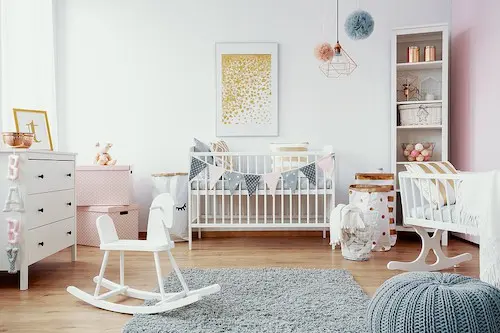
The answer lies not in squeezing more in, but in organizing smarter. However, for a space intended for a newborn and a recovering mother, “smart” means more than just neat shelves. It means designing an environment rooted in safety, ergonomics, and health. This guide will walk you through how to organize a small nursery for maximum function, with every decision focused on the well-being of both you and your baby.
The Philosophy of the Small Nursery: Zones Over Square Footage
When you don’t have the luxury of a sprawling, dedicated nursery room, you have to shift your mindset from “rooms” to “zones.” Even in a shared 10×10 bedroom, you can carve out distinct areas for sleep, diapering, and feeding. This zoning strategy is the foundation of a functional small nursery.
But why is this so critical for health? For the infant, clear zones create predictability and cues. The sleep zone, kept free of stimulating toys and clutter, helps signal that it’s time to rest. This aligns with the American Academy of Pediatrics (AAP) recommendations for a safe sleep environment, which emphasizes that the baby’s sleep area should be free of soft objects, toys, and loose bedding (aap.org). For the mother, particularly in the postpartum period, having a dedicated zone for feeding and pumping means everything you need—water, snacks, nipple cream, burp cloths—is within arm’s reach, preventing the physical strain of constantly getting up and down.
The Sleep Zone: Safety is Non-Negotiable
The centerpiece of any nursery is the sleep zone, and in a small space, the choices you make here have a ripple effect on the entire layout.
Choosing the Right Crib
A full-size standard crib can dominate a room. Consider these space-saving alternatives that don’t compromise on safety:
- Mini Cribs: These are approximately two-thirds the size of a standard crib and often come with locking casters, allowing you to move the baby around the house.
- Convertible Cribs (that convert to toddler/daybed): While some are large, look for compact convertible models. Investing in a crib that grows with your child prevents you from needing to find storage space for a separate toddler bed later.
- Bedside Sleepers: For parents sharing a room (as recommended by the AAP to reduce the risk of SIDS for at least the first six months), a bedside sleeper attaches securely to your adult bed. This creates a safe, separate sleep surface for the baby while keeping them close for nighttime feeds, which is crucial for establishing milk supply and maternal rest.
Safe Sleep Best Practices
Regardless of size, the crib environment must adhere to strict safety guidelines.
- Firm Mattress and Fitted Sheet: Use only a firm mattress with a tight-fitting sheet. According to the National Institute of Child Health and Human Development, soft mattresses and loose bedding are major risk factors for sleep-related infant deaths (nichd.nih.gov).
- Keep it Bare: Resist the urge to decorate with bumpers, pillows, or stuffed animals. These items pose suffocation, entrapment, and strangulation risks.
- Positioning: Place the crib away from windows, cords from blinds, and direct sunlight or drafts.
The Diaper Zone: Ergonomics for the Postpartum Body
In a standard nursery, the changing table might be a large, bulky piece of furniture. In a small space, this area needs to be lean and highly functional. More importantly, it needs to protect your body.
During the fourth trimester, your body is healing. The American College of Obstetricians and Gynecologists highlights the importance of pelvic floor recovery and avoiding activities that strain the core and back during the postpartum period (acog.org). Bending over a changing pad on the floor or straining to reach supplies on a high shelf can hinder this recovery.
Strategic Changing Solutions
- The Dresser-Topper: This is the gold standard for small nurseries. Instead of a standalone changing table, buy a sturdy, low dresser and place a contoured changing pad on top. This serves dual duty: storage for clothes and a safe changing station.
- Wall-Mounted Changing Station: In extremely tight spaces, consider a fold-down, wall-mounted changing table. When not in use, it folds flat against the wall, reclaiming precious floor space.
- The Rolling Cart: If you have no permanent furniture, a three-tier rolling cart is a lifesaver. The top tier holds the changing pad, while the lower tiers store diapers, wipes, and creams. You can roll it into the closet when guests come over or to the living room for daytime changes.
Organizing for Zero-Stress Diaper Changes
The key to the diaper zone is “station efficiency.” Everything you need must be within reach without twisting or stretching.
- Vertical Caddies: Use wall-mounted organizers or hanging fabric bins on the side of the cart/dresser to hold diapers and wipes.
- The 3 AM Setup: Keep a small, red-light nightlight or a low-lumen flashlight in this zone. You need to see to change a diaper safely, but bright light will wake the baby (and you) fully. Keep a small basket with 2-3 diapers, a pack of wipes, and diaper cream already staged for those middle-of-the-night changes.
- Diaper Disposal: A simple, lidded, stainless steel trash can with a foot pedal is often more hygienic and space-efficient than bulky, specialized diaper pails. It also contains odors effectively without taking up too much floor space.
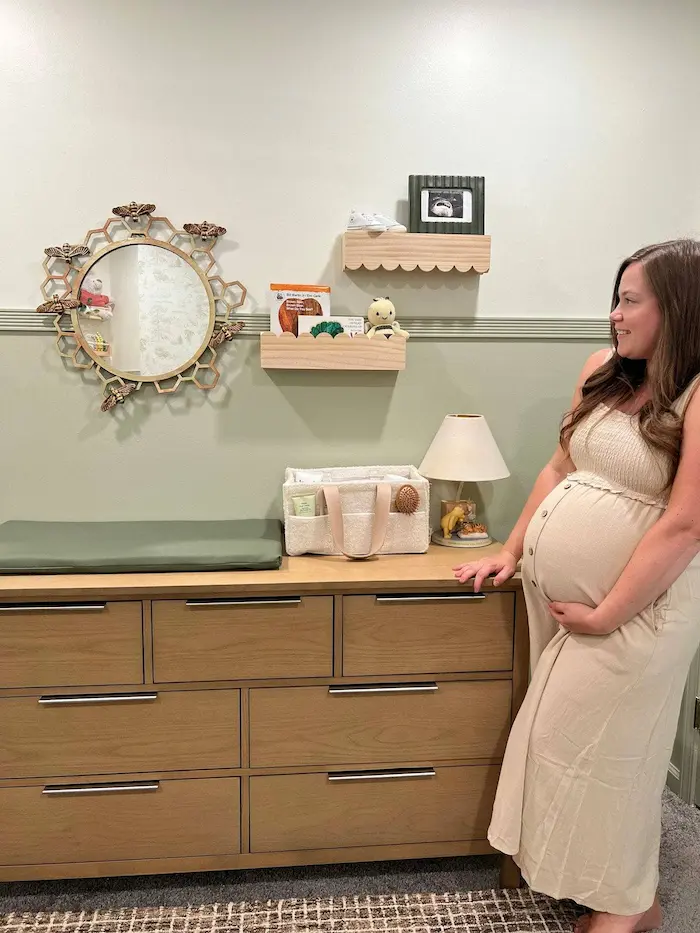
The Feeding Zone: Supporting Mom and Baby
Whether you are breastfeeding, formula-feeding, or pumping, the feeding zone needs to be a comfortable, supportive hub. In a small nursery, this might be a simple chair in the corner, but its organization is critical.
The Ergonomic Glider or Chair
A proper nursing chair is an investment in your physical health. Look for a chair that provides good lumbar support and armrests. A slight recline can also help with positioning. Spending hours a day in a poor-quality chair can exacerbate back pain and neck strain common in the postpartum period, as noted by physical therapists specializing in women’s health.
The Feeding Caddy: Your Best Friend
You cannot get up once the baby is latched and feeding. You need a portable caddy—a small basket or organizer—that lives next to your chair.
- For Mom: A large water bottle (hydration is key for milk production), healthy, high-protein snacks (granola bars, nuts), lip balm, phone charger with a long cord, and the TV remote.
- For Baby: Burp cloths (have a stack!), a pacifier, and a small swaddle blanket.
- For Pumping: If you pump, have a separate tote with pump parts, collection bottles, and a small cooler to store milk if you’re not near the kitchen.
This caddy ensures you can be comfortable and sedentary for the duration of a feed, which is often recommended to allow for proper let-down and bonding.
Storage Solutions: Thinking Vertically and Multi-Functionally
In a small nursery, floor space is a luxury you cannot afford to waste. The solution is to look up.
Harness the Power of Vertical Space
- Floating Shelves: Install sturdy floating shelves above the changing area or crib (but safely out of reach of little hands). Use attractive baskets on these shelves to hide smaller items like socks, mittens, and hats, while using the open space for books or a few curated keepsakes.
- Wall Hooks and Peg Rails: A simple peg rail along one wall is incredibly versatile. You can hang diaper bags, muslin blankets, tote bags filled with out-of-season clothes, or even a small fabric bin for soft toys.
- Over-the-Door Organizers: Use an over-the-door clear pocket organizer on the back of the nursery door or closet door. These are perfect for storing small items like bibs, burp cloths, socks, lotions, and medicines, keeping them visible and accessible but completely out of the way.
Multifunctional Furniture is Key
Every piece of furniture in a small nursery should “earn its keep.”
- Storage Ottoman: If you have a glider, pair it with a small storage ottoman. You can rest your feet on it, and it provides hidden storage for blankets or extra swaddles.
- Crib with Drawers: Some cribs come with built-in drawers underneath. This is prime real estate for storing larger items like crib sheet sets, extra mattress protectors, or heavy blankets.
- Bookcase as a Room Divider: If the nursery is a corner of a larger room, a low, open-back bookcase can act as a subtle divider. Use it to store baby items on the nursery side and books or decor on the adult side.
Managing Clutter in a No-Closet Nursery
If your space lacks a closet, you need to be ruthless about what you keep.
- The KonMari Method for Baby: Keep only the clothes your baby is currently wearing. Babies grow fast. Store outgrown clothes immediately in a vacuum-sealed bag under the bed or in a labeled bin in the attic or garage.
- Under-Crib Storage: Use low, flat storage bins that slide easily under the crib. This is perfect for diapers in bulk, wipes, and future-size clothing.
- The “One In, One Out” Rule: When you receive a new toy or outfit, commit to donating or storing one old one. This prevents the inevitable overflow that makes a small space feel chaotic.
Safety First: Non-Negotiables in a Compact Space
When space is tight, furniture is often closer together, and the risk of accidents can increase. Prioritizing safety is paramount.
Anchoring Furniture is Essential
This is the single most important safety tip. The Consumer Product Safety Commission reports that a child dies every two weeks from furniture or TV tip-overs. In a nursery, a dresser with a changing topper or a tall bookcase can be deadly if a toddler starts climbing it. Anchor every single piece of furniture that is over 30 inches tall to the wall. Use the anti-tip straps or brackets that come with the furniture or purchase heavy-duty ones from a hardware store.
Cord Management
Blind cords and electrical cords are strangulation hazards. The AAP advises keeping all corded blinds out of nurseries or cutting the cords short. Use cordless blinds or window coverings instead. For electronics (sound machines, nightlights, monitors), ensure all cords are tucked away behind furniture and completely out of the baby’s reach.
Air Quality and Non-Toxics
In a small, enclosed room, air quality matters even more.
- Low-VOC Paint: If you’re painting the nursery, use low or zero-VOC paint to minimize off-gassing of harmful chemicals.
- Non-Toxic Storage: Avoid cheap plastic storage bins, which can also off-gas. Opt for natural materials like cotton, wool, or unfinished wood for baskets and organizers.
- Air Purifier: A small, quiet air purifier with a HEPA filter can be a game-changer in a small room, helping to reduce allergens, dust, and potential airborne irritants for your baby’s developing lungs. The Environmental Protection Agency highlights the importance of good indoor air quality for children’s respiratory health (epa.gov).
Mind the Temperature
The risk of SIDS is higher if a baby overheats. The Mayo Clinic recommends keeping the nursery at a cool, comfortable temperature between 68 and 72 degrees Fahrenheit (20 to 22 degrees Celsius) (mayoclinic.org). In a small room, heat can build up faster. Use a reliable room thermometer and dress the baby in light layers for sleep, such as a wearable blanket or sleep sack, rather than heavy blankets.
Creating a Calming, Developmental Environment
Finally, a small nursery should be a sanctuary for both baby and parents. You can use the compact space to your advantage to create a sense of cozy security.
- Lighting: Use dimmers on overhead lights and incorporate soft, warm lighting from a table lamp. This allows you to control the ambiance and prevent overstimulation.
- Mindful Decor: Choose a few high-impact decor items rather than many small knick-knacks that create visual clutter. A large, calming piece of art or a beautiful mobile over the changing table can be more effective than a gallery wall of tiny frames.
- Blackout Curtains: In a small room, light from outside can be particularly disruptive. Invest in good blackout curtains to help regulate your baby’s circadian rhythm and promote longer, more restful sleep.
- A Touch of Nature: Studies suggest that exposure to nature, even through images, can be calming. A small, safe houseplant (kept well out of baby’s reach, as many are toxic if ingested) like a spider plant or Boston fern can add life and improve air quality.
Conclusion
Organizing a small nursery is an exercise in thoughtful prioritization. It’s about accepting that you don’t need a massive room to create a loving, safe, and functional start for your child. By focusing on creating clear zones for sleep, diapering, and feeding, you design a space that works with your body’s needs during the demanding postpartum period.
Every decision, from the mini-crib that adheres to AAP safety standards to the well-stocked feeding caddy that keeps you hydrated and nourished, is an act of care for both you and your baby. You are not just organizing a room; you are engineering a supportive environment for the most vulnerable and transformative time in your family’s life. By embracing vertical space, choosing multifunctional furniture, and anchoring safety as your guiding principle, you can transform even the tiniest corner into a beautiful, functional nursery where your family can thrive.