Let’s talk about a moment of truth. In my years as a postpartum nurse, I’ve seen countless gorgeous, Pinterest-worthy hospital bags. You know the ones. Beautifully packed, filled with cute pajamas and a soft baby blanket. And then, tucked in the corner, a small makeup pouch with a travel-sized shampoo and a toothbrush. It’s always an afterthought. But here’s the secret I’d whisper to every expecting parent: Your toiletry kit is not an afterthought. It is your survival kit.
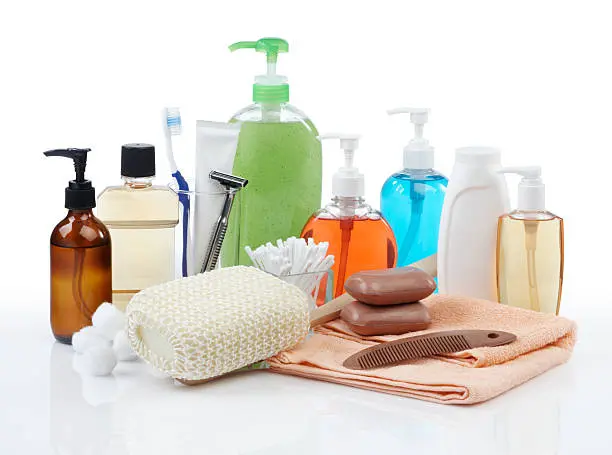
The first 24-72 hours postpartum are a wild, beautiful, and physically intense transition. Your body has just performed a miracle, and it’s now navigating a sudden hormonal shift, significant physical recovery, and the intense demands of caring for a newborn. The environment is a clinical hospital room, which can be surprisingly drying and impersonal. In this context, the right postpartum hygiene products for hospital stay become non-negotiable tools for dignity, comfort, and even healing. They are the simple things that help you feel human again.
This guide isn’t about vanity. It’s about self-care in its most fundamental form. We’re going to move far beyond the standard packing list. We’ll dive into the why behind each item, offering practical tips and product wisdom you won’t find in a generic blog post. Think of this as your insider’s manual to creating a hospital toiletries kit that truly supports your recovery and your baby’s first experiences with gentle hygiene.
The Philosophy of Postpartum Hygiene: Gentleness Above All Else
Before we start packing, let’s reset our mindset. Postpartum skin and tissue are incredibly sensitive. You may have stitches (either vaginal or from a C-section), your skin is stretching back, hormones are making everything more delicate, and you’re likely sweating more (hello, night sweats!). For your baby, their skin is a brand-new barrier, thinner and more absorbent than an adult’s.
Therefore, the golden rule for choosing safe toiletries for postpartum and newborn care is SIMPLICITY. This is not the time for heavily perfumed products, active acids (like strong AHAs/BHAs), or anything with a long list of unpronounceable ingredients. We are looking for gentle, soothing, fragrance-free, and hypoallergenic options. Think of it as a “skin reset” period for both of you.
The Mother’s Kit: Your Personal Recovery Station
Your body needs TLC. These items address the very specific physical realities of the postpartum period in the hospital.
1. The Perineal Care Arsenal: Non-Negotiable Comfort
If you have a vaginal delivery, this is your core comfort system.
- A High-Quality Peri Bottle (or two): The hospital will provide one, but it’s often a basic model. Investing in a best peri bottle for postpartum healing with an angled neck (like a Fridababy MomWasher) is a game-changer. It allows for targeted, hands-free cleansing with warm water after every bathroom visit, which is crucial for keeping stitches clean and providing soothing relief. Fill it with warm water before you go—trust me on this.
- Soothing Sprays & Balms: Look for perineal spray with aloe and witch hazel. A few sprits on a pad provides instant cooling relief. Pair it with a hospital-grade perineal healing balm that’s safe for use with stitches. These create a protective, moisturizing barrier.
- Super-Soft Patting Towels: Do not wipe. Pat dry. Pack a stack of the softest washcloths you own or ultra-soft paper towels (like those from a brand like Viva) for gentle patting after using the peri bottle.
Keywords: postpartum peri bottle vs. hospital issued, how to clean stitches after birth at hospital, instant relief for postpartum perineal soreness.
2. The Shower Sanctuary: Reclaiming Your Body
That first shower can feel transcendental. Make it count.
- Your Own Shower Essentials: Hospital soap is notoriously harsh. Bring your own fragrance-free body wash for sensitive postpartum skin and shampoo/conditioner. The familiar scent and gentle formula will feel like a luxury.
- Extra-Long, Non-Slip Shower Shoes: The hospital floor is not your friend. Protect your feet and have stable footing.
- A Luxurious, Full-Sized Towel: Hospital towels are famously small and scratchy. Packing one large, soft, dark-colored towel (dark hides any possible stains) is a profound act of self-kindness.
- Easy Post-Shower Wear: A soft, front-opening robe or a simple, loose-fitting nightgown is easier than pajamas right after a shower.
3. The Skin & Comfort Savers: Combatting the Hospital Environment
Hospital air is dry, and you’ll be doing a lot of sitting/lying down.
- Intensive Lip Balm & Hand Cream: Constant air conditioning and hand sanitizer will wreak havoc. A rich, simple lip balm and best hand cream for cracked postpartum skin are essentials.
- Dry Shampoo & Detangler: You may not have the energy for a full hair wash. A good dry shampoo for unwashed hair after delivery is a morale booster. A leave-in conditioner spray helps manage inevitable tangles.
- Nipple Care (if planning to breastfeed): Even with a perfect latch, early feeding can be tough. Pack a safe lanolin or hydrogel nipple cream that doesn’t need to be washed off before feeding. Soothing hydrogel pads stored in the fridge can also provide amazing relief between sessions.
Keywords: first shower after giving birth what to bring, combating dry hospital air postpartum, essential non-perfumed toiletries for hospital recovery.
4. The “Feeling Human” Toolkit
Small things, massive psychological impact.
- Your Own Toothbrush & Paste: The feeling of clean teeth is irreplaceable.
- Deodorant You Love: Hormonal shifts mean you’ll need it.
- A Simple Skincare Routine: A gentle face wash, moisturizer, and maybe a under-eye serum. This isn’t about makeup; it’s about the ritual of caring for yourself.
- Hair Ties & Headband: To keep hair off your face during feeding and skin-to-skin.
The Baby’s Kit: Gentle Beginnings
The hospital provides basics, but you can elevate your baby’s first hygiene experiences with a few thoughtful items.
1. The First Bath & Wipe Alternatives
- Gentle Cleansers: While the hospital will bathe your baby, you can request to use your own gentle, pH-balanced newborn wash. Many hospitals use standard soap, which can be drying. A tear-free, fragrance-free wash is ideal.
- Cloth Wipe Solution & Soft Cloths: If you plan to use cloth wipes at home, start in the hospital. A homemade saline solution for newborn diaper wipes (just boiled, cooled water with a pinch of salt) is perfect. Pair it with ultra-soft, small muslin cloths. It’s far gentler on that delicate meconium (the first sticky poop) than even the softest disposable wipes.
- Diaper Cream for Sensitive Skin: Have a tiny tube of a simple, zinc-based barrier cream for newborn diaper rash prevention on hand. Apply a thin layer at the first sign of redness.
Keywords: what to use instead of wipes for newborn meconium, best first bath wash for hospital, homemade gentle wipe solution for baby.
2. Skin-to-Skin & Cord Care
- Baby-Safe Moisturizer (Optional): Most newborns don’t need lotion, but if skin is dry or peeling, a drop of pure, food-grade vegetable oil (like organic sunflower or coconut oil) is a safe, simple moisturizer for baby massage and skin-to-skin time. Avoid commercial lotions with fragrance.
- Cord Care Knowledge: The current recommendation for umbilical cord stump care at home is often “dry care”—keeping it clean and dry and exposed to air. The hospital will guide you. Packing alcohol swabs is usually unnecessary unless specifically instructed.
3. The Practicalities
- Soft-Bristled Baby Hairbrush: Helps gently cradle cap and is lovely for bonding.
- Baby Nail File: Those tiny nails are sharp! A soft emery board is safer than clippers in the first days.
- Mittens (with caution): If baby is scratching their face, but many prefer the “onesies with fold-over cuffs” to avoid losing them.
Partner & Support Person Essentials: Don’t Forget Them!
They are running support, and they need to stay fresh too. Pack them a mini-kit: travel toiletries, a change of clothes, snacks, comfortable shoes for long hospital hours, and most importantly, their own pillow. A rested, comfortable partner is a more present and effective partner.
What to Avoid: The Not-So-Helpful Items
- Heavily Perfumed Anything: Scents can irritate your sensitive skin, your baby’s nascent sense of smell, and even trigger nausea.
- Internal Products: Absolutely no tampons, menstrual cups, or douching. Your body needs to expel lochia (postpartum bleeding).
- Harsh Exfoliants or Acne Treatments: Your skin is in a state of flux. Stick to gentle cleansing and moisturizing.
- Valuable Jewelry: It can get lost or interfere with medical procedures.
Packing & Organization Pro-Tips
- Use a Clear, Hanging Toiletry Bag: This is critical. You can see everything, and it hangs on a bathroom door or hook, saving precious counter space in a small hospital bathroom.
- Pre-Opened & Travel-Sized: Open any new packaging at home. You don’t want to wrestle with plastic clamshells with sore hands. Decant your favorite products into travel bottles.
- Label Sections: Use small bags or compartments for “Peri Care,” “Shower,” “Face,” “Baby.”
- Pack Extras: Extra underwear (high-waisted, dark cotton is best), extra hair ties, an extra phone charger.
Frequently Asked Questions (FAQ)
Q: How many of these items will the hospital provide?
A: Most hospitals provide a basic peri bottle, giant pads, mesh underwear, a sample pack of baby wipes, and generic soap. The quality and comfort of these are often minimal. Bringing your own upgrades is strongly recommended for comfort.
Q: Can I use my own pads or adult diapers instead of the hospital’s?
A: Absolutely. Many women find high-absorbency postpartum underwear (like Depends Silhouette or FridaMom’s disposable underwear) far more comfortable and secure than the mesh-panty-and-pad combination. They are less bulky and contain leaks better. Pack them!
Q: What’s the single most important toiletry item?
A: Besides a good peri bottle, I’d say a high-quality lip balm. The dry air and breathing techniques during labor leave your lips parched, and it’s a small, constant comfort you’ll use every hour.
Q: Is it safe to bring essential oils to the hospital?
A: Ask first! Some hospitals have strict no-diffuser policies due to other patients’ respiratory sensitivities or fire codes. A drop of lavender on a cloth you keep near you may be acceptable, but never diffuse without explicit permission.
Q: What should I do about hygiene with a C-section?
A: The focus shifts upward! All the gentle skin care and “feeling human” items still apply. Crucially, you’ll need soft, high-waisted underwear that won’t rub your incision. Ask about showering with a C-section incision—some doctors use waterproof glue/sealants, others use special dressings. Pack a gentle, non-abrasive loofah on a stick to help you reach your legs and feet without bending.
Conclusion: An Act of Anticipatory Care
Packing your hospital toiletry bag with intention is one of the most practical and loving things you can do for your future self. It’s a message you send to the woman you will be in those vulnerable, powerful first days: “I see you. I know you’ll be tired and sore. I’ve prepared a small oasis of comfort for you.”
It transforms a clinical necessity into a personal ritual. When you use your own soft towel, your familiar lotion, or that perfectly angled peri bottle, you are asserting a small piece of normalcy and control in a situation where you often surrender to the process. You are not just packing products; you are packing compassion. So take the time, choose gently, and give yourself and your new baby the gift of a truly supportive beginning.