Picture your body as a finely tuned orchestra. Usually, it plays along calmly, each section keeping a steady rhythm. But during pregnancy and the months that follow? That’s when the conductor steps onto the podium and asks for a symphony of unprecedented proportions. The instruments—your glands and organs—respond by flooding your system with chemical messengers we call hormones.
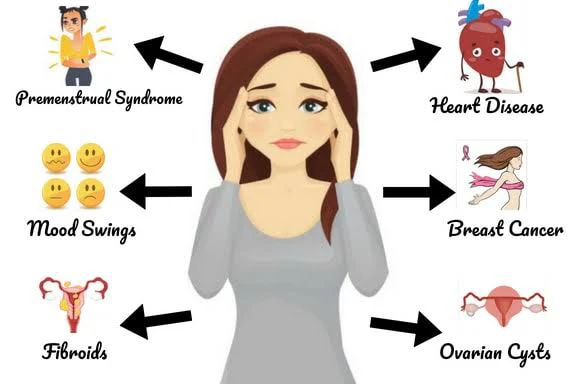
For many women, these shifts feel overwhelming. One day you’re weeping at a commercial; the next, you’re nesting at 3 AM. Understanding why this happens doesn’t just satisfy curiosity—it offers reassurance. These changes aren’t random chaos. They’re ancient, sophisticated biological programs designed to grow a human, bring them into the world, and keep them thriving.
Let’s walk through this remarkable transformation together, from those first fluttery pregnancy tests through the hazy newborn days.
The First Trimester: The Hormonal Foundation
The moment sperm meets egg, your body pivots entirely. Its primary mission shifts from maintaining your own status quo to supporting a parasitic (in the most loving sense) new life. This transition hinges on three key players.
hCG and Progesterone: The Pregnancy Sustainers
Human chorionic gonadotropin, or hCG, is likely the first hormone you’ll meet. Produced by cells that will become the placenta, hCG tells your ovaries, “Stop the monthly cycle. We’re in business.” It signals the corpus luteum—a temporary gland on the ovary—to keep pumping out progesterone. Without hCG signaling, progesterone production would cease and the uterine lining would shed.
Progesterone deserves its reputation as the “pro-gestation” hormone. It relaxes smooth muscle tissue throughout your body. In the uterus, this prevents contractions that could dislodge the pregnancy. But progesterone doesn’t discriminate—it relaxes your intestines too, which explains the bloating and constipation that often accompany early pregnancy. It also contributes to that soul-crushing fatigue many women experience in the first trimester. Your body isn’t being lazy; it’s redirecting resources toward building a placenta.
Estrogen’s Role in Uterine Growth
While progesterone calms things down, estrogen builds them up. Estrogen levels rise dramatically during the first trimester, promoting blood flow to the uterus and stimulating its growth. It also drives the development of milk ducts in the breasts, which is why tenderness often signals pregnancy before a missed period.
Estrogen affects far more than reproductive organs. It influences mood, skin elasticity, and even hair growth. Many women notice their hair thickening during pregnancy—that’s estrogen extending the growth phase of each strand. Of course, when estrogen levels eventually drop, those extra hairs shed, sometimes dramatically.
The Second and Third Trimesters: Preparing for Birth
By the time you’ve entered the second trimester, the placenta has largely taken over hormone production from the ovaries. This transition typically brings relief from first-trimester symptoms as your body adjusts to its new chemical baseline.
The Shift in Insulin Resistance and Risk of GDM
As pregnancy progresses, the placenta produces human placental lactogen (hPL) and increases levels of cortisol and estrogen. These hormones work together to ensure the fetus receives steady glucose—your body literally becomes more insulin resistant so sugar stays circulating in your bloodstream, available for baby to use.
For most women, the pancreas compensates by producing more insulin. But when this system falters, gestational diabetes mellitus (GDM) develops. This condition affects approximately 6-9% of pregnancies and requires careful monitoring. [Source: MDPI (2025) discusses the effects of maternal endocrinopathies including GDM and its relationship to fetal growth patterns]. The good news? Blood sugar typically normalizes after delivery, though GDM does signal increased risk for type 2 diabetes later in life.
Relaxin and the Pelvic Prep
You might guess from its name what relaxin does. Produced by the corpus luteum and placenta, this hormone loosens ligaments throughout the body, particularly in the pelvis. This increased flexibility allows the pubic symphysis to widen slightly during delivery, creating more space for baby to pass through.
But relaxin affects all joints, which explains why pregnant women sometimes develop wrist pain (carpal tunnel syndrome) or find their shoe size permanently increases. Those loose ligaments don’t discriminate between helpful and inconvenient joint laxity.
Cortisol and Fetal Lung Maturity
Cortisol often gets demonized as the “stress hormone,” but during pregnancy, it plays an essential developmental role. In the final weeks before birth, fetal cortisol production surges, triggering the production of surfactant in the lungs. Surfactant is the soapy substance that allows air sacs to inflate properly—without it, a newborn cannot breathe independently.
Maternal cortisol also crosses the placenta, potentially influencing fetal development in lasting ways. [Source: DHEA research discusses how maternal HPA axis activity affects infant emotional reactivity and temperament]. The relationship isn’t simple—moderate stress may promote maturation, while chronic high stress carries different implications.
The Labor and Delivery Hormonal Cascade
If pregnancy hormones orchestrate preparation, labor hormones conduct the finale. This cascade involves some of the most powerful biochemical events humans experience.
Oxytocin: The Love Hormone and Uterine Driver
Oxytocin deserves its nickname as the “love hormone.” It surges during intimacy, bonding moments, and crucially, during labor. As you approach delivery, oxytocin receptors multiply in the uterus, making it increasingly sensitive to this peptide.
When contractions begin, each one triggers more oxytocin release, creating a positive feedback loop that strengthens and spaces contractions effectively. This system works so elegantly that synthetic oxytocin (Pitocin) is used to induce or augment labor when natural processes stall.
After birth, oxytocin continues working. It contracts the uterus to control bleeding, and perhaps most beautifully, it floods during breastfeeding, strengthening the maternal-infant bond while helping the uterus return to its non-pregnant state. [The role of oxytocin in breastfeeding extends beyond milk ejection—it facilitates the emotional connection that helps sustain nursing relationships].
Beta-Endorphins: Nature’s Pain Relief
While oxytocin drives contractions, beta-endorphins help you manage them. These endogenous opioids, produced by the brain and placenta, rise steadily during labor, peaking at delivery. They’re nature’s epidural—dulling pain while sometimes inducing a trance-like state many women describe as transformative.
[Source: Hormonal Physiology of Childbearing research highlights how minimizing interventions supports these innate processes]. When labor proceeds without synthetic hormones or early epidurals, this endorphin system functions optimally, potentially reducing the need for pharmaceutical pain relief.
The Postpartum Period: The “Fourth Trimester” and Hormonal Crash

If pregnancy represents a gradual hormonal rise, postpartum represents the sudden drop. Within hours of delivering the placenta, estrogen and progesterone plummet to pre-pregnancy levels. This biochemical freefall affects virtually every body system.
The Sudden Drop in Estrogen and Progesterone
That postpartum “baby blues” experience—tearfulness, irritability, mood swings—often traces directly to this hormonal cliff dive. Your brain, accustomed to pregnancy levels of neuroprotective steroids, suddenly finds itself depleted. For most women, this resolves within two weeks as the brain adjusts.
But for some, the drop triggers more significant mood disturbances. Postpartum depression and anxiety affect approximately 1 in 7 women, and while hormonal shifts contribute, they interact with sleep deprivation, psychological adjustment, and social support in complex ways.
Prolactin and the Initiation of Breastfeeding
As estrogen and progesterone fall, prolactin rises. This pituitary hormone drives milk production, and its levels remain elevated as long as breastfeeding continues. Each nursing session triggers prolactin release, ensuring the breasts refill for the next feeding.
Prolactin also suppresses ovulation—though not reliably enough to count as birth control. This natural fertility suppression explains why exclusively breastfeeding mothers sometimes experience delayed return of menstruation.
Thyroid Changes and Postpartum Mood
The thyroid gland doesn’t escape postpartum upheaval either. Some women develop postpartum thyroiditis, an inflammatory condition where thyroid hormone levels fluctuate unpredictably. Initially, excess hormone leaks from the inflamed gland, causing anxiety, palpitations, and weight loss. Later, the gland may become underactive, bringing fatigue, depression, and difficulty concentrating.
[Thyroid changes during pregnancy and postpartum represent a significant but underrecognized contributor to maternal wellbeing]. Because symptoms overlap with normal postpartum adjustment and depression, thyroid dysfunction often goes undiagnosed.
The Newborn: Life Outside the Womb
Babies arrive with their own hormonal profiles, shaped by gestation but suddenly independent of maternal regulation. This transition creates some fascinating—and sometimes alarming—newborn phenomena.
Understanding “Witch’s Milk” and Temporary Breast Enlargement
Parents occasionally panic when their newborn, regardless of sex, develops breast buds or even leaks small amounts of milk. This phenomenon, sometimes called “witch’s milk,” has a straightforward explanation. Before birth, high levels of maternal estrogen crossed the placenta, stimulating fetal breast tissue. After delivery, with maternal estrogen suddenly absent, the infant’s own prolactin triggers temporary milk secretion.
[Source: MedlinePlus confirms this as a normal hormonal effect in newborns, typically resolving within weeks]. The same principle explains why some newborns experience “mini periods”—withdrawal from maternal hormones causes temporary uterine lining shedding in female infants.
How Maternal Cortisol Shapes Infant Stress Responses
The placenta doesn’t completely block maternal stress hormones. Cortisol crosses freely, potentially “programming” the fetal stress response system. [Source: DHEA research explores how maternal HPA axis activity influences infant emotional reactivity and temperament]. Infants exposed to very high cortisol levels during gestation may show heightened responses to stress—or sometimes, paradoxically, blunted responses depending on timing and duration.
This doesn’t mean pregnant women must avoid all stress. Moderate, manageable challenges likely promote healthy stress system development. But chronic, overwhelming stress—particularly without social support—may shape infant development in lasting ways.
Modern Challenges: Endocrine Disruptors and Fetal Development
We can’t discuss pregnancy hormones without acknowledging the chemical environment these systems evolved within. Today’s world differs dramatically from the one that shaped human endocrinology.
What Are Endocrine Disrupting Chemicals (EDCs)?
Endocrine disruptors are synthetic chemicals that interfere with hormone signaling. They can mimic natural hormones, block receptors, or alter hormone production and breakdown. Because fetal development depends on exquisitely timed hormonal signals, the developing organism proves especially vulnerable to disruption.
BPA, Phthalates, and Long-Term Health
Bisphenol A (BPA) and phthalates appear in countless consumer products—food can linings, receipts, plastics, personal care products. These chemicals leach into our bodies and cross the placenta.
[Source: MDPI research connects endocrine disruptor exposure during pregnancy to potential long-term health outcomes, discussing the Developmental Origins of Health and Disease (DOHaD) theory]. This framework suggests that early chemical exposures may “program” risk for obesity, metabolic disease, and reproductive disorders decades later.
What can expecting parents do? While avoiding all exposure proves impossible, reducing contact with plastics, choosing fragrance-free products, and eating fresh rather than canned foods may help. These steps won’t eliminate risk, but they shift the odds slightly in baby’s favor.
Frequently Asked Questions
How long does it take for hormones to balance after birth?
There’s no single timeline because “balance” means different things to different women. The dramatic drop in estrogen and progesterone completes within days. But the hypothalamic-pituitary-ovarian axis—the system governing menstrual cycles—may take months to resume normal function, especially in breastfeeding mothers. Many women notice mood and energy stabilizing around 3-6 months postpartum, though individual variation is enormous.
Can stress hormones really affect my baby?
Yes, though the relationship is nuanced. [Source: The Lancet (2023) discusses biological mechanisms linking maternal stress to birth outcomes, including cortisol’s role in fetal maturation]. Moderate, time-limited stress appears less concerning than chronic, overwhelming stress combined with limited social support. The placenta does buffer some cortisol, but not completely. Supporting maternal mental health isn’t indulgence—it’s medical care for two patients simultaneously.
What is the link between thyroid hormones and birth weight?
Thyroid hormones regulate metabolism in every cell, including those of the developing placenta and fetus. [Source: MDPI research on maternal endocrinopathies discusses how thyroid dysfunction can affect fetal growth patterns, including both restricted growth and macrosomia]. When maternal thyroid levels run too low, the fetus may receive inadequate support, potentially slowing growth. Conversely, some thyroid conditions correlate with larger birth weight. Routine thyroid screening during pregnancy helps identify women who might benefit from treatment.
Conclusion
Hormonal changes during pregnancy and infancy represent one of medicine’s most elegant stories. These chemical messengers orchestrate growth, trigger labor, initiate breastfeeding, and shape lifelong health trajectories. Understanding them doesn’t require a medical degree—it simply requires curiosity about the remarkable processes unfolding within and around you.
For expecting and new parents, this knowledge offers something practical: context. When emotions overwhelm you, when your newborn does something puzzling, when your body feels unrecognizable—these experiences aren’t random. They’re ancient biological programs, refined over millennia, aimed at one goal: bringing forth the next generation safely.
If concerns arise about your specific situation, reach out to healthcare providers. Organizations like the American College of Obstetricians and Gynecologists (ACOG) and the American Academy of Pediatrics (AAP) offer evidence-based resources for families navigating these transitions. You’re not alone in this journey, and understanding the hormones guiding it simply reminds us how extraordinary ordinary human biology truly is.