Introduction: Beyond Pineapple Core and Superfood Hype
Let’s be honest. When you’re trying to conceive, it’s easy to fall down the rabbit hole of fertility folklore. You’ve heard about pineapple core after ovulation, royal jelly, and obscure powders. You’re left wondering: Is there any real power on my plate, or is it all just hopeful hype?
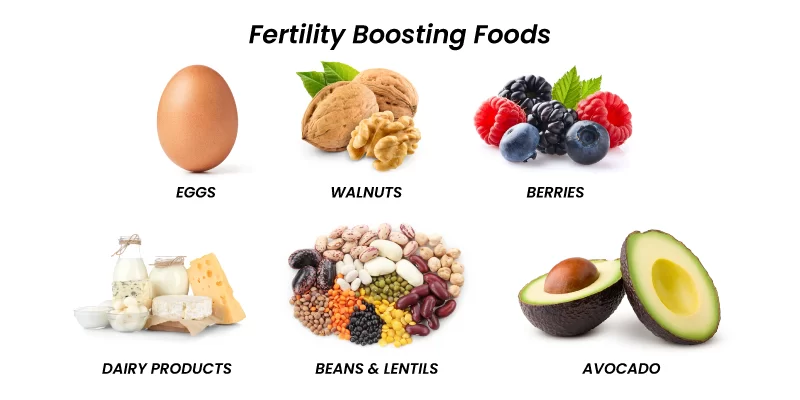
Here’s the truth I’ve seen in a decade of specializing in reproductive nutrition: yes, food is powerful medicine for fertility. But the magic isn’t in a single exotic “superfood.” It’s in the consistent, daily patterns of eating that create a healthier internal environment—one that supports balanced hormones, resilient eggs, strong sperm, and a welcoming uterus.
Think of it this way: you’re preparing the most important garden of your life. You wouldn’t just sprinkle one magic seed and hope. You’d focus on the soil quality, sunlight, and steady nourishment. Your body is that garden. Nutrition for conception is about building rich, fertile soil. This guide is your practical, science-backed toolkit to do exactly that, moving from confusion to confident, delicious eating.
The Big Picture: It’s About Patterns, Not Magic Bullets
Let’s clear the air first. No single food will guarantee a pregnancy. The goal of a fertility diet is to support your body’s intricate systems. We’re aiming to:
- Regulate Blood Sugar: Stable insulin levels are crucial for balanced reproductive hormones. Spikes and crashes can disrupt ovulation.
- Reduce Inflammation: Chronic, low-grade inflammation is a silent enemy of fertility, interfering with ovulation, implantation, and sperm health.
- Provide Building Blocks: Hormones are made from fats and cholesterol. Eggs and sperm need specific nutrients to develop properly.
- Protect from Oxidative Stress: This is cellular damage that can harm egg and sperm DNA. Antioxidants from food are our defense force.
The most researched eating pattern that achieves all this? The Mediterranean diet for fertility. It’s not a fad; it’s a centuries-old pattern rich in plants, healthy fats, and whole foods. That’s our inspiration.
Section 1: The Fertility Plate – Your Daily Framework
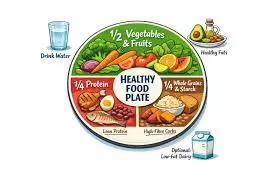
Forget restrictive rules. Use this simple visual guide to build any meal. It’s your blueprint for a fertility-supportive plate.
- ½ of Your Plate: Colorful Vegetables & Fruits. This is your antioxidant and fiber powerhouse. Think spinach, berries, bell peppers, broccoli, beets. The variety of colors provides a spectrum of protective compounds.
- ¼ of Your Plate: Quality Protein. Include both plant and animal sources: lentils, chickpeas, salmon, eggs, chicken, tofu. Protein is essential for tissue repair and hormone synthesis.
- ¼ of Your Plate: Healthy Complex Carbohydrates. Choose carbs that digest slowly: quinoa, oats, sweet potato, brown rice, farro. They provide steady energy without the blood sugar rollercoaster.
- Add a Thumb-Sized Serving of Healthy Fat to Every Meal. Avocado on the side, a drizzle of olive oil on veggies, a sprinkle of nuts or seeds. Fat is not the enemy; it’s essential for hormone production.
Section 2: The Essential Nutrient All-Stars (And Where to Find Them)
While the overall pattern matters, these nutrients deserve a standing ovation for their specific roles in prenatal nutrition before pregnancy.
1. Folate (Not Just Folic Acid):
- Why it’s a star: Critical for DNA synthesis and preventing neural tube defects. This process happens in the very early weeks of pregnancy, often before you know you’re pregnant. Adequate folate is a prerequisite.
- Find it in: Dark leafy greens (spinach, kale), lentils, asparagus, avocado, broccoli, and fortified whole grains.
2. Omega-3 Fatty Acids (DHA/EPA):
- Why they’re stars: They are potent anti-inflammatories. DHA is a major structural component of the brain and retina, and it’s crucial for fetal development. For fertility, they help regulate hormones and improve egg quality and sperm membrane fluidity.
- Find them in: Fatty fish like salmon, sardines, and mackerel (aim for 2-3 servings weekly of low-mercury options), walnuts, chia seeds, and flaxseeds.
3. The Antioxidant Army (Vitamins C, E, Selenium, Zinc):
- Why they’re stars: They neutralize oxidative stress—the cellular damage that can age eggs and fragment sperm DNA. Think of them as the body’s rust-proofing system.
- Find them in:
- Vitamin C: Berries, citrus fruits, kiwi, bell peppers.
- Vitamin E & Selenium: Sunflower seeds, almonds, Brazil nuts (just 1-2 a day!).
- Zinc: Crucial for cell division. Find it in pumpkin seeds, oysters, lean beef, and lentils.
4. Iron:
- Why it’s a star: Adequate iron stores prevent iron-deficiency anemia, which is linked to anovulation (lack of ovulation).
- Pro Tip: There are two types. Heme iron (from animal sources like lean red meat and poultry) is easily absorbed. Non-heme iron (from plants like spinach and lentils) is better absorbed when paired with vitamin C (e.g., lentil soup with tomatoes, spinach salad with lemon juice).
5. Fiber & Gut Health:
- Why it’s a star: A healthy gut microbiome helps properly metabolize and excrete used estrogen. If digestion is sluggish, estrogen can be reabsorbed, creating imbalance. Fiber feeds good gut bacteria.
- Find it in: Vegetables, fruits, legumes, and whole grains.
Section 3: Foods to Embrace: Your Fertility Pantry
Stock your kitchen with these foundational categories.
- Healthy Fats are Friends: Avocado, olive oil, nuts (walnuts, almonds), and seeds (chia, flax, pumpkin). They keep you full, satisfied, and your hormones humming.
- The Power of Plants: Legumes (beans, lentils, chickpeas) are fertility powerhouses. They provide plant-based protein, fiber, iron, and folate.
- Full-Fat Dairy (The Surprising Hero): Research from the Harvard Nurses’ Health Study found that women consuming full-fat dairy once or twice a day had better ovulatory function than those eating low-fat dairy. The theory is that the fat-soluble vitamins and hormones in the fat may be beneficial. Enjoy full-fat Greek yogurt, kefir, and cheese in moderation.
- Color is Key: Make your plate a rainbow. The deep pigments in berries, dark greens, and beets are signals of high antioxidant content.
Section 4: Foods to Moderate or Mind
This isn’t about banning foods; it’s about mindful balance.
- Refined Carbs & Added Sugar: White bread, pastries, sugary drinks, and candy cause rapid blood sugar spikes, increasing insulin and inflammation. Swap for whole-food alternatives most of the time.
- Trans Fats: Avoid these completely. They increase inflammation and insulin resistance. Check labels for “partially hydrogenated oils” in processed snacks, fried foods, and some margarines.
- Caffeine: The evidence suggests moderate intake (under 200-300mg per day, about 2 cups of coffee) is likely safe. However, if you’re struggling, experimenting with a reduction or switch to decaf can be insightful.
- Alcohol: Heavy drinking is clearly harmful. Moderation is key (e.g., a few drinks per week). Many couples choose to reduce or eliminate it during the active trying phase as a precaution.
- High-Mercury Fish: Avoid shark, swordfish, king mackerel, and tilefish. Opt for lower-mercury choices like salmon, sardines, shrimp, and cod.
Section 5: For Him Too! Male Fertility Nutrition
Sperm health is highly influenced by diet! Here are the key fertility superfoods for men:
- Zinc: Found in oysters, pumpkin seeds, beef, and lentils. It’s vital for testosterone production and sperm formation.
- Antioxidants (Vitamins C & E, Selenium): Protect sperm DNA from fragmentation. Load up on berries, citrus, nuts, and seeds.
- Omega-3s: Improve sperm membrane fluidity and motility. Bring on the salmon and walnuts.
- Folate: Yes, men need it too for proper DNA synthesis in sperm.
The best approach? Make it a shared anti-inflammatory diet for conception. Cook meals together that are rich in these nutrients.
Section 6: Putting It Into Practice – No Perfection Required
You don’t need a complete kitchen overhaul overnight. Start here:
Simple Meal & Snack Ideas:
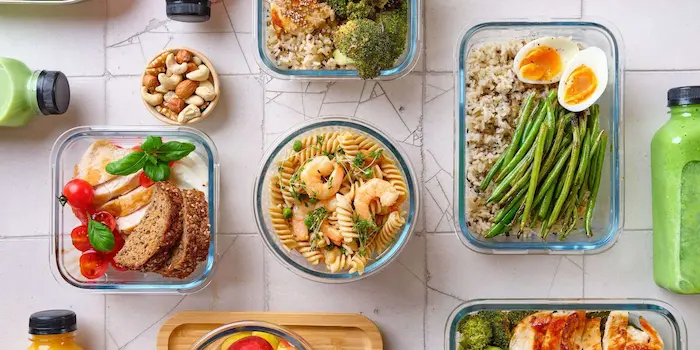
- Breakfast: Greek yogurt with berries and walnuts. Or eggs with spinach and avocado on whole-grain toast.
- Lunch: A large salad with mixed greens, chickpeas, quinoa, salmon (canned is great!), and an olive oil-lemon dressing.
- Dinner: Sheet-pan salmon or chicken with roasted broccoli and sweet potato.
- Snacks: Apple with almond butter, carrot sticks with hummus, a handful of pumpkin seeds.
The “Start Here” Strategy: Don’t get overwhelmed. Pick one focus per week.
- Week 1: Add one extra vegetable to every dinner.
- Week 2: Swap your afternoon snack for a piece of fruit and a handful of nuts.
- Week 3: Try one new plant-based meal (like a lentil soup or bean chili).
- Week 4: Ensure you’re having fatty fish twice.
Remember the 80/20 rule. Nourish your body well 80% of the time, and allow for flexibility and joy the other 20%. Consistency trumps perfection every time.
Conclusion: Nourishment as a Loving Foundation
Approaching nutrition for conception isn’t about following a rigid set of “fertility rules.” It’s a profound act of preparation and self-care. Every colorful vegetable, every serving of omega-rich fish, every handful of seeds is a message to your body: “I am preparing a healthy, nurturing home for our future.”
This journey is about abundance, not deprivation. It’s about adding in the wonderfully nourishing foods that support your vibrant health, as an individual and as a couple. By focusing on whole, nutrient-dense foods, you are creating the best possible internal environment for conception to occur and for a healthy pregnancy to begin. Start with one positive change, and build from there. Your body—and your future family—will thank you.
Frequently Asked Questions (FAQ)
Do I need to go organic?
If it’s accessible and within your budget, prioritizing organic for the Environmental Working Group’s “Dirty Dozen” (like strawberries, spinach, kale) can reduce pesticide exposure. However, eating plenty of conventional fruits and vegetables is far better than eating few organic ones. Don’t let cost be a barrier to eating plants.
What about fertility teas/supplements like Vitex or Maca?
These are herbal supplements, not foods, and their effects can be potent and hormone-altering. Do not self-prescribe. Vitex, for example, can be helpful for some with luteal phase defects but harmful for others (like those with PCOS). Always consult with a healthcare provider or a registered dietitian specializing in fertility before starting any supplement.
Is soy bad for fertility?
No, this is a myth based on outdated science. The phytoestrogens in whole soy foods (tofu, edamame, tempeh) are weak and can actually have a beneficial balancing effect. Moderate consumption (1-2 servings daily) is safe and can be part of a healthy fertility diet, providing plant-based protein and fiber.
How long does it take for diet changes to impact fertility?
It takes about 90 days for eggs and sperm to mature. Therefore, dietary changes today influence the eggs and sperm that will be released in about three months. This is why starting a preconception nutrition plan at least 3-4 months before trying is ideal.
Can diet help with PCOS-related infertility?
Absolutely. For PCOS, managing insulin resistance is often the key. The dietary pattern outlined here—high in fiber, healthy fats, and lean protein, low in refined carbs and sugar—is the first-line dietary approach for PCOS. It helps regulate blood sugar, lower insulin, and in turn, support more regular ovulation.