Let’s be honest: scrolling through those perfectly staged “hospital bag” photos can leave you feeling more anxious than prepared. A silk robe? Matching pajama sets? When you’re facing labor and recovery, fashion should be the last thing on your mind. What you actually need isn’t a photo-ready outfit—it’s strategic comfort gear designed for one of the most physically demanding experiences of your life.
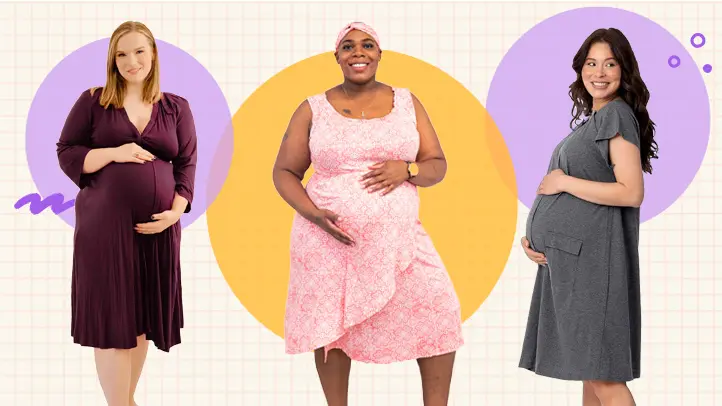
Think of your hospital clothing not as a suitcase of “things to bring,” but as your “Combat Gear for the Marathon of Birth” and your subsequent “Recovery Uniform.” Every piece you pack should serve a specific, functional purpose: facilitating medical access, managing discomfort, supporting feeding and bonding, and preserving your dignity during incredibly vulnerable moments.
This guide cuts through the fluff. We’re talking about the why behind every recommendation, with insights you’d typically only get from an experienced labor nurse or postpartum doula. Let’s pack with purpose, so you can focus on what truly matters: bringing your baby into the world and beginning your recovery in comfort.
Part 1: The Labor Wardrobe – Gear for the Marathon
This is your clothing for the hours (or sometimes days) of labor before delivery. Functionality and accessibility are everything.
The Hospital Gown: To Wear or Not to Wear?
Most hospitals will provide a standard gown. Here’s the real scoop:
- The Pros: It’s free, it’s designed for quick access (opens fully in the back), and you absolutely will not care if it gets ruined by fluids. For some, especially those wanting a completely “hands-off” approach to laundry, this is the simplest choice.
- The Cons: They are famously scratchy, ill-fitting, and offer zero back coverage. The constant feeling of being exposed can add to anxiety during vulnerable moments like walking the halls or receiving an epidural.
The Superior Alternative: A Purpose-Bought Labor Gown or Dress
If you want more comfort and dignity, investing in a dedicated labor gown is a game-changer. Don’t just buy any nightgown—look for these non-negotiable features:
- Open Back or Shoulder Snap Closure: This is critical if you’re considering an epidural. It allows the anesthesiologist full access without you having to struggle out of a garment or sit completely exposed. Some gowns have a full open back tied at the neck; others have discreet snap shoulders.
- Easy Front Access: Look for a wrap-style, button-down, or deep V-neck design. This allows for easy fetal monitoring, quick skin-to-skin access after birth, and the beginning of nursing without wrestling with fabric.
- Soft, Stretchy, and Breathable Fabric: Your skin may become hypersensitive. Bamboo viscose, modal, or a high-quality cotton blend feels like a gentle hug and won’t stick to you if you get sweaty.
- Full, Thoughtful Coverage: Aim for a length that covers you to at least mid-calf when standing. This gives you the confidence to move around. Some designs include a second, inner layer for extra modesty.
Why it matters: When a contraction hits, the last thing you want is to be fiddling with awkward clothing. A well-designed gown removes that stress entirely.
The Essential Labor Robe
Skip the plush, heavy bathrobe. What you need is a lightweight, knee-length, wrap-style robe made of terrycloth or a waffle knit.
- Its job: To throw on instantly for walks around the unit, to provide a layer of modesty over your gown when visitors pop in, and to offer easy access underneath. It’s your quick-comfort layer.
The Foundation Layer: What Goes Underneath
- A Soft, Wireless Nursing Bra or Tank: Forget support; think access. A simple, stretchy nursing bra with a clip-down cup or a built-in-bra nursing tank provides minimal coverage and allows for one-handed access during early nursing or skin-to-skin. Absolutely no underwire.
- Socks with Grips: This is non-negotiable. Best socks for circulation and safety during hospital labor are non-skid, knee-high or calf-high socks. Cold floors, potential fluid spills, and poor circulation make these a safety and comfort essential. Avoid socks with tight elastic bands at the top.
Part 2: The Postpartum & Recovery Wardrobe – Your Healing Uniform
Once your baby is born, your needs shift dramatically to healing, bleeding (lochia), and establishing feeding. Your clothing must adapt.
The Holy Grail: Postpartum Nightgowns & Pajamas
This is where you’ll live for your 24-48+ hour stay. Your choice here depends heavily on your mode of delivery.
For Vaginal Delivery Recovery:
- The Champion: A dark-colored, soft, button-down nightgown. Black, navy, or a dark pattern is ideal.
- Why it works: It provides easy perineal care—you can easily use your peri-bottle without maneuvering pants. There’s no waistband to press on your tender uterus. The button-down front offers effortless nursing access. It’s the ultimate in soft, non-restrictive clothing for your hospital stay.
For C-Section Recovery:
- The Strategy Changes: The enemy is anything that puts pressure on or rubs against your incision. Nightgowns can sometimes drape directly onto the scar, which can be irritating.
- The Winning Combo: High-waisted, loose-fitting pajama pants with a soft, wide, fold-over waistband that can sit above the incision line. Pair them with a loose-fitting t-shirt or button-down top. The goal is for no fabric to have direct contact with the healing scar.
- Insider Tip: Look for pants marketed as “c-section recovery” or “post-surgery” pants. They often have a super-soft, wide band that provides gentle support without pressure.
The Underwear Situation
The hospital will provide disposable mesh underwear and giant pads. They are functional, but many find them awkward and uncomfortable.
- The Upgrade: High-waisted postpartum disposable or reusable underwear. Brands like Frida Mom or Always boutique make disposables that look like giant, comfy boy shorts. Reusable options from brands like Kindred Bravely are made of soft, breathable fabric and are designed to hold massive pads securely.
- Why bother? They offer full coverage, feel more like “real” underwear, and provide better security and comfort than the often-baggy mesh. Pack 3-4 pairs.
Nursing-Friendly Tops & Layers
Pack 2-3 soft, button-down shirts or dedicated nursing tops. You’ll be nursing around the clock, and easy access is crucial. A lightweight zip-up hoodie or cardigan is perfect for the unpredictable hospital room temperatures and for skin-to-skin, keeping your back warm while your front is open.
The Going-Home Outfit (For You)
Forget your pre-pregnancy jeans. Your going-home outfit is about the gentlest re-entry into the world.
- Think: Your softest maternity leggings (high-waisted is best), a loose, stretchy dress, or soft joggers and a nursing top.
- Key Point: Your belly will still look 5-6 months pregnant. Your outfit must accommodate this comfortably. Choose dark colors and prioritize how it will feel sitting in a car for the ride home.
Part 3: The Support Person’s Wardrobe – The Pit Crew Uniform
Your partner or support person needs to be physically comfortable to be emotionally present for the long haul. Their packing list is simple but vital.
- The Formula: Layers + Comfort + Practicality.
- What to Pack:
- Comfortable, flexible pants (joggers, soft jeans, leggings).
- 2-3 T-shirts or tanks (labor rooms get warm, and they may need a change).
- A long-sleeve layer (like a henley or sweatshirt).
- A hoodie or zip-up for cooler temperatures.
- Slip-on shoes they can wear all day and night (sneakers, supportive clogs).
- A change of clothes left in the car. This is a pro tip. Labor can be long and messy. Having a fresh set of everything in the car is a lifesaver.
Part 4: Pro Tips & The “Do Not Pack” List
Fabric Wisdom
Natural, breathable fibers are king. Cotton, bamboo, and modal wick moisture and are less likely to irritate sensitive skin than polyester. You may experience postpartum night sweats, and these fabrics will help you feel more comfortable.
The Strategic Color Palette
Dark colors and busy patterns are your best friends. They expertly hide leaks of breast milk, lochia, baby spit-up, and the various spills that are part of new parenthood. Leave the light pastels and white at home.
The “Do Not Pack” List
Be ruthless. Do not bring:
- Regular jeans or tight, non-maternity leggings: You will not want them.
- Complicated outfits with lots of buttons/zippers: Simplicity is key.
- Valuable jewelry: It can get lost, and your fingers may swell.
- A single “special” outfit you’re emotionally attached to keeping clean. Assume everything you bring has a chance of becoming a casualty.
- Slippers without grips: They’re a slipping hazard.
Conclusion: Packing as an Act of Self-Care
In the whirlwind of birth and those first raw days with your newborn, the small comforts make a monumental difference. Reaching into your bag and putting on a soft, familiar, perfectly functional piece of clothing from home isn’t just about getting dressed. It’s a moment of normalcy, a gesture of self-kindness, and a reclaiming of a small piece of control in a process where you surrender so much.
You are packing your armor for the marathon and your uniform for healing. Do it with the same intention and care you’re putting into every other part of preparing for your baby. When you’re in the thick of it, you’ll be deeply grateful for your own foresight. [See our complete hospital packing checklist] for a downloadable list of everything covered here and more.