For many breastfeeding mothers, the question “Is my baby getting enough?” is a constant worry, and almost every new parent feels it. Breastfeeding runs mainly on supply and demand, so the more often you nurse or pump, the more milk your body makes. Still, what you eat plays a real supporting role, and the right superfoods to boost milk supply give your body the raw materials it needs to keep that supply steady.
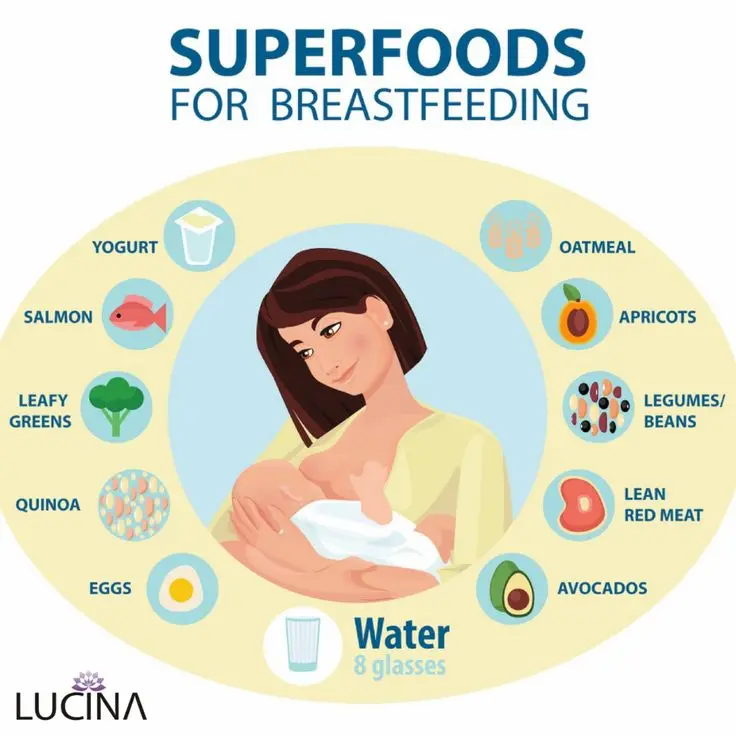
Think of your body as a remarkable factory that turns the nutrients you eat into liquid gold for your baby. Choosing nutrient-dense foods, sometimes called galactagogues or lactation superfoods, hands that factory high-quality supplies. The American Academy of Pediatrics (AAP) recommends exclusive breastfeeding for about the first six months, then continued breastfeeding as you introduce solids. Nourishing yourself is not only about the baby; it is central to your own recovery, and it works best alongside the everyday habits in our guide to nutrition for breastfeeding moms.
Below you will find the most effective, evidence-informed foods for milk supply, why they help, and easy ways to fit them into a busy day.
Lactation Nutrition Is More Than Just Calories
Making milk is genuinely hard work. The Centers for Disease Control and Prevention (CDC) notes that breastfeeding mothers usually need an extra 450 to 500 calories a day compared with before pregnancy, but the quality of those calories is what makes the difference. A whole-food diet supports three things at once: milk volume, since staying hydrated and eating enough prevents sudden dips; milk composition, since the vitamins and healthy fats you eat shape your milk’s nutritional quality; and your own recovery, since nutrient-dense foods repair tissue and keep your energy up.
What Are Galactagogues?
A galactagogue is simply a food, herb, or medication thought to start or increase milk production. Some old remedies have little science behind them, but many whole foods support lactation indirectly by improving your overall health, hydration, and nutrient levels. The World Health Organization (WHO) reminds us that a good supply rests on a balanced diet, plenty of water, and effective nursing, not magic supplements. Once those basics are in place, superfoods add a helpful boost, and if you are worried about output, our guide on increasing your milk supply naturally covers the technique side.
The Best Superfoods for Milk Supply
1. Oats
Oats are the most famous food for breastfeeding, and they earn it. They are a natural source of iron, which matters because postpartum anemia is common and can lower supply. Their beta-glucan fiber may raise prolactin, the hormone that signals your body to make milk, and as a complex carbohydrate they release energy slowly, exactly what a sleep-deprived parent needs. Enjoy them as warm oatmeal with berries and flaxseed, as overnight oats for busy mornings, baked into lactation cookies, or blended into a smoothie for extra body.
2. Flaxseed
Ground flaxseed is tiny but mighty. It is rich in ALA, a plant-based omega-3 that supports your baby’s brain and nervous system, and its lignans help keep hormones balanced postpartum, while its fiber eases the constipation that often follows birth. Stir it into yogurt or oatmeal, add a tablespoon to a smoothie, or use it as an egg substitute in baking by mixing one tablespoon of flax meal with three tablespoons of water. The Mayo Clinic notes that including healthy fats like these supports your overall health while breastfeeding.
3. Leafy Green Vegetables
Spinach, kale, and Swiss chard are must-haves for nursing mothers. They deliver iron to fight fatigue and calcium to protect your bone density while your body shares its stores with your baby, along with folate for your recovery and your baby’s growth. Build big mixed salads, sauté greens with garlic and olive oil, hide a handful of spinach in a fruit smoothie, or stir them into soups, stews, and omelets.
4. Almonds and Healthy Fats
Nuts, especially almonds, make a perfect grab-and-go snack. Because breast milk is high in fat, eating good fats supports its production and your baby’s brain development, while almonds’ vitamin E, protein, and calcium support tissue repair and bone health. Keep raw almonds in your nursing bag, spread almond butter on whole-grain toast or apple slices, or use almond milk as a creamy smoothie base.
5. Fenugreek (With a Few Cautions)
Fenugreek is the best-known milk-supply herb, and it needs care. Its seeds contain phytoestrogens thought to stimulate the milk-producing glands, but results are mixed: many mothers swear by it while studies vary, it can cause stomach upset or a maple-syrup smell to your sweat, and it actually lowers supply for some women. Avoid it if you have a peanut or chickpea allergy, since they share a plant family. Always talk to your doctor or a lactation consultant before starting it, especially since the FDA does not regulate supplements as strictly as medications.
6. Brewer’s Yeast
Brewer’s yeast is a common ingredient in lactation cookies. It is rich in B vitamins like folate and B6, which support energy and can help steady your mood, plus trace minerals like chromium and selenium that support immunity. Bake it into energy balls or cookies, sprinkle it on popcorn for a savory kick, or blend a small amount into a smoothie, starting small since the flavor is strong.
7. Salmon and Fatty Fish
Fatty fish like salmon are among the most beneficial foods you can eat while nursing. Their DHA is essential for your baby’s brain and eye development, and the amount in your milk depends directly on what you eat, while salmon is also one of the few natural sources of vitamin D for bone health and immunity. The AAP recommends nursing mothers get enough DHA through two servings of low-mercury fish a week or a quality supplement. Stick to low-mercury options like salmon, sardines, and trout, and avoid high-mercury fish such as shark or king mackerel.
8. Water: The Unsung Hero
It is not a food, but water is the most important ingredient of all, since breast milk is about 90% water. Dehydration is the fastest route to a temporary dip in supply, and staying hydrated also wards off headaches, fatigue, and constipation. Keep a large bottle at your nursing station, drink a glass each time you sit down to nurse or pump, and lean on hydrating foods like watermelon and cucumber. The CDC keeps it simple: drink to thirst, since your body signals when it needs more.

A Sample Lactation-Friendly Day
Here is one easy way to combine these foods across a day. For more recipe ideas, our nourishing smoothies for new moms fit neatly into any of these slots.
- Breakfast: oatmeal made with milk, topped with ground flaxseed, sliced almonds, and berries, plus water or a nursing-safe herbal tea.
- Morning snack: an apple with a handful of raw almonds.
- Lunch: a spinach salad with grilled salmon, avocado, quinoa, and lemon-olive oil dressing.
- Afternoon snack: a smoothie of oat milk, banana, almond butter, flax meal, and spinach.
- Dinner: baked chicken breast with brown rice and garlicky sautéed kale.
- Evening snack: Greek yogurt with berries, and a little brewer’s yeast if you like.
Foods to Limit or Watch
As you add the good stuff, keep an eye on a few things that can interfere with nursing. The CDC suggests capping caffeine around two to three cups of coffee (about 300 mg) a day, since more can make some babies fussy or wakeful. No amount of alcohol is considered fully safe, so if you drink, wait at least two hours before nursing. Peppermint and sage in very concentrated forms, like essential oils, may reduce supply, though normal culinary amounts are fine. And highly processed foods offer empty calories that will not give you the steady energy this season demands.
Frequently Asked Questions
It varies. Some mothers notice a boost within 24 to 48 hours of drinking more water and eating better, while for others it improves gradually over a week. Consistency matters more than speed.
Many supply worries turn out to be unfounded, but a true medical issue, such as a hormonal imbalance or previous breast surgery, may need more than food. If you are concerned, reach out to an IBCLC lactation consultant for expert help.
Whole foods are usually better absorbed, so they are the first choice. Even so, your doctor might recommend a vitamin D or DHA supplement to make sure you are getting exactly what you need.
No. Dairy is one easy calcium source, but vegan and lactose-intolerant mothers maintain a great supply using leafy greens, almonds, and fortified plant milks instead.
Yes, and that can be a good thing. Varied flavors expose your baby to new tastes early, and your diet also influences the healthy fats your baby receives.
These are traditional remedies with limited scientific support. Check with your doctor before trying any herbal supplement to be sure it will not interfere with your other medications.
Nourish Yourself as You Nourish Your Baby
Adding foods like oats, flaxseed, and leafy greens is a genuinely helpful way to support your breastfeeding journey, giving your body the tools to make quality milk while you feel your best. Remember there is no magic pill. A healthy supply comes from a good diet, plenty of water, solid nursing technique, and as much rest as you can find. Be kind to yourself, nourish your body, and do not hesitate to ask for help. You are doing an amazing job.
References
- American Academy of Pediatrics. (2022). Breastfeeding recommendations and benefits. healthychildren.org
- Centers for Disease Control and Prevention. (2024). Maternal diet and breastfeeding. cdc.gov/breastfeeding
- World Health Organization. (2023). Breastfeeding: Recommendations and support. who.int/health-topics/breastfeeding
- Mayo Clinic Staff. (2024). Breastfeeding nutrition: Tips for moms. mayoclinic.org
- U.S. Food and Drug Administration. (2024). Dietary supplements. fda.gov/food/dietary-supplements