Nobody tells you how strange it feels to be in a body that just did something extraordinary and yet cannot do the things it could before. You want to move. Your brain misses the endorphins, the routine, the feeling of being strong. But you are also bleeding, sore, exhausted, and unsure whether the thing you are about to do is safe or whether it will set you back.
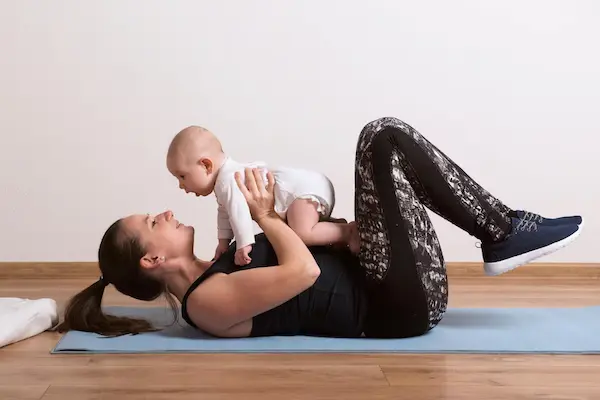
Returning to exercise after baby is genuinely one of those areas where well-meaning advice can cause real harm. Go back too soon or too intensely and you risk injury, setbacks, and long-term complications you did not need. Wait too long with no movement at all and your recovery actually slows. The answer is somewhere in between: a phased, gradual approach that works with your body’s healing rather than against it. This guide covers what is actually happening to your body that makes a careful return necessary, what each phase looks like, what to avoid and when, and how to know whether you are progressing at the right pace.
Why a Phased Approach Actually Matters
ACOG is explicit that returning to exercise postpartum should be gradual and individualized, based on your delivery type, any complications, and how you actually feel. This is not just cautious medical language; it reflects real structural changes in your body that need time and specific attention before intensity can increase.
Your abdominal muscles separated to accommodate the growing uterus, and research suggests a majority of women have some degree of this postpartum, so jumping into traditional core work without addressing it first can make it worse rather than better. Your pelvic floor muscles, which support the bladder, uterus, and bowel, were significantly strained by pregnancy and delivery, and a substantial proportion of women experience some pelvic floor dysfunction afterward. The hormone relaxin, which loosened your ligaments throughout pregnancy to allow for birth, remains elevated for months postpartum, leaving your joints more vulnerable to injury than they were before. And if you had a C-section, your abdominal wall and uterus need to heal from major surgery, a timeline that extends well beyond what most women expect. Understanding these changes makes the phased approach make sense rather than feeling like arbitrary restrictions.
Phase 0: The First Weeks, Rest and Very Gentle Movement
Timeline: birth to 6 weeks, or until cleared by your provider
The immediate postpartum period is for healing. That is the whole job right now, not exercise, not regaining fitness, just healing. Your body is recovering from birth, lochia is present, and your energy is entirely consumed by caring for a newborn on very little sleep.
What is safe in this phase: gentle walking around the house and short, slow walks outside when you feel up to it; deep diaphragmatic breathing, inhaling fully so your belly rises and then exhaling completely, which actively supports core recovery and is genuinely useful rather than just relaxing; gentle pelvic floor contractions if they are comfortable and not painful; and light stretching if it feels good rather than straining.
What to avoid: anything that increases bleeding or causes pain, and nothing heavier than your baby. No crunches, planks, sit-ups, or any exercise targeting the core. No running, jumping, or intense cardio. For C-section recovery specifically, no lifting, straining, or engaging the abdominal muscles at all until cleared.
The Mayo Clinic is clear that if activity increases bleeding, you need more rest. That is the signal your body uses, so listen to it. Other signs you are doing too much include pain in the abdomen, pelvis, or incision site, leaking urine, or fatigue so profound that it does not recover with rest.
Phase 1: Foundation and Healing
Timeline: after provider clearance (usually around 6 weeks) through 3 months postpartum
Once you have been cleared by your healthcare provider, you can begin gentle, targeted exercise. The focus here is rebuilding the foundation, meaning pelvic floor, deep core, and basic mobility, rather than returning to fitness. There is a meaningful difference between those two goals, and keeping them separate is what protects you from setbacks.
Before You Start: Two Things Worth Checking
If you can access one, a pelvic floor physical therapist assessment at this stage is genuinely valuable, not just if you have symptoms but as a baseline. They can evaluate what is actually happening with your pelvic floor muscles and give you exercises appropriate for your specific situation rather than generic guidance. For diastasis recti, do a simple self-check: lie on your back with knees bent, lift your head slightly, and feel above and below your navel for a gap, where more than two fingerbreadths means you need modified exercises. Understanding diastasis recti recovery is worth doing before you start core work of any kind.
What Phase 1 Exercise Looks Like
Pelvic floor contractions: Contract the muscles you would use to stop urine flow, hold for 3 to 5 seconds, then relax completely. Ten repetitions several times daily. Focus on quality and full relaxation between contractions, since the releasing is as important as the squeezing.
Deep core activation: Lie on your back with knees bent. Inhale, then on the exhale gently draw your lower abdomen toward your spine, not a suck-in or a crunch but a gentle drawing. Hold for 10 seconds while breathing normally, then release fully. Ten repetitions.
Pelvic tilts: Same position and starting point. Gently tilt your pelvis to flatten your lower back against the floor, hold briefly, and release. Ten to fifteen repetitions.
Heel slides: Lie on your back with knees bent. Slowly slide one heel away from your body along the floor, then slide it back. Alternate legs, ten repetitions each. This gently challenges the deep core without loading it heavily.
Walking: Gradually increase duration and pace, aiming for 20 to 30 minutes daily if it feels comfortable. Walking is genuinely therapeutic here, since it improves circulation, supports mood, and is appropriate for almost everyone in this phase.
What to continue avoiding in Phase 1: crunches, sit-ups, full planks, heavy lifting, any high-impact activity, and anything that causes your abdomen to dome or cone outward. That doming is a sign the exercise is too much load for your healing abdominal wall right now.
Phase 2: Building Strength
Timeline: 3 to 6 months postpartum
Once you have established good core and pelvic floor awareness and can do Phase 1 exercises comfortably, you can gradually add more challenge. This phase is about building real strength and endurance, not maximum intensity but meaningful progression. You are ready for Phase 2 when Phase 1 exercises feel genuinely manageable, when you have good awareness of your core and pelvic floor and can feel them working, and when you have no symptoms: no leaking, no pelvic pressure or heaviness, no pain.
Phase 2 Exercises
Bridges: Lie on your back, knees bent, feet flat. Engage your core and pelvic floor, then lift your hips toward the ceiling, hold briefly, and lower slowly. Ten to fifteen repetitions. This works the glutes and hamstrings while integrating core and pelvic floor in a position that loads them appropriately.
Modified planks: Start on hands and knees rather than a full plank position. Engage your core and keep your back flat, holding 10 to 30 seconds. If you notice your abdomen doming, come out of it and regress, since that means this is not the right load yet.
Bird dogs: From hands and knees, extend one arm forward and the opposite leg back, keeping core engaged and back flat. Hold briefly, return, and alternate sides for eight to ten repetitions each. This challenges coordination and stability without high abdominal load.
Clamshells: Lie on your side with knees bent and legs stacked. Keep your feet together and lift the top knee while keeping your pelvis completely stable, then lower slowly. Ten to fifteen repetitions each side, and excellent for hip strength, which supports the pelvic floor.
Squats: Stand with feet hip-width apart. Lower as if sitting into a chair, weight in your heels, core engaged, knees behind toes, then return to standing. Ten to fifteen repetitions. Squats are one of the most functional exercises you can do and translate directly into the physical demands of carrying a baby.
Lunges: Step forward into a lunge with the front knee tracking over the foot and the back knee lowering toward the floor, then return to start. Eight to ten repetitions each leg.
Upper body: Light dumbbell work, resistance bands, and wall or knee push-ups. Building shoulder and upper back strength is particularly relevant because carrying and nursing a baby puts significant demand on these areas.
Cardio: Brisk walking, stationary cycling, elliptical, or swimming once bleeding has stopped and incisions are healed. Building cardiovascular capacity gradually in this phase sets you up for Phase 3 without shock-loading the system.
Throughout Phase 2, keep watching for doming or coning in the abdomen, which means regress; pelvic floor symptoms like leaking or pressure, which mean back off and see a pelvic floor physical therapist; and joint pain, since relaxin is still elevated and your joints remain more vulnerable than pre-pregnancy.
Phase 3: Returning to Pre-Pregnancy Activity
Timeline: 6 to 12 months postpartum
By this phase, most women can return to their pre-pregnancy activities, but “return” does not mean exactly the same as before. Your body may have changed, and some modifications may become permanent parts of how you train. That is not failure; it is adaptation.
Signs you are genuinely ready: you have completed Phase 2 without issues, you can perform exercises with good form and no compensations, you have no pelvic floor symptoms, and you have addressed any significant diastasis recti. If those boxes are checked, you can gradually reintroduce higher-impact activities.
For running and jogging, start with walk-run intervals rather than jumping straight to sustained running. A typical starting approach is 1 minute of running to 2 minutes of walking, progressing the running intervals as comfort allows. If you feel pelvic pressure, heaviness, or any leaking during running, those are signals to back off and work with a pelvic floor physical therapist before continuing.
For advanced core work, meaning full planks, push-ups, and, if you have confirmed your diastasis recti has adequately closed, sit-ups and crunches, go slowly and watch for doming. Some women find they never return to certain exercises without symptoms, and modifying around that is smart rather than a defeat. For heavy lifting, increase weights gradually and prioritize form over numbers; if you are returning to barbell work, a coach who understands postpartum considerations is worth it. Even in Phase 3, pelvic floor and core work continues indefinitely, not as a limitation but as good foundational training that serves you regardless of what else you are doing.
Special Considerations by Delivery Type
After Vaginal Delivery
Perineal healing affects comfort with some exercises longer than you might expect. Pelvic floor recovery is the most critical element of your return to fitness, and everything else is secondary to it. High-impact activities need to wait longer if you have any pelvic floor symptoms, and scar tissue from tears or an episiotomy may need mobilization work from a pelvic floor physical therapist before it stops limiting movement.
After C-Section
Treat this as major abdominal surgery, because it is. Your timeline is longer than for vaginal delivery and there are no shortcuts. Wait for provider clearance, typically 6 to 8 weeks, before any core work at all. Scar tissue management is essential and often overlooked, since adhesions from a C-section can affect how your core functions and how your pelvic floor moves, which is why working with a pelvic floor physical therapist is especially valuable here. You can also experience pelvic floor issues after a C-section even without vaginal delivery, since the uterus and surrounding tissues are affected by pregnancy regardless of how birth happened. Full C-section recovery takes significantly longer internally than the six weeks most people expect.
After Multiple Births
Twins or more means your body stretched further and for longer. Diastasis recti is more common and often more significant, and pelvic floor strain is greater. Be especially patient with your timeline and especially diligent about checking for symptoms before progressing between phases.
The Pelvic Floor: The Foundation Everything Rests On
The pelvic floor affects bladder control, core stability, sexual function, and organ support. It is not an obscure specialty concern; it is foundational to everything else you will do in your return to fitness, and problems with it are common enough that they are worth addressing proactively rather than waiting for symptoms to become severe.
Signs of pelvic floor dysfunction to watch for include leaking urine when you cough, sneeze, laugh, or exercise, which is common but not normal and that distinction matters; a feeling of heaviness or pressure in the pelvis; difficulty fully emptying your bladder or bowel; pain with intercourse; and a feeling like something is falling out or bulging.
Any of these symptoms warrant seeing a pelvic floor physical therapist, not as a last resort but as the appropriate specialist for this specific issue. The WHO recognizes pelvic floor dysfunction as a common postpartum condition that responds well to treatment. “Just do more Kegels” is not the answer for everyone; in fact, for some women whose pelvic floor is hypertonic, meaning too tight rather than too weak, contractions make things worse. A proper assessment tells you which situation you are in. Understanding the full picture of postpartum pelvic floor recovery is worth reading alongside this guide.
Sample Weekly Schedules by Phase
Phase 1 (Weeks 6 to 12 Postpartum)
| Day | Activity |
|---|---|
| Monday | 20-minute walk, pelvic floor exercises |
| Tuesday | Gentle stretching, deep breathing |
| Wednesday | 20-minute walk, core activation and heel slides |
| Thursday | Rest or very gentle walking |
| Friday | 20-minute walk, pelvic floor exercises |
| Saturday | Gentle stretching |
| Sunday | Rest |
Phase 2 (3 to 6 Months Postpartum)
| Day | Activity |
|---|---|
| Monday | 30-minute walk, strength circuit (bridges, bird dogs, clamshells) |
| Tuesday | 20-minute stationary bike or elliptical, stretching |
| Wednesday | Strength circuit with light weights, squats, lunges |
| Thursday | 30-minute walk or swim |
| Friday | Strength circuit, pelvic floor exercises |
| Saturday | Longer walk or easy hike |
| Sunday | Rest |
Phase 3 (6 to 12 Months Postpartum)
| Day | Activity |
|---|---|
| Monday | Run/walk intervals, strength training |
| Tuesday | Yoga or Pilates |
| Wednesday | Strength training, core work |
| Thursday | 30-minute cardio, stretching |
| Friday | Strength training, pelvic floor check-in |
| Saturday | Active family activity |
| Sunday | Rest |
Reading Your Body’s Signals
No guide can tell you exactly when you are ready for each exercise; only your body can do that, and learning to read its signals accurately is the most valuable skill you will develop in this process.
Green light signals: exercise feels genuinely good, you have energy afterward rather than feeling depleted, no pain during or after, no increase in bleeding or discharge, no leaking, no pelvic pressure.
Yellow light signals (proceed carefully): mild discomfort that resolves quickly, a slight increase in lochia that settles with rest, feeling tired but not wiped out, and minor muscle soreness that is different from pain. These mean keep going but pay close attention.
Red light signals (stop and regress): sharp pain anywhere, increased bleeding that persists, leaking urine or pelvic pressure, abdominal doming, extreme fatigue, or dizziness. These mean stop the activity and consult your provider if symptoms persist. They are not catastrophic, but they are clear communication from your body that something is too much right now.
Nutrition to Support Your Return to Exercise
Exercise places additional demands on a body that is already working hard to recover and potentially breastfeed. Under-eating while increasing activity is a common mistake that leads to fatigue, impaired healing, and supply concerns for nursing mothers.
Protein supports muscle repair, so include a solid serving at each meal from sources like lean meat, poultry, fish, eggs, dairy, or legumes. Complex carbohydrates provide energy for exercise, and whole grains, fruits, and vegetables timed around workouts help. Hydration needs increase with exercise, and if you are breastfeeding they are already elevated, so drink before, during, and after activity. Iron and calcium both matter for active postpartum recovery, particularly if you experienced blood loss during delivery. More detail on what your body actually needs during this period is in our guide to postnatal nutrition.
The Emotional Side of Coming Back
Returning to exercise after baby is not just physical, and pretending otherwise does not help. You may feel impatient at how slowly this goes, frustrated when you have setbacks, grief for your pre-pregnancy fitness level, comparison pressure from what you see other women doing, and guilt about taking time away from your baby for something that feels self-indulgent. All of those feelings are real and common.
What helps is shifting the frame. Instead of exercising to “fix” your body, exercise to feel stronger, to have more energy for the physical demands of new parenthood, to clear your head, and to see what this body can do rather than punishing it for what it cannot do yet. That is a different relationship with fitness, and it tends to be both more sustainable and more effective.
Including your baby when it works, whether through stroller walks, babywearing walks, or floor play that incorporates movement, also helps when childcare time feels impossible, and plenty of postnatal fitness classes are designed around this, both in person and online. Taking care of yourself physically is part of how you take care of your family, which is worth remembering on the days when getting to move at all feels like a luxury you cannot justify. For a broader view of the medical timeline behind all of this, our safe exercise timeline after birth covers what the guidance actually says at each stage.
When to Get Professional Support
A pelvic floor physical therapist is worth seeing if you have any symptoms of pelvic floor dysfunction, want guidance on progressing safely, have significant diastasis recti, had a complicated delivery, or simply want to make sure you are starting the right way. Many women find that seeing one even without specific symptoms is valuable, since it establishes a baseline and gives personalized direction rather than generic advice.
A postpartum-certified personal trainer can help design a specific program, provide accountability, and ensure your form is correct as you progress to heavier loads, which is particularly useful in Phase 3. And your healthcare provider should be in the loop if you have pain, symptoms that are not resolving, uncertainty about whether you are ready for a specific activity, or medical conditions that affect how exercise guidelines apply to you.
Frequently Asked Questions
Gentle walking can begin almost immediately if you feel up to it and it does not increase pain or bleeding. More structured exercise, meaning any core work, strength training, or cardio beyond walking, typically waits for provider clearance at around six weeks, and for a C-section that timeline is longer. Clearance is a starting point for Phase 1, not a green light to return to whatever you were doing before.
Yes, but most evidence-based guidance suggests waiting until at least 3 to 6 months postpartum before reintroducing running, starting with walk-run intervals rather than sustained running. The reason is not arbitrary caution: running places significant impact load on the pelvic floor, and the pelvic floor needs time and targeted work before it can handle that load without symptoms. If you experience leaking, heaviness, or pressure when running, back off and see a pelvic floor physical therapist before continuing.
Moderate exercise does not affect milk supply or composition, and the AAP is clear on this. What can affect supply is under-eating or significant dehydration, so if you are increasing exercise, increase your food intake and hydration accordingly. Wearing a supportive sports bra and nursing or pumping before exercise improves comfort. If you notice supply changes alongside increased exercise, look at whether you are eating and drinking enough first. More detail is in our guide to increasing milk supply naturally.
Stop treating it as something you have to put up with. Leaking is common but it is not normal, and that distinction matters, because it indicates pelvic floor dysfunction that responds well to treatment, particularly pelvic floor physical therapy. In the meantime, modify or avoid the exercises that cause leaking. Do not push through it; the pelvic floor needs appropriate loading, not overloading.
With appropriate exercise, specifically targeting the transverse abdominis and avoiding exercises that worsen it, many women see meaningful improvement within 3 to 6 months. Complete closure may take longer, and some degree of separation may persist, particularly after multiple pregnancies. What matters more than the gap measurement alone is how the tissue functions, meaning whether it has tension and can transfer load, which a pelvic floor physical therapist or women’s health physio can assess properly.
Yes. Look for postnatal-specific classes designed with postpartum physiology in mind, since they will avoid positions that strain healing tissues and will not assume a pre-pregnancy core. Avoid heated classes initially, and modify anything that causes abdominal doming or pelvic pressure. Yoga is genuinely beneficial for breathing patterns, body awareness, and nervous system regulation, all of which support recovery.
One Final Word
You are not trying to get your old body back. That framing sets you up to fail before you start, because your body has permanently changed in ways that are not deficits, just differences. What you are doing instead is building a new relationship with a body that has done something extraordinary, and that relationship deserves patience, curiosity, and respect.
Some days you will feel stronger than you expected. Some days a walk around the block will be all you can manage, and that is genuinely enough. The process is not linear and the timeline does not fit neatly into phases for everyone. Keep listening, keep adjusting, and keep showing up in the ways your body can actually manage right now. That is what the phased approach is really for.
This article is for general information and is not a substitute for personalized medical advice. Get clearance from your healthcare provider before beginning or progressing an exercise program after birth.
References
- American College of Obstetricians and Gynecologists. (2020). Physical activity and exercise during pregnancy and the postpartum period. acog.org/clinical
- Mayo Clinic Staff. (2024). Postpartum care: What to expect after delivery. mayoclinic.org
- World Health Organization. (2022). Postnatal care for mothers and newborns. who.int
- American Academy of Pediatrics. (2022). Breastfeeding and the use of human milk. publications.aap.org
- Centers for Disease Control and Prevention. (2024). Physical activity basics. cdc.gov/physical-activity-basics
- American Academy of Orthopaedic Surgeons. (2023). Diastasis recti. orthoinfo.aaos.org