Imagine building a house. You’d start with the strongest, most carefully chosen materials for the foundation, ensuring the entire structure stands strong. Think of your pregnancy in the same way. The nutrients you provide from the very beginning are the building blocks for your baby’s developing brain, spine, heart, and every tiny finger and toe.
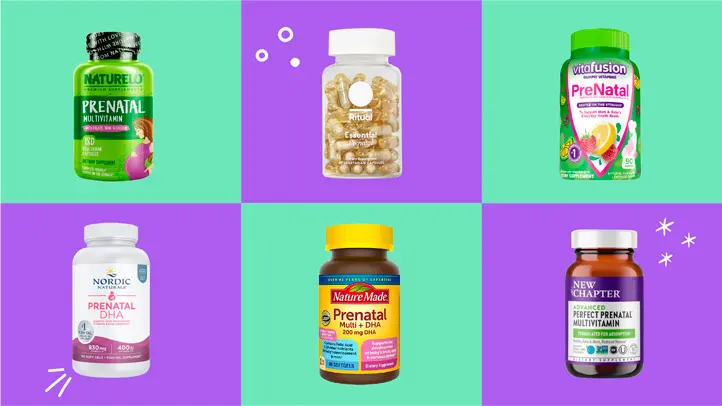
Prenatal vitamins are not just a backup plan or an optional extra; they are a fundamental part of modern prenatal care. In a world where even the healthiest diet can have gaps, these supplements act as a critical safety net, filling in nutritional deficiencies to support the incredible demands of pregnancy. But standing in the pharmacy aisle, faced with a wall of bottles promising everything from brain health to morning sickness relief, can be overwhelming.
This guide is here to cut through the noise. We’ll move beyond marketing claims and delve into the science of the essential nutrients, creating a clear, evidence-based prenatal vitamins must-have list. Our goal is to transform you from a confused consumer into a confident partner in your care, equipped to choose—or discuss with your doctor—the right nutritional support for you and your growing baby.
Part 1: The Non-Negotiable Core Four
These are the nutrients that every quality prenatal vitamin must contain in adequate amounts. They are the cornerstone of fetal development and maternal health.
1. Folic Acid (or Folate): The Neural Tube Defender
- Why it’s Essential: This B vitamin is arguably the most critical prenatal nutrient. It is vital for the prevention of neural tube defects (NTDs), serious birth defects of the brain (anencephaly) and spine (spina bifida). The neural tube forms and closes in the first 28 days of pregnancy—often before many people even know they’re pregnant.
- The Recommended Amount: At least 400 to 800 micrograms (mcg). Many providers recommend 800-1000 mcg, especially for those with a previous pregnancy affected by an NTD, who may be advised to take 4,000 mcg under medical supervision.
- Key Insight: Look for methylfolate (5-MTHF) on the label. This is the active, bioavailable form of folate that up to 40% of people cannot efficiently convert folic acid into. It ensures you can utilize the nutrient regardless of your genetics.
2. Iron: The Oxygen Carrier
- Why it’s Essential: Your blood volume increases by up to 50% during pregnancy to support the placenta and your baby. Iron is the core component of hemoglobin, the protein in red blood cells that carries oxygen. Without enough iron, you risk developing iron-deficiency anemia, leading to severe fatigue, weakness, and increased risk of preterm delivery and low birth weight.
- The Recommended Amount: 27 milligrams (mg) per day. This is nearly double the non-pregnant requirement.
- Key Insight: Iron can cause constipation and nausea. Taking it with a source of vitamin C (like a small glass of orange juice) can enhance absorption. Some find it easier on the stomach to take later in the day or with a meal, though this may slightly reduce absorption.
3. Iodine: The Thyroid and Brain Regulator
- Why it’s Essential: Iodine is crucial for the production of thyroid hormones, which regulate your metabolism and are critical for your baby’s brain and nervous system development. Severe deficiency is the leading preventable cause of intellectual disabilities worldwide.
- The Recommended Amount: 220 mcg per day.
- Key Insight: While iodized salt is a common source, many people now use sea salt or Himalayan salt, which are not iodized. A prenatal vitamin with iodine is a reliable way to ensure consistent intake.
4. Calcium: The Bone Builder
- Why it’s Essential: Your baby needs calcium to develop strong bones, teeth, a healthy heart, and nerves. If you don’t consume enough, your body will leach calcium from your own bones to give to the baby, potentially weakening your bone density long-term.
- The Caveat: Prenatal vitamins often contain only 200-300 mg of calcium because including the full recommended 1,000 mg (1,300 for teens) would make the pill impractically large.
- The Strategy: Consider your prenatal vitamin a calcium supplement, not your sole source. You must also get calcium from your diet (dairy, fortified plant milks, leafy greens, sardines) or a separate calcium supplement, taken at a different time of day than your prenatal for best absorption.
[Image: https://images.unsplash.com/photo-1551183053-bf91a1d81141?ixlib=rb-4.0.3 | Caption: A curated selection of healthy foods—leafy greens, nuts, citrus—next to a bottle of prenatal vitamins, illustrating the concept of diet and supplementation working together.]
Part 2: The Highly Beneficial Support Crew
These nutrients play significant supporting roles in development and maternal well-being. A comprehensive prenatal will include most of these.
1. DHA (Docosahexaenoic Acid): The Brain Booster
- Why it’s Essential: DHA is an omega-3 fatty acid that is a primary structural component of the fetal brain and retina. Adequate intake is associated with optimal cognitive and visual development.
- The Recommended Amount: Aim for a prenatal with at least 200-300 mg of DHA. Many are now combined with EPA, another beneficial omega-3.
- Key Insight: DHA often comes from fish oil or algal oil (a vegan source). If your prenatal doesn’t contain DHA, you may need a separate supplement.
2. Choline: The Memory Mineral (Often Forgotten)
- Why it’s Essential: Choline is vital for baby’s brain development, specifically the hippocampus, which is central to memory and learning. It also helps prevent neural tube defects. Shockingly, over 90% of pregnant people don’t get enough.
- The Recommended Amount: 450 mg per day, but emerging research suggests benefits up to 930 mg.
- Key Insight: Many prenatal vitamins contain little to no choline. Check the label! Eggs and meat are excellent dietary sources.
3. Vitamin D: The Sunshine Vitamin
- Why it’s Essential: It works in tandem with calcium to build your baby’s skeleton and supports your immune function. Deficiency is linked to an increased risk of preeclampsia, gestational diabetes, and low birth weight.
- The Recommended Amount: 600 IU (15 mcg), though many experts believe 1,000-2,000 IU is safe and more optimal, especially for those with limited sun exposure or darker skin tones.
4. B Vitamins (B6 & B12): The Energy and Nausea Team
- Vitamin B6: Known to help alleviate morning sickness and nausea during pregnancy. It’s also crucial for brain development and red blood cell formation.
- Vitamin B12: Works with folate to make red blood cells and is essential for neurological function. It’s particularly important for vegetarians and vegans, as it’s primarily found in animal products.
Part 3: Decoding the Label: What to Look For & Red Flags
Walking down the supplement aisle can feel like reading a foreign language. Here’s your translator.
The Ideal Prenatal Vitamin Label Should Clearly Show:
- The Core Four: Folic Acid/Folate (800+ mcg), Iron (27 mg), Iodine (220 mcg), Calcium (amount noted).
- The Support Crew: DHA (200+ mg), Choline (450+ mg), Vitamin D (600+ IU), Vitamin B6, B12.
- “USP Verified” or “NSF Certified” Seal: While not a guarantee of effectiveness, these third-party certifications mean the product has been tested for purity, accuracy of ingredients, and lack of harmful contaminants like heavy metals—a crucial consideration.
Potential Red Flags & Considerations:
- Mega-Doses: More is not always better. Extremely high doses of certain fat-soluble vitamins (like A and E) can be harmful. Avoid supplements with more than 100% of the Daily Value for Vitamin A from retinol (beta-carotene is a safe source).
- Herbal Blends: Be wary of proprietary herbal blends. Many herbs have not been proven safe for pregnancy and can interact with medications.
- Gummy Prenatals: While palatable, they often lack sufficient iron and calcium, as these minerals are difficult to formulate in a gummy. They may also be high in sugar. They can be a short-term solution for severe nausea but are generally not a complete replacement.
[Image: https://images.unsplash.com/photo-1584308666747-3d7a5d4d5b6c?ixlib=rb-4.0.3 | Caption: A close-up of a person's hand holding a prenatal vitamin bottle, carefully reading the supplement facts label.]
Part 4: Choosing What’s Right for YOU: Types and Timing
Types of Prenatals:
- Prescription Prenatals: Often covered by insurance and held to pharmaceutical-grade manufacturing standards. They reliably contain the core nutrients but may lack newer additions like choline or enough DHA.
- Over-the-Counter (OTC) Prenatals: Offer a wider variety of formulations (with DHA, for sensitive stomachs, vegan, etc.). Quality varies greatly, so label reading is essential.
- Specialized Formulas:
- For Nausea: Look for one with B6 and/or one that is easy to digest (smaller pills, taken at night).
- For Constipation (from iron): Look for slow-release or chelated iron (like ferrous bisglycinate), which is gentler. Some include a stool softener.
- Vegan Prenatals: Will use methylfolate instead of folic acid and algal oil for DHA. Ensure they contain B12 and iron.
When and How to Take Them:
- Start Early: Ideally, begin taking a prenatal vitamin at least one month before conception to build up nutrient stores, especially folate.
- Timing Tips: Take with food to minimize nausea. If iron upsets your stomach, try taking it at lunch or dinner. If it causes constipation, ensure you’re drinking plenty of water and consider a separate calcium/magnesium supplement at a different time.
- Don’t Stop at Birth: Continue taking them throughout your breastfeeding journey to replenish your stores and pass nutrients to your baby through your milk.
Part 5: Prenatals Are a Supplement, Not a Replacement
This is the golden rule. No pill can replace the complex matrix of nutrients, fiber, and antioxidants found in whole foods.
Your diet should be the primary source of nutrition. Prenatal vitamins are the insurance policy. Focus on building a plate with:
- Folate: Lentils, leafy greens, asparagus, avocado.
- Iron: Lean red meat, poultry, lentils, spinach, fortified cereals.
- Calcium: Dairy, fortified plant milks, broccoli, kale.
- Choline: Eggs, lean beef, chicken, fish, soybeans.
Conclusion: Your Personalized Nutritional Blueprint
Choosing a prenatal vitamin is one of the first concrete actions you take as a parent-to-be. It’s an act of care and intention. Use this must-have list not as a rigid decree, but as a blueprint for conversation.
Bring this knowledge to your next doctor’s appointment. Ask, “Does this prescription cover my needs for choline and DHA?” or “I’m considering this OTC brand with methylfolate; what are your thoughts?”
The best prenatal vitamin is the one that contains the essential nutrients in bioavailable forms, that you can tolerate consistently, and that fits into your healthcare plan. It’s a key tool, empowering you to build the strongest possible foundation for the life you’re creating.
Frequently Asked Questions (FAQ)
Q: Can I just take a regular women’s multivitamin instead of a prenatal?
A: Not recommended. Regular multivitamins do not contain the specific, increased amounts of iron and folic acid that are critical for pregnancy. They may also contain unsafe levels of Vitamin A (as retinol). Always choose a vitamin specifically formulated for pregnancy.
Q: What is the best prenatal vitamin for nausea?
A: Look for options with vitamin B6, which is clinically shown to reduce nausea. Some brands offer “easy-to-swallow” capsules or formulas designed for sensitive stomachs. Taking your vitamin at night with a snack can also help. If nausea is severe, gummy prenatals (while checking they contain adequate folic acid) may be a temporary solution, but discuss this with your provider.
Q: Is it safe to take prenatal vitamins if I’m not pregnant but trying to conceive?
A: Yes, and it is highly encouraged. Starting prenatals before conception ensures your body has optimal levels of folate during the critical early weeks of neural tube development, which happens before you might get a positive pregnancy test.
Q: I’m having terrible constipation from my prenatal. What can I do?
A: This is almost always from the iron. First, increase your water and fiber intake dramatically. Ask your doctor about switching to a prenatal with a gentler form of iron like ferrous bisglycinate. You can also try taking a separate magnesium citrate supplement (approved by your doctor), which can help draw water into the bowels to soften stools.
Q: Do I need to take a separate DHA/Omega-3 supplement?
A: It depends on your prenatal. Check the label. If it contains less than 200 mg of DHA, taking an additional supplement is a good idea. High-quality fish oil or algal oil supplements are widely available. Ensure any fish oil is purified and free of heavy metals.
Q: Are organic or “whole food” prenatal vitamins better?
A: “Whole food” vitamins are marketed as being derived from food sources. While they may be gentler on the stomach, it’s crucial to verify they still provide the adequate, measurable amounts of key nutrients like iron and folic acid. The synthetic forms in standard prenatals are highly bioavailable and proven effective. The priority is meeting the nutrient targets, regardless of the source.