You’re drifting into a hard-won sleep, or maybe you’ve just stood up from the couch, when it strikes—that sudden, seizing pain in your calf or foot that feels like a muscle knotting into a rock. It’s intense, it’s startling, and for many expecting mothers, it becomes a frustratingly familiar nighttime visitor. The immediate question is, “How do I make it stop?” But the more profound and ultimately more empowering question is, “What causes leg cramps in pregnancy?”
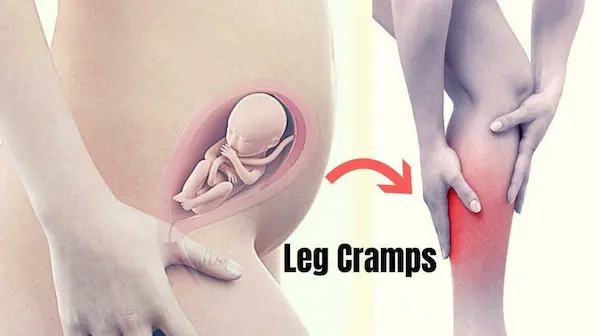
This isn’t just bad luck or a random pregnancy quirk. These painful spasms, often called charley horses, are a direct signal from your body—a physiological response to the extraordinary demands being placed on it. Understanding the why transforms the experience from a mysterious nuisance into a manageable aspect of your pregnancy journey. In this guide, we’ll move beyond simple lists and explore the interconnected science, examining how shifts in your minerals, your circulation, and even your posture conspire to make your muscles more prone to those painful cramps.
[Image suggestion: https://images.unsplash.com/photo-1547592180-85f173990554?ixlib=rb-4.0.3&auto=format&fit=crop&w=1470&q=80 | Caption: A selection of nuts, seeds, and leafy greens—foods rich in magnesium, a key mineral involved in the electrolyte theory of pregnancy leg cramps.]
The Core Thesis: A Perfect Storm of Factors
Pregnancy leg cramps are rarely due to one single issue. Instead, think of it as a perfect storm where several of pregnancy’s normal adaptations converge to increase what doctors call “neuromuscular irritability.” Your muscles and the nerves that control them become more sensitive, more easily triggered into a sustained, painful contraction. Let’s break down the major contributing storms.
1. The Electrolyte & Mineral Imbalance Theory (The Leading Suspect)
To understand muscle function, picture a delicate dance between minerals. This is often the most cited reason for cramps, and for good cause.
- The Players: Magnesium, Calcium, and Potassium
- Calcium’s Role: It’s the “go” signal. When a nerve signals a muscle to contract, calcium floods into the muscle cells, initiating the tightening.
- Magnesium’s Role: It’s the essential “relax” counterpart. Magnesium helps pump calcium out of the muscle cells, allowing the fibers to unwind. Think of it as a natural muscle relaxant. A shortage means the “off” switch doesn’t work properly.
- Potassium’s Role: This electrolyte helps maintain the proper electrical gradient across cell membranes, ensuring nerve signals fire cleanly and muscles contract smoothly.
- Why Pregnancy Disrupts This Balance:
- Increased Demand: Your growing baby is building its own skeleton and systems, drawing directly from your mineral stores.
- Increased Excretion: Pregnancy hormones can increase the loss of magnesium and other minerals through your urine.
- Hemodilution: Your blood volume increases by up to 50%. This can dilute the concentration of electrolytes in your bloodstream, even if your total body stores are okay.
- Dietary Shortfalls: Nausea, food aversions, or simply not eating enough mineral-rich foods can exacerbate the problem.
This theory directly addresses the link between magnesium deficiency and pregnancy leg cramps. When magnesium is low, the calcium-magnesium “see-saw” tips, leaving muscles in a more easily triggered, hyperexcitable state.
2. The Circulatory & Mechanical Load Theory
Your cardiovascular system undergoes monumental changes, and your musculoskeletal system bears new weight. Both factors play a significant role.
- Blood Volume and Venous Stasis: Your soaring blood volume is a marvel, but it also increases pressure in your venous system. Coupled with the pressure of your growing uterus on the major vein (the inferior vena cava) that returns blood from your legs, circulation can become slightly sluggish—a condition called venous stasis. This means metabolic waste products (like lactic acid) can build up in the leg muscles more easily. This acidic environment can irritate muscles and nerves, lowering the threshold for cramping.
- The Simple Physics of Weight and Fatigue: You’re carrying extra weight, and your center of gravity is shifting forward. This often leads to an anterior pelvic tilt—your pelvis tips forward, arching your lower back. This postural change places your calf and leg muscles under constant, novel strain as they work overtime to stabilize you. An overworked, fatigued muscle is simply more vulnerable to spasms.
So, how does increased blood volume cause leg cramps? It’s a dual mechanism: through increased venous pressure contributing to stasis and waste buildup, and as a contributor to the hemodilution of essential minerals.
3. The Neurological & Hormonal Influence Theory
Sometimes, the issue isn’t the muscle itself, but the wires that control it.
- Nerve Compression: As your uterus expands, it can press on surrounding nerves. Pressure on the sciatic nerve—which runs from your lower back down the back of each leg—is a classic example. This pressure can cause sciatica (radiating pain), but it can also manifest as referred muscle tightness, twitching, or cramping in the calf or foot. This connection explains why some women wonder, “can baby position cause leg cramps in third trimester?” The answer is yes; a baby’s position that puts direct pressure on a nerve root can be a direct trigger.
- Hormonal Effects: The role of hormones like progesterone is less clearly defined but plausible. Progesterone is a potent nervous system depressant and muscle relaxant. Some researchers theorize it may alter nerve signal transmission or the sensitivity of nerve receptors in muscles, potentially making them more “jumpy.”
Connecting Causes to Real-World Experience
Understanding these theories makes sense of the common patterns pregnant women report:
- Why are leg cramps worse at night during pregnancy? Several factors align at bedtime. You’re still and horizontal, which can worsen venous stasis and allow metabolites to pool. Your mind is quiet, making you hyper-aware of subtle twinges. Finally, if you’re slightly dehydrated from the day or your mineral levels are dipping, the threshold for a cramp is lowest.
- What’s the pregnancy leg cramps vs. charley horse difference? In practical terms, there is none. “Charley horse” is a common term for a sudden, painful muscle cramp or spasm, typically in the leg. During pregnancy, these are simply charley horses whose underlying causes are tied to the physiological changes we’ve discussed.
From Understanding to Action: The Practical Bridge
While this article focuses on the “why,” knowing the causes naturally points toward effective management. Each theory suggests a preventive pathway:
- Electrolyte Theory → Focus on hydration and a diet rich in magnesium (leafy greens, nuts, seeds), potassium (bananas, sweet potatoes), and calcium (dairy, fortified foods). Discuss prenatal vitamin adequacy with your provider.
- Circulatory/Mechanical Theory → Prioritize gentle movement like walking to activate the calf muscle pump, practice leg elevation to aid venous return, and wear supportive footwear.
- Neurological Theory → Mind your posture, avoid positions that compress nerves, and consider prenatal yoga or stretching to relieve tension.
This foundational knowledge empowers you to choose targeted strategies, making general advice like “eat bananas” or “stretch more” meaningful.
[Image suggestion: https://images.unsplash.com/photo-1571019613454-1cb2f99b2d8b?ixlib=rb-4.0.3&auto=format&fit=crop&w=1470&q=80 | Caption: A diagram-like illustration of a leg showing major muscle groups and blood vessels, conceptually representing the circulatory and mechanical load theories.]
Conclusion: Knowledge as the First Step to Relief
Leg cramps in pregnancy are a powerful, if painful, reminder of the dynamic transformation your body is orchestrating. They are not a sign that something is wrong, but rather evidence of the complex biochemical and physical shifts underway to support your baby’s growth.
By unraveling the science—the delicate mineral dance, the challenges of increased circulation, the pressures on nerves—you move from feeling victimized by a random spasm to understanding it as a logical, if uncomfortable, side effect. This understanding is the first and most crucial step toward effective management. It allows you to advocate for yourself, to tailor your self-care, and to approach this common symptom not with frustration, but with the informed clarity that you are navigating one of pregnancy’s many fascinating physiological adaptations.
Frequently Asked Questions (FAQ)
Q: Are leg cramps a sign of a blood clot (DVT) during pregnancy?
A: It’s crucial to differentiate. A typical cramp is a tight, knotted muscle spasm that relaxes after stretching and massage, with no skin changes. A Deep Vein Thrombosis (DVT) presents as persistent, often worsening pain (not just a spasm) usually accompanied by swelling, redness, warmth, and tenderness in one leg. If you have these symptoms, seek medical attention immediately.
Q: If magnesium helps, should I just take a supplement?
A: You should always consult your healthcare provider before starting any new supplement. They can assess your needs, recommend a safe type (like magnesium glycinate, which is well-absorbed and gentle on the stomach), and ensure it doesn’t interact with other aspects of your care. Dietary sources are the best first step.
Q: Why do the cramps always seem to be in my calves?
A: The calf muscles (gastrocnemius and soleus) are particularly vulnerable. They are postural muscles working constantly to keep you upright against gravity, especially as your posture changes. They are also farthest from your heart, making them more susceptible to circulatory changes and metabolite buildup.
Q: Will these causes lead to cramps after I give birth?
A: For most women, the specific physiological triggers of pregnancy—the hormone shifts, uterine pressure, and specific mineral demands—resolve after delivery. Cramps often diminish significantly within days or weeks postpartum. If you had a predisposition to cramps before pregnancy, you may still experience them occasionally, but likely not with the same frequency or intensity as during pregnancy.