You expected the morning sickness and braced for the fatigue. But no one warned you about the metallic taste in your mouth, the sudden super-sense of smell that turns your partner’s cologne into an assault, or dreams so vivid you wake up disoriented. Welcome to the first trimester, when your body becomes a fascinating and sometimes bewildering place. This guide explains the weird early symptoms that often fly under the radar, why they happen, and — importantly — which are harmless quirks and which deserve a call to your provider.
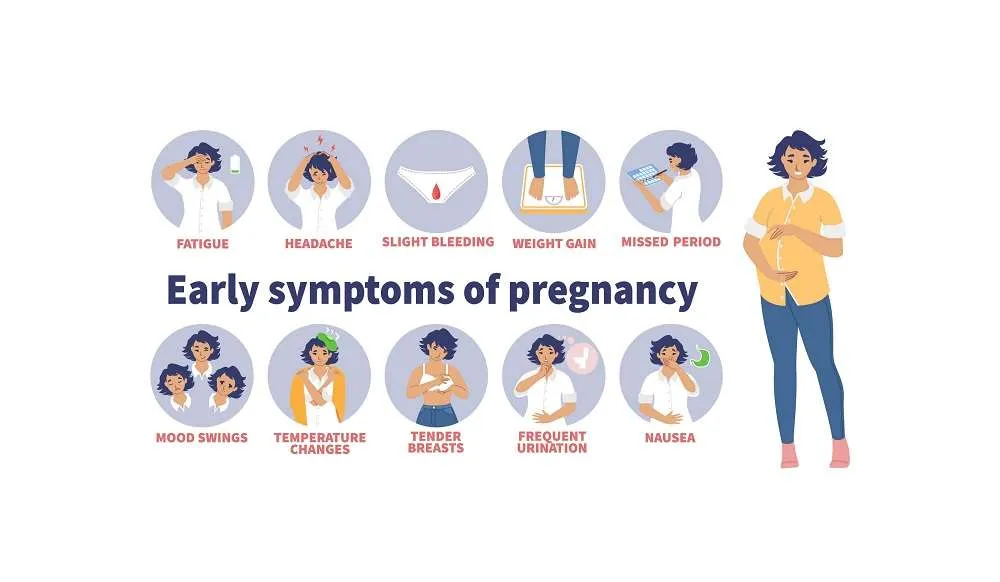
If it is the first trimester and the nausea and fatigue are wearing you down, our first trimester survival guide pairs well with this one.
Why Your Body Feels So Strange Right Now
Before the specific symptoms, meet the main drivers behind them:
- Progesterone, the great relaxer: it keeps your uterine lining healthy and prevents early contractions, but it relaxes all smooth muscle — including your digestive tract (constipation and gas), blood vessels (dizziness), and the valve that keeps stomach acid down (early heartburn).
- hCG, the signal: the hormone your pregnancy test detects. Its rapid rise is the main trigger for nausea, and it plays a role in food aversions, fatigue, and mood swings.
- Rising blood volume: your body ramps up blood production by up to 50%, swelling blood vessels everywhere and causing congestion, bleeding gums, and a feeling of fullness or warmth.
- A busier immune system and metabolism: working overtime can leave you run-down and slightly warmer, and contributes to skin and sensory changes.
Mouth and Taste
- Metallic taste (dysgeusia): like sucking on pennies, sometimes even triggered by water. Hormones (mainly estrogen) alter your taste buds and saliva, and your heightened sense of smell adds to it. Sour candies, sugar-free gum, plastic utensils, and rinsing with mild saltwater help. Harmless, and it usually fades after the first trimester.
- Excess saliva (ptyalism): constantly needing to swallow or spit. The cause is not fully understood — possibly hormone-driven, possibly a response to nausea. Sip water, chew gum, and keep tissues handy. Harmless.
- Bleeding gums: puffy, tender gums that bleed when you brush or floss (“pregnancy gingivitis”), from more blood volume and progesterone. Use a soft brush, keep gently flossing, and see your dentist for a cleaning. Only worrying if there is severe bleeding with pain or pus.
Nose and Smell
- Pregnancy rhinitis and nosebleeds: a stuffy, runny, or dry nose like a cold that won’t quit, plus the occasional nosebleed, as extra blood volume swells fragile nasal vessels. Use a humidifier, saline spray, and a dab of petroleum jelly inside the nostrils. Call if nosebleeds are frequent, heavy, or last more than 20 minutes of direct pressure.
- Super smell (hyperosmia): you can smell coffee from three houses away, and once-neutral scents suddenly repel you. Soaring estrogen supercharges your sense of smell. Ventilate your space, switch to unscented products, and carry a pleasant scent like lemon oil to sniff when overwhelmed. This ties closely to food aversions — harmless, if potent.

Skin Changes
- Skin tags and acne: tiny skin tags in friction areas and teenage-style breakouts, driven by hormones. Leave skin tags alone (they can be removed postpartum), and use gentle, pregnancy-safe skincare for acne — avoid retinoids and high-dose salicylic acid, and check with a dermatologist. Cosmetic only.
- Linea nigra and darkening: a dark vertical line down from your navel, darker freckles, and darker areolas, from pigment-stimulating hormones. Harmless and usually fades postpartum; use sunscreen to limit further darkening.
- Itchy skin: mild itchiness as skin stretches is normal, eased by thick fragrance-free moisturizers and loose cotton clothing. Red flag: severe, unrelenting itching without a rash, especially on the palms and soles, can rarely signal a liver condition called intrahepatic cholestasis of pregnancy (ICP) — call your provider right away, as it needs monitoring.
Digestion
- Constipation and gas: progesterone slows your gut, so more water is absorbed from food, leading to harder stools and gas. Drink plenty of water, add fiber (prunes, pears, oats, chia), walk gently, and ask about a pregnancy-safe stool softener. Our hydration guide helps. Do not ignore severe constipation with pain.
- Early heartburn: yes, already — progesterone relaxes the valve between your stomach and esophagus, letting acid splash up. Eat smaller, more frequent meals, stay upright after eating, sleep propped up, and avoid trigger foods. Our guide to heartburn during pregnancy has more, including pregnancy-safe antacids.
Sleep and Senses
- Vivid dreams and insomnia: strange, lingering dreams plus frequent night waking, as hormones shift your sleep patterns and push you into more dream sleep. A calming bedtime routine and gentle relaxation help; accept that sleep may be patchy for a while.
- Dizziness and feeling faint: progesterone relaxes blood vessel walls and lowers blood pressure, and your circulation is still adjusting to the extra volume. Stand up slowly, stay hydrated, eat small frequent meals, and sit with your head down if you feel faint. Use caution: occasional dizziness is normal, but if it is severe or comes with blurred vision, a severe headache, chest pain, or bleeding, call your provider right away.
Normal-Weird vs. Red-Flag-Weird
Trust your instincts. The following are not quirks but urgent signs — call your provider:
- Severe abdominal pain — sharp, persistent, one-sided, or debilitating, not mild cramping.
- Heavy vaginal bleeding — soaking a pad in an hour, or bleeding with clots and severe cramps.
- Severe, unrelenting itching without a rash, especially on the palms and soles.
- Painful or burning urination, which could mean a UTI.
- A severe headache that acetaminophen won’t touch, especially with visual changes.
- Sudden, severe swelling in your hands, feet, or face — a possible sign of preeclampsia.
- A fever over 100.4°F (38°C).
When in doubt, always call — it is never a bother.
Quick-Reference Chart
| Symptom | Likely Cause | Quick Tip | Worry? |
|---|---|---|---|
| Metallic taste | Hormone-altered taste buds | Sour candies, plastic utensils | No |
| Excess saliva | Hormonal overproduction | Sugar-free gum, sip water | No |
| Nosebleeds/congestion | Increased blood volume | Saline spray, humidifier | Only if severe |
| Super smell | Soaring estrogen | Carry a pleasant scent to sniff | No |
| Skin tags/acne | Hormonal stimulation | Gentle skincare, leave tags | No |
| Itchy palms/soles | Possible cholestasis | Call provider | Yes — call now |
| Constipation/gas | Progesterone slowdown | Water, fiber, walking | No |
| Vivid dreams | Disrupted REM sleep | Bedtime routine, journal | No |
| Dizziness | Lower BP, vascular adjustment | Get up slowly, hydrate | Call if severe |
Frequently Asked Questions
Yes. Between pregnancy rhinitis, fatigue, and the occasional low-grade warmth from your busier metabolism, many people feel vaguely unwell for much of the first trimester, as if fighting off a bug.
Hyperosmia. Your supercharged sense of smell may now process their natural scent, soap, or detergent as overwhelming. It is not personal — it is biology. A temporary switch to unscented products helps.
Yes, very commonly, because of blood pressure changes. Focus on slow movements, hydration, and small frequent meals, and call your provider if it is severe or paired with vision changes, a bad headache, or bleeding.
Yes. More estrogen means more cervical mucus, usually thin, milky, and mild-smelling (leukorrhea), which helps prevent infection. Call if it is green or yellow, frothy, strong-smelling, or comes with itching or burning.
Many ease as you enter the second trimester, around week 14, as hormones plateau and your body adjusts. Some, like heartburn or congestion, may linger or return later on.
The Bottom Line
The first trimester is a crash course in your body speaking a new dialect. These weird early symptoms are not malfunctions — they are signs of the intricate, sometimes overzealous work of building a new life. Embrace the strangeness where you can, laugh about the vivid dreams, and give yourself grace when it feels puzzling. Learn the difference between a harmless quirk and a red flag, keep your provider’s number close, and know that in this club of the bizarre, you are perfectly normal.
This article is for general information and is not a substitute for personalized medical advice — always check with your provider about your own symptoms.
References
- Mayo Clinic. Symptoms of pregnancy: What happens first.
- NHS. Itching and intrahepatic cholestasis of pregnancy.
- NHS. Common health problems in pregnancy.