The moment you discover you’re expecting another child is filled with joy—and often, a flutter of anxiety. “How will my firstborn react?” “Will they feel replaced?” “How can I possibly love another as much?” These questions are universal for expanding families. Navigating this delicate transition is one of the most significant parenting tasks you’ll undertake. It’s not about preventing any jealousy (a normal, healthy emotion), but about laying a foundation of security, inclusion, and excitement. This comprehensive guide offers a roadmap for preparing your toddler or preschooler for a new baby, turning apprehension into anticipation and fostering a lifelong bond from the very first day.
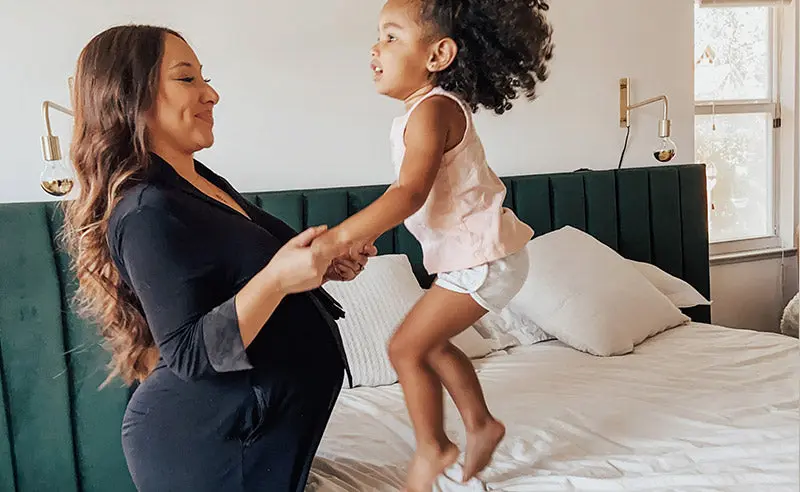
Understanding Your Firstborn’s World: The Psychology of Displacement
To prepare effectively, we must see the world through your older child’s eyes. To them, their universe is you. The news of a sibling isn’t just adding a new person; it threatens to fundamentally alter their secure, known world. Their concerns are primal: Will I still be loved? Will I have to share my parents? Where is my place now?
Common reactions can vary by age:
- Toddlers (18 months – 3 years): Too young to grasp abstract “future baby” concepts. They react to changes in routine and parental fatigue. Expect regression (potty accidents, wanting a bottle), clinginess, and testing boundaries.
- Preschoolers (3-5 years): Can understand more but have magical thinking. They might ask if the baby can play now or worry about how it gets out. They are highly egocentric, so focus is on how the baby affects them.
- School-Age Children (5+): Can be enthusiastic helpers but may harbor hidden worries about being “too old” for your attention or having their space invaded.
The goal isn’t to eliminate these feelings but to acknowledge and navigate them with empathy.
The Preparation Timeline: When to Start and What to Do
Phase 1: The Announcement (Second Trimester)
- Timing: Wait until the pregnancy is visibly showing or you’re past early milestones. For a toddler, “tomorrow” and “in months” are the same, so a shorter lead time (4-5 months) is better.
- The Approach: Keep it simple, positive, and connected to them. “We have such exciting news! You are going to be a wonderful big brother/sister! A baby is growing in Mommy’s belly, and it will come to live with us and be part of our family.”
- Use Books: Introduce children’s books about new siblings as a gentle, repeatable way to explore the idea. Let them choose the books.
Phase 2: Building Involvement & Familiarity (Second & Third Trimester)
- Make Them the Expert: Use the phrase “big brother/sister” proudly. “Big sisters are so kind/helpful/strong.”
- Include Them in Prenatal Activities: Let them feel kicks (“The baby is saying hello to you!”), help choose nursery colors, or pick out a small item for the baby (like a pack of socks or a soft toy).
- Visit Friends with Newborns: Manage expectations—point out that newborns sleep, cry, and eat, but won’t be a playmate yet. Highlight the role of the older child in the family you visit.
Phase 3: The Final Countdown & Practical Shifts (Last 6-8 Weeks)
This is about managing the tangible changes before the baby arrives.
- Move Them to a Big-Kid Bed: If needed, do this months before the due date so it’s not linked to the baby “taking” their crib.
- Potty Training: Either complete it well before or decide to pause until after the adjustment. Avoid multiple major transitions at once.
- Introduce New Care Routines: If someone new will care for them when you’re at the hospital, have that person do a few fun trial runs now.
- Tour the Hospital: Many offer sibling tours, letting them see where you’ll be and where they can visit.

The Hospital Plan: The First Meeting & Separation
The birth and hospital stay is a critical first act in the new family dynamic.
- During Your Absence: Keep their routine at home as normal as possible. Have the caregiver facilitate a video call to see you, focused on them.
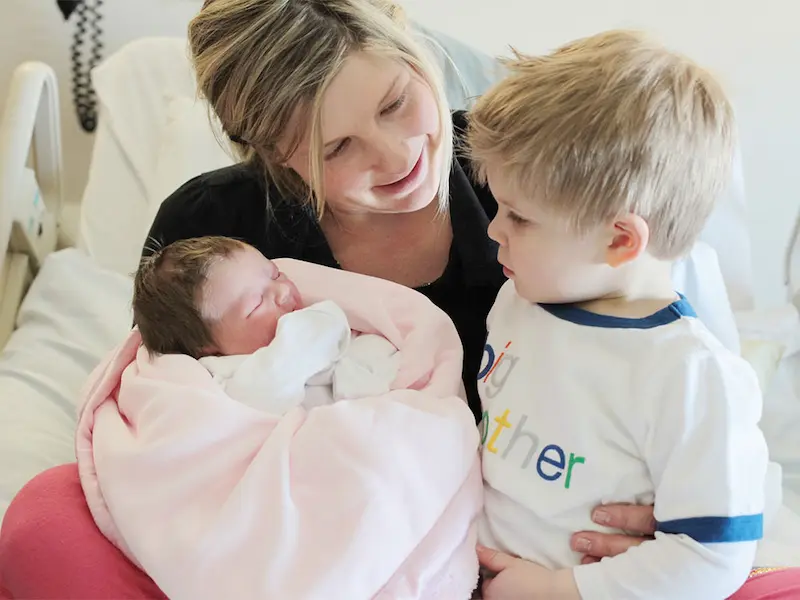
- The Big Introduction: When they visit the hospital, have the baby in the bassinet, not in your arms. Greet your older child with open, eager arms and full attention. Let them approach the baby in their own time.
- Gift Strategy: Have a small “congratulations on becoming a big sibling” gift from the baby to them. It’s a powerful gesture of inclusion.
- Keep Visits Short & Sweet: The hospital is not the place for a long family gathering. Make it a positive, brief, and centered-on-them experience.
Coming Home: The First Weeks and Building a New Normal
This is where your preparation pays off. The key is connection before correction.
- One-on-One Time: This is non-negotiable. Schedule 10-15 minutes of undivided, phone-free “special time” with your older child each day. Let them choose the activity. This small investment fills their emotional cup more than you can imagine.
- Frame the Baby as Theirs: “Our baby,” “your little brother,” “you’re their favorite person.”
- Involve Them in Care: Give them simple, supervised jobs: fetching a diaper, choosing the outfit, singing a song to the baby, or holding a bottle (with help). Praise their helpfulness, not just the outcome.
- Anticipate Regression: They may act out or revert to babyish behaviors. See this as a plea for reassurance, not naughtiness. Respond with connection: “I see you want some extra cuddles like the baby. Let’s have a big kid cuddle right now.”
- Protect Their Space: Have a baby-free zone (like their room) with their special toys they don’t have to share. Teach gentle touch with the baby, but also ensure they have a safe space away from curious infant hands as the baby grows.
Managing Jealousy and Big Emotions
Jealousy isn’t a failure; it’s evidence of their deep love for you. Your job is to help them navigate it.
- Label & Validate Feelings: “It seems like you’re feeling upset because I’m feeding the baby and you want my attention. That’s a really hard feeling. I’m right here, and I will play blocks with you as soon as I’m done.”
- Avoid Comparisons: Never say, “Why can’t you be good like the baby?” or “You’re the big kid, you should know better.”
- Narrate the Baby’s Adoration: “Look how your sister is watching you! She loves her big brother so much. She thinks you’re the coolest.”
FAQs: Your New Sibling Preparation Questions, Addressed
Q: My toddler seems indifferent or negative about the baby. Is this normal?
A: Completely. Indifference is a common self-protection strategy. Negativity is a honest expression of their worry. Don’t force affection. Continue to model gentle excitement and give them space. The bond will develop in its own time, often when the baby can smile and interact.
Q: How do I handle it when my older child acts aggressively toward the baby?
A: Safety first, calmly and immediately. Remove them from the situation with a firm, calm “I cannot let you hit. That hurts.” Then, connect and explore the feeling behind the action: “You must have been feeling very angry. It’s okay to feel angry, but I will keep the baby safe, and I will keep you safe. Let’s use your words/stomp your feet/squeeze this pillow.” Supervise all interactions closely.
Q: What are the best “big sibling” gifts or classes?
A: A “big sibling” gift (like a doll they can care for or a special big kid tool set) is great. Some hospitals offer big sibling preparation classes which are excellent for preschoolers, making them feel important and informed.
Q: How do I split my time fairly?
A: Don’t aim for 50/50 equality, which is impossible. Aim for individual connection. Ten minutes of fully present time with your older child is more valuable than an hour of distracted time. Enlist your partner to take on specific one-on-one rituals (like Saturday morning pancakes) with the older child.
Q: Will my relationship with my firstborn change forever?
A: Yes, but not in the way you fear. It will deepen. You will witness them grow into a nurturer, a leader, and a friend. The unique, irreplaceable bond you have with your first child becomes the anchor for the entire family. You are not dividing your love; you are multiplying your heart’s capacity.
Preparing an older child for a new sibling is less about a single conversation and more about a season of gentle, intentional orientation. It’s a masterclass in empathy, requiring you to hold space for both the thrilling future and your first child’s vulnerable present.
There will be messy days, moments of guilt, and split loyalties. But amidst the chaos, you are building something profound: a family. You are giving your firstborn the priceless gift of a lifelong companion and teaching them, through your actions, about adaptability, patience, and expansive love. Trust the foundation you’ve built. Celebrate the small connections—a shared laugh, a gentle pat, a moment of help. This transition isn’t a problem to be solved, but a relationship to be nurtured, one day, one hug, one “big helper” moment at a time.