Picture a scene that plays out in countless kitchens: a parent holds a tiny spoon with a smear of peanut butter, hand hovering near their baby’s mouth, heart pounding. Decades of advice seem to scream, “Wait! Don’t do it — you could cause an allergy!” If that’s you, take a breath. What you’re feeling is the echo of old, well-intentioned but flawed guidance. For years, parents were told to delay allergenic foods until age 1, 2, or even 3. It turned out we were missing a critical window — a time when a baby’s immune system is uniquely primed not for attack, but for learning.

The science has shifted dramatically. Landmark research — particularly the LEAP (Learning Early About Peanut) study — found that early, sustained introduction of allergenic foods can substantially reduce the risk of developing food allergies. Rather than waiting to see if a reaction happens, you’re actively helping the immune system recognize these foods as safe. That’s the cornerstone of current guidance from the American Academy of Pediatrics (AAP) and allergy authorities. This guide translates the immunology into simple kitchen steps, so you can approach it with confidence — and it pairs naturally with our broader guide to starting solids.
Why Timing Is Everything
Think of your baby’s immune system in the first year as a brilliant but impressionable student. Around 4 to 6 months, as the gut matures and solids begin, it enters a “window of opportunity” where it’s especially receptive to learning what’s safe versus what’s a threat. When allergenic proteins arrive through the gut — the intended route — the immune system is more likely to develop oral tolerance: it learns that this peanut protein is food, not an invader. When the first exposure instead happens through inflamed, eczema-prone skin (a “leaky” barrier), the immune system can misread the protein as a threat, setting the stage for an allergy. This is why early introduction matters most for babies with eczema. The aim is to get the food to the immune “classroom” (the gut) before the wrong lesson is learned elsewhere — and consistency is the teacher.
The Golden Rules of Introduction
- Timing: start around 6 months, when your baby can sit with minimal support, shows interest in food, and has lost the tongue-thrust reflex. Don’t introduce solids before 4 months.
- One at a time: introduce only one new major allergen every 2–3 days, so you’ll know the culprit if a reaction occurs.
- Right time of day: offer a new allergen early in the day, when you can watch closely for at least 2 hours — never for the first time right before bedtime or a long car ride.
- Consistency: one introduction isn’t enough. Once a food is in successfully, keep it in the diet regularly — aim for 2–3 times a week. Sustained exposure is what cements tolerance.
- Safe texture: every food must be in an age-appropriate, non-choking form — thin, smooth, and soft.
Step-by-Step Methods for Each Allergen
Peanut
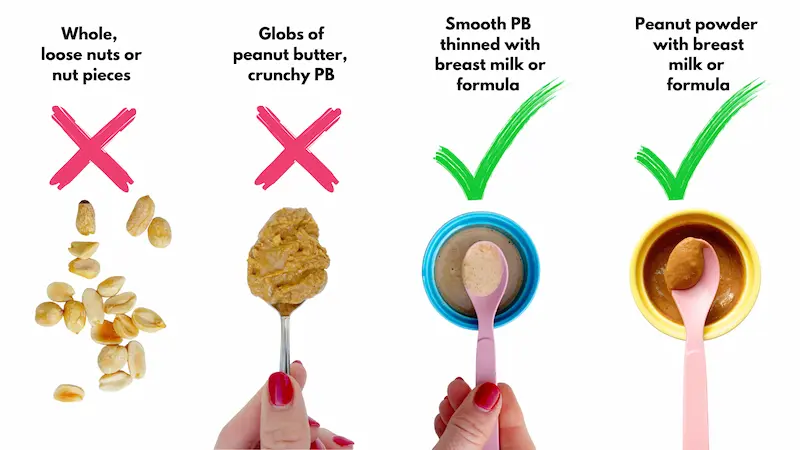
Use smooth peanut butter — never whole peanuts or chunky butter. Thin 2 teaspoons of smooth peanut butter with 2–3 teaspoons of warm water, breast milk, or formula until it’s a runny paste (you can also stir peanut powder into oatmeal or yogurt). For the first taste, place a tiny smear (about the size of a grain of rice) on your baby’s lower lip and wait 10 minutes, watching for redness or discomfort. If clear, offer ¼ teaspoon and wait 10–15 minutes. If there’s still no reaction, you can offer the rest (up to about 2 teaspoons total that first session). For ongoing exposure, add thinned peanut butter to oatmeal, mix peanut powder into mashed banana, or use peanut flour in pancake batter.
Egg
Fully cook the egg — a lightly scrambled egg with no runny yolk is ideal — and mash it finely, or hard-boil and mash the yolk with a little water or avocado. Follow the same graduated first-taste steps: a tiny smear, wait, a small bite, wait, then a slightly larger serving. For ongoing exposure: scrambled eggs, omelet strips for baby-led weaning, egg muffins, or finely chopped egg in other dishes.
Dairy (cow’s milk protein)
Start with full-fat plain yogurt or a little finely shredded mild cheese (whole cow’s milk as a drink waits until 12 months, but yogurt and cheese as foods are fine now). A ¼ teaspoon of yogurt is a good first taste; wait 10–15 minutes, then proceed. Keep it in rotation as a daily snack, in scrambled eggs, or stirred into purees.
Tree nuts
Use smooth, pure nut butters (almond, cashew) thinned exactly like peanut butter to a runny consistency — never whole or chopped nuts. Use the same cautious, graduated approach, then keep them in rotation on toast, mixed into cereals, or as finely ground nut meal in baking.
Sesame
Use tahini (sesame paste), thinned significantly with water, yogurt, or fruit puree, since it’s very thick. Because it’s potent, start especially small — a dab on the lip — and watch closely. For ongoing exposure, swirl thinned tahini into vegetable purees or use hummus (checking the other ingredients).
Fish & shellfish
Cook fish (salmon, cod) thoroughly, then flake it carefully, checking for and removing every bone, and mash well. For shellfish, cook shrimp or scallops and puree or chop them very finely. Start with a small flake or ¼ teaspoon of puree, then wait and observe. Keep it in rotation as flaked salmon in potato mash, fish cakes, or tiny bits of shrimp in soft pasta.
Recognizing a Reaction: Mild to Severe
Knowing what to look for — and what not to worry about — is what turns fear into confidence.
Mild or moderate symptoms (stop, monitor, call your pediatrician): a few isolated hives around the mouth or body, mild transient facial redness or rash, or increased gassiness or a stool change after the first introduction. Stop offering the new food, monitor closely, and contact your pediatrician for next steps. These don’t automatically mean a lifelong allergy.
Severe symptoms — anaphylaxis (call 911 immediately): widespread hives over much of the body; swelling of the lips, tongue, or face; difficulty breathing, wheezing, or repetitive coughing; vomiting or severe diarrhea; or sudden lethargy, paleness, floppiness, or collapse. This is a medical emergency — call 911, say you suspect a severe food-allergy reaction, and if an epinephrine auto-injector (such as an EpiPen) has been prescribed, use it immediately.
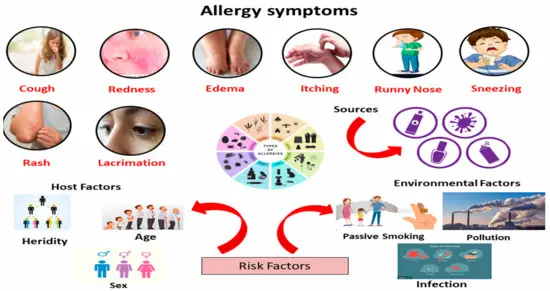
What is not an allergy: a red ring around the mouth from acidic foods (tomato, citrus), a diaper rash after new foods, gagging or spitting out due to new texture or taste, or a single episode of spit-up. These aren’t immune-mediated reactions — wiping the face quickly after acidic foods and offering manageable textures helps.
Special Situations
If your baby has severe eczema, they’re at the highest risk of food allergy and stand to benefit most from early introduction. Guidelines recommend introducing peanut and egg as early as 4–6 months for these babies — but discuss it with your pediatrician first. They may recommend in-office testing (a skin-prick or blood test) before a home introduction, or doing the first introduction in the office for added safety. Don’t delay without medical advice.
If your baby already has a diagnosed food allergy, work with a pediatric allergist. Don’t independently introduce related allergens (like tree nuts when peanut-allergic, or other fish when shellfish-allergic), as cross-reactivity risk is higher.
Once you’ve introduced these major foods, keep them in regular rotation and build toward a diverse diet by age one. This isn’t “one and done” — it’s more like a muscle that needs consistent exercise to maintain the tolerance you’ve built.
Frequently Asked Questions
Guidelines say “around 6 months,” which is ideal for most babies. For high-risk infants (those with severe eczema), introduction between 4 and 6 months is recommended, often under medical guidance. Don’t start any solids before 4 months.
Current evidence shows a mother’s diet during pregnancy and breastfeeding doesn’t significantly cause or prevent food allergies in her child. Eat a balanced diet for your own well-being — the key factor is direct, early ingestion by the baby.
Gagging is a normal reflex as babies learn new textures — it’s not a sign of allergy. If they spit out the taste, try mixing the allergen into a familiar favorite food, like thinned peanut butter stirred into oatmeal.
Regular everyday foods work perfectly — smooth peanut butter, cooked egg, full-fat yogurt, tahini. Commercial mixing powders are convenient but not necessary. It’s the protein that matters, not the packaging.
Sesame is now recognized as a major allergen, so introducing it matters. Use thinned tahini as described — it’s a potent, thick paste, so thinning is important both to avoid a choking hazard and to allow a small, controlled first dose.
The Bottom Line
You now have the map that leads away from fear and toward prevention. Offering that first tiny taste is both an act of love and a piece of modern science — you’re not playing with fire, you’re helping your child’s immune system learn a safe path. Trust the evidence, follow the steps, watch your baby closely, and keep these foods in regular rotation. One fearless first bite at a time, you’re helping shape a resilient, healthy future.
This article is for general information and is not a substitute for personalized medical advice. If your baby has severe eczema or a known food allergy, talk to your pediatrician or a pediatric allergist before introducing allergens.
References
- National Institute of Allergy and Infectious Diseases (NIAID). Guidelines for the prevention of peanut allergy.
- American Academy of Pediatrics (HealthyChildren.org). Introducing allergenic foods.
- American Academy of Allergy, Asthma & Immunology (AAAAI). Prevention of food allergy in infants.