When sugar(glucose) level in the blood is very low, it led to a condition known as hypoglycemia. As Glucose is the main and important source of fuel for the body and the brain. In a newborn child, low evel of sugar can happen because many reasons. It led to many problems such as blue color to skin, shakiness, breathing issues and feeding problems.
Hypoglycemia is actually a medical term used for low level of sugar in blood. In newborns, baby, hypoglycemia can happen immediately after birth and when baby start to feed properly and regularly, it can correct itself amd goes away. Doctors detect hypoglycemia when your baby is in the hospital. They do not discharge your baby untill level of sugar in blood becomes stable and your child recover from hypoglycemia.Sometimes, hypoglycemia may come back. If hypoglycemia happen after the 48 hours, it shows that it can be a sign of an underlying condition.
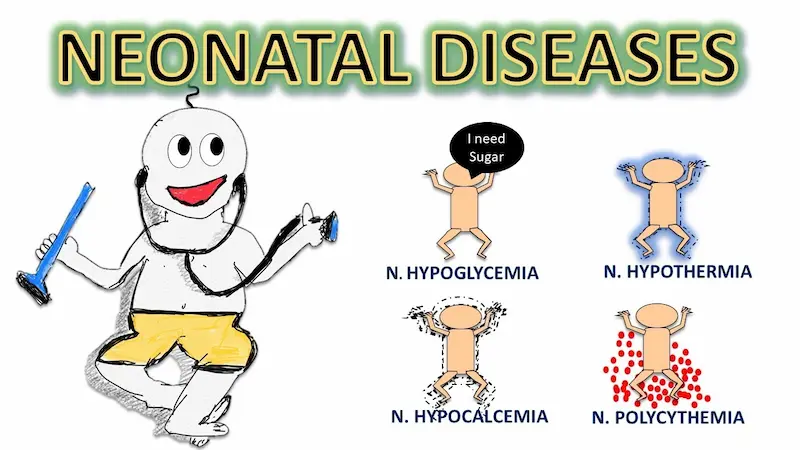
Hypoglycemia in your baby can be treated. However, this condition can be long lasting with damages if not treated properly. Whenever you notice that your baby having the symptoms of hypoglycemia, inform to caretaker or doctor. A doctor may perscribe one of the following
- Regular feed
- Supplementing breast milk with formula
- Sugar gel
Doctors consider that when level of glucose in blood is less than 47 milligrams per deciliter (mg/dl) ,it shows the hypoglycemia in newborns.When your chikd has symptoms of hypoglycemi, you should notice the following things
- Energy level is low
- shakiness
- white or blue discoloration of the skin and lips
- Not feeding properly
- Body temperature is low
- Seizures
- muscles are weak or floppy
- Hypoglycemia becomes more severe if level of glucose in blood continues to drop and remains low for 3 days.
Level of glucose in blood will vary—up or down depends upon different factors. Glucose level can vary i.e up or down and this is completely normal. If hypogycemia varies between a specific range that is consider as healthy then its not harmful but its level becomes down than a healthy range and not treated, it get dangerous.
Low level of glucose in your blood means that uou should take treatment and bring your blood glucose to a healrhy range. This is usually happen when level of glucose in your’s baby blood is below than 70 mg/dL. However, take your baby to doctor and he will determine that why the level of glucose in blood is too low.
Causes
There are many different causes that develop hypoglycemia in newborn. Some of. These are following.
Transitional hypoglycemia
Transitional neonatal hypoglycemia can be defined as the form of hypoketotic hypoglycemia that shows to be caused due to a lower level of glucose enterance for repression of insulin which is secreted and that is usually normal for children or adults.
If transitional hypoglycemia is mild and temporary, it will not harm your baby.Transitional hypoglycemia develops inside the uterus and a fetus take its diet in the form of nutrients from the placenta through the umbilical cord. After the birth of your child, doctors clamp and cut the cord, supply of glucose to the baby stop. Usually, transitional hypoglycemia goes on its own quickly when your baby starts feeding regularly.
Medical conditions
There are many different medical conditions that cause difficulty in absorbing the energy. Storing energy and difficulty in feeding in your baby.this lead to persistant hypoglycemia.
Some of the examples of these conditions which cause this likelihood are following
- Hypothyroidism
- congenital hyperinsulinism
- Soto syndrome
- galactosemia
- Costello syndrome
- Beckwith-Wiedemann syndrome
Inadequate food
When there are issues with breast supply and your baby do not taking enough diet ,not feeding properly and delaye their feeding,this will lead to reduce the level of glucose in blood.
Hyperinsulinism
Hyperinsulinism is consoder as the most important and common cause of hypoglycemia in the infants. This problem usually happen shortly after birth. When your baby not taking feed periodically, hypoglycia can develop in your child.This condition is shoiwing by inappropriate insulin level and c-peptide specific low level of free fatty acids, level of plasma glucos, inslulin growth factor binding protein.Another test which is ised to determine this problem is that increase the kevel of glucose to 30mg/dl during hypoglycemia. Infusion rate of glucose more than 6-8 mg/kg/min to maintain normoglycemia.
Hyperinsulinism is usually classified into two different types:
- Persistent form
- Transient form
Glycogen storage disease
Glycogen storage is a disorders which involve multiple defects of enzymes and are involved with glycogen synthesis, transport of glucose and glycogenolysis. This problem is shown by obstruction of the process that turns glucose to glycogen, happen by a changes in the GSY2 gene.
Congenital disorders of glycosylation
This problem is shown by a glycosylation issues and present with different types and phenotypic characteristics. Congenital disorder of glycosylation type 1b happen when a deficiency of phosphomannose isomerase and features hyperinsulinemic hypoglycemia develop. The different conditions which are affliliated with this problem lead enteropathy, liver thrive and liver fibrosis (14,62,63). The symptoms of hypoglycemia may not be noticable due to the repeated feedings which are given to gastrointestinal manifestations.
Galactosemia
This disorder can be caused by different defects in glactose metabolism. When lactose is breakdown during utilization, Galactose is formed. Deficiency of lactose-1-phosphate uridyl transferase is most common problem. Other common inhibitions include neurologic defects, cataracts, hyperbilirubinemia, transaminitis, high level of urine amino acid and hepatomegaly They also cause ovarian failure and growth delays.
Fructose intolerance
Deficiency of fructose-1-phosphate aldolase isoenzyme b is knwons as fructose intolerance. . When sucrose or fructos is added to diet, then childen may develop hypoglycemia.Additionally, they may develop following
- Failure to thrive
- Hepatomegaly
- Lactic acidosis
Different methods can be used to diagnose the problem, include
- Nuclear magnetic resonance spectroscopy
- Genetic testing
, undertaken through genetic testing or through nuclear magnetic resonance spectroscopy. Therapy which are successful to manage the disease. If this condition is not tread properly, it can cause the liver failure and renal problem.
Fatty acid oxidation defects
Free fatty acid oxidation issues include the followinh
- Deficiency of carnitine
- Deficiency of medium chain acyl-CoA dehydrogenase
- Defects of beta-oxidation
- Fatty acid metabolism problems
Diet with low carbohydrates and prolonged fasting usually cause the hypoglycemia to happen. Hypoglycemia can occur after prolonged fasting or low carbohydrate diet. Additionally, patients suffering from hypoglycemia have foolowing issues
- Abnormal level of urine organic acid
- Plasma acylcarnitine abnormality
- Hepatomegaly
- Cardiac problems
- Myopathy
- Defects of neuro
- Transaminitis
Other causes of hypoglycemia
- Mother having uncontrolled diabetes led to produce too much insulin
- Birth defects
- Lack of oxygen at birth
- Blood type of mother and baby is different
- Insulin in high quantity in blood of your baby due to some reasons which include the tumor of pancreas
- Diseases of liver
- Harmonal deficiences
- Infection (mother may have take some medicine at the time of birth to control the diabetes which cause sepsis or some other serious infections.
Deficiency of Fructose-1,6-bisphosphatase develops with a problem in gluconeogenesis from amino acids. This result in different problems such as
- Ketosis
- Hypoglycemia
- Lactic acidemia
- Hypoglycemia
- Hyperlipidemia
- High level of uric acid
Diagnosis can be done by genetic testing. Treatments include the periodic feeding and avoid prolonged fasting. Additional support of glucose also beneficial.
amino acid and organic defects include the following
- methylmalonic acidemia
- Propionic acidemia
- Tyrosinemia
- glutaric acidemia
These infants can have
- Hypoglycemia
- Failure to thrive
- metabolic acidosis
Symptoms
In newdorn, usually most of the symptoms of hypoglycemia are similar to many other situations so it is important for you to consult to doctor who will help you to determine the problem.
- Sweating
- Clamminess
- Feeling shaky
- Chill
- Impatience
- nervous
- anxious
- Irritability
- Fast herartbeat rate
- Confusio
- Nausea
- Dizziness
- Impaired vision
- More Sleepy
- Headches
- Pale color
- Hunger
- Weakness
- Shakiness
- Seizures
- Crying during sleeping
- Clumsiness
- Coordination proble
- Breathing issues
- Skin color tirns blue
- Weak muscles
- Not feeding properly
- Low body temperature
- Lethargy
Risk factors
After birth chances of hypoglycemia can reduce by Proper feeding and on-demand feeding becaise your baby is taking enough amount of nutrients.
Following are some risk factors of hypoglycemia to occur in the newborns
- mothers suffering from diabetes
- Babies who are born with low weight
- Age is small for gestation
- Age is large for gestation
- growth-restricted
- Babies who borm under stress
A newborn is likely to suffer from hypoglycemia if they have one of the following characteristics.
Large size at birth
When the size of infants is large at birth, they need more amount of glucose and energy for their metabolism. This can increase the chances of hypoglycia. These infnts are not able to take sufficient feeding from formula aor breast milk as a result of which their level of glucose in their blood is low. Babies of diabetic parents are at hogh risk of larger size for their gestational age.
Small size at birth
The amount of fat and glycogen stored in the infants who are born with small size is very low and they are not able to procude sufficient amount of glucose. These infants are more hypoglycemic.this is more severe if infant have some other issues like feeding problem.
Prematurity
Most of the problems in premature babies are similar to those of small infants. They are not able to produce high level of glucose. They experience difficulty in breast feeding.In llate preterm newborn who are born 34 and 36 weeks, hypoglycemia is more common.sign of hypoglycemia have ressemblance with some other health condition so talk to your doctor if you notice any of these.
Complications during delivery
Children who have perinatal stress such as
- Complications in birth
- Eclampsia
- Distress fetal
- Hypothermia
These infant are at high risk of hypoglycia becaise they need higher amount of energy.infants who are suffering from this kind of stress can produce high level of insulin, as a result of which blood glucose level decrease which remain for days or weeks
Diagnosis of hypoglycemia
A simple test of blood to check the level of glucose in blood can help to diagnose the hypoglycemia. blood is drawn from the arm of baby through a needle or a tube.if the level of glucose is low then treatment is needed.in the first 4 hours if the level of glucose is less than 40mg/dl, doctor usually recommend more frequent feeding to increase the level of glucose in your baby’s blood.
It is impprtant to investigate etiologies if your child have symptoms of hypoglycemia.
When children have symptoms of hypoglycemia, it is important to thoroughly investigate potential etiologies. When concentrations of plasma glucose are less than70 mg/dL, prompt evaluation, and level of plasma glucose is about at or below 50 mg/dL, it must be sufficient to determine an etiology. There are many otber metbods by which you can determine the level of.plasma.glucose in the blood of your baby. The samples containing citrate and flouride are more accurate to diagnose the level.of glucose. A combination of these two cam be also used. Uilizing of various tubes to determins concentrations of gluclse do not produce interchangeable glucose values. Level of glucose can be measure quickly by the glucose meter.however, up to 20% variations can be happen from level of plasma glucose.
When hypoglycemia repeatedily happen in your child then it may led to transitional hypoglycemia. during this transitional time, hypoglycemia can keave long term effects.When you look at the history of hypoglycemia to determine the etiology, you come to know that different inborn problems of ketotic or ingestion and metabolism issues can develop in the babies during toddler age.if preliminary testing is not able to identified the etiology. A metabolic specialist needed.
However, in many cases doctor recommened formula instead of breast milk.one and only problem that can happen of giving formula supplimentation. The problem that can hapoen by giving the formula is that the lactation may be affected after birth.
Treatments
Treatment of hypoglycemia in your baby depend upon the overall health and age of your gestational baby. give a fast actiong source of glucose. The best treatment for baby may include simple formula, water mixture and simple glucose as early feeding. If your baby is not responding then fluids that contain dexteose are the best solution to increase thw level of glucose in blood. This will be determined by monitoring the level of glucose in blood closely to examine if hypoglycemia happen again. your baby’s physician will determine different specific treatments if hypoglycemia happen.some of which are based on:
- Physical examine compmetely
- Initial lab testing
- Medical history in detail
To determine the exact cause of hypoglycemia,some other tests of your baby are also required
Complications of hypoglycemia in infant
When your child have not sufficient level of glucose in their blood to provide the adequate energy for their body and brain, this condition is onown as hypoglycemia.Transient hypoglycemia that solve and goes away on its own is not harmful. However, when the conditionis severe and not treated it may cause some serious problem and complications. Some of these complications may include:
- Death
- Damage of brain
- Problems in development
- seizures
- death
Glucose is required for proper functioning of brain.whenthe level of glucose in your baby’s blood is not enough then brain may not function properly because it harm the brain’s ability.long lasting condition of hypoglycemia may cause the brain injury and seizures.
Hypoglycemia prevention
Transitional hypoglycemia is usually normal after birth, but different practices can help to reduce the chances of hypoglycemia and prevent it to become a more severe problem. Some of these practices include
- Babies who found difficulty in feeding recommened to take supllementation
- You should identify the symptoms in early stage if your baby is at the risk of hypoglycemia
- Babies who are at the risk of hypoglycemia, after 30 min of first feed glucose testing.
- Feed your baby immediately after birth
Hypoglycemia not prevented by glucose testing after birth but it can help to determine the symptoms in early phase and recommened the treatment as soon as possible.as a result it will reduce the risk of hypoglycia to harm your baby.its not necessary that you can prevent your baby from hypoglycemia but there are chances that your baby can develop hypoglycemia then your doctor should examine carefully to detect the sign of hypoglycia so that if they found symptoms then they can start the treatment as early as possible. During pragnency, mothers who are suffering from diabetes should maintain their blood glucose level in normal range.this will reduce the chances of your baby to develop hypoglycemia usually it is recommemded that if your baby has hypoglycia then blood glucose level should checked afyer one hour of birth, before and after feeding. Good managmemt to orevent the hypoglycemia include the oral intake of carbohydrates amd dextrose containing fluids.
Sometime your baby is suffering from hypoglycemia but symptoms not shown and leave overtreatment of these newborn, and more research is needed to determine the risk factors and benefits clearly. In case when hyperinsulinium is determined, if medically able then different methids are taken to maintain i.e fluids which contain dextrose and enteral feeds are protlmoting.if hypoglycemia occur repeatedly then different therapies are started.
What to do if an infant has hypoglycemia
In many cases. It is common that i fants have hypoglycemia temporarily after birth. If hypoglycemia happen then doctor will examine that either it will return to normal or not.if it returns then treatment is needed and if not happen again then treatment is not necessery.if your child develop the symptoms of hypoglycemia in days, weeks or months after birth.
If your baby have hypoglycemia then doctor may recommened to give formula, breastilk or glucose mixture to your baby.
When to consult the doctor
If you notice the symptoms of low blood sugar in baby, immediately call your bany’s doctor.if doctor recommened then give formula, glucose or water mixture to your baby.