For generations, the image of pregnancy was one of delicate stillness—a time to put your feet up and avoid exertion. Today, we know better. Pregnancy isn’t an illness; it’s a state of health, and movement is a vital part of nurturing it. Staying active during these transformative months is one of the most powerful choices you can make for your own well-being and your baby’s development.
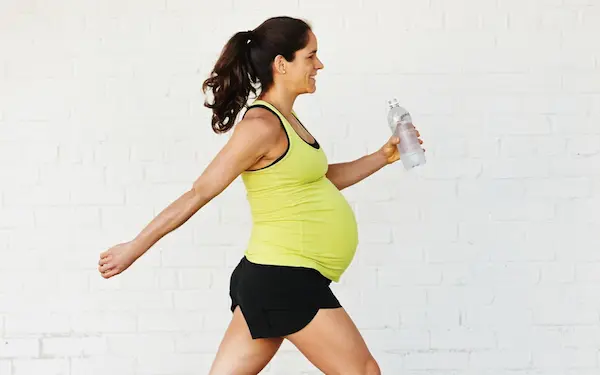
But what does “staying active” actually mean when your body is changing daily? It doesn’t mean pushing for personal records or sticking rigidly to a pre-pregnancy routine. It means listening deeply, adapting wisely, and discovering a new kind of strength—one that supports your shifting center of gravity, eases common discomforts, and builds resilience for labor and motherhood.
This guide is your partner in that discovery. We’ll explore the profound benefits of prenatal movement, provide safe and effective exercise ideas for each trimester, and outline clear safety guidelines. Our goal is to empower you to move with joy and confidence, transforming activity from a chore into a celebration of your body’s incredible capability.
Part 1: The “Why”: The Multilayered Benefits of Prenatal Activity
Moving your body during pregnancy offers a cascade of benefits that touch every aspect of your health.
Physical Benefits: Easing the Journey
- Combatting Common Discomforts: Regular activity is one of the best remedies for pregnancy back pain. It strengthens the core and glutes to support your spine, improves posture, and relieves tension. It can also reduce swelling in hands and feet by improving circulation and help manage constipation by stimulating the bowels.
- Promoting Better Sleep: Gentle movement helps regulate your circadian rhythm and can ease the restless legs and general discomfort that often disrupts sleep during pregnancy.
- Managing Weight Gain: Staying active helps you stay within the recommended guidelines for healthy weight gain in pregnancy, which reduces the risk of complications like gestational diabetes and preeclampsia.
- Building Stamina for Labor: Think of labor as a marathon. Prenatal exercise conditions your heart and muscles for the endurance event ahead, potentially leading to shorter labor and a smoother recovery.
Mental and Emotional Benefits: Nurturing Your Mind
- Mood Regulation: Physical activity releases endorphins, your body’s natural mood elevators. This can be a powerful tool against pregnancy anxiety and mood swings.
- Body Positivity: In a time when your body can feel unfamiliar, movement helps you reconnect with it as strong and capable, fostering a positive self-image.
- Stress Relief: A walk or a gentle yoga session provides a mental break, a chance to breathe, and a sense of control amidst the many unknowns.
Benefits for Your Baby
Research suggests that maternal exercise creates a healthier intrauterine environment. It’s associated with improved placental function, healthy fetal growth patterns, and even a potential boost to the baby’s neurodevelopment. You’re quite literally building a healthier foundation.
[Image: https://images.unsplash.com/photo-1544367567-0f2fcb009e0b?ixlib=rb-4.0.3 | Caption: A pregnant woman in athletic wear smiles while stretching outdoors, embodying strength and vitality.]
Part 2: The Golden Rules: Safety First, Always
Before lacing up your sneakers, these principles are your foundation. Always get clearance from your healthcare provider before starting or continuing any exercise program.
- The Talk Test: This is your best intensity guide. You should be able to hold a conversation while exercising. If you’re too breathless to speak, slow down.
- Avoid the Supine Position: After the first trimester (around 16 weeks), avoid exercises where you lie flat on your back for extended periods. The weight of your uterus can compress a major blood vessel (the vena cava), reducing blood flow to your heart and baby. Opt for side-lying or inclined positions.
- Skip Contact & High-Risk Activities: Avoid sports with a high risk of falling (horseback riding, downhill skiing, intense cycling) or abdominal impact (soccer, basketball). Scuba diving is off-limits due to pressure changes.
- Listen to Your Body—Not the Calendar: Some days you’ll feel energetic; others, you’ll need rest. Honor that. “No pain, no gain” does not apply here. Pain, dizziness, shortness of breath, chest pain, or vaginal bleeding are signals to stop immediately and contact your provider.
- Prioritize Stability Over Stretch: The hormone relaxin loosens your ligaments to prepare for birth, making you more flexible but also more prone to joint injury. Avoid deep stretches and focus on controlled, stable movements.
- Stay Hydrated and Cool: Drink water before, during, and after exercise. Avoid overheating, especially in the first trimester. Exercise in a cool environment and wear breathable clothing.
Part 3: Your Trimester-by-Trimester Activity Guide
First Trimester (Weeks 1-13): The Foundation Phase
You may be battling fatigue and nausea, so be gentle.
- Focus: Establishing a safe, sustainable routine. This is the time to learn proper form and connect with how movement feels.
- Great Activities: Brisk walking, stationary cycling, first trimester pregnancy yoga, light strength training with bodyweight or light dumbbells, swimming.
- Key Tip: If you’re too nauseous, even a 10-minute walk can help. Focus on consistency, not intensity.
Second Trimester (Weeks 14-27): The Energy Window
For many, energy returns and nausea subsides. This is often the most enjoyable time to be active.
- Focus: Building strength to support your growing bump. Start incorporating more core and pelvic floor work.
- Great Activities: All first-trimester activities, plus prenatal Pilates, water aerobics, moderate hiking, and dance-based classes designed for pregnancy.
- Key Tip: Invest in supportive workout attire, especially a good maternity support belt if you feel any pelvic or low-back pressure. Begin to consciously modify moves that involve lying on your back.
Third Trimester (Weeks 28-40): The Adaptation Phase
Your bump is significant, and fatigue may return. The goal is maintenance and preparation.
- Focus: Mobility, comfort, and labor preparation. Movements should support your changing body and help position the baby optimally.
- Great Activities: Walking, swimming (excellent for feeling weightless), prenatal yoga for third trimester, gentle stretching, pelvic floor exercises, and labor-prep movements like squatting and pelvic tilts.
- Key Tip: Shorten your sessions if needed. Focus on pelvic floor awareness and breathing exercises. The best exercises to induce labor naturally are often just consistent, gentle movement in these final weeks, like walking and squatting, which encourage the baby to engage in the pelvis.
[Image: https://images.unsplash.com/photo-1599901860904-17e6ed7083a0?ixlib=rb-4.0.3 | Caption: A pregnant woman in a serene setting practices a supported squat, a powerful and safe movement for the third trimester.]
Part 4: Building Your Prenatal Fitness Toolkit
1. Cardiovascular Exercise: For Heart Health & Endurance
- Walking: The ultimate pregnancy-safe cardio workout. It’s free, accessible, and easily adjustable.
- Swimming & Water Aerobics: The water supports your joints and counteracts gravity, providing relief from swelling and back pain.
- Stationary Cycling: A safe, low-impact option that eliminates fall risk. Recumbent bikes can be more comfortable later on.
- Elliptical or Low-Impact Aerobics: Good options if you were a runner pre-pregnancy, providing cardio without the joint jolt.
2. Strength Training: Building a Support System
- Why it’s crucial: Strong muscles support your joints, improve posture, and make daily tasks easier.
- Focus Areas:
- Upper Back & Posture: Rows, band pull-aparts to combat rounded shoulders.
- Glutes & Legs: Squats (with support), lunges, and bridges to power your movements and support your pelvis.
- Functional Core: Think of your core as a corset, not just the “six-pack” muscles. Exercises like bird-dogs, modified planks (on knees or against a wall), and deep breathing engage the transverse abdominis and pelvic floor.
3. Flexibility & Mind-Body Connection
- Prenatal Yoga: Improves flexibility (safely), teaches breath awareness for labor, and reduces stress. Look for classes specifically labeled “prenatal.”
- Prenatal Pilates: Excellent for strengthening the pelvic floor during pregnancy and improving core stability with precise, controlled movements.
Part 5: The Pelvic Floor & Core: Your Inner Foundation
This deserves its own spotlight. Your pelvic floor muscles are a hammock supporting your bladder, uterus, and bowels. Pregnancy and childbirth challenge them immensely.
- How to Engage Them: Imagine gently stopping the flow of urine (but never do this while actually urinating) or trying to prevent passing gas. You should feel a lift and squeeze without holding your breath or tightening your glutes.
- Practice: Aim for short holds (2-5 seconds) and quick pulses, 10-15 repetitions, a few times a day. A strong, flexible pelvic floor aids in labor, recovery, and prevents issues like incontinence later.
Part 6: When to Slow Down or Stop
Listen to your body’s red flags. Cease activity and consult your doctor if you experience:
- Vaginal bleeding or fluid leakage.
- Persistent dizziness, faintness, or headache.
- Chest pain or palpitations.
- Calf pain or swelling (could indicate a blood clot).
- Contractions.
- A sudden decrease in fetal movement (later in pregnancy).
Conclusion: Movement as Self-Care
Staying active during pregnancy is a profound act of self-care that ripples out to your baby. It’s not about fitting into a certain mold or bouncing back quickly; it’s about feeling good in the body you have right now. It’s about claiming time for yourself, building resilience, and honoring your strength.
Start where you are. A 10-minute walk is a victory. A few gentle stretches before bed count. Let go of comparison and embrace intuitive movement. You are growing a human—that is the most demanding workout of all. Any additional movement is a bonus, a gift you give to the amazing vessel that is you. Move for joy, for comfort, for strength, and for the incredible journey ahead.
Frequently Asked Questions (FAQ)
Q: I wasn’t active before pregnancy. Is it safe to start now?
A: Yes, absolutely. Start slowly and build gradually. Begin with low-intensity activities like walking or prenatal water aerobics for just 10-15 minutes a day. Listen to your body and get your doctor’s approval. Pregnancy is a great time to build healthy habits.
Q: What are the best shoes for exercise during pregnancy?
A: Invest in high-quality, supportive athletic shoes with good arch support and cushioning. Your feet may swell and your arch may flatten slightly due to relaxin. Proper footwear is crucial for stability and injury prevention.
Q: Can exercise cause a miscarriage?
A: For a healthy, low-risk pregnancy, moderate exercise does not cause miscarriage. In fact, it promotes a healthy uterine environment. However, it’s crucial to follow safety guidelines and get clearance from your provider, especially if you have a history of miscarriage or other risk factors.
Q: How long after eating should I wait to exercise?
A: A good rule of thumb is to wait 60-90 minutes after a moderate-sized meal. If you need a pre-workout boost, a small, easily digestible snack (like a banana or a few crackers) 30 minutes before is fine. This helps avoid nausea and ensures you have energy.
Q: Are there specific exercises to help with pregnancy sciatica?
A: Yes. Prenatal yoga poses like Cat-Cow, Child’s Pose (with knees wide), and Pigeon Pose (a modified version) can help relieve sciatic nerve tension. Pelvic tilts and seeing a prenatal physical therapist are also highly effective strategies.
Q: What’s the difference between Braxton Hicks and exercise-induced contractions?
A: Braxton Hicks are irregular, usually painless “practice” contractions that don’t change with activity. True labor contractions have a pattern, increase in intensity and frequency, and may be felt in the back. If you experience regular, rhythmic cramping or contractions that don’t subside with rest and hydration during/after exercise, contact your provider.