Bringing a baby into the world through Cesarean section is a major life event that leaves both a beautiful gift and a physical reminder—the C-section scar. For the millions of women who undergo this surgery each year, understanding how to properly care for that scar is essential not just for cosmetic reasons, but for long-term health, comfort, and functionality.
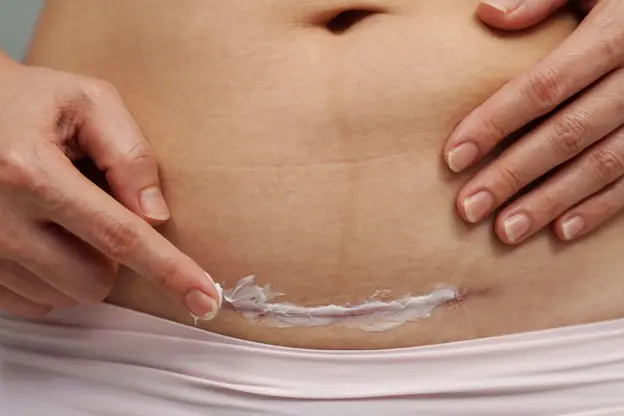
If you are reading this, you might be preparing for a scheduled C-section, recovering from an unplanned one, or months postpartum and wondering why your scar still feels tight or looks different than you expected. Wherever you are on this journey, this comprehensive guide will walk you through everything you need to know about C-section scar care and recovery, from the moment the incision is closed to the years that follow.
Understanding Your C-Section Incision
Before diving into scar care, it helps to understand what kind of incision you have and how it was closed. This knowledge forms the foundation of your recovery plan.
Types of C-Section Incisions
Most C-sections performed today use a low transverse incision, often called a “bikini cut.” This incision runs horizontally across the lower abdomen, just above the pubic bone. According to the American College of Obstetricians and Gynecologists (ACOG) , this type of incision heals well and causes less bleeding than vertical incisions [1].
In certain emergency situations or specific medical circumstances, a vertical incision may be used. This runs from the navel to the pubic bone and can be necessary for very premature babies, certain fetal positions, or multiple pregnancies.
How Is the Incision Closed?
Your surgeon closes the incision in layers. The uterine incision is closed with dissolvable sutures. The abdominal muscles (which are typically separated, not cut) are allowed to return to their natural position. The final layer—your skin—may be closed with:
- Dissolvable stitches beneath the skin
- Surgical staples (removed before leaving the hospital)
- Surgical glue or adhesive strips
The Mayo Clinic notes that the method of closure often depends on surgeon preference and the specific circumstances of your delivery [2].
The First Two Weeks: Immediate Incision Care
Your scar begins forming the moment your incision is closed. The first two weeks are about protection, infection prevention, and allowing the initial healing phase to proceed undisturbed.
Keeping the Incision Clean and Dry
For the first several days, your incision will likely be covered with a sterile dressing. Your healthcare team will instruct you on when to remove it—usually within 24 to 48 hours.
Daily Care Routine:
- Gently wash the area with mild, unscented soap and water during your daily shower. The Centers for Disease Control and Prevention (CDC) recommends letting water run over the incision rather than rubbing it [3].
- Pat the area completely dry with a clean, soft towel. Do not rub.
- Do not apply any creams, ointments, or powders unless specifically prescribed by your doctor.
- Watch for the edges of the incision to remain closed with no separation.
What Is Normal, What Is Not
Normal healing signs:
- Slight bruising around the incision
- Minor swelling
- Clear or slightly pink-tinged fluid drainage in the first 24-48 hours
- Itching as the skin knits together
Warning signs requiring immediate medical attention:
- Increasing redness spreading from the incision
- Pus or foul-smelling drainage
- Fever over 100.4°F (38°C)
- Incision edges pulling apart
- Excessive bleeding
- Severe pain not controlled by medication
Protecting Your Incision During Daily Activities
Simple movements become complicated after abdominal surgery. Here is how to protect your incision:
- Splinting: Hold a pillow firmly against your incision when you cough, sneeze, laugh, or have a bowel movement. This reduces tension on the healing tissues.
- Log Rolling: When getting out of bed, roll onto your side, bend your knees, and use your arms to push yourself up while swinging your legs down. Never sit straight up from a lying position.
- Lifting Restrictions: Do not lift anything heavier than your baby. This includes groceries, toddlers, and laundry baskets.
Weeks 2 to 6: The Active Healing Phase
As you move through the first month postpartum, your external incision may look healed, but internal healing continues. This is the phase where scar tissue begins to form.
When Steri-Strips Fall Off
If you had adhesive strips (steri-strips) placed over your incision, they will eventually curl at the edges and fall off on their own—usually within 1 to 2 weeks. Do not pull them off. Let nature take its course.
Once the strips are gone and the incision is completely closed with no openings or scabs, you have entered a new phase of scar care.
Managing the Appearance of the Scar
At this stage, your scar may look red, raised, or slightly puckered. This is normal. The scar has not reached its final appearance yet—that takes months to a year.
What you can start doing now:
- Gentle massage: Once the incision is fully healed (no scabs, no open areas), you can begin very gentle massage around the scar, not directly on it. Use unscented lotion or vitamin E oil.
- Sun protection: The American Academy of Dermatology warns that new scars are highly susceptible to sun damage [4]. Sun exposure can darken a scar permanently. Keep it covered or use a high-SPF mineral sunscreen once the incision is fully closed.
The Return to Movement
By week 4 to 6, you may feel ready to increase activity. Walking is excellent—it promotes blood flow and prevents blood clots. However, hold off on:
- Abdominal exercises (crunches, planks)
- Heavy lifting
- High-impact activities
- Anything that causes pulling or pain at the incision site
Always wait for your 6-week postpartum checkup and your provider’s clearance before resuming exercise.
Months 2 to 6: Scar Maturation and Advanced Care
Between two and six months postpartum, your scar undergoes significant changes. This is the ideal time to implement more active scar management techniques.
Understanding Scar Tissue
Scars are not just skin-deep. A C-section scar involves multiple layers:
- The skin incision
- The fascia (connective tissue covering the muscles)
- The muscle layer
- The uterine incision
Internal scar tissue, or adhesions, can form between these layers. While some adhesions are harmless, others can cause discomfort or restricted movement.
Silicone Therapy: The Gold Standard
If you want to improve the appearance and texture of your scar, silicone is your best option.
Why silicone works: Silicone sheets or gels create a protective barrier that hydrates the scar tissue, regulates collagen production, and flattens raised scars. The American Academy of Dermatology strongly supports the use of silicone for scar management [4].
How to use it:
- Clean and dry the area thoroughly.
- Apply silicone gel or a silicone sheet directly over the scar.
- Wear for at least 12 hours daily for best results.
- Continue for 2 to 3 months to see significant improvement.
Scar Massage Techniques
Once your scar is well-healed (usually around 8-12 weeks), you can begin deeper massage. This helps break up adhesions and improve mobility.
Basic scar massage routine:
- Apply lotion, oil, or silicone gel to reduce friction.
- Use your fingertips to make small circles along the length of the scar.
- Gently lift the scar tissue away from the underlying muscle.
- Stretch the skin above and below the scar in opposite directions.
Perform these techniques for 5-10 minutes daily. You may feel pulling or slight discomfort, but never sharp pain.
When to Consider Professional Help
If your scar feels tight, painful, or restricts your movement, consider seeing a specialist:
- Pelvic floor physical therapists are trained to address C-section scar tissue and its effects on the core and pelvis.
- Dermatologists can offer treatments like laser therapy for scar discoloration.
- Plastic surgeons can evaluate scars that are raised, wide, or causing functional issues.
Long-Term Scar Health: What to Expect at One Year and Beyond
By one year postpartum, your scar has reached its final appearance. It will likely be:
- Flatter than in the early months
- Lighter in color (though possibly still lighter or darker than surrounding skin)
- Softer and more flexible
However, scar tissue never fully behaves like normal skin. It lacks oil glands, sweat glands, and hair follicles. It also has different elastic properties.
Numbness and Sensation Changes
Many women experience numbness around their C-section scar. This happens because small nerves in the skin and tissue were cut during surgery. While some sensation may return over months to years, some degree of numbness can be permanent.
Conversely, some women develop hypersensitivity or shooting pains as nerves regenerate. Both are normal variations.
The Scar and Future Pregnancies
If you plan to have more children, your scar matters.
- Uterine integrity: The strength of your uterine scar is crucial for future pregnancies. Most providers recommend waiting at least 18 months before conceiving again to allow complete healing [1].
- VBAC potential: Whether you can attempt a vaginal birth after Cesarean (VBAC) depends partly on the type of uterine incision from your first C-section. Discuss this with your provider early in your next pregnancy.
Complications and When to Seek Help
While most C-section scars heal without issues, complications can arise months or even years after surgery.
C-Section Scar Infection
Infections can occur early or late. Signs include:
- Increasing redness, warmth, or swelling
- Pus or drainage
- Fever
- Pain that worsens over time
Endometriosis in the Scar
Rarely, uterine lining cells can implant in the C-section incision, causing a condition called scar endometriosis. Symptoms include:
- A tender lump or nodule in or near the scar
- Pain that worsens during menstruation
- Swelling or bleeding from the scar during periods
C-Section Scar Hernia
An incisional hernia occurs when tissue pushes through a weakness in the abdominal wall at the incision site. Signs include:
- A bulge near the scar
- Pain with lifting or straining
- Feeling of heaviness or pulling
If you suspect any of these conditions, consult your healthcare provider promptly.
Emotional Healing: The Psychological Side of Scar Recovery
Your C-section scar is more than a physical mark—it carries emotional weight. For some women, it represents a life-saving medical intervention and the birth of a cherished child. For others, it may symbolize a birth experience that differed from their hopes and plans.
Processing Birth Trauma
If your C-section was unplanned or emergency, you might experience complicated feelings about your scar. The World Health Organization (WHO) recognizes that birth experiences can significantly impact maternal mental health [5].
Healthy coping strategies:
- Talk about your birth experience with supportive loved ones or a therapist.
- Write in a journal about your feelings.
- Connect with other C-section moms who understand.
- Give yourself permission to feel whatever arises—gratitude, grief, pride, or a mix.
Body Image and the Scar
Seeing your scar for the first time can be emotional. It may look different than you expected—redder, longer, or more raised. Remember that scars change dramatically over the first year. What you see at two weeks is not what you will see at six months.
If your scar continues to bother you emotionally, know that support exists. Perinatal mental health specialists and support groups can help you navigate these feelings.
Nutrition for Optimal Scar Healing
What you eat directly affects how well your body repairs itself. Focus on these scar-healing nutrients:
Protein: The Building Block
Collagen, the main structural protein in scar tissue, requires adequate protein intake. Aim for lean meats, eggs, dairy, legumes, and nuts.
Vitamin C: Collagen Production
Your body cannot make collagen without vitamin C. Include citrus fruits, bell peppers, strawberries, and broccoli in your diet.
Zinc: Wound Healing Support
Zinc supports immune function and cell growth. Good sources include meat, shellfish, nuts, seeds, and whole grains.
Vitamin E: Antioxidant Protection
While topical vitamin E is controversial (some people develop skin reactions), dietary vitamin E from nuts, seeds, and vegetable oils supports overall healing.
Hydration
Water keeps tissues hydrated and pliable, supporting the healing process from the inside out.
Frequently Asked Questions About C-Section Scar Care
Q: How long does it take for a C-section scar to heal completely?
External healing takes about 4 to 6 weeks, meaning the skin is closed and you can resume normal activities. However, full internal healing—including the uterine incision—takes 6 to 8 weeks or longer. Scar maturation, where the scar reaches its final appearance, takes up to a year.
Q: When can I start using scar creams or silicone sheets?
Wait until the incision is fully healed with no scabs, open areas, or drainage. This is usually around 2 to 4 weeks postpartum, but confirm with your healthcare provider before starting any product.
Q: Why does my C-section scar itch?
Itching is a normal part of healing. As nerves regenerate and new tissue forms, itching signals that healing is occurring. If itching is severe or accompanied by rash, check with your doctor.
Q: Can I shave or wax over my C-section scar?
Be cautious. The scar area is sensitive and lacks normal sensation. Shaving can cause nicks that become infected. Waxing can traumatize scar tissue. If you must remove hair, use caution or consult a professional experienced with scars.
Q: Will my C-section scar affect future pregnancies?
It can. The uterine scar is a consideration in future pregnancies. Your provider will monitor the scar’s integrity, and you may be a candidate for VBAC depending on your specific situation. Always discuss your birth history with your provider early in any subsequent pregnancy.
Q: Why is there a shelf or overhang above my scar?
Many women develop a “C-section shelf”—a bulge of tissue above the scar. This can result from swelling, changes in fat distribution, or scar tissue tethering the skin down. While some of this resolves with time and healing, pelvic floor physical therapy can help address the tissue mobility issues.
Q: When can I exercise my abs after C-section?
Wait until you are cleared by your provider, usually at the 6-week mark. Even then, start slowly. Deep core exercises (transverse abdominis activation) are safer than crunches. Consider working with a physical therapist or postpartum fitness specialist.
Q: Does a C-section scar affect sexual sensation?
For some women, the scar area and lower abdomen may have altered sensation during intimacy. This can improve with time and scar massage. If scar pain interferes with sex, pelvic floor physical therapy can help.
Creating Your C-Section Scar Care Plan
To summarize everything covered, here is a timeline-based action plan for optimal scar recovery:
Week 1-2:
- Keep incision clean and dry
- Watch for signs of infection
- Use pillow splinting for coughing/movement
- Rest and limit activity
Week 2-4:
- Once healed, begin gentle moisturizing
- Protect scar from sun exposure
- Continue movement restrictions
- Start very gentle massage around the scar
Week 4-8:
- After provider clearance, begin silicone therapy
- Increase massage intensity
- Gradually resume walking and light activity
- Attend 6-week postpartum checkup
Month 2-6:
- Consistent silicone use
- Daily scar massage
- Consider pelvic floor physical therapy
- Monitor for any concerning changes
Month 6-12:
- Scar reaches final appearance
- Continue maintenance care
- Address any persistent concerns with specialists
- Celebrate how far you have come
Conclusion: Your Scar Tells a Story
Your C-section scar is a mark of strength. It represents the moment you brought life into this world through a path that required medical skill, courage, and resilience. While caring for it physically is important, honoring the emotional journey it represents matters just as much.
Healing takes time—more time than modern culture often acknowledges. Your body grew a human for nine months, and it deserves at least that long to recover fully. Be patient with yourself. Be gentle with your scar. And know that with proper care, your body will continue to heal, adapt, and amaze you.
Whether your scar becomes a faint silver line or remains a more visible reminder, it is part of your story. And that story is worth celebrating.
Sources and Citations
- American College of Obstetricians and Gynecologists. (2019). Cesarean Delivery: Practice Bulletin No. 205. https://www.acog.org/clinical/clinical-guidance/practice-bulletin/articles/2019/02/cesarean-delivery
- Mayo Clinic. (2022). C-section recovery: What to expect. https://www.mayoclinic.org/healthy-lifestyle/labor-and-delivery/in-depth/c-section-recovery/art-20047310
- Centers for Disease Control and Prevention. (2023). Surgical Site Infection (SSI) Prevention Guidelines. https://www.cdc.gov/infectioncontrol/guidelines/ssi/index.html
- American Academy of Dermatology Association. (2023). Scars: Tips for managing. https://www.aad.org/public/everyday-care/injured-skin/burns/scars-tips-managing
- World Health Organization. (2022). Maternal mental health. https://www.who.int/teams/mental-health-and-substance-use/maternal-mental-health
- American Academy of Pediatrics. (2020). Postpartum Care of the Mother. https://www.aap.org/en/patient-care/postpartum-care/