From the moment you see that positive test, the world seems to reorganize itself into two categories: “safe for pregnancy” and “dangerous for baby.” Well-meaning friends, family, and even random internet lists deliver a barrage of warnings. Suddenly, your favorite foods feel like potential threats. That creamy goat cheese on a cracker? A listeria risk. That morning cup of coffee? Could cause miscarriage. That sushi roll you’ve been craving? Absolutely forbidden.
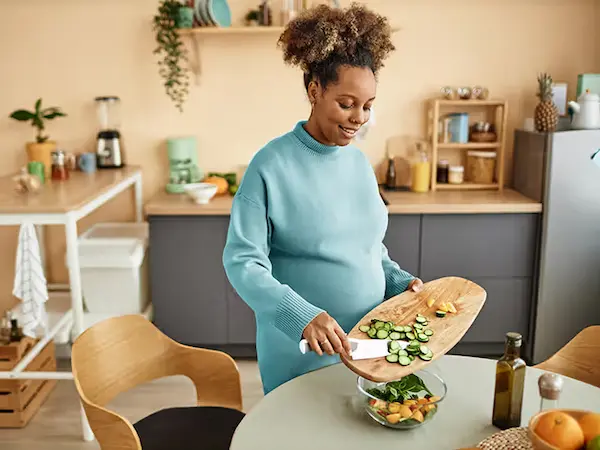
But what if a lot of this fear is outdated, overblown, or based on misunderstandings of modern food safety? What if you could enjoy your pregnancy without treating every meal like a high-stakes gamble?
This guide is here to bring calm back to your kitchen. We will explore common food myths in pregnancy and identify the surprisingly safe foods you’ve likely been told to avoid. We’ll explain the real risks, separate fear from fact, and give you the knowledge to make empowered, less-stressed choices. Because eating well during pregnancy should be about nourishment and joy, not just anxiety and restriction.
Part 1: The Core Principle: Context is Everything
Before we dive into specific foods, let’s establish a critical mindset shift. Blanket bans are often unhelpful. The real question is: What is the specific risk, and how can it be managed?
Most food-related pregnancy warnings stem from three main concerns:
- Listeria: A bacteria that can cross the placenta and cause severe fetal infection.
- Toxoplasmosis: A parasite found in undercooked meat and unwashed produce/cat litter.
- Mercury: A heavy metal that can harm a baby’s developing nervous system.
Understanding which risk a food potentially carries helps you assess it intelligently. We also must trust that food safety standards in developed countries are generally very high. The scare stories often originate from times or places with less rigorous regulation.
Part 2: The “Forbidden” Foods That Are Often Safe (With Caveats)
1. Sushi and Raw Fish: The Great Misunderstanding
- The Myth: All raw fish is teeming with parasites and bacteria that will harm your baby.
- The Reality: The primary risk in commercially prepared sushi in reputable establishments is not parasites (which are killed by commercial deep-freezing standards) but listeria and salmonella, which are risks present in many foods.
- The Safe Approach: You can significantly reduce risk by:
- Choosing sushi from high-quality, reputable restaurants with high turnover.
- Opting for cooked fish sushi (e.g., eel, shrimp, crab) or vegetarian rolls.
- Avoiding high-mercury fish entirely (swordfish, king mackerel, tilefish, bigeye tuna) whether raw or cooked.
- If you crave raw fish, consider sashimi-grade fish purchased from a trusted fishmonger to make your own, ensuring it has been properly frozen.
2. Soft Cheeses: The Pasteurization Clarification
- The Myth: All soft cheeses (brie, camembert, feta, blue cheese) are dangerous due to listeria.
- The Reality: The danger is only in unpasteurized (raw milk) cheeses. In the United States, Canada, the UK, and Australia, virtually all soft cheeses sold in major supermarkets are made from pasteurized milk. The pasteurization process kills listeria.
- The Safe Approach: Check the label. If it says “made from pasteurized milk,” it is generally considered safe to eat, even if it’s soft and creamy. This includes most grocery-store brie, feta, cream cheese, and ricotta. Be more cautious at farmers’ markets or with imported artisanal cheeses where you cannot verify pasteurization.
[Image: https://images.unsplash.com/photo-1565958011703-44f9829ba187?ixlib=rb-4.0.3 | Caption: A carefully arranged plate of safe pregnancy foods: pasteurized cheese, whole-grain crackers, fresh fruit, and nuts.]
3. Coffee and Caffeine: From Panic to Moderation
- The Myth: Any caffeine can increase your risk of miscarriage or stunt fetal growth.
- The Reality: Extensive research shows that moderate caffeine intake is not associated with miscarriage or preterm birth. The key is the dose.
- The Safe Approach: Major health organizations agree: Up to 200 mg of caffeine per day is safe. That’s roughly equivalent to:
- One 12-ounce brewed coffee
- Two single shots of espresso
- Four cups of black tea
- Note: Soda and chocolate contain smaller amounts and count toward your total.
4. Runny Egg Yolks and Hollandaise: The Salmonella Scare
- The Myth: Any egg with a runny yolk is a salmonella danger zone.
- The Reality: The risk of a salmonella-infected egg is very low, especially if you purchase pasteurized eggs (common in cartons of liquid egg) or live in a region with strong poultry vaccination programs (like the UK, where runny eggs are officially deemed safe for pregnant women).
- The Safe Approach: To eliminate worry, use pasteurized eggs for any application where the yolk isn’t fully cooked (poached eggs, sunny-side-up, homemade mayo, hollandaise sauce). Otherwise, cooking eggs until both the white and yolk are firm is the surest bet.
5. Deli Meats and Cold Cuts: The Listeria Legacy
- The Myth: All deli meat can give you listeria, so never touch it.
- The Reality: While deli meats have been a historical source of listeria outbreaks, the risk from any single slice is extremely low. Complete avoidance is a precaution, not an absolute mandate.
- The Safe Approach: If you want to eat deli meat, you can virtually eliminate the listeria risk by heating it until steaming hot (165°F) before eating. This makes a toasted turkey sandwich or a hot ham panini perfectly safe. Alternatively, you can slice whole, cooked meat (like a roasted turkey breast) at home.
6. Spicy Food: The Heartburn, Not Harm, Myth
- The Myth: Spicy food can induce preterm labor or harm the baby.
- The Reality: There is zero scientific evidence that capsaicin (the compound that makes food spicy) can trigger labor or cross the placenta to bother the baby. The only effect is on you: it may exacerbate heartburn or indigestion, which are already common in pregnancy.
- The Safe Approach: If you enjoy spice and your stomach tolerates it, eat it! If it gives you terrible heartburn, you might choose to moderate it for your own comfort, not out of fetal fear.
Part 3: The Foods That Get an Unfairly Bad Rap
1. Peanuts and Nut Butters
- The Old Advice: Avoid to prevent your child from developing a nut allergy.
- The Current Science: Landmark studies have flipped this on its head. Early exposure (through the mother’s diet during pregnancy and breastfeeding) may actually reduce the risk of allergy. Unless you are allergic, peanuts are a great source of protein and healthy fats.
2. Certain Herbal Teas
- The Myth: All herbal teas are natural and therefore safe.
- The Nuance: While many are fine (ginger for nausea, peppermint for digestion), some medicinal herbs in concentrated tea form can be problematic (e.g., large amounts of licorice root, saw palmetto, pennyroyal). The dose makes the poison.
- The Safe Approach: Stick to common, culinary-grade herbs in moderation (ginger, peppermint, citrus, rooibos). Avoid “detox” or “medicinal” blend teas with long lists of unfamiliar herbs. When in doubt, a cup of simple black or green tea (mindful of caffeine) is a safe choice.
[Image: https://images.unsplash.com/photo-1563245372-f21724e3856d?ixlib=rb-4.0.3 | Caption: A person's hand pouring a cup of soothing ginger tea, a safe and beneficial herbal option during pregnancy.]
Part 4: Where to Truly Focus Your Caution
While we’re relaxing the rules on many foods, your vigilance should be laser-focused on these non-negotiable areas:
- Alcohol: No safe amount or type has been established. Complete avoidance is the only guarantee.
- Unpasteurized (Raw) Milk & Juices: These carry high risks of listeria, E. coli, and salmonella.
- Raw Sprouts: Alfalfa, clover, radish, and mung bean sprouts are grown in warm, humid conditions perfect for bacteria like salmonella and E. coli. They are very difficult to wash clean. Avoid them raw; cook them thoroughly if you must have them.
- Unwashed Produce and Cross-Contamination: This is a major, overlooked risk. Wash all fruits and vegetables thoroughly. Use separate cutting boards for raw meat and produce. This prevents toxoplasmosis and other illnesses.
- High-Mercury Fish: As mentioned, avoid shark, swordfish, king mackerel, tilefish, and limit albacore (“white”) tuna.
Part 5: Embracing a Sane and Satisfying Pregnancy Diet
The goal is not to live on a diet of crackers and steamed chicken. It’s to eat a varied, nutritious, and enjoyable diet that supports you and your baby.
- Cook at Home More: This gives you ultimate control over ingredients and food safety.
- Prioritize Balance: Fill your plate with plenty of fruits, vegetables, whole grains, lean proteins, and healthy fats. These foods are packed with the vitamins and minerals you both need.
- Practice Moderation, Not Deprivation: Having a slice of properly heated deli meat on a sandwich or a cup of coffee in the morning is not reckless. It’s a reasonable choice within a generally healthy diet.
- Talk to Your Provider, Not Just Dr. Google: If you have questions about a specific food, ask your doctor or a registered dietitian. They can give you personalized advice based on your health history.
Conclusion: From Fear to Informed Freedom
Pregnancy is a time of profound responsibility, but that responsibility doesn’t have to manifest as constant food anxiety. By understanding the why behind the old warnings, you can move from a place of blind fear to one of informed, confident choice.
You can enjoy that pasteurized soft cheese. You can savor a cup of coffee. You can, with sensible precautions, even have that sushi roll. The narrative that you must sacrifice every culinary pleasure is outdated and unnecessarily stressful.
Focus on the big wins: a colorful, nutrient-dense diet, excellent hydration, and safe food handling. Give yourself permission to relax about the small stuff. Nourishing your baby is also about nourishing your own well-being, and that includes the joy found in a delicious, satisfying meal eaten without fear.
Frequently Asked Questions (FAQ)
Q: Is it true that pineapple can induce labor?
A: This is a classic myth. Pineapple contains bromelain, an enzyme theorized to soften the cervix. However, the amount of bromelain in a normal serving of pineapple is negligible, and your stomach acid neutralizes most of it. Eating pineapple is safe and will not send you into labor.
Q: What about eating leftover food? How long is it safe?
A: This is a critical food safety practice. The danger isn’t the food itself, but how it’s handled. Refrigerate leftovers within 2 hours (1 hour if it’s very hot outside). Eat them within 3-4 days, and always reheat to an internal temperature of 165°F (74°C) until steaming hot throughout.
Q: Can I eat store-bought ice cream or milkshakes?
A: Yes. Commercial ice cream is made with pasteurized milk and eggs. The freezing process doesn’t kill bacteria, but the pasteurization before freezing does. The risk from a reputable brand is extremely low. Be more cautious with soft-serve from machines that may not be cleaned perfectly, but even that risk is small.
Q: Are artificial sweeteners (like in diet soda) safe?
A: According to major health bodies, common artificial sweeteners like aspartame, sucralose (Splenda), and stevia are considered safe in moderation during pregnancy. However, they offer no nutritional value. Water, milk, and sparkling water are better primary hydration choices.
Q: I ate a food I thought was forbidden before I knew the facts. What should I do?
A: Do not panic. The risk from a single exposure is almost always vanishingly small. The warnings are about repeated exposure and risk accumulation over time. Mention it to your provider at your next visit for reassurance, but understand that millions of healthy babies are born every year to mothers who occasionally consumed these foods.
Q: Where can I find reliable, up-to-date information on pregnancy nutrition?
A: Stick to sources from major medical institutions: The American College of Obstetricians and Gynecologists (ACOG), the CDC, and Academy of Nutrition and Dietetics. A consultation with a registered dietitian who specializes in prenatal nutrition can be an invaluable investment in your peace of mind.