For generations, the image of a pregnant woman was one of delicate repose—a figure resting on a chaise lounge, avoiding anything strenuous. While care and caution are paramount, this outdated view has given rise to a thicket of myths and fears that can unnecessarily sideline expectant mothers from the profound benefits of physical activity. Well-meaning but misinformed advice like “Don’t lift your arms above your head!” or “You must keep your heart rate under 140!” still circulates, creating confusion and anxiety.
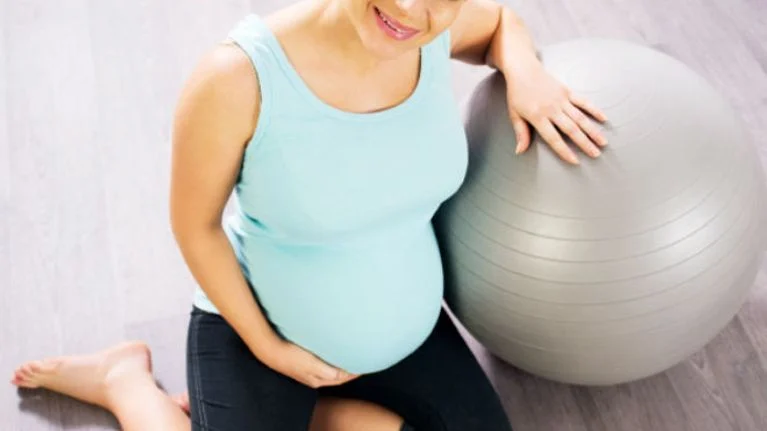
The truth is, for most pregnancies, exercise is not just safe—it’s powerfully beneficial. Modern obstetrics champions the active, strong mother. But navigating the mixed messages can be exhausting. This guide is dedicated to clearing the air. We will systematically debunk the most pervasive exercise myths during pregnancy, replacing old wives’ tales with evidence-based facts. Our goal is to empower you with knowledge, so you can move with confidence, strength, and joy throughout your pregnancy, knowing you’re supporting your health and your baby’s.
Part 1: The Foundational Myth: “Exercise is Dangerous for the Baby”
The Myth:
The overarching fear is that physical exertion will harm the baby—causing miscarriage, preterm labor, or injury. This stems from the outdated belief that the pregnant body is fragile and must be shielded from all stress.
The Evidence-Based Reality:
For healthy, low-risk pregnancies, exercise is not a danger; it’s a protective factor. Major health organizations like the American College of Obstetricians and Gynecologists (ACOG) strongly recommend at least 150 minutes of moderate-intensity exercise per week.
The Real Benefits:
- Reduced Risk of Complications: Regular activity lowers the risk of gestational diabetes, preeclampsia, and excessive weight gain.
- Easier Labor & Recovery: It builds cardiovascular stamina and muscular endurance for labor and can lead to a smoother postpartum recovery.
- Improved Mental Health: Exercise combats pregnancy anxiety and depression, boosts mood, and improves sleep.
- Fewer Discomforts: It can alleviate common complaints like back pain, swelling, and constipation.
The Critical Caveat: This applies to low-risk pregnancies. Certain conditions (like placenta previa, cervical insufficiency, or severe hypertension) may require activity restriction. Your personal green light must always come from your healthcare provider.
Part 2: Debunking the Specific Myths, One by One
Let’s tackle the specific, persistent falsehoods that hold many people back.
Myth #1: “You must keep your heart rate under 140 beats per minute.”
- The Origin: This outdated guideline from the 1980s was based on theoretical concerns about blood flow, not solid evidence.
- The Modern Science: ACOG has not used a strict heart rate limit for decades. The current standard is the “Talk Test.”
- The New Rule: You should be able to hold a conversation while exercising. If you’re too breathless to speak, you’re working too hard. This subjective measure accounts for your individual fitness level.
Myth #2: “Avoid all abdominal exercises and core work.”
- The Kernel of Truth: You should avoid traditional crunches and sit-ups, especially after the first trimester, as they can promote diastasis recti (separating of the abdominal muscles) by putting pressure on the midline.
- The Empowering Truth: Core strength is more important than ever. The key is to train your core as a stabilizer, not a flexor.
- Safe Alternatives: Focus on exercises like pelvic tilts, bird-dogs, modified planks (on knees or against a wall), and deep core breathing that engage the transverse abdominis—your body’s natural internal corset. These protect your back and prepare you for pushing.
Myth #3: “Never lift anything heavy (or raise your arms above your head).”
- The Absurdity: The “arms above head” myth is often linked to the fear of the umbilical cord wrapping around the baby’s neck—a random event that is anatomically impossible to cause by stretching.
- The Sensible Approach: If you were strength training before pregnancy, you can generally continue, with modifications. The focus should be on perfect form, controlled movement, and avoiding the Valsalva maneuver (holding your breath while straining).
- The Rule: You can lift weights, but don’t try to hit personal records. Listen to your body, and as your bump grows, you may need to switch to seated or supported positions.
[Image: https://images.unsplash.com/photo-1544367567-0f2fcb009e0b?ixlib=rb-4.0.3 | Caption: A pregnant woman confidently holding a light kettlebell in a gym, demonstrating safe and strong weight training with proper form.]
Myth #4: “Running and high-impact exercises are off-limits.”
- The Truth: If you were a runner pre-pregnancy, you can often continue. The key is adaptation and listening to your body.
- The Evolution: As pregnancy progresses, relaxin hormone loosens ligaments, increasing injury risk. You may naturally shorten your stride, slow your pace, and eventually switch to lower-impact cross-training like swimming, elliptical, or walking.
- The Sign to Stop: Impact becomes a problem if it causes pain in your pelvis (symphysis pubis dysfunction) or round ligament pain. Your body will tell you when it’s time to modify.
Myth #5: “You shouldn’t start a new exercise routine while pregnant.”
- The Nuance: You shouldn’t start training for a marathon or take up high-impact sports like skiing. However, pregnancy is an excellent time to begin a gentle, low-impact fitness habit.
- The Recommendation: Starting with walking, prenatal yoga, swimming, or stationary cycling is highly encouraged for previously sedentary individuals. The key is to start low and go slow, building duration and intensity gradually under guidance.
Myth #6: “Exercise can cause miscarriage or preterm labor.”
- The Emotional Weight: This is the most fear-inducing myth.
- The Scientific Consensus: In a healthy pregnancy, moderate exercise does not trigger miscarriage or preterm labor. In fact, it may help reduce the risk of preterm birth. The uterus is a incredibly strong muscle, and the baby is well-cushioned in amniotic fluid.
- The Red Flags vs. Normal Sensations: It’s crucial to distinguish between the normal hardening of Braxton Hicks contractions (which may increase with activity but subside with rest) and true preterm labor signs (regular, painful contractions that intensify). When in doubt, call your provider.
Part 3: The Real Rules: What You Should Be Cautious About
Now that we’ve busted the myths, let’s focus on the evidence-based precautions that truly matter.
- Avoid Supine Position After the First Trimester: Lying flat on your back can compress the vena cava, a major vein, reducing blood flow to your heart and baby. Modify exercises to be inclined, side-lying, or on all fours.
- Skip Activities with High Fall or Impact Risk: This includes contact sports (soccer, basketball), horseback riding, downhill skiing, and intense gymnastics. The risk isn’t to the baby from the impact itself (they are well-protected) but from the potential for serious abdominal trauma or a fall that could injure you.
- Stay Cool and Hydrated: Avoid overheating, especially in the first trimester. Exercise in a cool environment, wear breathable clothing, and drink water before, during, and after your workout.
- Listen to Your Body’s “Stop” Signals: This is your most important tool. Stop exercising and consult your provider if you experience: vaginal bleeding, dizziness or faintness, chest pain, headache, muscle weakness, calf pain/swelling (could indicate a clot), or amniotic fluid leakage.
[Image: https://images.unsplash.com/photo-1599901860904-17e6ed7083a0?ixlib=rb-4.0.3 | Caption: A pregnant woman in a serene setting, practicing a modified side-lying exercise, showcasing a safe alternative to supine positions.]
Part 4: Building Your Myth-Free Fitness Plan
With the myths cleared away, you can build a positive, safe routine.
- Find What Feels Good: The best exercise during pregnancy is the one you enjoy and will do consistently. Walking, swimming, stationary cycling, prenatal yoga, and Pilates are all stellar choices.
- Focus on Function, Not Aesthetics: The goal is not a “bump-only” look. It’s about building strength for carrying your baby, lifting a car seat, and the endurance of labor and newborn care.
- Invest in Support: A maternity support belt can be a game-changer for pelvic or back pressure. Wear supportive athletic shoes as your feet may spread.
- Consider Professional Guidance: A certified prenatal fitness specialist or a physical therapist can create a personalized program, ensuring your form is perfect and your routine is optimized for your changing body.
Conclusion: Reclaiming Your Strength
The narrative around pregnancy and exercise has shifted from one of fear and restriction to one of empowerment and strength. You are not a porcelain doll; you are a resilient, adaptive powerhouse growing a new life.
By letting go of the old myths, you free yourself to experience the true gifts of prenatal fitness: more energy, fewer aches, a calmer mind, and a profound connection to your body’s capabilities. You are building more than a baby; you are building the strong, healthy foundation for motherhood.
Have an open conversation with your provider. Use the “talk test.” Honor your body’s signals. Move not out of obligation, but out of celebration for what your body can do. Your journey is unique, and your strength, in all its forms, is what will carry you through.
Frequently Asked Questions (FAQ)
Q: I’ve heard jumping or bouncing is dangerous. Is that true?
A: It’s more about discomfort and instability than direct danger. The hormone relaxin loosens your ligaments, making your joints less stable. High-impact jumping can aggravate pelvic girdle pain and increase the risk of sprains. Low-impact modifications (like marching in place) are safer and more comfortable as pregnancy progresses.
Q: Can exercise really help with gestational diabetes?
A: Absolutely, and it’s a first-line treatment. Physical activity helps your body use insulin more efficiently and lowers blood sugar. A combination of aerobic exercise (like walking) and strength training is often recommended as part of a management plan under your doctor’s guidance.
Q: What about hot yoga or exercising in a sauna?
A: This is a valid concern. Activities that raise your core temperature significantly, like hot yoga, Bikram yoga, or using saunas/hot tubs, are not recommended, especially in the first trimester. Overheating (hyperthermia) can pose risks to fetal development. Stick to yoga classes in temperature-controlled rooms.
Q: Is it safe to do exercises that spread the legs wide, like sumo squats?
A: With proper form, yes. Deep squats are actually excellent for opening the pelvis and preparing for birth. However, if you experience pain in your pubic bone (symphysis pubis pain), you may need to reduce your range of motion and avoid wide-stance movements that stress that joint. Listen to your pelvic feedback.
Q: My balance feels off. How can I exercise safely?
A: This is a normal effect of your shifting center of gravity. Prioritize stability: Use a chair or wall for support during standing exercises. Opt for stationary machines instead of free weights. Focus on exercises with a wide base of support and avoid those requiring complex balance.
Q: Until what point in pregnancy can I keep exercising?
A: You can often maintain modified activity right up until delivery, as long as you feel comfortable and have no complications. Many people find that gentle movement like walking, swimming, and stretching in the final weeks helps with discomfort and mental readiness. The “finish line” is individual—let your body and your provider guide you.