Bringing a new life into the world is a monumental event, regardless of how the birth unfolds. If you are preparing for or recovering from a Cesarean section (C-section), you are likely navigating a unique recovery process that blends the demands of newborn care with the healing of major abdominal surgery.
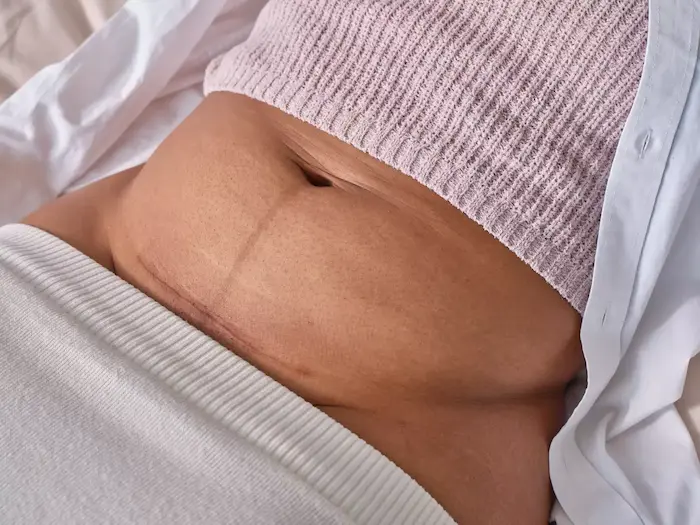
Understanding exactly what happens to your body after a C-section can alleviate fear and help you set realistic expectations. This guide provides a detailed, week-by-week breakdown of the C-section recovery timeline, combined with essential, expert-backed tips to ensure a smooth and healthy healing process.
Whether you are a pregnant woman planning for all possibilities or a new mom in the thick of recovery, this resource is designed to answer your questions and guide you through every stage.
What Happens During a C-Section? (A Brief Overview)
To understand the recovery, it helps to know what the body has endured. A Cesarean section is the surgical delivery of a baby through an incision in the mother’s abdomen and uterus. According to the Centers for Disease Control and Prevention (CDC) , C-sections account for approximately 32% of all births in the United States, making it a very common procedure [1].
During the surgery, the surgeon makes an incision through the skin, fat, and muscle (usually the muscles are separated, not cut), and then into the uterine wall. You are healing from the inside out—the uterine incision heals first, followed by the layers of muscle and tissue, and finally the external skin incision.
The First 72 Hours: The Initial Hospital Stay
Your recovery journey begins immediately post-surgery in a recovery room. This phase is about managing pain, initiating bonding, and watching for immediate complications.
Immediate Post-Op (0-24 hours)
- What to Expect: You will likely feel shaky, nauseous, and tired—this is a common side effect of the anesthesia and medications. Your legs will regain feeling as the spinal or epidural wears off.
- Pain Management: Don’t be a hero. The American College of Obstetricians and Gynecologists (ACOG) emphasizes the importance of adequate pain control to allow you to move and care for your baby [2]. You will likely be given a combination of IV pain medication and oral NSAIDs (like Ibuprofen).
- Breastfeeding: You can and should breastfeed. Ask the nurse to help you find a comfortable position, such as the “football hold,” which keeps the baby’s weight off your incision.
- Mobility: A nurse will help you stand and walk to the bathroom within 12-24 hours. This is crucial to prevent blood clots.
Day 2 and 3
- Catheter Removal: The urinary catheter is typically removed after 24 hours.
- Gas Pains: One of the most uncomfortable postpartum surprises is gas pain. Because the bowel was “shut down” during surgery, gas can get trapped, causing sharp shoulder or chest pain. Walking and simethicone (Gas-X) are your best friends.
- Incision Check: Your doctor will check the wound for signs of infection, such as excessive redness, discharge, or swelling.
The 4-Week C-Section Recovery Timeline
Healing is a marathon, not a sprint. Here is a week-by-week breakdown of what your body is doing and how you should be feeling.
Week 1: The “In and Out” Phase
Back at home, the focus is on rest, hydration, and incision care.
- Physical State: You will still have significant soreness around the incision. Bleeding (lochia) will be bright red and heavy, similar to a heavy menstrual period.
- Mobility: You can walk slowly around the house, but stairs should be limited. You must avoid lifting anything heavier than your baby. The Mayo Clinic advises against lifting heavy objects for several weeks to avoid straining the incision [3].
- Healing Milestone: Your surgical dressing can usually be removed and replaced with steri-strips. Let the area air out, but keep it dry.
Week 2: The “Sore but Mobile” Phase
By week two, the “fog” starts to lift, and you may feel more like yourself, albeit a sore version.
- Physical State: Bleeding should be lightening to a pink or brownish color. Stabbing pains or twinges around the incision are normal as nerves reconnect. The skin around the belly might feel numb—this can last for months.
- Activity: You can increase your walking distance slightly. However, you should still be spending most of your time resting while the baby rests.
- Emotional State: The “Baby Blues” are common here. However, if feelings of sadness or anxiety worsen, contact your healthcare provider to rule out Postpartum Depression, which the World Health Organization (WHO) notes can affect up to 1 in 5 women [4].
Week 3: The “Increased Energy” Phase
Many women report a turning point around the three-week mark.
- Physical State: The external incision is likely healed enough that steri-strips may fall off. Internal healing, however, is still in full swing. You may have moments where you forget you had surgery—until you cough or laugh too hard.
- Activity: You can handle light household chores like folding laundry, but avoid vacuuming or pushing a shopping cart, as these motions engage the core muscles.
Week 4 to 6: The “Checkpoint” Phase
This period leads up to your final postpartum checkup.
- Physical State: Vaginal bleeding should have stopped or turned into a light discharge. Energy levels are generally better. The risk of complications (like infection) drops significantly if healing has been on track.
- Activity: By week 6, most women are cleared to start gentle exercises like walking and pelvic floor exercises.
Essential Tips for a Successful C-Section Recovery
Knowing the timeline is one thing; optimizing your healing is another. Here are actionable tips grounded in medical advice.
1. Master the Art of “Log Rolling”
Getting in and out of bed is painful if done incorrectly. Do not use your abs to sit up. Instead, roll onto your side, keep your knees bent, and use your arms to push your upper body up while you swing your legs off the bed. This keeps the pressure off your core.
2. Support Your Incision
Whenever you feel a cough, sneeze, or laugh coming on, hold a pillow firmly against your incision. This “splinting” technique provides counter-pressure and reduces pain significantly.
3. Nutrition is Medicine
Your body needs protein to repair tissue and iron to replenish blood loss.
- Foods to focus on: Lean meats, eggs, leafy greens, and whole grains.
- Hydration: Water is crucial, especially if breastfeeding, to prevent constipation and aid healing.
4. Watch for Warning Signs
While discomfort is normal, certain symptoms warrant an immediate call to your doctor.
- Red Flags:
- Incision redness, oozing, or warmth (Signs of infection).
- A fever over 100.4°F (38°C).
- Heavy vaginal bleeding (soaking a pad in an hour).
- Redness, swelling, or pain in one leg (Signs of Deep Vein Thrombosis).
- Chest pain or difficulty breathing.
C-Section Scars: Long-Term Care and Appearance
Once the external wound is healed (usually after 2 weeks), you can begin scar management if your doctor approves.
- Silicone Sheets or Gel: These are the gold standard for flattening and fading scars. The American Academy of Dermatology supports the use of silicone to help reduce the appearance of raised scars [5].
- Massage: Gentle massage of the scar tissue (once fully healed) can help break up adhesions and improve mobility in the area.
Frequently Asked Questions About C-Section Recovery
To ensure this article covers the long-tail queries you might be searching for, here are answers to the most common questions new moms have.
Q: How long does it take for a C-section to heal internally?
While the skin incision heals in a few weeks, full internal healing—including the uterine incision—takes about 6 to 8 weeks. This is why doctors advise against strenuous exercise and sex until after your postpartum checkup.
Q: Is it normal to have bleeding after C-section?
Yes. Lochia is the discharge of blood, mucus, and uterine tissue. It is not “less” because you had a C-section; the placenta detaches regardless of how the baby is born. Bleeding usually tapers off over 4 to 6 weeks.
Q: When can I drive after my C-section?
You can generally drive once you are no longer taking narcotic pain medication and you can stomp your foot on the brake pedal quickly without hesitation or pain. This is usually around the 2-week mark, but consult your doctor first.
Q: How long do I have to wait to exercise after a C-section?
Most women are cleared for light walking immediately. However, high-impact exercise or heavy lifting should wait until you are cleared by your provider, usually at the 6-week mark. Listen to your body; if it hurts, stop.
Q: Why is my C-section scar numb?
It is very common to have numbness around the scar. During surgery, small nerves in the skin and tissue are cut. While many nerves regenerate, some numbness can be permanent. Sensation often returns gradually over several months to a year.
Q: Can I get pregnant again after a C-section?
Yes. However, most healthcare providers recommend waiting at least 18 months before getting pregnant again to allow the uterine incision to heal completely, reducing the risk of uterine rupture in the next pregnancy. This is a key recommendation supported by ACOG [6].
Q: What is a VBAC?
VBAC stands for Vaginal Birth After Cesarean. Many women are candidates for a VBAC in subsequent pregnancies. The success rates and safety depend on the type of uterine incision from your first C-section and your overall health.
Conclusion: Be Kind to Yourself
Recovering from a C-section is a dual challenge: you are healing from major surgery while adapting to motherhood. The most important takeaway from this timeline is that healing takes time. It is not a sign of weakness to need help—whether it is asking your partner to bring the baby to you in the middle of the night or calling your doctor with a concern.
By following medical guidelines, listening to your body, and prioritizing rest, you set the foundation for a healthy future for both you and your baby.
Sources and Citations:
- Centers for Disease Control and Prevention. (2023). Births – Method of Delivery. https://www.cdc.gov/nchs/fastats/delivery.htm
- American College of Obstetricians and Gynecologists. (2019). Postpartum Pain Management. https://www.acog.org/clinical/clinical-guidance/committee-opinion/articles/2018/05/postpartum-pain-management
- Mayo Clinic. (2022). C-section recovery: What to expect. https://www.mayoclinic.org/healthy-lifestyle/labor-and-delivery/in-depth/c-section-recovery/art-20047310
- World Health Organization. (2023). Maternal mental health. https://www.who.int/teams/mental-health-and-substance-use/maternal-mental-health
- American Academy of Dermatology Association. (n.d.). Scars: Tips for managing. https://www.aad.org/public/everyday-care/injured-skin/burns/scars-tips-managing
- American College of Obstetricians and Gynecologists. (2021). Vaginal Birth After Cesarean Delivery. https://www.acog.org/womens-health/faqs/vaginal-birth-after-cesarean-delivery