As your body performs the miraculous work of growing a baby, it undergoes a transformation that can sometimes come with an unwelcome companion: back pain. You’re far from alone—studies suggest that over two-thirds of pregnant people experience some form of back discomfort. This pain isn’t a sign that something is wrong; rather, it’s a common side effect of the incredible physical changes happening within you.
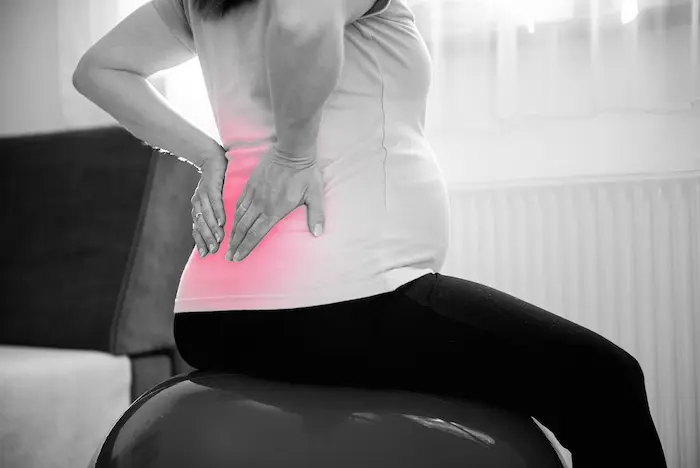
But common doesn’t mean it has to be constant or unbearable. This guide is dedicated to helping you understand why pregnancy back pain happens and, more importantly, what you can safely do about it. We’ll explore a toolkit of strategies—from simple posture adjustments and gentle stretches to supportive gear and professional therapies. Our goal is to empower you with knowledge, so you can move through your pregnancy with more comfort and confidence, focusing on the joy of this journey rather than the ache in your back.
Part 1: Why Does My Back Hurt? The Science Behind the Ache
To effectively tackle back pain, it helps to know what’s causing it. Pregnancy-related back pain typically falls into two main categories, each with distinct triggers:
1. Lumbar Pain (Lower Back Pain)
This is the most common type, feeling like a deep ache across your lower back, often around waist level or slightly below.
- The Culprits:
- The Relaxin Effect: Your body releases the hormone relaxin, which loosens ligaments and joints in your pelvis to prepare for birth. This natural instability can place extra strain on the lower back.
- Center of Gravity Shift: As your uterus expands, your center of gravity moves forward. To compensate, you may unconsciously arch your back, putting constant pressure on the lumbar muscles—a posture often called “swayback” or lordosis.
- Weight Gain: The additional weight you’re carrying, concentrated in the front, increases the load on your spine and supporting muscles.
2. Posterior Pelvic Pain (PPP)
This pain is often felt deeper, below the waistline, across the tailbone (sacrum) or in the buttocks. It might be one-sided and can shoot down the back of the thigh (though it’s distinct from sciatica).
- The Culprits:
- SI Joint Dysfunction: The sacroiliac (SI) joints, which connect your spine to your pelvis, can become irritated and inflamed due to relaxin-induced looseness and the changing weight distribution.
- Pelvic Girdle Pain (PGP): This is a broader term for pain in the pelvic joints, including the SI joints and the pubic symphysis at the front.
Understanding whether your pain is primarily muscular (lumbar) or joint-related (posterior pelvic) can help you choose the most effective relief strategies.
[Image: https://images.unsplash.com/photo-1544367567-0f2fcb009e0b?ixlib=rb-4.0.3 | Caption: A pregnant woman stands in profile, gently placing a hand on her lower back, a common gesture of discomfort and seeking relief.]
Part 2: Your First Line of Defense: Posture, Movement, and Daily Habits
Prevention and management start with how you move through your day. Small adjustments can yield significant relief.
Mastering Pregnancy Posture
- Standing: Distribute weight evenly on both feet. Avoid locking your knees. If you must stand for long, place one foot on a low stool to reduce pelvic tilt.
- Sitting: Choose chairs with good lumbar support or use a small rolled towel behind your lower back. Keep your feet flat on the floor—don’t cross your legs, as this can misalign your pelvis. Get up and move every 30-45 minutes.
- Sleeping: The best sleeping position for pregnancy back pain is on your side (preferably the left to improve circulation). Place a pillow between your knees to keep your hips, pelvis, and spine aligned. A full-length pregnancy body pillow can be a game-changer for support.
- Lifting: Never bend from the waist. Squat down, keeping your back straight, and lift with your legs. Ask for help with heavy items.
Smart Movement and Activity Modifications
- Stay Active: Gentle, regular movement keeps muscles strong and flexible, which supports your joints. Walking, swimming, and prenatal yoga are excellent low-impact choices.
- Avoid Sudden Movements: Jerky twists or bends can strain loose ligaments. Move mindfully.
- Dress Smart: Wear low-heeled, supportive shoes with good arch support. Avoid high heels, which further alter your posture and center of gravity.
Part 3: The Relief Toolkit: Safe and Effective Remedies
Heat and Cold Therapy
- Cold Packs: Ideal for acute, sharp pain or inflammation. Apply a cold pack wrapped in a thin towel to the painful area for 15-20 minutes.
- Heat Therapy: Best for soothing chronic, achy muscle tightness. A warm (not hot) bath, a heating pad on a low setting, or a warm rice sock can work wonders. Avoid applying heat directly to your abdomen.
Gentle Stretching and Exercise
Consistent, gentle stretching can relieve tension and improve flexibility. Always listen to your body and never stretch to the point of pain.
- Cat-Cow Stretch: On hands and knees, alternate between arching your back (cat) and dipping it (cow). This gently mobilizes the entire spine.
- Pelvic Tilts: On your back with knees bent (only in first/second trimester) or against a wall, flatten your lower back against the floor/wall by tightening your abdominal muscles. This strengthens the core and relieves swayback.
- Prenatal Yoga Poses: Child’s pose (with knees wide for belly room) and seated forward folds can release lower back tension. Consider a prenatal yoga class for back pain led by a certified instructor.
Supportive Gear
- Maternity Support Belt: A well-fitted pregnancy belly band can provide significant relief, especially in the second and third trimesters. It works by lifting the belly slightly and redistributing weight, taking pressure off the lower back and pelvis.
- Supportive Shoes & Inserts: As mentioned, good footwear is non-negotiable.
Professional Therapies
- Prenatal Massage: A massage therapist certified in prenatal massage can safely target tight back and hip muscles, providing deep relief and relaxation.
- Chiropractic Care: A chiropractor specializing in prenatal care can perform gentle adjustments to improve spinal and pelvic alignment, which can be incredibly effective for SI joint and pelvic pain.
- Physical Therapy (PT): A PT can assess your specific posture and muscle imbalances, providing a customized exercise program to strengthen your core and glutes, which are crucial for spinal support.
[Image: https://images.unsplash.com/photo-1599901860904-17e6ed7083a0?ixlib=rb-4.0.3 | Caption: A pregnant woman in comfortable clothing gently performs a cat-cow stretch on an exercise mat at home.]
Part 4: Navigating Pain Relief: What’s Safe to Take?
This is a critical conversation to have with your healthcare provider. Never self-medicate during pregnancy.
- Topical Analgesics: Topical menthol or arnica gels are generally considered low-risk as they have minimal systemic absorption. However, avoid salicylates (like Bengay) unless approved by your doctor.
- Oral Medications:
- Acetaminophen (Tylenol): This is typically considered the safest OTC pain reliever during pregnancy for occasional use at the recommended dose. However, recent studies advise using it only when necessary. Discuss its use with your provider.
- NSAIDs (Ibuprofen/Advil, Naproxen): Generally avoided, especially in the third trimester, due to risks to the baby’s kidneys, heart, and a potential decrease in amniotic fluid.
- Natural/Alternative Remedies: Some find relief with prenatal acupuncture. Always ensure your practitioner is experienced in treating pregnant patients. Discuss any herbal supplements with your provider before use.
Part 5: When Back Pain Signals Something More: Red Flags
While most back pain is musculoskeletal, it’s vital to know when it could indicate a serious condition. Contact your healthcare provider immediately if your back pain is:
- Severe, constant, or progressively worsening.
- Rhythmic or cramping (could be a sign of preterm labor).
- Accompanied by vaginal bleeding, fluid leakage, or fever.
- Accompanied by numbness, weakness, or tingling in your legs, groin, or buttocks (could indicate severe nerve compression).
- Localized to one side under your ribs (could be a sign of a kidney infection).
Part 6: A Trimester-by-Trimester Approach
- First Trimester: Focus on establishing good posture habits early. Start gentle core-strengthening exercises (like pelvic tilts) as approved by your doctor. This builds a foundation of support.
- Second Trimester: As your bump grows, consider introducing a support belt. This is an ideal time to begin prenatal yoga or swimming. Pay close attention to sleeping posture with pillows.
- Third Trimester: Prioritize comfort. Use heat therapy for aching muscles. Continue gentle movement but scale back intensity. A prenatal massage can be especially beneficial now. Prepare your rest areas (car, office, bed) with plenty of supportive pillows.
Conclusion: Embracing Comfort on the Journey
Pregnancy back pain, while challenging, is a manageable part of the journey for many. It’s a sign of your body’s adaptation, not a failing. The key is proactive, not reactive, care. By incorporating mindful posture, safe movement, and supportive tools into your daily routine, you can significantly reduce discomfort and reclaim a sense of ease.
Remember, you are your own best advocate. Don’t suffer in silence. Talk to your provider about your pain—they can help you rule out complications and guide you toward the safest, most effective relief options for your unique situation. This journey is about growing your baby and caring for yourself along the way. With the right strategies, you can focus more on the anticipation and less on the ache.
Frequently Asked Questions (FAQ)
Q: Is it normal to have back pain in the first trimester?
A: Yes, it can be. While often associated with later weight gain, first-trimester back pain is common due to the surge in hormones like relaxin that immediately begin loosening joints and ligaments. Stress and changes in posture can also contribute early on.
Q: What’s the difference between normal back pain and sciatica during pregnancy?
A: True sciatica involves compression or irritation of the sciatic nerve, causing sharp, shooting, or burning pain that radiates from the lower back/buttock down the back of the leg, sometimes to the foot. Numbness or tingling is common. General back or pelvic pain is more localized and achy. Sciatica is less common; most “sciatica-like” pain in pregnancy is actually posterior pelvic pain.
Q: Can a pregnancy support belt hurt my baby?
A: No, when used correctly, a maternity support belt is safe for you and your baby. It simply supports your abdomen from underneath and does not place pressure on the uterus. Ensure it’s not too tight—you should be able to fit a finger or two underneath.
Q: Are there any specific stretches I should avoid for back pain?
A: Yes. Avoid deep backbends or twists that compress the abdomen. After the first trimester, avoid exercises that involve lying flat on your back for extended periods (supine position), as this can restrict blood flow. Avoid any stretch that causes pain or pulling in the pelvic area.
Q: When should I consider seeing a physical therapist for my pregnancy back pain?
A: Consider a referral to a prenatal physical therapist if your pain is severe, limits your daily activities, doesn’t improve with basic home remedies, or if you suspect significant SI joint or pelvic girdle pain. They provide targeted, personalized care.
Q: Will my back pain go away after I give birth?
A: For most people, yes, though the timeline varies. Pain caused by the physical changes of pregnancy (weight, posture, relaxin) typically resolves within a few weeks to months postpartum as your body returns to its non-pregnant state. Continuing gentle core-strengthening exercises postpartum can aid recovery. If pain persists, consult your doctor or a physical therapist.