You probably spent nine months dreaming of the day the pregnancy food rules would finally end. No more obsessing over deli meat, no more questioning whether the brie is pasteurized, no more ignoring your sushi cravings. You likely pictured eating whatever you wanted the moment your baby arrived. Then reality (and everyone’s opinions) set in, and knowing the real foods to avoid postpartum becomes surprisingly confusing.
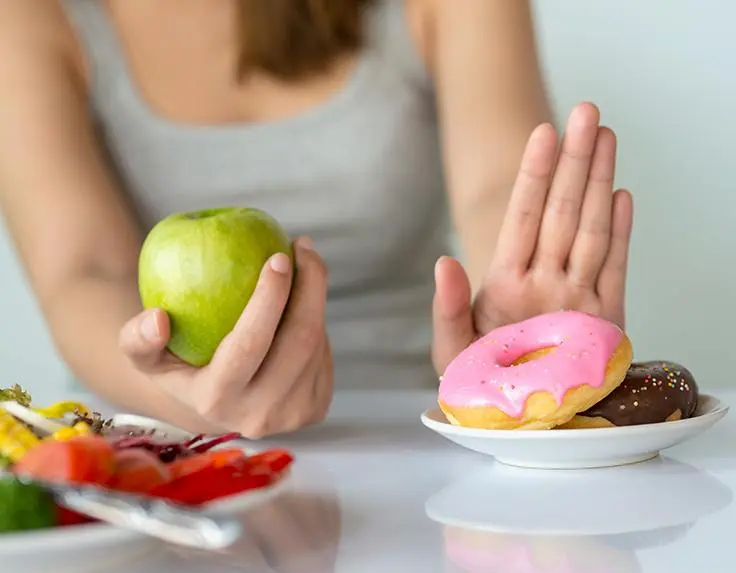
Your mother-in-law warns that broccoli will give the baby gas. A friend insists you go dairy-free. A random online group claims one cup of coffee will ruin your baby’s sleep forever. Suddenly that post-pregnancy freedom feels like a fresh set of worries. Let us cut through the noise with the evidence: which foods actually deserve caution after birth, and which “rules” you can safely leave behind.
Why Postpartum Nutrition Matters
Your body has just performed a small miracle and is now in deep healing mode. Whether you had a vaginal birth or a C-section, your tissues are repairing, your hormones are shifting, and your energy stores need refilling. If you are breastfeeding, your body works even harder, needing roughly 450 to 500 extra calories a day, according to the Centers for Disease Control and Prevention (CDC). The American College of Obstetricians and Gynecologists (ACOG) points to good postpartum nutrition as the foundation for wound healing, steady energy through long nights, quality milk production, protection from nutrient depletion, and a more stable mood. Rather than asking “what can’t I have,” it helps to ask “what does my body need to feel its best right now,” an approach our postnatal diet plan builds on.
Alcohol and Breastfeeding
Is it actually okay to have a drink while breastfeeding? The CDC says the safest choice is to avoid alcohol, while acknowledging that an occasional, carefully planned drink is generally fine. The American Academy of Pediatrics (AAP) notes that alcohol does enter breast milk, peaking about 30 to 60 minutes after you drink, or 60 to 90 minutes if you eat at the same time.
The “pump and dump” idea is a myth; pumping does not clear alcohol faster. It leaves your milk the same way it leaves your blood, at the pace of your metabolism, roughly one standard drink per hour. A simple rule of thumb: if you have had one drink and feel completely sober, your milk is likely safe; if you still feel the effects, it still contains alcohol. If you choose to drink, stick to one or two standard drinks occasionally rather than daily, wait at least two hours per drink before nursing, nurse right before you drink, and keep some expressed milk on hand, which is easy if you already store and label your milk in advance. Never bed-share after drinking, since alcohol significantly raises SIDS risk.
Caffeine: Finding Your Safe Limit
That first real cup of coffee can feel like magic, but the warnings about wakeful babies make many mothers second-guess every sip. According to ACOG, up to 200 to 300 mg of caffeine a day (roughly two to three cups of coffee) is generally safe while breastfeeding, and the Mayo Clinic agrees, noting only a small amount reaches your milk. Babies vary, though; if yours seems unusually fussy, jittery, or hard to settle, try scaling back. Newborns and preemies metabolize caffeine much more slowly, so a little extra caution in the early weeks is wise.
- Coffee: 95 to 165 mg per 8-ounce cup
- Black tea: 25 to 48 mg; green tea: 25 to 29 mg per 8-ounce cup
- Soda: 30 to 50 mg per 12-ounce can; energy drinks: often 70 to 200+ mg
Mercury and Fish: Choosing Wisely
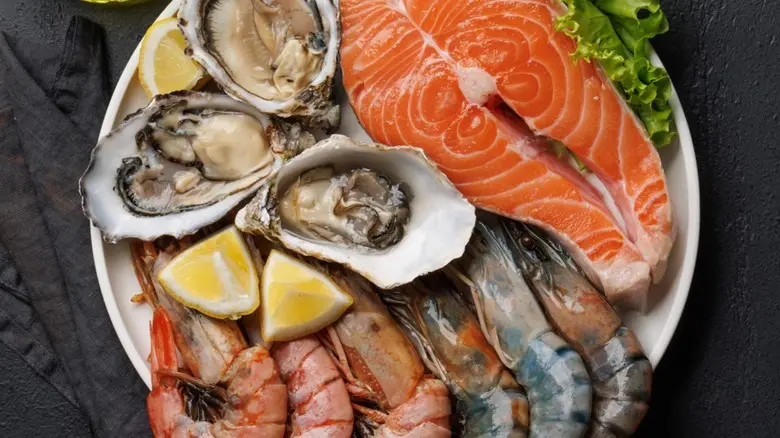
Fish is a nutritional powerhouse, rich in protein and the healthy fats that support your recovery and your baby’s brain, but mercury still deserves attention because it can affect a developing nervous system. The risk is lower while breastfeeding than in pregnancy, yet it pays to choose carefully. The FDA and EPA advise avoiding high-mercury fish entirely: shark, swordfish, king mackerel, and Gulf tilefish. Limit albacore (white) and yellowfin tuna, halibut, and mahi-mahi to about once a week. And enjoy low-mercury options two to three times a week, including salmon, shrimp, pollock, tilapia, catfish, canned light tuna, and sardines. The omega-3s in fish are excellent for your baby’s brain, so the goal is smart selection, not avoidance.
Foods That May Cause Gas or Fussiness
Many new parents wonder whether their diet is making the baby uncomfortable. The truth is that genuine food sensitivities in breastfed babies are quite rare. The World Health Organization (WHO) explains that most infant gas, fussiness, and crying is a normal part of development rather than a reaction to what you ate. When a baby does react, the usual culprits are cow’s milk protein (the most common), soy, eggs, wheat, nuts, and corn.
The old warning to avoid beans, broccoli, and cabbage has weak evidence behind it; these may make you gassy, but the gas-producing compounds do not typically pass into your milk. If you suspect a real reaction, keep a simple log of what you eat and how your baby acts, look for patterns lasting more than a day or two, remove only one food at a time, wait two to three weeks to judge a change, and work with a professional before cutting major food groups. Contact your pediatrician for blood in the stool, severe rashes or eczema, persistent forceful vomiting, or extreme inconsolable fussiness after meals.
Allergenic Foods: Avoid or Not?
Mothers were once told to avoid peanuts or eggs to prevent allergies, but the advice has flipped. The AAP now says avoiding these foods while breastfeeding does not prevent allergies, and early exposure through your milk may actually lower your baby’s risk. Unless your baby has a medically confirmed allergy, there is no reason to skip the peanut butter. If a doctor does confirm an allergy, such as cow’s milk protein allergy, you will need to eliminate that food fully, ideally with a dietitian’s help so you still get the nutrients you need elsewhere.
Herbal Supplements and “Lactation” Products
The market overflows with lactation cookies, teas, and tinctures promising more milk. Unlike medications, herbal supplements are not strictly regulated by the FDA, so their safety and effectiveness are not always proven, and the Mayo Clinic advises caution since we do not always know how these herbs affect every baby. Fenugreek is popular but can upset digestion for mom and baby; blessed thistle, fennel, goat’s rue, and milk thistle all have thin evidence behind them. Before starting anything, talk to your doctor or midwife and consult a lactation expert, because supply concerns are often solved with better positioning or more frequent nursing rather than herbs, as our guide to increasing milk supply naturally explains. Monitor your baby closely for any change in digestion or skin.
Processed Foods and Empty Calories
Early motherhood is survival mode, and some days dinner is whatever you can grab one-handed while bouncing a baby. There is zero shame in that. The WHO emphasizes that good nutrition is the goal but perfection is impossible; if a frozen pizza or granola bar gets you through, your baby still gets what they need. The only real downside of empty calories is that they can crowd out the iron and protein your body craves to heal. So think in terms of adding rather than subtracting: pair a granola bar with an apple, or toss a handful of spinach onto a frozen meal. Small additions add up.
Foods to Embrace for Healing
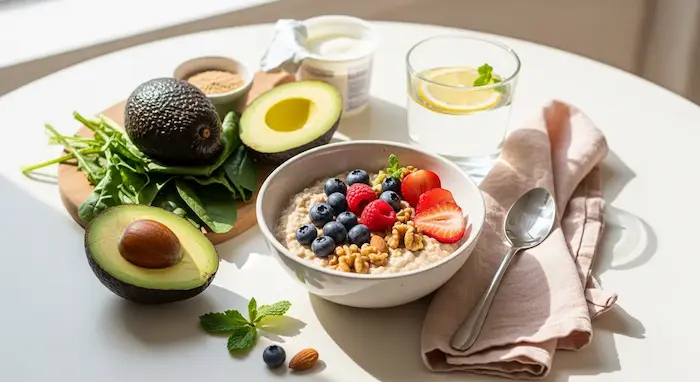
Focusing on what to add is far more empowering than dwelling on restrictions. Rebuild your iron with lean red meat and poultry, spinach and kale, lentils and beans, and fortified cereals, and pair them with vitamin C from oranges or bell peppers to absorb more. Get protein at every meal from eggs and Greek yogurt, chicken, turkey, or fish, and tofu or protein-rich smoothies. Lean on healthy fats like avocado, nuts, seeds, nut butters, and olive oil for hormones and lasting energy. And keep water close, since it supports milk supply and digestion alike. For more ideas, our roundup of superfoods to boost milk supply is a good next read.
Formula-Feeding, Culture, and Trusting Yourself
If you formula-feed, your food choices do not affect your baby’s nutrition directly, but they matter enormously for you, since you are still recovering from birth and running on little sleep; the perk is that you can enjoy coffee and the occasional drink without timing them around feeds. Many cultures also have beautiful postpartum food traditions, like nourishing broths and warm, easy-to-digest meals, which are often exactly what a healing body needs; if a tradition involves medicinal herbs, mention them to your doctor to be safe. Above all, you are the expert on your own body and baby. If you see a clear, repeating pattern, trust it, but do not live in fear, because your body needs variety and your baby benefits from tasting different flavors in your milk. Food should be a source of joy, not stress. Reach out to a professional with questions about supply, your baby’s digestion, or eating around a food restriction, and our guide to nutrition for breastfeeding moms can help too.
Frequently Asked Questions
Yes. Sushi from a reputable restaurant is generally considered safe. The main pregnancy concern, parasites, poses a risk to you but does not pass into breast milk. Stick to low-mercury fish options.
Yes. Most experts agree two to three cups a day is fine. Just watch your baby; if they seem extra awake or jittery, consider dialing it back a little.
The standard guidance is to wait about two hours for every standard drink. That gives your body time to naturally clear the alcohol from your system.
Keep a food diary first to spot any real pattern. If you suspect a specific food, remove just that one for a couple of weeks. Dairy is the most common culprit, though most infant gas is simply a maturing digestive system.
No. Spicy foods rarely bother babies, since the heat does not transfer to your milk in a way that troubles them. If you enjoy spice, feel free to keep it.
Use them cautiously. Because they are not FDA-regulated, check with a lactation consultant or doctor first. Often there are safer, more effective non-herbal ways to support supply.
Yes. Current research suggests eating allergens like peanuts while breastfeeding may actually help prevent your baby from developing an allergy later.
Yes, it is much safer than during pregnancy. Listeria is not known to pass into breast milk, so you can enjoy your favorite sandwich without the same worry.
Most Foods Are Fine in Moderation
It is easy to feel buried under the “shoulds” and “shouldn’ts” of motherhood, but the big takeaway is that most foods are perfectly fine. The genuine concerns, like mercury in fish or the timing of alcohol, are easy to manage once you know the basics; the rest is mostly noise. Your body has done something spectacular and deserves to be nourished with kindness, not guilt. Eat the foods that make you feel like yourself again, enjoy your coffee, have the occasional glass of wine, and remember that your baby needs a happy, healthy mother far more than a perfect diet.
References
- Centers for Disease Control and Prevention. (2024). Alcohol and breastfeeding. cdc.gov/breastfeeding
- American Academy of Pediatrics. (2023). Alcohol, caffeine, and the breastfeeding mother. healthychildren.org
- U.S. Food and Drug Administration & EPA. (2024). Advice about eating fish. fda.gov/food/consumers/advice-about-eating-fish
- American College of Obstetricians and Gynecologists. (2023). Nutrition during pregnancy and postpartum. acog.org/womens-health
- Mayo Clinic Staff. (2024). Breastfeeding nutrition: Tips for moms. mayoclinic.org
- World Health Organization. (2023). Infant and young child feeding. who.int/news-room/fact-sheets/detail/infant-and-young-child-feeding