Nobody warns you adequately about the bleeding after birth, so it’s easy to look down at a soaked pad and think you’re hemorrhaging when you’re not — or, less often, to brush off a sign that genuinely needs attention. This bleeding, called lochia, is your uterus healing from the wound left where the placenta was attached. Here’s the simple version of what’s normal, what’s not, and exactly when to call — a companion to our detailed lochia timeline guide.
First, What Lochia Actually Is
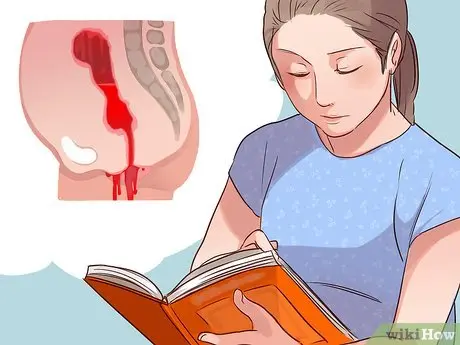
Lochia is not a period. After you deliver the placenta, the spot where it was attached to your uterine wall is a raw, open area the size of a dinner plate. To heal, your uterus clamps down (those cramps are the “afterpains”) to close off the blood vessels, and an internal scab forms and then sheds over several weeks. Lochia is that shedding material — blood, mucus, white blood cells, and uterine-lining tissue. It’s the visible evidence of a deep wound healing from the inside out, which is why it’s normal for it to be heavy at first.
Broadly, it moves through three stages — bright red and heavy for the first few days, then pink-brown and watery, then creamy white or yellow by a few weeks out. Our lochia timeline guide breaks down each stage week by week; this article focuses on telling normal from concerning.
What’s Normal
- A gradual lightening of both flow and color over time — the overall trend from red, to pink or brown, to white or yellow.
- A mild, earthy, musky smell, similar to a menstrual period.
- Small to medium clots (smaller than a plum), especially in the first day or two.
- A “gush” of blood when you first stand up after lying down — this is just pooled blood, and it’s expected.
- A temporary return of redder blood after you’ve been more active than usual — your body’s cue to rest.
Red Flags: Call Your Provider or 911 Now
These can signal postpartum hemorrhage, infection, or retained placental tissue — save this list somewhere you can find it fast:
- Soaking a full-size postpartum pad in an hour or less — this is the single most important number to know. Front-to-back, edge-to-edge, in 60 minutes is an emergency.
- Passing a clot larger than a golf ball or plum, or frequent large clots.
- A foul, rotten, or fishy odor, which can indicate a uterine infection (endometritis), often with fever and cramping.
- Heavy, bright red bleeding that returns after your lochia had already turned pink or brown, and lasts more than a day.
- Signs of shock — feeling dizzy, faint, or lightheaded, a racing heart, or trouble catching your breath. Call 911.
- A fever over 100.4°F (38°C), or severe pain that doesn’t ease with medication.
Providers would far rather reassure you over the phone than treat a crisis later — so when in doubt, call. Postpartum hemorrhage and infection are leading causes of serious postpartum complications, and they’re very treatable when caught early.
Why Rest Genuinely Matters
Your uterus is a muscle, and it can only fully clamp down on those healing blood vessels when you’re not up and about. When you overdo it — lifting, stairs, being on your feet — that muscle is working elsewhere and can start bleeding more. A sudden increase in red flow is often a “warning gush,” your body’s direct message to lie down. Treat rest as part of your medical recovery, not a luxury. Our recovery guide and first-six-weeks guide cover pacing yourself.
Hygiene and Comfort
- Pads only — no tampons, menstrual cups, or douching for at least six weeks, since they can introduce bacteria and cause infection.
- Change every 4–6 hours (or more often when heavy) to stay clean and prevent odor.
- Use a peri bottle with warm water to rinse front-to-back after the bathroom, and pat dry gently. Ice packs help perineal swelling in the first day or two — see our perineal recovery guide.
A Few Special Situations
- After a C-section, you’ll still have lochia — often slightly less and for a bit shorter — and you monitor for all the same red flags.
- Breastfeeding releases oxytocin, which makes the uterus contract, so you may notice more cramping and a temporary bleeding increase during a feed. That’s beneficial — it helps your uterus firm up.
- Bleeding that stops very abruptly in the first week or two can occasionally mean a clot is blocking the cervix, so mention it to your provider.
Frequently Asked Questions
Size is the guide. A single clot the size of a golf ball or larger warrants a call to your provider, as does frequent large clotting with heavy flow. A few small (grape-sized) clots in the first day or two, as the uterus empties, are usually normal.
It’s common, often from a jump in activity or your first postpartum ovulation. If it’s like a light-to-medium period that tapers off in a couple of days, it’s usually fine. If it’s heavy (soaking pads quickly) or persistent, call your provider.
A mild, musky, period-like smell is normal. A strong, foul, rotten, or fishy odor is not — it suggests infection and needs a call to your provider, especially alongside a fever or worsening cramps.
Within the first six weeks it’s almost certainly lochia — a true period rarely returns that early, especially if you’re breastfeeding. Late-stage lochia is creamy or yellow, while a period is red and more consistent in flow.
Your pad saturation rate. Knowing what “soaking a full pad in an hour” actually looks like is your single most useful piece of self-knowledge, because that’s the clearest sign of a hemorrhage. When you’re unsure, call.
Yes. Nursing releases oxytocin, which triggers uterine contractions, so you may feel stronger afterpains and see a brief increase in bleeding during a feed. It feels counterintuitive, but it’s actually helping your uterus contract down and heal.
The Bottom Line
Postpartum bleeding is your body’s real-time report on how your healing is going. The reassuring pattern is a steady trend from heavy and red toward light and pale, and the one number to memorize is soaking a pad in an hour — that, plus foul odor, large clots, or feeling faint, means call now. Everything else is usually your body doing exactly what it should. Rest when it tells you to, keep the area clean, and don’t hesitate to reach out to your provider with any worry, and if you’re struggling emotionally as well, our guide on postpartum depression can help.
This article is for general information and is not a substitute for personalized medical advice from your healthcare provider.
References
- Mayo Clinic. Postpartum Care: After a Vaginal Delivery.
- Cleveland Clinic. Lochia (Postpartum Bleeding).
- NHS. Your Body After the Birth.