Here’s a scene that’s almost a rite of passage for new mothers. You’re finally finding a rhythm with your baby, maybe even stealing a shower while they nap. You lather up, run your fingers through your hair, and… you pull away a small, terrifying fur ball. You look down. The shower drain is wearing a wig made from your own hair. A wave of panic hits. “Is this normal?” you think. “Am I going bald? Is something terribly wrong?”
Let me, as a dermatologist who’s also been through this twice, give you the immediate, calming answer: Yes, this is overwhelmingly, infuriatingly normal. You are not sick, you are not deficient, and you are definitely not going bald. What you are experiencing is a perfectly orchestrated—if dramatic—hormonal recalibration called postpartum telogen effluvium. This guide will walk you through the why, the when, and most importantly, the “what now.” We’ll separate fact from fear, and give you practical, evidence-based strategies to nurture your scalp and your confidence through this temporary but emotional phase.
The Biology: Why Your Hair Throws a Postpartum Fit
To understand the fall, you must first understand the fabulous pregnancy “glow” your hair had. It all comes down to hair growth cycles:
- Anagen (Growth Phase): The hair is actively growing. This phase lasts 2-7 years.
- Catagen (Transition Phase): A short, 2-week phase where growth stops.
- Telogen (Resting/Shedding Phase): The follicle rests for about 3 months before the hair is shed and a new one begins to grow.
Here’s the pregnancy twist: Soaring estrogen levels during pregnancy are like a super-fertilizer for your hair. They prolong the anagen (growth) phase. Very little hair enters the telogen phase. The result? You enjoy thicker, fuller, luscious hair with minimal shedding for nine glorious months. It’s not that you’re growing more hair; you’re just losing far less than usual.
Then, you have the baby. Estrogen and progesterone levels plummet spectacularly. This sudden hormonal shift acts as a massive signal, pushing a huge percentage of those “overstaying” anagen hairs all at once into the telogen (shedding) phase. About 3-4 months postpartum, that synchronized cohort of hairs decides to exit stage left. Dramatically.
Keyword: postpartum telogen effluvium explained, hormonal causes of hair loss after childbirth.
The Timeline: What to Expect and When
The Shedding Phase (Peak: 3-6 Months Postpartum)
This is the hardest part. The shedding typically begins around 3 months postpartum but can start as early as 6 weeks or as late as 6 months. It’s not subtle. You’ll notice it:
- In the shower drain and on your hands.
- Clogging your brush or comb.
- On your pillow, your shoulders, your baby’s tiny fist (somehow).
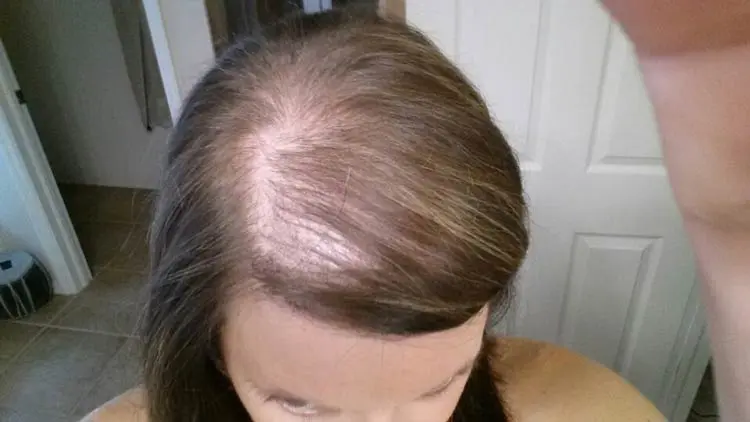
- Thinning all over, but often most noticeable at the temples and hairline, creating “postpartum hairline recession.”
The good news? It’s temporary. This intense shedding phase usually lasts 3-6 months. It feels endless while you’re in it, but it does have a finish line.
The Regrowth Phase (Starting Around 6-12 Months Postpartum)
Here’s the light at the end of the tunnel. As the old hairs shed, new ones are already preparing to grow. You’ll first notice them as:
- “Baby hairs” or “frizz” around your hairline and part. They may stick straight up or be difficult to style.
- A general feeling of shorter, wispy hair throughout.
- A fuller looking hairline with new growth at temples as those short hairs mature.
Full recovery to your pre-pregnancy hair density can take up to 12-18 months, but significant improvement is usually seen by your baby’s first birthday.
Keyword: postpartum hair loss timeline 3 to 6 months, when does hair start growing back after baby.
Factors That Can Influence Shedding
While nearly everyone experiences some shedding, the severity can vary based on:
- Breastfeeding: The hormonal picture is more complex. Prolactin and the slow return of ovulation/periods can influence the timing and duration of shedding. Some notice shedding starts after weaning.
- Nutritional Status: If you’re depleted in key nutrients (especially iron, ferritin, vitamin D, B12, zinc) from pregnancy and postpartum demands, shedding can be more pronounced.
- Stress & Sleep: The massive life change and sleep disruption of a newborn is a physical stressor that can exacerbate hair loss.
- Genetic Predisposition: If you have a family history of female pattern hair loss, the postpartum shed may unmask or accelerate it slightly.
- Thyroid Function: Postpartum thyroiditis is common and can cause or worsen hair loss. If shedding is extreme or accompanied by other symptoms (severe fatigue, weight changes, mood swings), get your thyroid checked.
Keyword: does breastfeeding make postpartum hair loss worse, postpartum thyroiditis and hair loss connection.
What You Can Do: A Practical Care Guide
You can’t stop the hormonal wave, but you can support your hair and scalp to minimize breakage and encourage healthy regrowth.
1. Gentle Hair Care Practices
- Be Kind When Wet: Hair is most fragile when wet. Use a wide-tooth comb instead of a brush, starting from the ends and working up.
- Avoid Tension: Ditch tight ponytails, buns, and braids that pull on the hairline. Use soft, coil hair ties.
- Heat & Chemical Moderation: Give your hair a break from high-heat styling and chemical treatments (coloring, perms). If you must color, opt for gentler, ammonia-free formulas and highlight techniques that don’t touch the scalp.
- Choose the Right Tools: A boar bristle brush can help distribute natural oils. A silk or satin pillowcase reduces friction and breakage.
2. Nutritional Support: Feed Your Follicles
This is arguably the most impactful thing you can control. Focus on a postpartum diet for healthy hair regrowth rich in:
- Protein: Hair is made of keratin (protein). Ensure adequate intake from eggs, fish, lean meat, legumes, nuts.
- Iron & Ferritin: Low iron stores are a major culprit in persistent shedding. Get levels checked. Eat red meat, spinach, lentils, and pair with vitamin C (bell peppers, citrus) to enhance absorption.
- Omega-3s: Anti-inflammatory and support scalp health. Found in fatty fish, walnuts, chia seeds.
- Biotin, Zinc, Vitamin D: Important co-factors. A high-quality postnatal vitamin can help fill gaps.
Keyword: best vitamins for postpartum hair growth, how to check iron levels for hair loss.
3. Styling & Camouflage Strategies (The Mental Boost)
While your hair recovers, a few tricks can boost your confidence immensely:
- The Volumizing Cut: A good haircut is therapy. Ask your stylist for light layers and texture to create the illusion of fullness. A slightly shorter ‘do can make hair look thicker and be easier to manage.
- Root Lift & Dry Shampoo: Volumizing sprays and dry shampoo at the roots are your best friends.
- Part Switch: A simple change in your part can cover thin areas.
- Accessorize: Headbands, scarves, and cute clips draw attention away from the hairline and add style.
- Consider Color: A skilled colorist can use techniques like “shadow rooting” or gentle highlights to add dimension and mask thin areas.
When to Seek Professional Help
Postpartum shedding is normal, but sometimes it signals something else. Consult a dermatologist or your doctor if:
- The shedding is extreme (creating large bald patches).
- You see irregular or circular patches of hair loss (could be alopecia areata).
- Shedding continues intensely beyond 12 months postpartum.
- You have other concerning symptoms like significant fatigue, weight gain/loss, or skin changes.
- Your hairline is receding in a patterned way (like male-pattern baldness), which could indicate androgenetic alopecia unmasked by postpartum hormones.
Keyword: when to see a dermatologist for postpartum hair loss, signs of female pattern hair loss after pregnancy.
The Emotional Toll: It’s More Than Just Hair
Let’s be real. This isn’t trivial. After your body has gone through so much, to then lose a part of your identity (your hair) can feel like a cruel joke. It’s okay to feel frustrated, sad, or insecure. You are not vain for caring. Your hair is tied to your self-image. Acknowledge the feeling. Talk about it with friends or your partner. Often, just saying “This hair loss is really getting me down” can be a relief.
The Big Myth: “My Hair Will Never Be the Same”
This is a common fear. The truth is, for the vast majority, hair does return to its normal fullness. However, the texture or wave pattern can sometimes change permanently due to hormonal shifts. You might find your straight hair now has a wave, or your curls have loosened. This is your “mom hair”—a new chapter in your hair’s story.
Frequently Asked Questions (FAQ)
Q: Will cutting my hair make it grow back faster or thicker?
A: No, cutting doesn’t affect the growth rate or thickness from the follicle. However, it removes split ends, reduces breakage, and can make hair look fuller and healthier instantly—a huge psychological win.
Q: Do those expensive hair growth shampoos and serums work?
A: For standard telogen effluvium, they can’t stop the hormonal shed. However, ingredients like caffeine, rosemary oil, and ketoconazole (in some shampoos) may support a healthy scalp environment and potentially improve hair density over time. Manage expectations—they are helpers, not cures.
Q: I’m pregnant again. Will this happen after every baby?
A: It’s likely, but not guaranteed. Some women notice less shedding with subsequent pregnancies, while others experience it similarly each time.
Q: Is all this hair falling out, or is some of it breaking?
A: Look at the ends. If there’s a tiny white bulb at the end, it’s a telogen hair that has shed from the root (normal). If the end is tapered or broken, it’s breakage from damage, signaling a need for gentler care.
Q: What’s the #1 thing I should do right now?
A: Be gentle—with your hair and with yourself. Swap the fine-tooth comb for a wide-tooth one, take your postnatal vitamin, and remember this is a temporary season. Your body is prioritizing the incredible work of sustaining a new life. The hair will catch up.
Conclusion: A Season of Shedding, A Symbol of Strength
The clumps of hair in your brush are not a sign of decay. They are the physical evidence of a profound transition. Each strand that falls represents a shift in your body’s priorities—from sustaining a pregnancy to nourishing a newborn and, eventually, back to a new equilibrium for you.
This phase is a masterclass in patience. It teaches you to care for yourself with the same gentleness you offer your baby. So, as you clean the shower drain yet again, try to see those hairs not with dread, but as a reminder of the incredible journey you’re on. They made way for the most important thing you’ve ever grown. And soon, very soon, you’ll feel those hopeful, stubborn little baby hairs coming in—the first gentle whispers of your new normal.